DbcultAccessing Vault...
Cult Review
Senior Film Conservator
Alright, so The Midnight Ace. Is this one for your watchlist today? Honestly, maybe. If you’re the kind of person who gets a kick out of old, earnest melodramas, the kind where every emotion is dialed up to eleven and logic occasionally takes a backseat to pure, unadulterated drama, then yeah, you might find something here. If you prefer your narratives tight, subtle, and without characters making baffling decisions just to move the plot along, you’ll probably be tearing your hair out. Consider yourself warned.
The whole premise hinges on this young woman, played by Mabel Kelly, falling head over heels for Anthony Gayztera’s master criminal. We're told she believes him to be a good man, decent even. But from the first few frames, Gayztera’s character just oozes menace. He’s got this slicked-back hair and a knowing smirk that never really convinces you he’s anything but bad news. So, Mabel Kelly’s character’s naivety has to carry a lot of weight, and sometimes it just feels like the script asking us to suspend belief a little too much, even for a melodrama.
The robberies themselves are less about intricate planning and more about general chaos. The city is supposedly 'gripped in terror,' but the actual scenes of the gang operating are a bit quaint, a little rushed. It feels more like a stage play sometimes, where you’re meant to imagine the terror rather than truly feel it. And then the criminal calls the police himself? That’s a bold choice, almost like he’s bored with the usual cat-and-mouse. It’s a strange moment that makes you wonder if he’s a genius or just incredibly arrogant, or maybe the writers just needed a way to introduce the 'Ace of Spades' calling card without much fuss.
Edward Day plays the detective, and he brings a much-needed grounded presence to the film. He’s hopelessly in love with Mabel Kelly’s character, of course. His quiet determination feels authentic against the more flamboyant performances around him. There’s a scene where he’s looking at a clue, just a slight furrow in his brow, and you really feel the gears turning. It’s a small thing, but it helps anchor the wilder parts of the story. When he eventually has to tell her the man she loves is a 'crook and a philanderer,' his delivery is understated, which almost makes it hit harder than if he’d gone full dramatic.
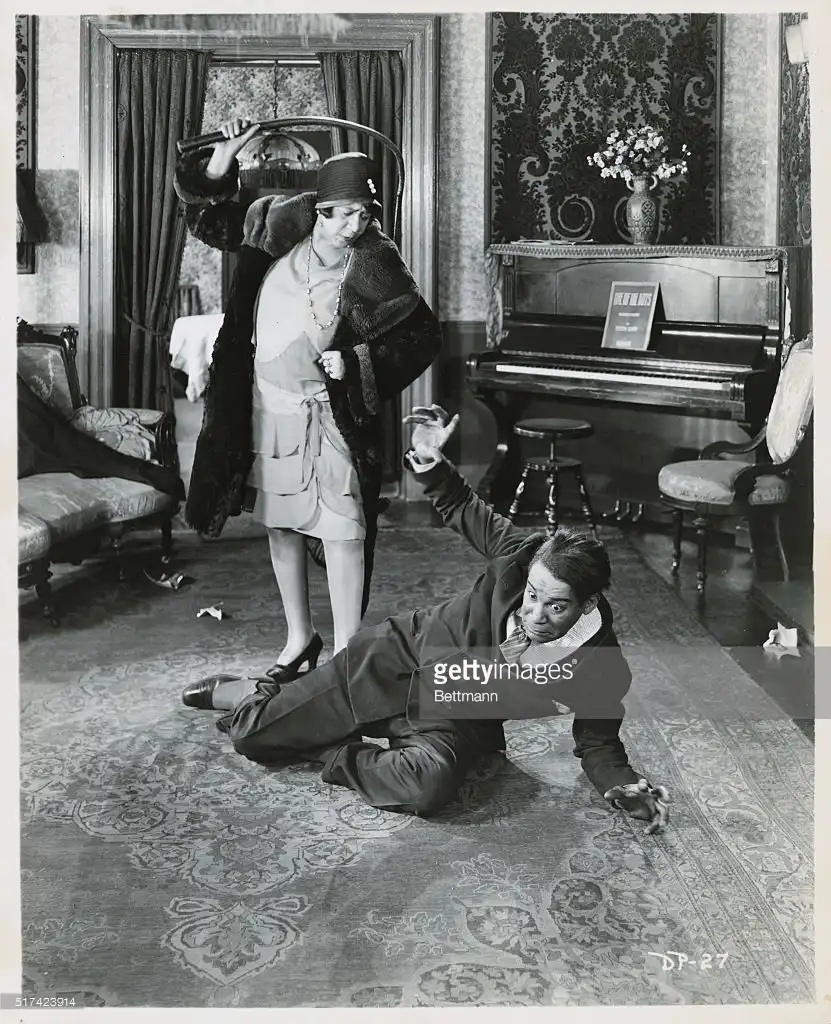
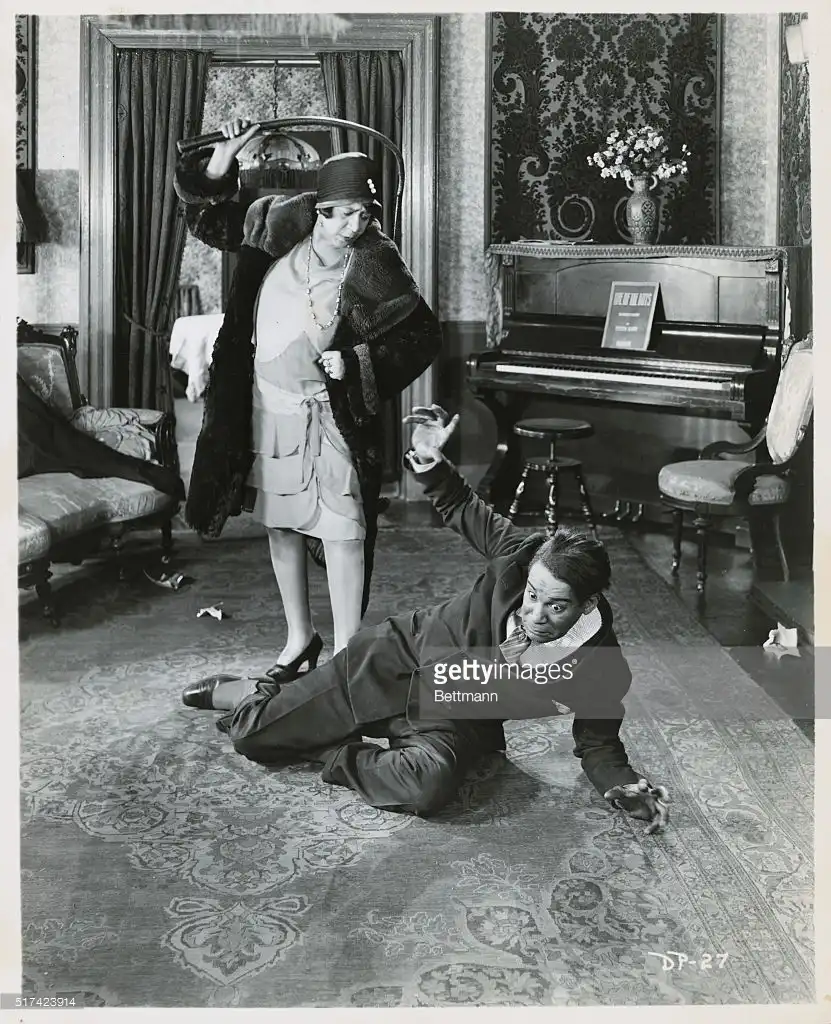
But then, oh boy, Bessie Givens shows up as the criminal’s wife. And the movie just goes off the rails in the best possible way. Her discovery of the photograph, her reaction, it's pure fire. The moment she horsewhips her husband, it’s not just a plot point, it’s a spectacle. You can almost feel the collective gasp from an early cinema audience. It’s so over-the-top you can’t help but be captivated. Gayztera’s character, not one to take such an affront lightly, responds with shocking brutality, beating her and then leaving her to die by turning on the gas. This sequence is genuinely dark, a stark contrast to the slightly goofy robberies earlier on.
The tonal shift here is abrupt, almost jarring. One minute you’re watching a relatively straightforward crime drama, the next you’re in a domestic horror scene. It’s not smooth, but it is memorable. And when Mabel Kelly’s character finds and saves the wife, that alliance forms so quickly it’s almost comical, but it works because you’re still reeling from the gas incident. Their combined charge towards the next robbery scene feels less like a well-planned assault and more like a righteous, furious sprint. The apprehension of the gang itself is pretty standard, nothing too flashy, but it gets the job done.
The trial escape is exactly what you expect. A dramatic dash, a leap over a railing, the whole thing. It’s a classic trope, and it's executed with the kind of frantic energy that suggests they had one take and went for it. The final car chase, or rather, the final car plunge, is a bit of a miniature special effect, but the impact of it, the definitive end for the villain, is clear. It’s almost a relief after all the back and forth. And then, the detective and the girl find their happy ending. It’s a bit neat, a bit too clean after such a messy, violent journey, but hey, that’s melodrama for you.
What really sticks with you about The Midnight Ace isn't its narrative sophistication, but its raw, unvarnished energy. It's a film that doesn't care much for subtlety. It just throws everything at the screen: love, betrayal, brutal violence, and improbable escapes. The acting can be broad, the pacing occasionally lurches, and some scenes go on just a touch too long while others feel rushed. But there’s an honesty to its dramatic excess that makes it compelling. It’s a film that demands you lean in, not to dissect its brilliance, but to witness its sheer, glorious audacity.
It’s not perfect, not by a long shot. But it’s certainly not boring. And for a movie website run by people who actually watch films carefully, sometimes that's exactly what you're looking for.
IMDb —
1927
Community
Log in to comment.