DbcultAccessing Vault...
5/10
Senior Film Conservator
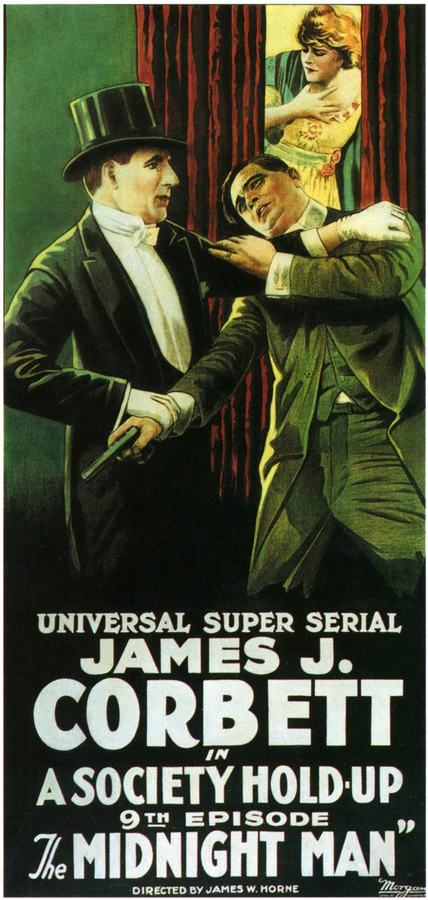
A definitive 5/10 rating for a film that redefined the boundaries of cult cinema. The Midnight Man remains a cornerstone of transgressive art.
When the reels of The Midnight Man begin to spin, the audience is thrust into a world where propriety and violence coexist in a precarious dance. Directed by James W. Horne and scripted by Horne, Frank Howard Clark, and Harvey Gates, this 1919 silent feature weaves a tapestry of familial loyalty, self‑imposed sacrifice, and the relentless pursuit of an elusive identity.
The inciting incident is deceptively simple: a birthday celebration at the Gilmore residence. The camera lingers on the opulent décor, the clinking of crystal, and the soft murmur of polite conversation. Yet, beneath the veneer of festivity, a slur aimed at Bob's mother erupts, prompting Bob (portrayed with stoic intensity by Frank Jonasson) to mete out a swift, physical reprimand. This moment is not merely a plot device; it crystallizes Bob's fierce protectiveness and foreshadows the moral ambiguity that will define his journey.
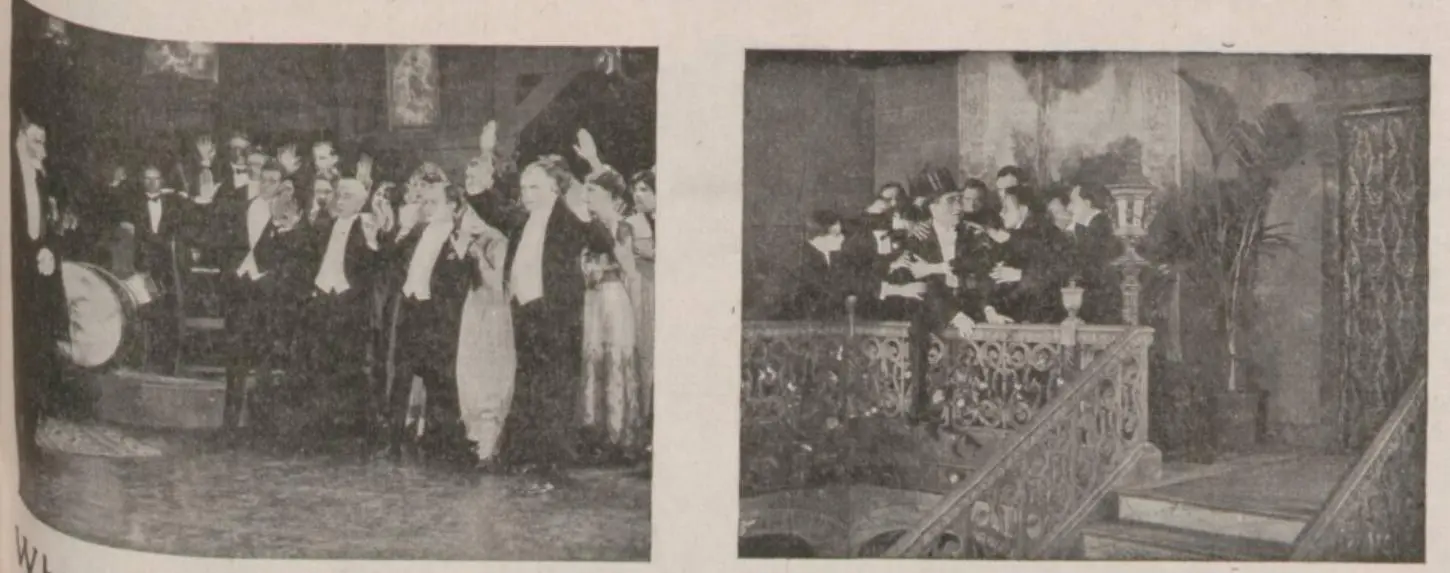
The film’s narrative momentum accelerates when Bob discovers a forged check, the handiwork of his foster father. In a self‑effacing act of filial devotion, he claims culpability, shielding his mother from the sting of betrayal. The scene is rendered with a subtle elegance: intertitles convey the confession, while the actors' gestures—Bob's bowed head, his mother's trembling hands—speak volumes. The written confession he extracts becomes a symbolic talisman, a promise of leverage should the truth ever demand retribution.
The revelation that Bob was abandoned as an infant at a foundling asylum shatters his sense of self. The script hints that his true surname begins with "Mor," a cryptic clue that propels him toward New York's labyrinthine streets. Here, the film adopts a quasi‑detective aesthetic, with Bob donning immaculate evening attire—tailored tuxedo, polished shoes, a fedora that casts a shadow over his eyes. This sartorial disguise earns him the moniker "The Midnight Man" from bewildered constables, a nickname that reverberates throughout the city’s underbelly.
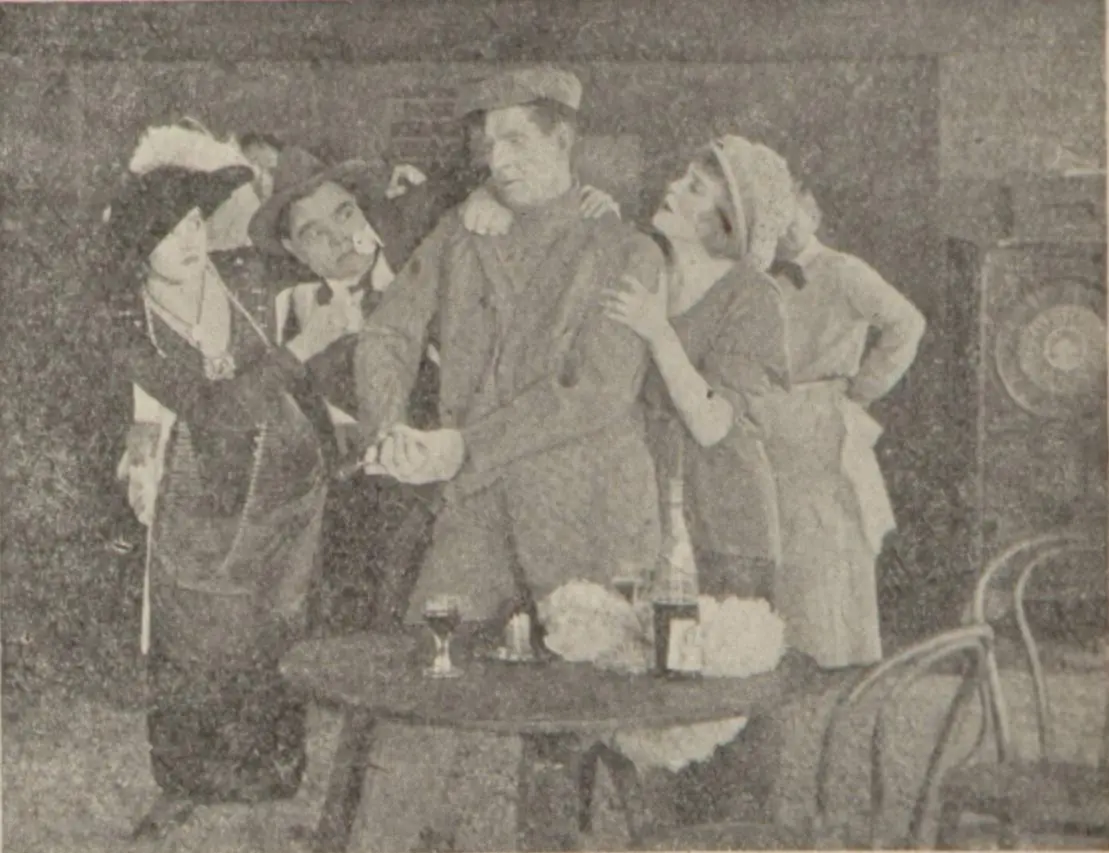
Bob's nocturnal forays are a study in contrast. By day, he is a respectable clubman; by night, he becomes a phantom slipping through gilded parlors and dimly lit back alleys. The cinematography, though constrained by the era's technical limits, employs chiaroscuro lighting to accentuate this duality. Shadows stretch across brick walls, while pools of amber light illuminate Bob's silhouette as he slips through a half‑open door, a visual metaphor for his search for illumination in a world of obscurity.
The White Circle gang, a cadre of ruthless criminals, serves as the narrative's antagonistic force. Their leader, portrayed by Joseph W. Girard, exudes a cold, calculating menace that contrasts sharply with Bob's earnest vulnerability. Their encounters are choreographed with a kinetic energy that feels ahead of its time—hand‑to‑hand combat, daring chases across rooftops, and tense standoffs in smoke‑filled warehouses. These sequences echo the kinetic vigor found in contemporaneous works such as Easy to Make Money, yet retain a distinct tonal gravitas.
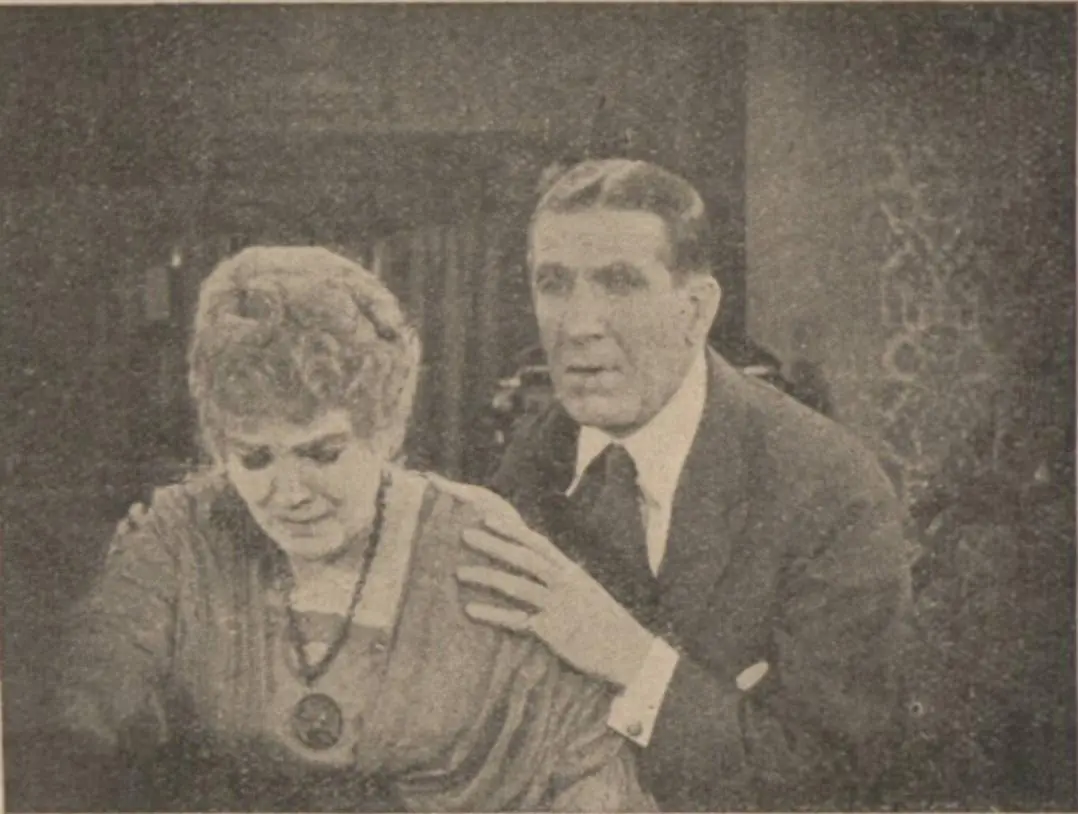
The supporting cast enriches the film's texture. Ann Forrest delivers a nuanced performance as the enigmatic femme‑fatale who oscillates between ally and adversary, her eyes conveying a world‑weary wisdom that belies her youthful appearance. Noble Johnson, as a member of the White Circle, brings a physicality that adds weight to the gang's menace, while Montgomery Carlyle's portrayal of the kindly but oblivious foster father provides a poignant counterpoint to the film's darker currents.
Beyond its narrative merits, The Midnight Man offers a window into the sociocultural landscape of post‑World War I America. The film subtly interrogates class divisions: Bob's seamless transition from high‑society soirées to the gritty underworld underscores the porous boundaries between privilege and poverty. Moreover, the motif of adoption and the quest for lineage reflects contemporary anxieties about identity in an era marked by rapid urbanization and immigration.
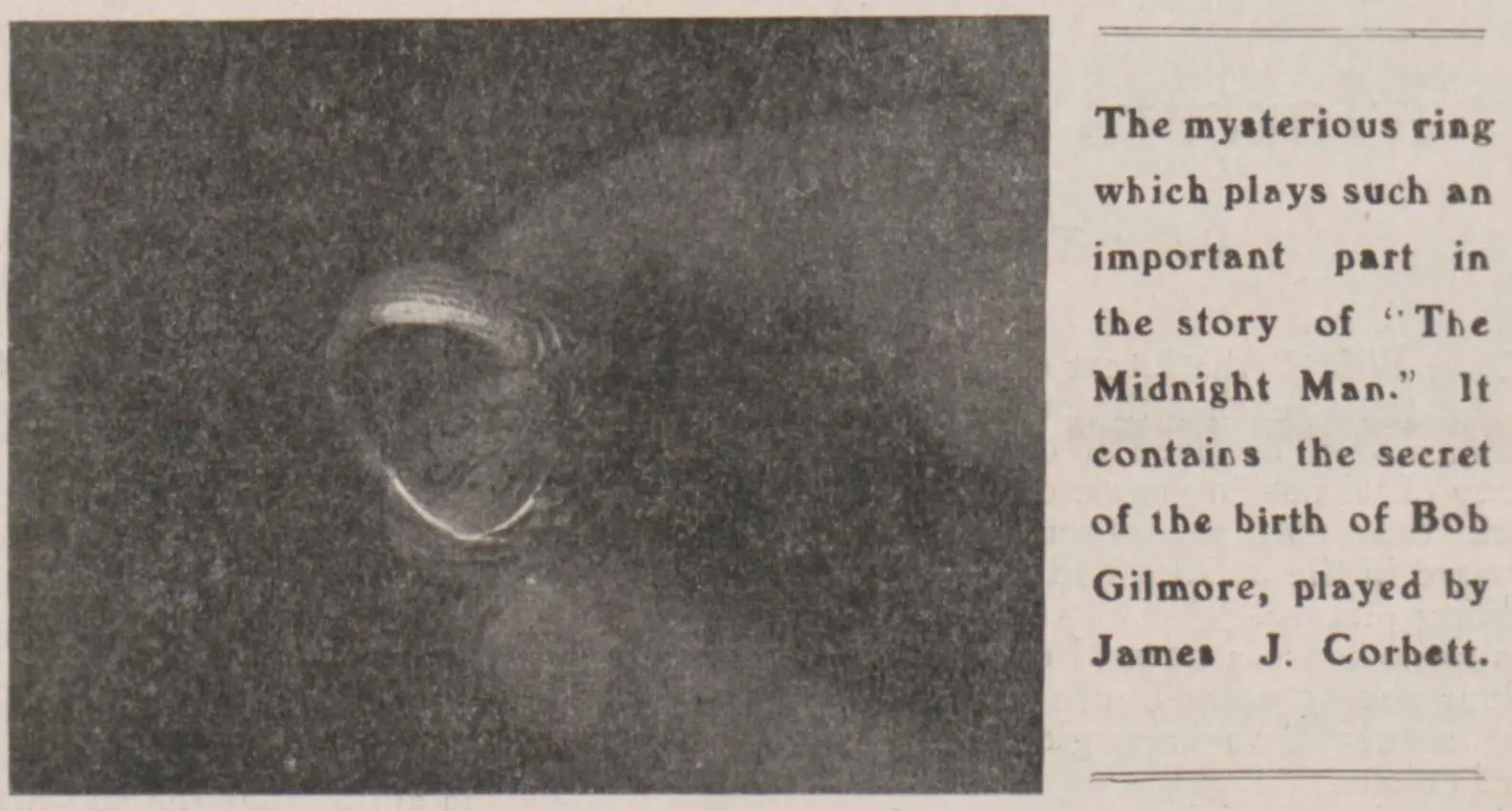
From a technical standpoint, the film's intertitles are crafted with a lyrical brevity that complements the visual storytelling. The occasional use of tinted frames—deep amber for moments of revelation, muted blue for scenes of danger—demonstrates an early experimentation with color symbolism, a technique later refined in the 1920s. The score, though lost to history, is presumed to have employed a live piano accompaniment, with motifs that likely mirrored the film's shifting moods.
Comparatively, the film shares thematic resonances with He Couldn't Fool His Wife, particularly in its exploration of deception within intimate relationships. However, where that film leans toward domestic melodrama, The Midnight Man expands its scope to the urban noir, prefiguring the genre conventions that would dominate the 1930s and beyond.
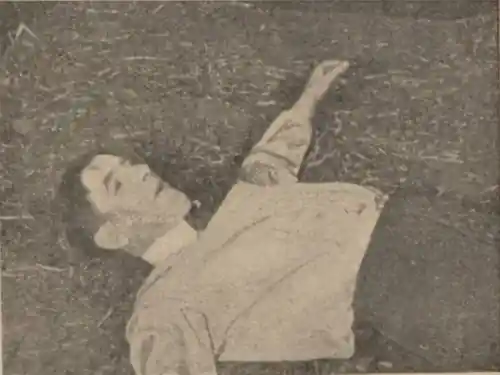
The climax arrives as Bob confronts the White Circle's mastermind in a derelict warehouse illuminated only by flickering lanterns. The tension is palpable; the intertitles become sparse, allowing the actors' physicality to convey the stakes. In a moment of catharsis, Bob reveals the written confession he secured earlier, turning the tables on his adversaries and exposing the corrupt foster father’s involvement. This revelation not only resolves the plot’s central mystery but also symbolizes Bob’s reclamation of agency over his fragmented past.
The denouement is bittersweet. Bob discovers that his true surname is Morrell, a name that carries both the weight of his origins and the promise of a new beginning. He returns to his parents’ home, not as a victim of circumstance but as a man who has forged his own identity through perseverance and moral fortitude. The final tableau—a quiet sunrise over the New York skyline—offers a visual metaphor for rebirth, echoing the film’s overarching theme of illumination emerging from darkness.
In assessing the film’s legacy, it is essential to recognize its contribution to the evolution of crime drama and the silent era’s narrative sophistication. While it may lack the polished production values of later classics, its ambition, thematic depth, and inventive visual language render it a noteworthy artifact of early American cinema.
For contemporary viewers, The Midnight Man provides both entertainment and a scholarly case study. Its exploration of identity, the moral calculus of sacrifice, and the interplay between high society and criminal underworlds remain resonant. Moreover, the film’s stylistic choices—use of color tinting, chiaroscuro lighting, and dynamic staging—offer valuable insights into the experimental spirit that animated filmmakers of the 1910s.
In sum, The Midnight Man stands as a compelling blend of melodrama, thriller, and social commentary. Its richly layered characters, deftly choreographed action, and poignant thematic concerns make it a film worthy of rediscovery and scholarly attention. Whether you are a silent‑film aficionado, a student of early 20th‑century cultural history, or simply a lover of well‑crafted storytelling, this 1919 gem invites you to step into the shadows and emerge with a deeper appreciation for the art of cinema.
IMDb —
1919
Community
Log in to comment.