DbcultAccessing Vault...
5.6/10
Senior Film Conservator
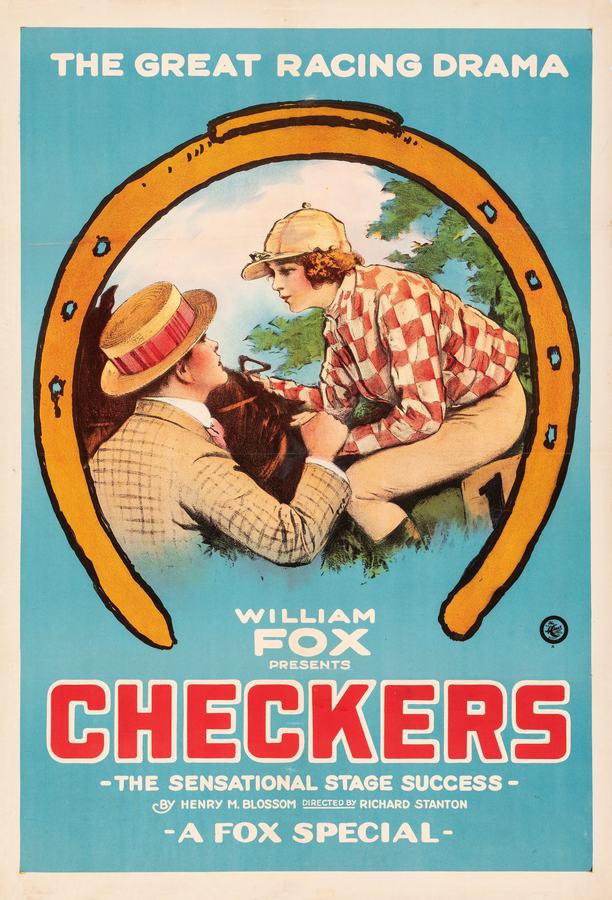
A definitive 5.6/10 rating for a film that redefined the boundaries of cult cinema. Checkers remains a cornerstone of transgressive art.
Silent cinema often framed morality in chiaroscuro—broad strokes of virtue against encroaching shadows. Checkers (1919), directed by the underappreciated Edward Sedgwick, dances brilliantly in those shadows. It presents not a fable of clean redemption, but a grubby, pulse-quickening tango with damnation where salvation demands a Faustian pact with the devil you know.
Freeman Barnes embodies Edward 'Checkers' Campbell with mesmerizing duality. Watch him work the racetrack crowds early on—shoulders perpetually angled for the quick whisper, eyes darting like sparrows, a smile that’s equal parts charm and trap. Barnes avoids caricature; his Checkers vibrates with weary desperation beneath the bravado. His reformation isn’t some saintly epiphany, but the exhaustion of a man sick of his own reflection. The scenes of Checkers attempting mundane labor—fumbling with tools, sweating under a foreman’s glare—are played not for broad comedy, but for poignant awkwardness. This is a fish violently out of water, gasping.
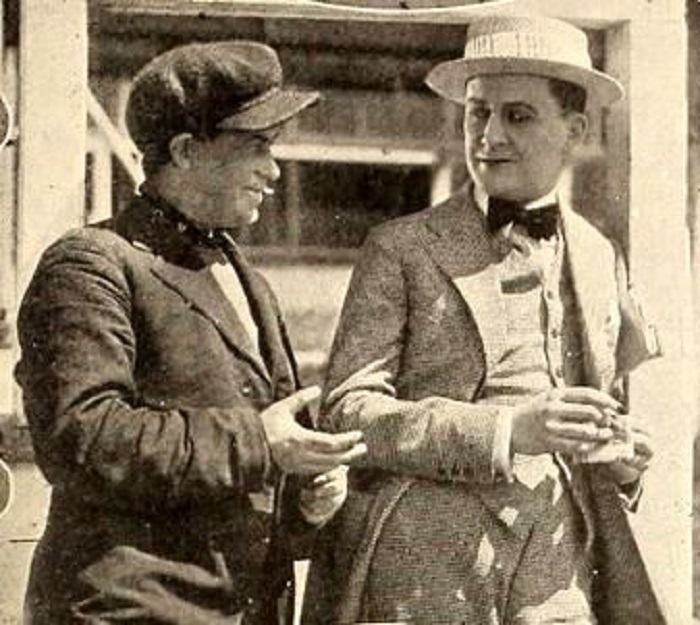
Jean Acker, as the catalyst for his change, lends Eleanor Vance a grounded grace. She isn’t merely an angelic symbol of purity, but a woman palpably aware of the fragility of Checkers’ transformation. Their quiet moments—a shared meal, a walk where Checkers nervously keeps his hands out of his pockets—thrum with unspoken tension. Can his newfound integrity withstand life’s inevitable storms?
The film’s genius lies in twisting the redemption arc into a moral paradox. When Eleanor’s father (a wonderfully haggard Frank Beamish) faces ruin from Tammany Young’s delightfully slimy loan shark, Checkers’ vow becomes his cage. The script by Adrian Johnson and Henry Martyn Blossom refuses easy outs. Salvation requires sin. His return to the track isn’t triumphant, but a funeral march for his principles. Sedgwick films the sequence with claustrophobic dread: low angles emphasize looming bookies, tight close-ups capture the sweat beading on Checkers’ lip as he places the fateful bet. The die isn’t cast; it’s choked out.
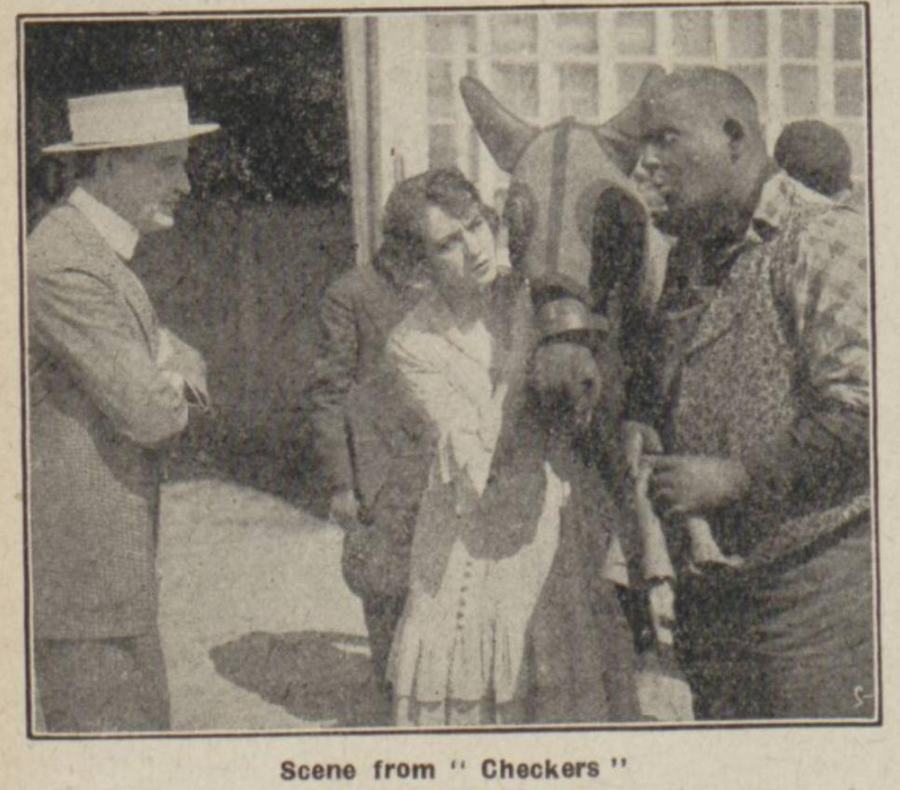
Compare this to the aristocratic folly depicted in Drama na okhote (1914), where gambling is a decadent pastime. Here, it’s survival—a tainted tool wielded in desperation. The moral ambiguity echoes later, darker works like The Port of Doom (1923), yet Checkers retains a desperate, beating heart at its core. It’s less about the thrill of the bet than the crushing weight of necessity.
Sedgwick and cinematographer Robert Newhard paint a world saturated in ethical grime. The racetrack isn’t glamorous; it’s a swirling vortex of dust, crumpled tickets, and faces etched with greed or despair. Deep focus shots trap Checkers within crowds, visually emphasizing his insignificance against the gambling machine. Contrast this with the sparse, sunlit simplicity of his ‘honest life’ scenes—cleaner compositions, softer lighting. The visual language screams: virtue is fragile, quiet; vice is a cacophonous, engulfing force.
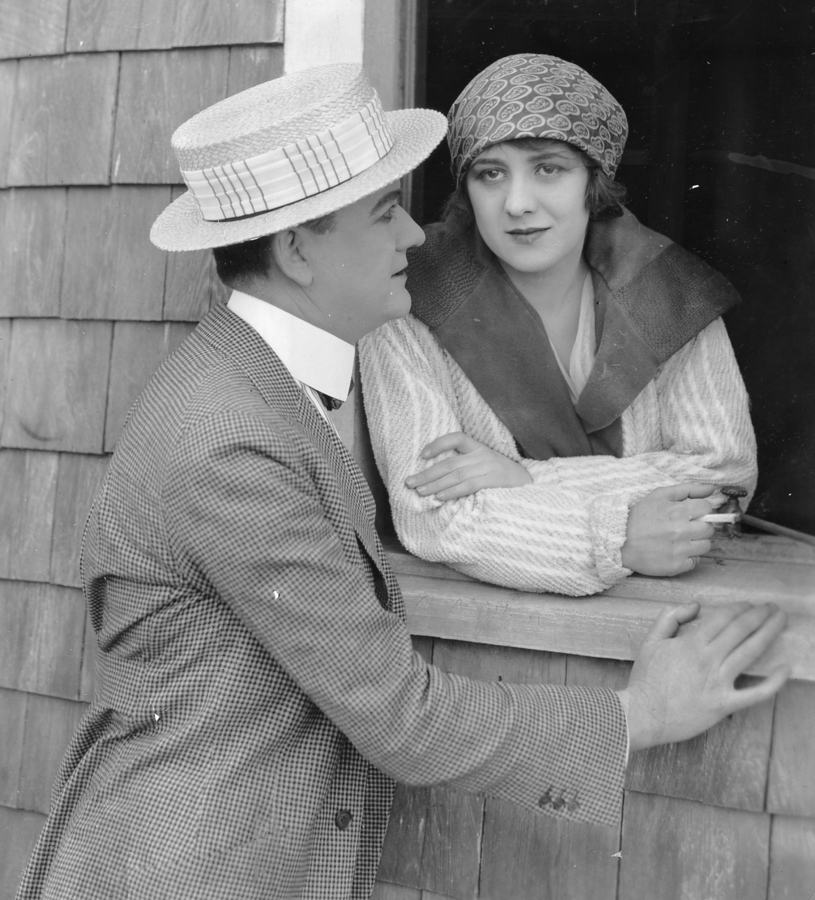
Notice the use of recurring motifs: hands. Checkers’ expressive hands—shuffling cards, nervously clutching a hat brim, finally placing the corrupting bet. Ellen Burford, as a rival tout, uses hers like predatory talons. The film understands tactile storytelling. This silent eloquence surpasses even the adventurous framing in Protéa (1913), grounding its spectacle in human frailty.
"Barnes delivers a masterclass in silent restraint. A single, lingering glance towards Eleanor before he places the bet conveys oceans of shame, determination, and love—more potent than pages of dialogue could ever achieve."
Barnes dominates, but the supporting cast crafts vivid miniatures. Bertram Marburgh’s villainous creditor isn’t a mustache-twirler, but a chillingly pragmatic businessman—his menace lies in ledger books, not daggers. Anna Neilson provides sly comic relief as a trackside matron whose hat is as oversized as her gullibility, while Buck Black imbues a stable hand with weary authenticity. This texture elevates Checkers beyond the more straightforward heroics of Captain Courtesy (1915).
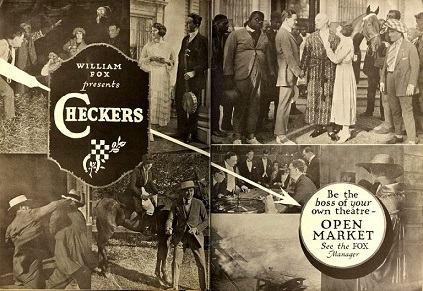
Juliet Crane deserves special mention as Checkers’ former partner-in-grift. Her brief appearance crackles with unspoken history—a shared glance conveying years of shared cons and mutual disappointment. It’s a performance echoing the complex female dynamics later seen in Her Debt of Honor (1920), but condensed into mere minutes.
The climactic race is a marvel of editing—hooves thunder in frenetic cuts, juxtaposed with agonizingly slow close-ups of Checkers’ face, a mask cracking under pressure. He wins, of course. But the victory feels hollow, ash in the mouth. The financial disaster is averted, yet the cost is etched in the weary slump of Barnes’ shoulders as he hands over the tainted money. Eleanor’s embrace is tinged with sorrow, not joy. They are saved, yes, but the shadow of the track clings to Checkers like cheap cigar smoke.
This refusal of easy catharsis is the film’s boldest stroke. Unlike the triumphant moral certitude of Retten sejrer (1915) or the overt tragedy of Hell's Crater (1921), Checkers dwells in the murky aftermath. Can love built on a salvaged ruin truly flourish? The final shot—a lingering look between Checkers and Eleanor as they walk away from the cheering crowd, their future uncertain, the ghost of the bet hanging between them—is devastating in its ambiguity. It’s a conclusion as complex as life itself.
Checkers stands as a crucial bridge between early melodrama and the psychological realism that would define later silent classics. Its exploration of addiction’s pull—framed not as monstrous deviance but as a coping mechanism warring with societal expectation—feels startlingly modern. The specter of moral compromise for love’s sake resonates through noir and beyond.
While lesser-known than the hallucinogenic excess of The Spirit of the Poppy (1914) or the sweeping romance of The Red-Haired Cupid (1918), Checkers offers something arguably more valuable: a raw, unsentimental dissection of the human condition. It’s a film where the hero’s greatest act of courage is embracing his own corruption to shield another, leaving us to ponder the true price of a clean slate purchased with dirty money. Its grit, visual sophistication, and Barnes' haunting performance ensure it remains not just a relic, but a resonant, challenging piece of cinematic art.
IMDb —
1925
Community
Log in to comment.