DbcultAccessing Vault...
Cult Review
Senior Film Conservator
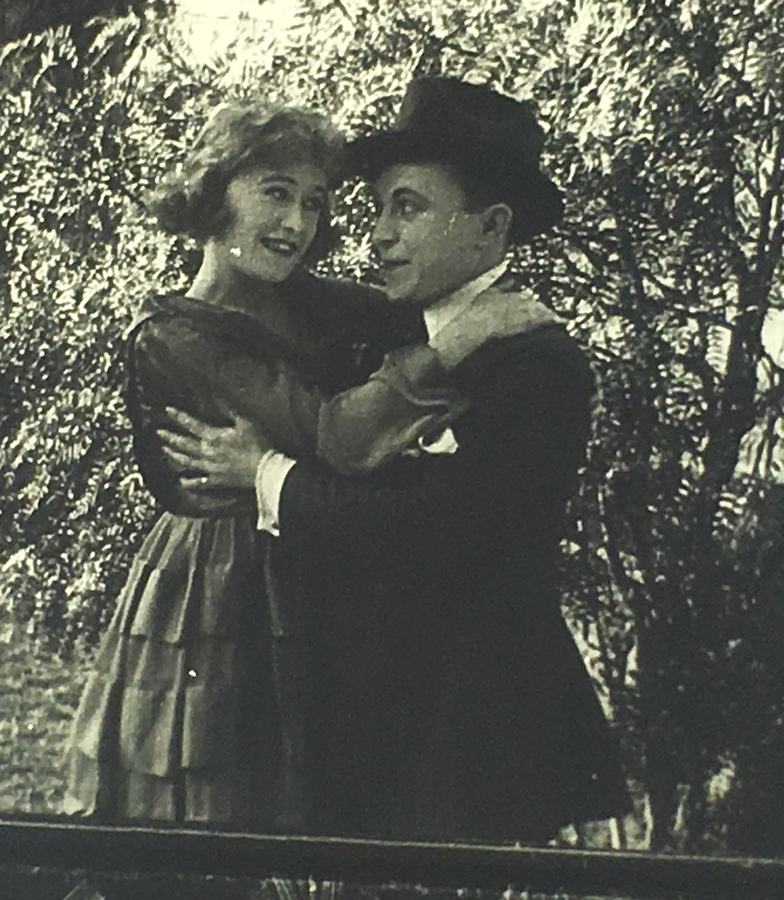
In the nascent days of cinematic storytelling, when narratives relied on the expressive power of gesture, the evocative flicker of the screen, and the judicious use of intertitles, a remarkable short film emerged, bearing the intriguing title, The Wig-Wag System. This seemingly simple tale, a romantic comedy of errors and clever stratagems, offers a surprisingly rich tapestry for contemporary audiences willing to peer beyond its antique veneer. It’s a testament to the enduring power of human ingenuity and the timeless appeal of love conquering all, even when pitted against the formidable forces of maternal ambition and social climbing. The film, starring the engaging Elinor Field as the resourceful Bettie and Harry Depp as her earnest sweetheart, Jimmie, crafts a narrative that, despite its brevity, resonates with themes still pertinent today.
At its heart, The Wig-Wag System is a celebration of wit and defiance. Bettie, a young woman caught between her affections and her mother's grand designs, embodies a quiet strength that belies the societal expectations of her era. Her mother, a character driven by an almost palpable yearning for upward mobility, has meticulously orchestrated a match with an Italian lieutenant, a man she believes to be a nobleman of considerable standing. This perceived aristocratic connection is, for the mother, a golden ticket to a higher social echelon, a dream she projects onto her daughter with unyielding determination. Yet, Bettie’s heart remains steadfastly pledged to Jimmie, a man who, though perhaps lacking the gilded trappings of nobility, possesses the far more valuable currency of genuine love and integrity.
The titular 'wig-wag system' itself is a brilliant narrative device, a testament to the creative solutions born from necessity. In an age devoid of instant messaging or discreet phone calls, Bettie's reliance on a visual code – a series of signals, likely executed with a handkerchief, fan, or even subtle body language – speaks volumes about the constraints placed upon women and lovers in the early 20th century. This silent dialogue becomes a powerful symbol of resistance, a secret language of the heart that bypasses the overt surveillance of parental authority. It’s a delicate dance of signals, each movement fraught with meaning, each gesture a whispered promise or a crucial piece of intelligence. The beauty of this system lies in its simplicity and its efficacy, demonstrating how resourcefulness can overcome formidable obstacles, transforming the mundane into the miraculous.
Elinor Field's portrayal of Bettie is nuanced, conveying a blend of youthful innocence and steely resolve. Her expressive eyes and subtle facial movements, crucial for silent cinema, communicate her internal struggle and her unwavering commitment to Jimmie. She is not a passive damsel awaiting rescue but an active participant in her own fate, a refreshing deviation from some of the more conventional female archetypes of the period. Her agency, channeled through the wig-wag system, makes her a compelling figure, a proto-feminist icon in miniature, silently asserting her right to choose her own destiny.
Harry Depp, as Jimmie, embodies the earnest, honorable suitor. His character arc is one of determination, spurred on by Bettie's signals. He represents the common man, perhaps lacking the superficial allure of the 'nobleman,' but possessing an intrinsic goodness that ultimately triumphs. The contrast between Jimmie and the Italian lieutenant is stark and deliberate. The lieutenant, a figure of borrowed grandeur and false pretenses, serves as the perfect antagonist, embodying the hollow promises of superficial status. His ultimate unmasking is not merely a plot point but a moral victory, reinforcing the film's underlying message that character and true affection far outweigh titles and inherited wealth.
The mother, though nameless, is a pivotal force, a representation of societal pressures and the sometimes-blinding pursuit of perceived prestige. Her ambition, while perhaps well-intentioned from her perspective, threatens to derail her daughter's happiness. Her character provides the primary dramatic tension, setting the stage for Bettie's clever rebellion. The film, in its quiet way, offers a subtle critique of such class-driven machinations, suggesting that true happiness lies not in social elevation but in authentic connection.
As a product of its time, The Wig-Wag System offers a fascinating glimpse into early filmmaking techniques. The cinematography, though perhaps rudimentary by modern standards, effectively conveys the narrative through clear compositions and the expressive performances of its cast. The pacing, characteristic of short films from this era, is brisk, moving the plot forward with efficiency. Intertitles, though not explicitly detailed in the plot summary, would have played a crucial role in clarifying dialogue and advancing the story, bridging the visual gaps with narrative exposition. The film's charm lies in its directness, its unpretentious approach to a universal theme, and its ability to evoke emotion without the crutch of spoken words.
Comparing The Wig-Wag System to other films of its period sheds light on its unique qualities and its place within the evolving cinematic landscape. For instance, while A Damsel in Distress also features a romantic pursuit and perhaps a degree of comedic entanglement, The Wig-Wag System distinguishes itself through its focus on the heroine's active role in her own 'rescue,' rather than merely being the object of it. Similarly, films like The Caprices of Kitty might explore female agency through more whimsical or rebellious actions, but Bettie's method is one of calculated, strategic communication, a quiet rebellion rather than overt defiance. The subtle power dynamics at play here are less about grand gestures and more about subversive intelligence.
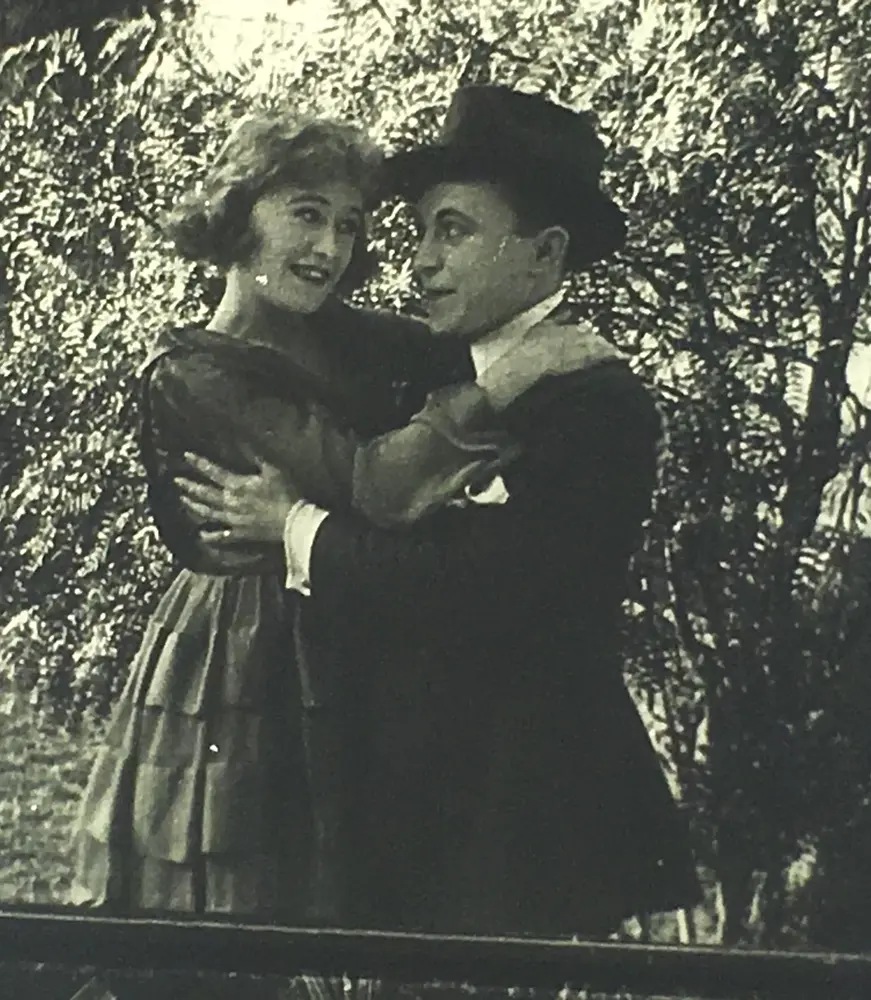
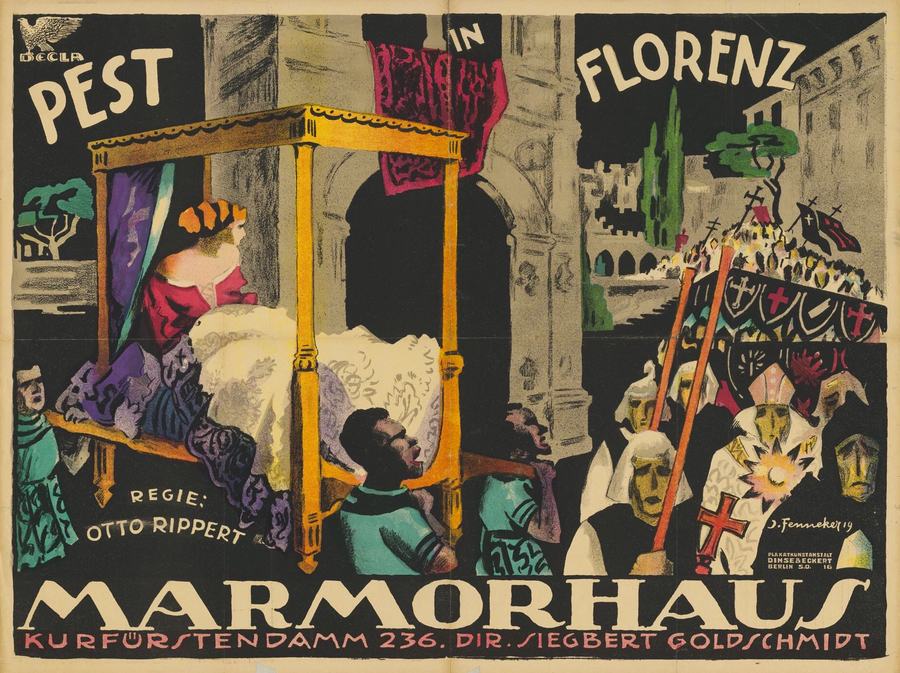
The thematic thread of hidden identities and strategic maneuvering can also be seen in films like The Woman on the Index, though The Wig-Wag System applies this to a more intimate, romantic context rather than a broader mystery. The mother's misguided ambition, aiming for a union with a perceived nobleman, reflects a societal preoccupation with status, a theme that might be subtly critiqued or explored in other contemporary works. For instance, while Europäisches Sklavenleben likely delves into much darker forms of social bondage, Bettie's situation, though less severe, still touches upon the idea of being constrained by familial and societal expectations.
The narrative's focus on a romantic triumph against odds finds echoes in many early films. While Love Insurance might explore more transactional or calculated aspects of relationships, The Wig-Wag System firmly grounds its romance in genuine affection. The ingenuity of Bettie's system also draws parallels with the cleverness often required for protagonists in more action-oriented or mystery serials of the time, such as The Million Dollar Mystery or The Gray Ghost, where coded messages or secret communications are often central to advancing the plot or escaping peril. Here, the peril is social, not physical, but the solution relies on similar intellectual dexterity.
What lends The Wig-Wag System its enduring charm is its timeless exploration of universal themes. The struggle between true love and arranged marriages, the allure of social status versus authentic connection, and the power of individual agency against external pressures are all beautifully encapsulated within its concise runtime. It’s a gentle reminder that even in the most restrictive environments, the human spirit finds ways to communicate, to connect, and to assert its desires. The triumph of Jimmie, secured through Bettie's cleverness, isn't just a happy ending; it's a validation of genuine emotion over superficiality.
The film also offers a fascinating contrast to more dramatic or morally complex narratives of its time. While films like Satan on Earth or Aziade might delve into darker aspects of human nature or more exotic locales, The Wig-Wag System remains firmly rooted in a domestic, relatable conflict, making its message of hope and resilience all the more accessible. Its narrative simplicity allows its core themes to shine without being overshadowed by elaborate spectacle or profound moral quandaries. The quiet heroism of Bettie, much like the resolute spirit seen in Joan of Plattsburg, albeit in a different context, demonstrates the capacity for ordinary individuals to achieve extraordinary outcomes through courage and wit.
Even films centered around familial dynamics, such as His Mother's Boy, highlight the profound influence of parents on their children's lives. In The Wig-Wag System, this influence becomes the very obstacle to be overcome, showcasing a different facet of the parent-child relationship. The pursuit of 'equality' or a just outcome, as perhaps explored in Egyenlöség, is here distilled into a personal victory against social stratification. The sheer determination and resilience exhibited by Bettie and Jimmie, akin to the steadfastness implied by With Hoops of Steel, underscores the strength required to navigate the complexities of social expectations and personal desires.
The film's exploration of deception, albeit a romantic one, also finds a counterpart in more serious dramas of the era. While Die Augen der Schwester might deal with secrets and revelations within a family context, the revelation of the Italian lieutenant's true status in The Wig-Wag System serves a similar purpose of unveiling truth, though with a lighthearted comedic resolution. The spirit of overcoming adversity, a 'bogatyr dukha' or 'heroic spirit,' is subtly present in Bettie's cleverness and Jimmie's perseverance, even if the scale is domestic rather than epic.
The Wig-Wag System, despite its age and brevity, is far more than a mere historical curiosity. It is a charming, intelligent piece of early cinema that reminds us of the enduring power of simple, well-told stories. It celebrates the resourcefulness of individuals, the triumph of genuine affection over superficial ambition, and the timeless human desire for autonomy in matters of the heart. For aficionados of silent film and anyone interested in the evolution of cinematic narrative, this film offers a delightful and insightful journey back to a foundational moment in film history, proving that even without a spoken word, a well-placed signal can communicate volumes and change destinies.
It stands as a testament to the idea that compelling drama and heartfelt romance don't require immense budgets or elaborate special effects, but rather a keen understanding of human nature and a clever twist of fate. The film, in its quiet, confident execution, continues to wig-wag its message across the decades: that love, when truly felt and cleverly fought for, will always find a way to signal its victory.
IMDb 4.9
1907
Community
Log in to comment.