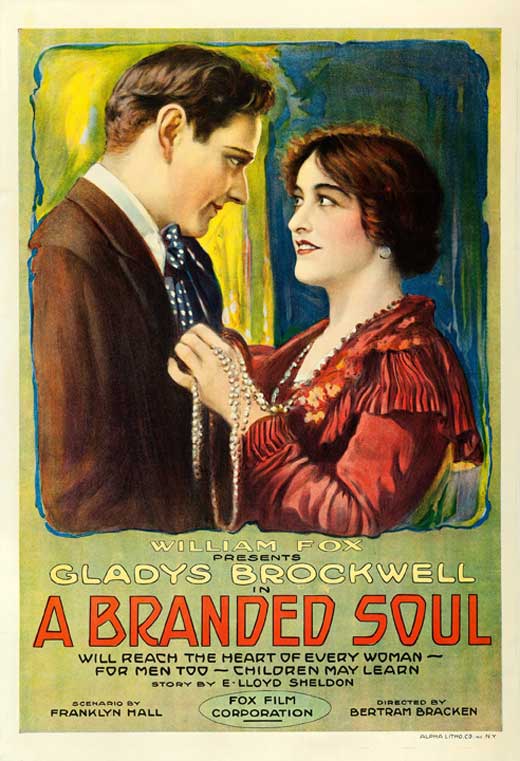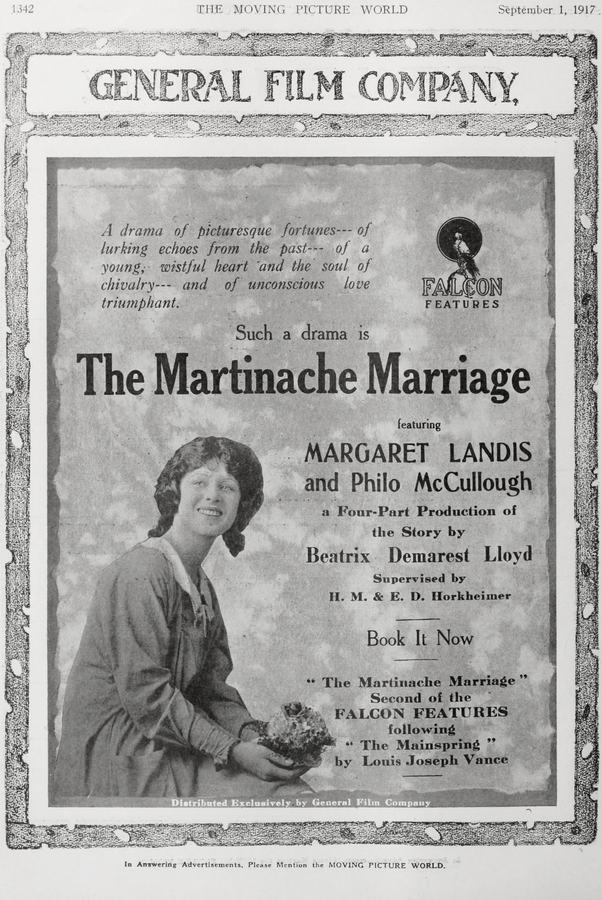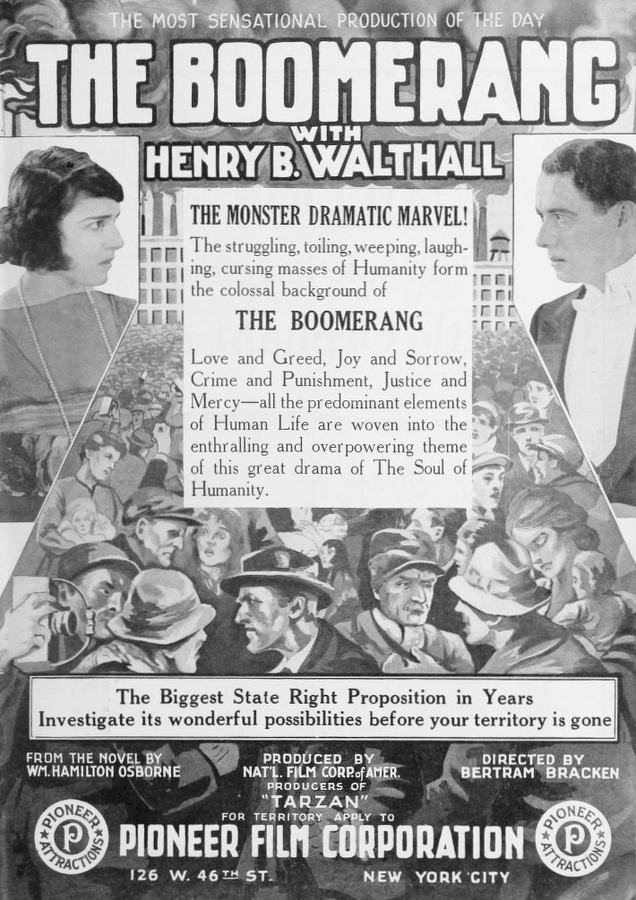
Millionaire meat packer Peter Cameron, greedy for more money and power, maneuvers an alliance between his daughter Rose and George Gray, the son of Cameron's business rival Max Gray, in order to increase his control of the food industry. George, a lawyer, opposes the trust, and as a result is professionally ruined by Cameron, disinherited by his father, and jilted by his fiancée.
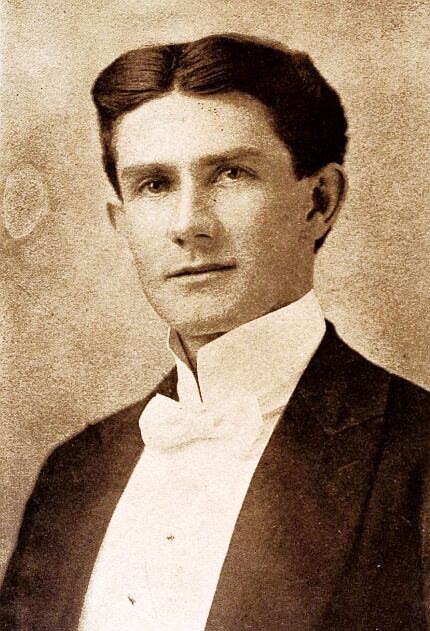
William Hamilton Osborne, Franklyn Hall
United States
The Industrial Jungle: Where Trusts Reign and Morality Bleeds Beneath the soot-stained skies of American industry, The Boomerang constructs a brutal ecosystem where human lives are mere ledger entries for titans like Peter Cameron. Director William Hamilton Osborne, adapting Franklyn Hall's narrative, doesn't merely...
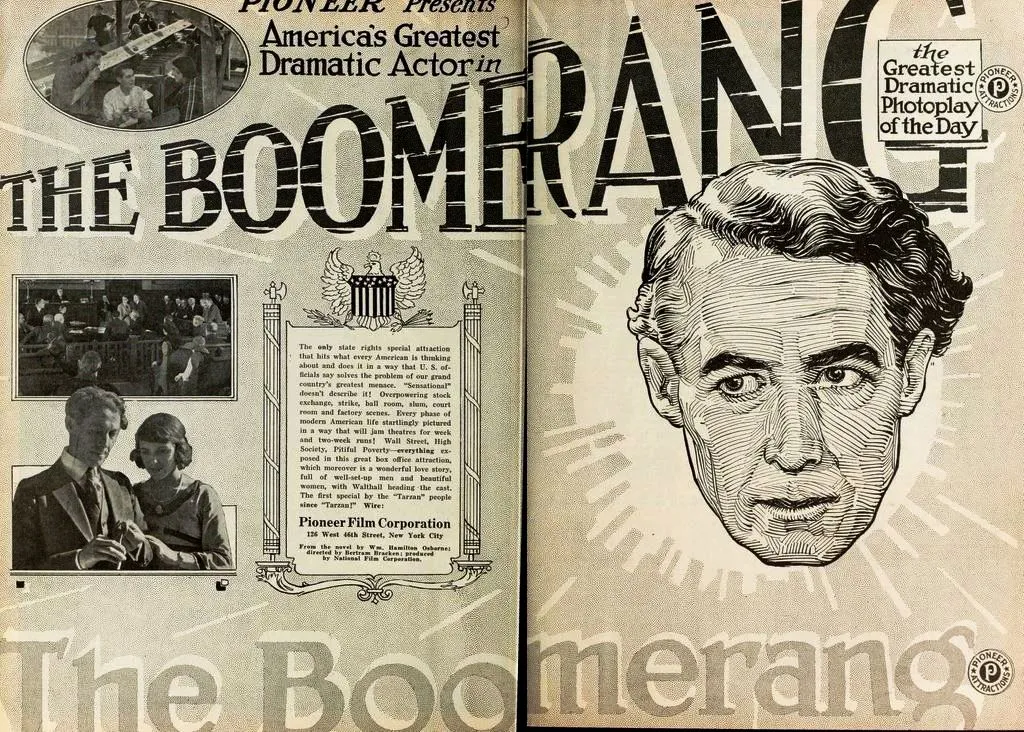
production_art
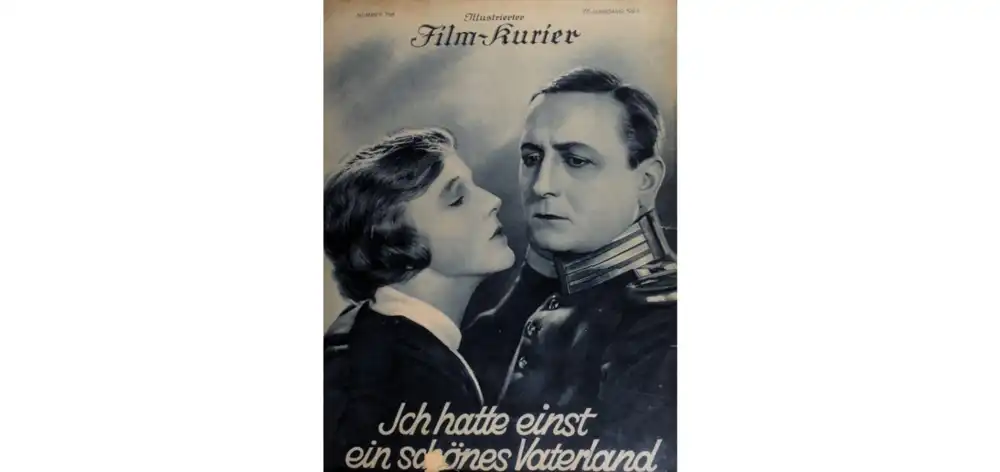
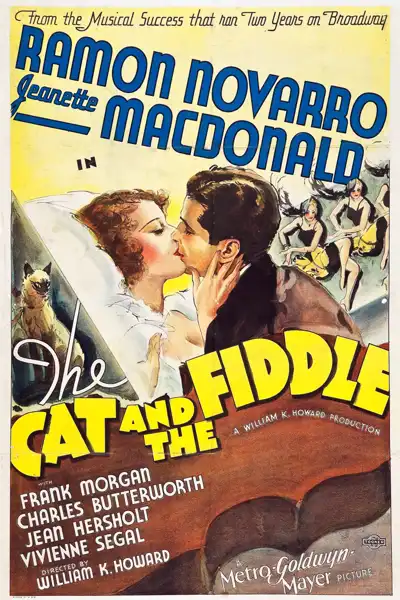
Comparing the cinematic DNA and archive impact of two defining moments in cult history.
Bertram Bracken
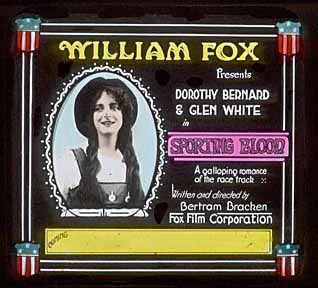
Bertram Bracken
Community
Log in to comment.
" The Industrial Jungle: Where Trusts Reign and Morality Bleeds Beneath the soot-stained skies of American industry, The Boomerang constructs a brutal ecosystem where human lives are mere ledger entries for titans like Peter Cameron. Director William Hamilton Osborne, adapting Franklyn Hall's narrative, doesn't merely present a story of corporate malfeasance—he dissects the very anatomy of unchecked avarice. Cameron's empire, built on processed meat, becomes a visceral symbol of consumption in ..."
Deep dive into the cult classic
Discover similar cinematic experiences
A Directorial Spotlight on Bertram Bracken