DbcultAccessing Vault...
7/10
Senior Film Conservator
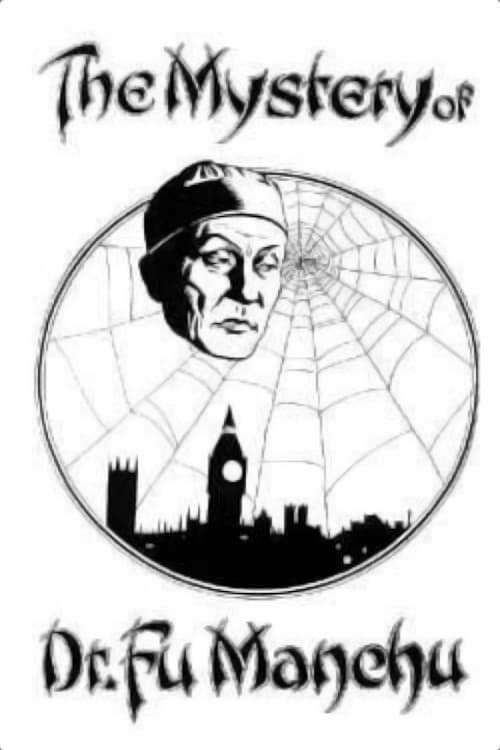
A definitive 7/10 rating for a film that redefined the boundaries of cult cinema. The Mystery of Dr. Fu Manchu remains a cornerstone of transgressive art.
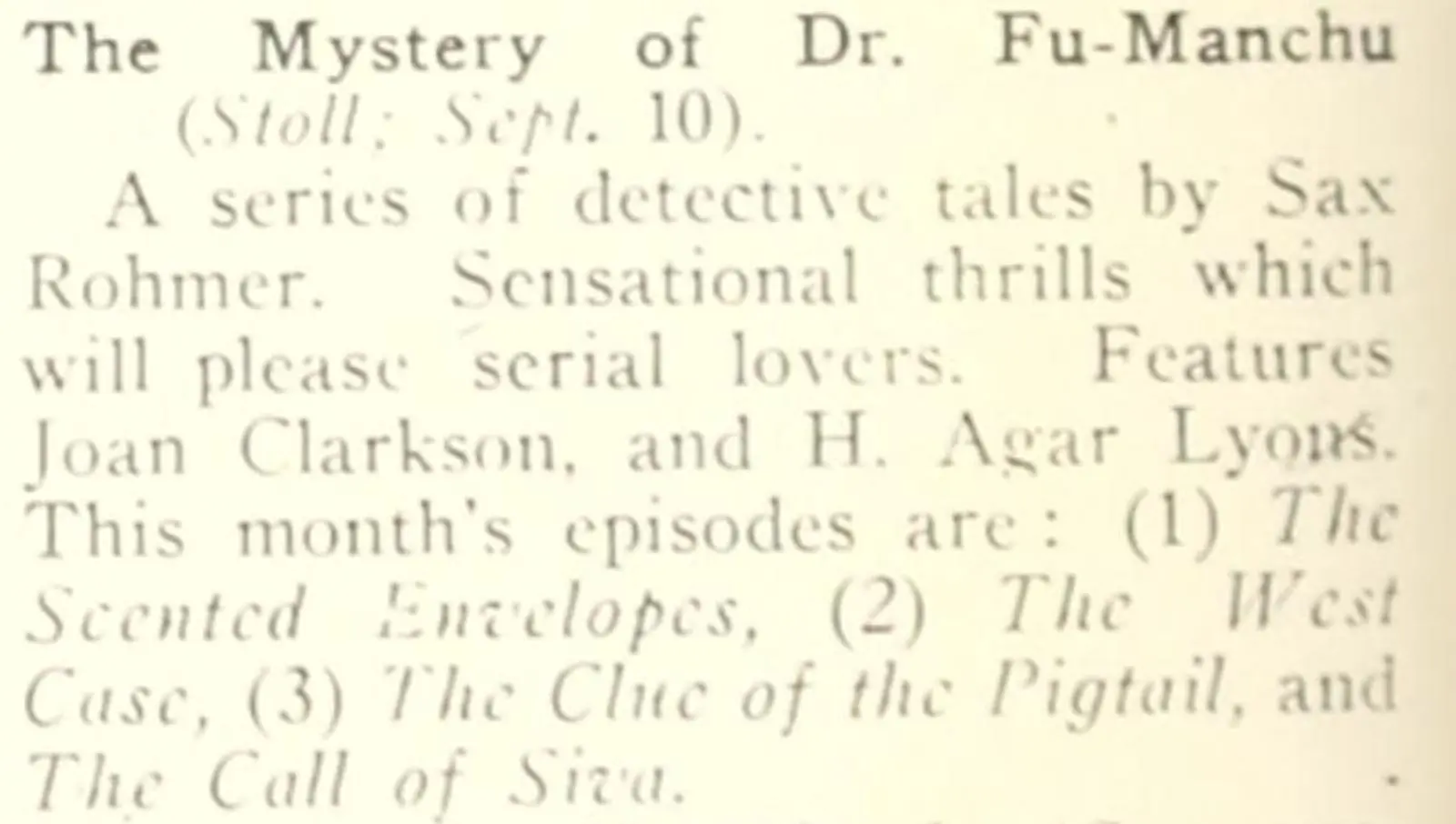
The 1920s ushered in a cinematic fascination with the exotic and the uncanny, and The Mystery of Dr. Fu Manchu stands as a quintessential artifact of that era. From the opening frame, the film immerses the viewer in a chiaroscuro world where shadows whisper of impending doom and the very environment conspires against the protagonists. Humberston Wright, embodying Sir Denis Nayland Smith, exudes a stoic resolve that feels both heroic and weary, a man seasoned by countless skirmishes with the inscrutable Fu Manchu. His counterpart, Dr. Petrie, portrayed by H. Agar Lyons, offers a measured counterbalance—intellectual, methodical, and perpetually on the brink of discovery.
The narrative architecture is a masterclass in serialized suspense. Rather than a linear progression, the film adopts a series of episodic trials, each more grotesque than the last. The first of these trials arrives in the form of a seemingly innocuous cat, its fur glistening under a single, stark lantern. Yet, as the camera lingers on its claws—subtly glinting with a metallic sheen—audiences sense an undercurrent of menace. When the feline strikes, the poison it injects is not merely a physical toxin but a symbolic herald of Fu Manchu's perverse manipulation of nature. The cat’s venom induces a rapid, hallucinatory decay, allowing the film to explore visual motifs of corruption and loss of self.

The subsequent encounter with the colossal, noxious mushrooms showcases the film’s daring practical effects. These fungal behemoths, rendered with a combination of matte-painted backdrops and oversized props, exude spores that drift like ghostly confetti across the screen. The spores, tinted a sickly green, are given a haunting visual language: they curl and coil as if alive, an embodiment of the unseen threats that pervade the narrative. The cinematography—rich in low-angle shots and tight close-ups—magnifies the sense of claustrophobia, compelling viewers to feel the oppressive weight of the mushroom’s toxic aura.
A particularly striking set piece involves a field of aphonia-inducing flowers, their petals a luminous golden hue that belies their lethal purpose. The flowers release a fragrant vapor that, once inhaled, robs victims of their voice, reducing them to mute shells. This device operates on both a literal and metaphorical level: silence becomes a tool of domination, echoing Fu Manchu’s broader ambition to silence dissent across the empire. The film’s sound design—sparse, punctuated by the occasional gasp or whispered prayer—amplifies the horror of a world where speech is stripped away, forcing characters to communicate through gestures and desperate glances.

The screenplay, penned by A.E. Coleby, Sax Rohmer, and Frank Wilson, weaves these set pieces into a coherent tapestry of intrigue. Dialogues are peppered with archaic diction, a deliberate choice that reinforces the period setting while also heightening the sense of an intellectual duel between Smith and Fu Manchu. The villain, though rarely seen in full, is omnipresent through his machinations and the eerie, echoing laughter that reverberates from off-screen. When he finally appears—a silhouette framed against a backdrop of swirling mist—his presence is amplified by a sea‑blue wash of light that contrasts sharply with the surrounding darkness, a visual cue that underscores his otherworldly intellect.
The film’s pacing is deliberate, allowing each peril to unfold with measured tension. This measured tempo is reminiscent of the methodical suspense found in The Stainless Barrier, yet The Mystery of Dr. Fu Manchu distinguishes itself through its overt reliance on botanical horror—a motif scarcely explored in its contemporaries. The thematic resonance of nature turned malevolent aligns the film with later works such as The Witch, though the 1920s production values lend it a distinct, almost theatrical quality.

Performances merit particular attention. Joan Clarkson, in the role of the enigmatic Lady Hilda, provides a nuanced counterpoint to the male leads. Her portrayal balances vulnerability with a fierce determination, especially during the scene where she must navigate a labyrinth of poisonous vines while attempting to decode Fu Manchu’s cryptic riddles. The vines, rendered in a vivid dark orange, writhe like serpents, and Clarkson’s reactions—wide-eyed, breathless—inject a visceral realism that anchors the film’s more fantastical elements.
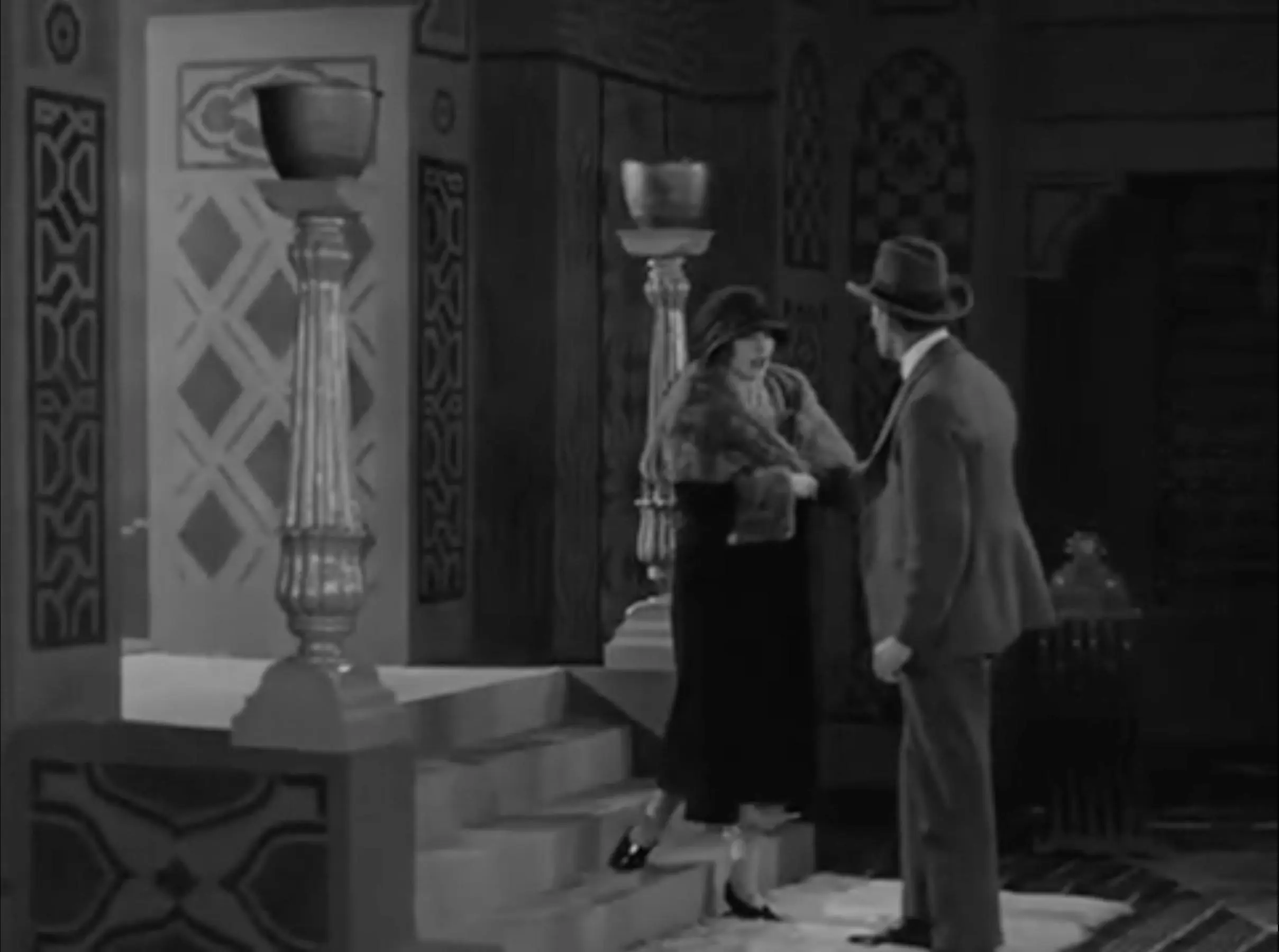
Frank Wilson’s direction exhibits a keen awareness of visual storytelling. He employs chiaroscuro lighting to delineate the moral dichotomy between the protagonists and the antagonist. When Smith and Petrie confront Fu Manchu in the climactic showdown, the set is bathed in a stark interplay of shadows and a single, flickering lantern that casts elongated silhouettes across the cracked stone floor. The lantern’s amber glow, reminiscent of the film’s recurring dark orange palette, creates a sense of impending revelation. The final sequence—where the poison‑tipped cat, now turned against its master—leaps from a crumbling balcony, its claws glinting like tiny daggers—serves as a poetic justice that feels both inevitable and satisfying.
Cinematically, the film’s use of color is both symbolic and functional. The recurring motif of dark orange appears in set pieces that denote danger—be it the flickering lanterns, the luminescent mushroom caps, or the smoldering embers of the final fire. The occasional bursts of yellow highlight moments of revelation, such as the discovery of Fu Manchu’s hidden laboratory, while the subtle infusion of sea blue underscores the cold, calculating intellect of the villain. This triadic color scheme not only enriches the visual palette but also guides the audience’s emotional response, subtly directing attention without overt exposition.
When juxtaposed with other period pieces, The Mystery of Dr. Fu Manchu holds its own. While The Mysterious Client leans heavily on atmospheric tension, and Tomale-O embraces a more kinetic adventure, Fu Manchu’s tale intertwines the supernatural with the geopolitical, offering a layered commentary on colonial anxieties. The film subtly critiques the imperialist mindset by portraying Fu Manchu not merely as a villain but as a mastermind exploiting the very tools of the empire—science, botany, and animal training—to undermine it from within.
The screenplay’s dialogue, though occasionally stilted by contemporary standards, remains effective in conveying the intellectual cat-and-mouse game. Notable lines—such as Smith’s declaration, “When the world is silenced, the truth must roar louder,” delivered with a gravitas that resonates beyond the frame—highlight the film’s thematic preoccupation with voice, power, and resistance. This thematic thread weaves through the narrative, culminating in the climactic silence that Fu Manchu attempts to impose, only to be shattered by the cat’s final, fatal strike.
Technical aspects deserve commendation as well. The film’s editing, overseen by Frank Wilson, maintains a rhythm that balances exposition with action. Cross‑cuts between the protagonists’ frantic search for antidotes and the villain’s meticulous preparation create a palpable tension, a technique later refined in classic thrillers of the 1930s. The practical effects—particularly the use of miniature models for the mushroom forest and the intricate puppetry for the poisonous cat—exemplify the ingenuity of early cinema, where imagination compensated for limited resources.
Sound, though limited by the era’s technology, is employed with deliberate precision. The occasional hiss of spores, the soft rustle of leaves, and the distant echo of a cat’s purr are amplified to heighten immersion. The film’s score, a sparse arrangement of string motifs, underscores moments of dread without overwhelming the visual narrative. This restraint mirrors the film’s overall aesthetic: a careful balance between spectacle and subtlety.
In terms of legacy, The Mystery of Dr. Fu Manchu occupies a niche yet influential position within the adventure‑thriller canon. Its daring blend of botanical horror and espionage prefigures later works such as Witch's Lure and even contemporary entries like Welcome Little Stranger, which echo its thematic concerns about silence and control. Moreover, the film’s depiction of a villain who weaponizes nature anticipates modern eco‑thrillers, positioning Fu Manchu as an early archetype of the eco‑terrorist antagonist.
The performances, direction, and technical craftsmanship coalesce to produce a film that, despite its age, remains compelling. Its narrative ambition—melding exoticism with a critique of imperial hubris—offers a richness that rewards repeat viewings. While some may find the pacing slower compared to modern thrillers, the deliberate unfolding of each perilous set piece invites a meditative appreciation of suspense. The film’s ability to sustain tension without reliance on rapid cuts or flashy special effects underscores the potency of well‑crafted storytelling.
Ultimately, The Mystery of Dr. Fu Manchu is a testament to the creative audacity of early 20th‑century cinema. It challenges viewers to confront a world where the natural and the supernatural intertwine, where silence becomes a weapon, and where a single cat can tip the scales of destiny. For scholars of film history, aficionados of period thrillers, and anyone intrigued by the intersection of horror and adventure, this work offers a richly textured experience that endures beyond its black‑and‑white frames.
IMDb —
1921
Community
Log in to comment.