DbcultAccessing Vault...
Cult Review
Senior Film Conservator
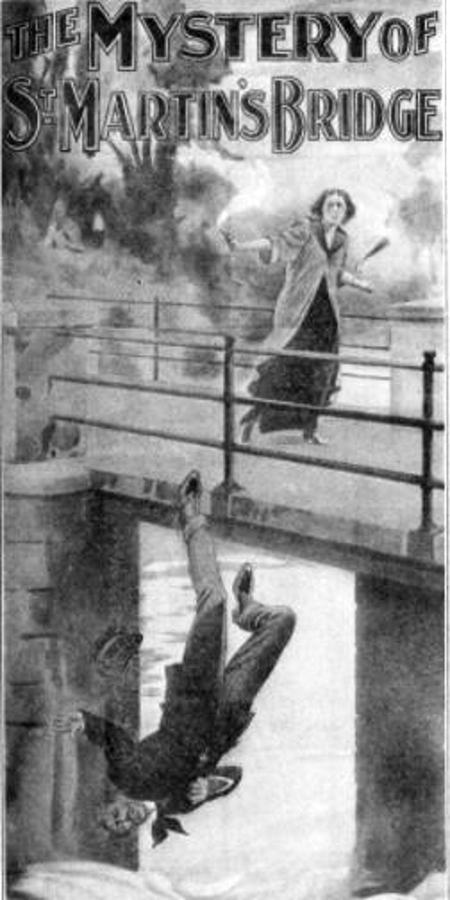
Moonlit scars and rose-thorn vendettas
Long before neon-noir soaked celluloid in gasoline, The Mystery of St Martin’s Bridge fused fin-de-siècle melodrama with proto-feminine fury, delivering a silent gauntlet that still stings the retina. Shot on the precipice of 1912, when Europe balanced on the lip of war, this Italian one-reeler distills betrayal into gun-smoke and lace, then hurls it off a stone bridge like a spurned offering to an unfeeling river god.
There is no prologue—only the sudden gasp of alpine air, petals drifting like tiny crimson parachutes, and Cora’s arms weaving serpentine prophecies that no man heeds.
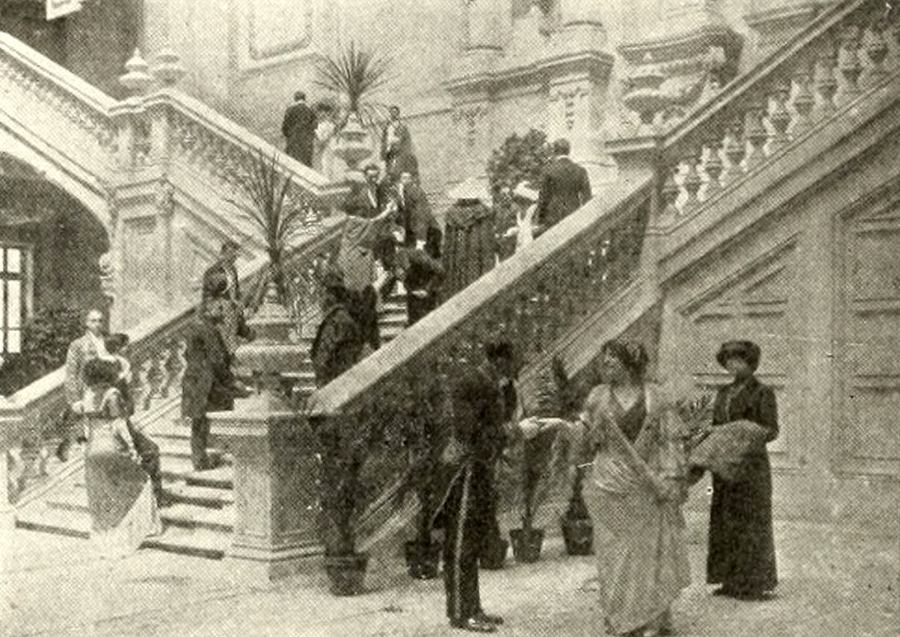
Roberto Roberti (father of future giallo maestro Sergio Leone’s muse) directs with flick-knife economy: every iris-in feels like a pupil dilating on carnage; every tint—cyan night, amber ballroom, crimson fire—spills mood straight into the bloodstream. Bice Valerian embodies Cora as half dryad, half avenging fury; her dance is not folklish ornament but pagan litigation, hips pleading to a jury of owls.
Lord Martagne’s seduction is staged like a magic-lantern heist: velvet doublet slashed with moon, gloved fingers pilfering Cora’s trust. Once the conquest cools, he slithers toward Irma’s dowry, sealing his doom with a single sheet of parchment. The letter—five grand requested on a bridge whose very name chimes like a funeral bell—becomes the film’s pièce fatale, drifting from desk to wronged hands like a moth with singed wings.
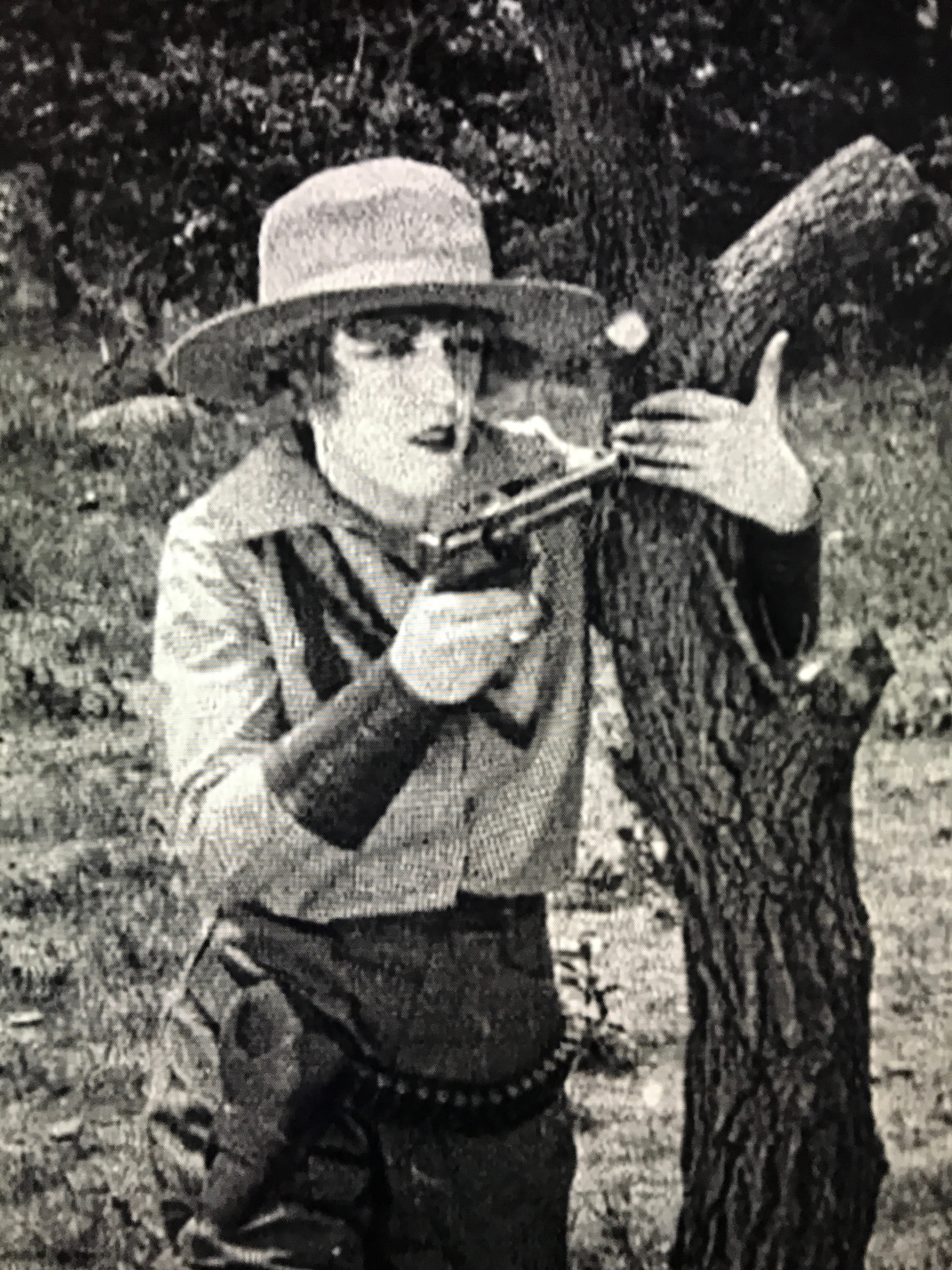
When Cora confronts Martagne, the camera tilts upward, entombing both lovers in a gargantuan stone arch. Their pistols glint like paired exclamation marks on a death sentence. The actual discharge is never shown; instead, Roberti cuts to rippling water swallowing a silhouette—an ellipsis more chilling than viscera. Try finding a Hollywood shoot-out today that trusts negative space over bullet-time pyrotechnics.
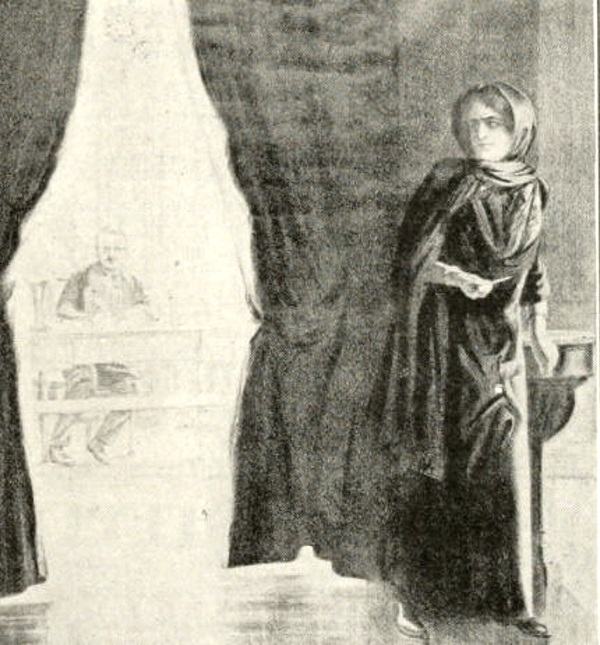
Irma’s psychological implosion forecasts The Mystery of the Rocks of Kador (1913), swapping hypnotists for sheer patriarchal dread. Antonietta Calderari plays the heiress as porcelain cracking under patriarchal hammer: eyes widening to saucers, breaths fogging the fourth wall. In contrast, Cora’s pyre-dance—half Salome, half fire-eater—renders her both victim and agent, a duality you’d sooner expect from La Salome than a mountain belle.
Each citation proves that Italian silents weren’t provincial pastorals—they were laboratories where future grammar of suspense, horror, and psychosexual thriller bubbled in nitrate cauldrons.
Recent 2K rescans from Cineteca di Bologna reveal textures once smothered by mildew: the rose petals now drip dew; gun-smoke blossoms into the frame like ectoplasm. The hand-stenciled amber of ballroom chandeliers pops against aquamarine shadows, reminding us that pre-Technicolor artisans wielded chromatic emotion with anarchic glee.
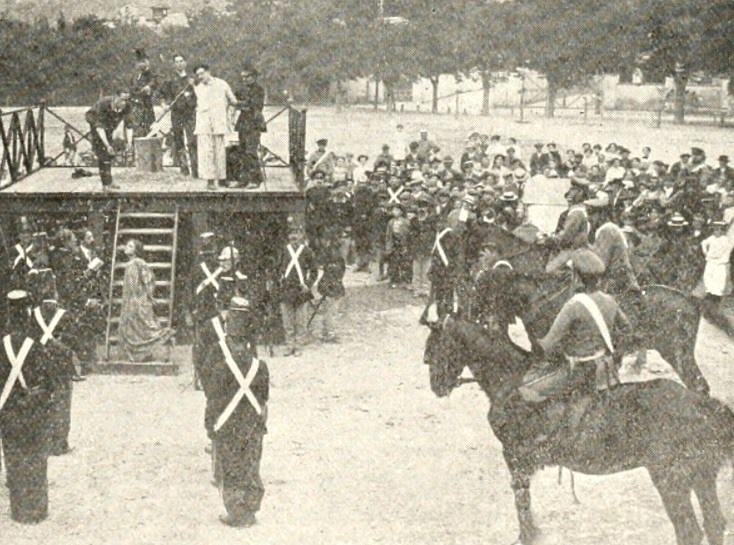
Valerian’s final bedside confession—eyes hollowed by kohl, voice implied through frenetic intertitles—rivals Ingeborg Holm’s celebrated breakdown for raw sincerity. Frederico Elvezi’s Martagne, meanwhile, channels the same lupine ennui Conrad Veidt would patent in The Student of Prague: a man bored by virtue, electrified only by jeopardy.
Under the scorching love triangle lies a treatise on liquidity: Martagne’s purse leaks aristocratic privilege; Irma’s inheritance converts grief into negotiable currency; Cora’s body is the specie by which both genders transact power. The five-thousand-dollar request reads like an invoice for masculine honor, yet the film refuses to moralize. Instead, it lets capital ricochet until someone—everyone—bleeds.
Released months before Quo Vadis inflated Italian cinema to imperial spectacle, St Martin’s Bridge is lean, intimate, proto-noir. Where The Independence of Romania trumpets nationhood, this film whispers that personal empires—hearts—fall faster than borders. Its cynicism even outflanks The Cheat, another 1912 gut-punch about transactional lust.
Swap the pistols for social-media shaming, the dowry for follower counts, and St Martin’s Bridge could drop tomorrow on any prestige streamer. Its concerns—gaslighting, victim-blaming, the way society punishes female rage while rewarding male rapacity—remain depressingly au courant. The only anachronism is the confession race: today it would be livestreamed, not automobile-delivered.
More poem than pièce, this forgotten bridge of nitrate still arches across a century of audience apathy, daring us to tread its perilous span. Accept the dare: you’ll emerge scorched, shivering, yet weirdly grateful that silent cinema could be this dangerously alive.
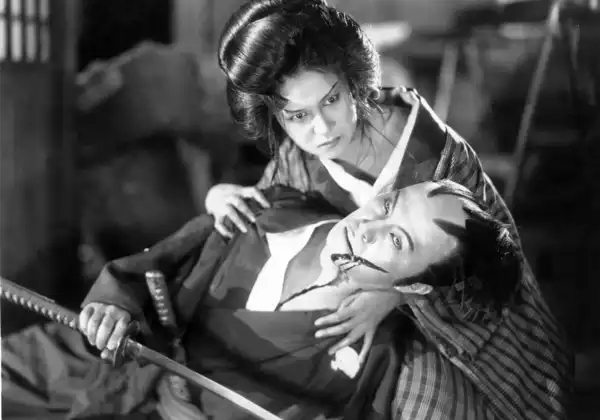
© 2024 Nitrate Shadows. All screencaps courtesy of Cineteca di Bologna / Lab ’80.
IMDb —
1921
Community
Log in to comment.