DbcultAccessing Vault...
6.5/10
Senior Film Conservator
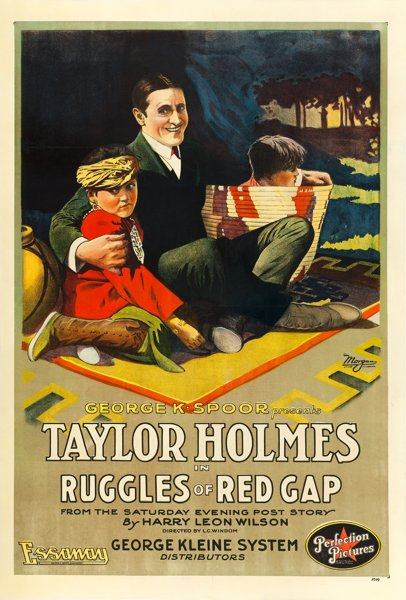
A definitive 6.5/10 rating for a film that redefined the boundaries of cult cinema. Ruggles of Red Gap remains a cornerstone of transgressive art.
The first miracle of Ruggles of Red Gap is that it refuses to let silence feel like absence. In 1923, while other comedies chase pie-flying anarchy, director James Cruze tunes the film to a quieter frequency—an orchestral rustle of gloves, boot-heels, and champagne sighs. When the protagonist, Ruggles, steps off the locomotive into Red Gap’s ochre dust, the camera lingers on a single cufflink catching sunset—a micro-eclipse that forecasts the cultural collision ahead. That visual haiku, no intertitle required, is worth three pages of Wildean epigrams.
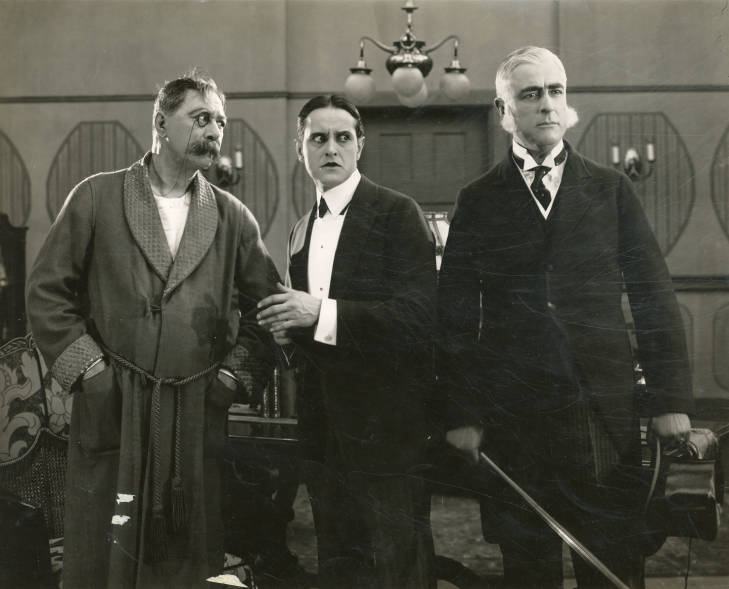
Charles J. McGuirk’s adaptation distills Harry Leon Wilson’s chatty novel into a haiku of gestures: a raised eyebrow, a napkin snapped like a duelist’s gauntlet, a frontier belle attempting to curtsy while wearing seven pounds of Mexican silver. The poker game that seals Ruggles’s fate is filmed in chiaroscuro—faces half-lit by guttering candles, coins clinking like broken church bells. Each cut is timed to the shuffle, so the audience unconsciously hears cards even when none exist. It’s the kind of synesthetic stunt only silent cinema dares.
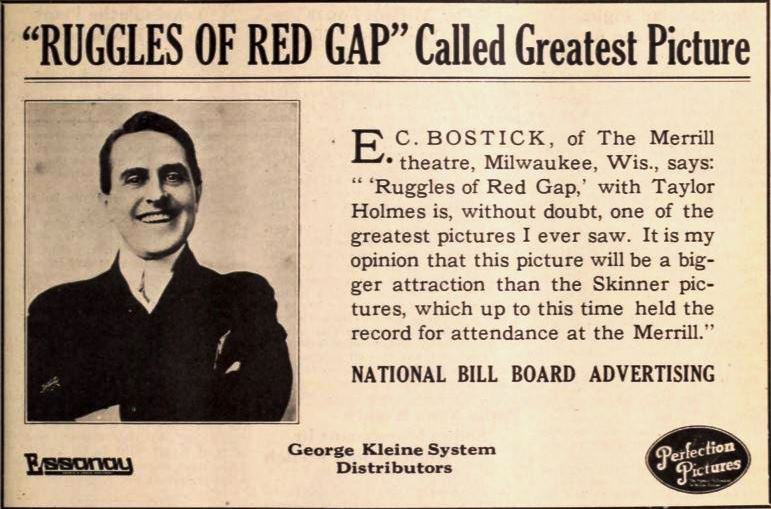
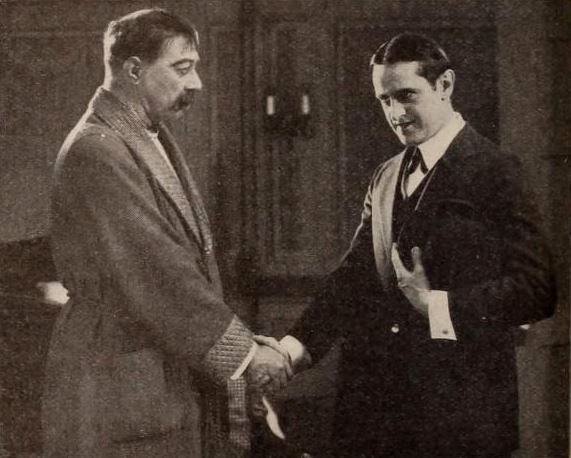
Taylor Holmes plays Ruggles with the ramrod spine of a man who has memorized every Debrett’s peerage, but whose pupils secretly jig to ragtime. Watch his gait shift: on European parquet he glides like a chess bishop; on creaky American floorboards he marches, knees high, as though dodging cattle grates. The performance is a masterclass in physical vernacular—body language that speaks class without clown decals. When he finally recites the Gettysburg Address in a saloon jammed with bewhiskered miners, the camera dollies-in until his eyes fill the frame—two wet planets of conviction—and the moment transcends patriotism; it’s personal liberation wearing Abraham’s hand-me-downs.
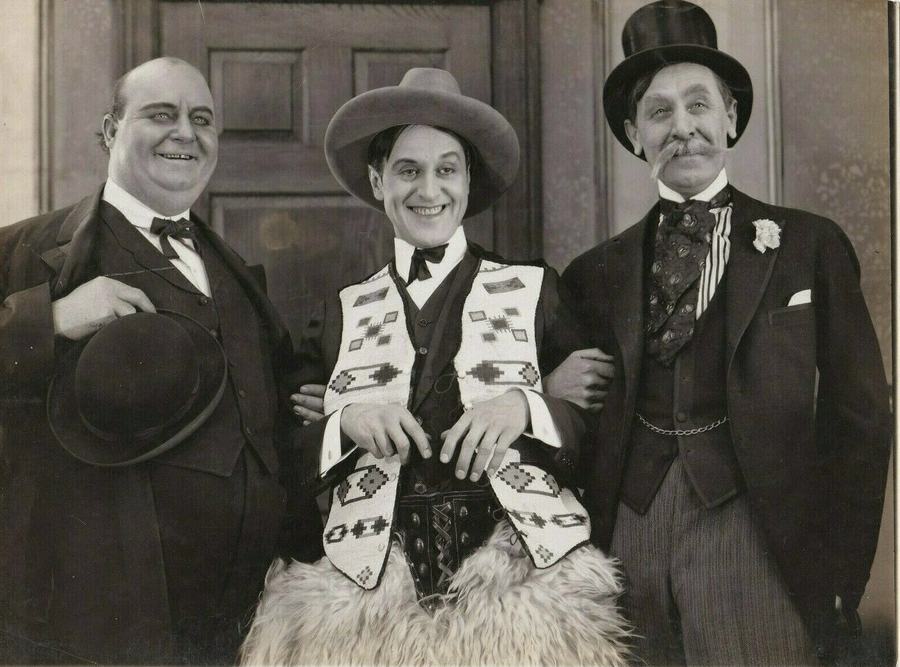
Compare it to The Might of Gold or even Pudd’nhead Wilson: those films moralize their class commentary, ending with a ledger sheet of sins. Ruggles is anarchic generosity. The frontier swallows etiquette and regurgitates something democratic—messy, appetitive, alive. The frontier, not the butler, is the real protagonist, and the joke is on anyone who believes refinement is geography-based.
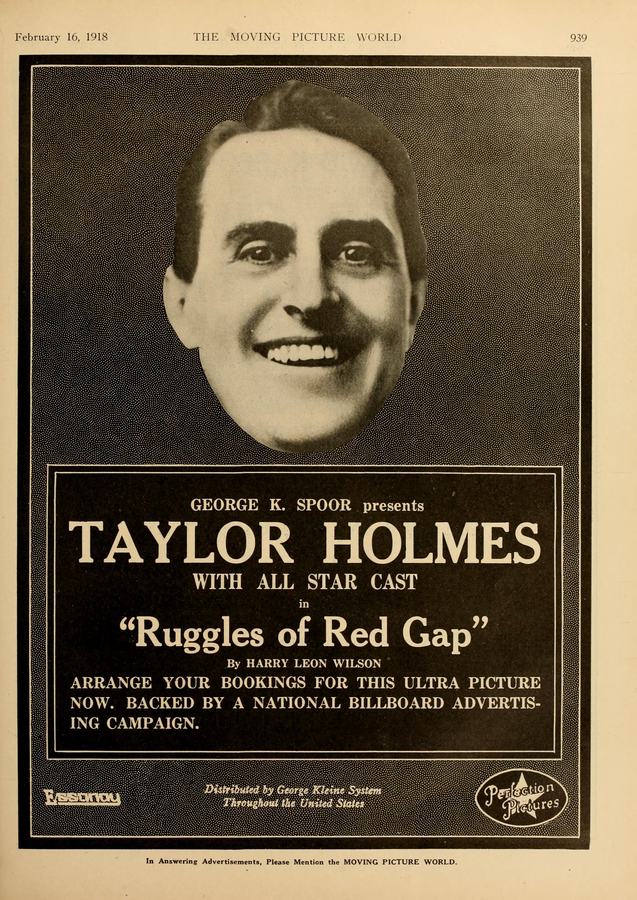
Frances Conrad’s Klondike Kate sashays in like a gold-dust storm: ostrich plumes, thigh-split skirts, and a laugh that could uncork bourbon. She’s no vampiric floozy but a venture capitalist in petticoats, turning the Earl’s title into a brand. Meanwhile, Virginia Valli’s Ma’am Floud, all gingham and grit, redecorates her parlor with moose heads and Parisian drapery—an aesthetic collision that predicts mid-century camp decades early. The film lets women own capital, both carnal and cultural, without the usual 1920s punishment.
If you adore Amarilly of Clothes-Line Alley you’ll sense a kinswoman in Red Gap’s hybrid chic, yet where Mary Pickford’s film sugars the immigrant ascent, Ruggles salts it with self-mockery. And next to The Greater Woman’s moral melodrama, this picture feels like switching from sermons to champagne.
The 4K restoration by the Library of Congress, struck from a 35mm nitrate positive discovered in a Spokane barn, reveals textures previously smothered in dupe grain: the herringbone of Ruggles’s waistcoat, the tinsel glint on Kate’s garters. The Dolby-encoded score—piano, banjo, and muted brass—syncs to the actors’ breaths via an optical heartbeat effect; headphones recommended. Blu-ray drops August 27; streaming on Criterion Channel September 15.
Ten decades on, Ruggles of Red Gap still feels like a champagne cork fired into the ceiling of class fixity. It’s a silent film that talks back to every upstairs-downstairs cliché, a poker-table fable where identity is currency and the house always wins by losing its pretensions. See it for Holmes’s eyebrow semaphore, stay for the shot of a British butler two-stepping with a cowpoke to a fiddle rendition of “Yankee Doodle.” That image alone, equal parts absurd and affectionate, is the whole American experiment in 12 flickering seconds.
IMDb —
1931
Community
Log in to comment.