DbcultAccessing Vault...
6.9/10
Senior Film Conservator
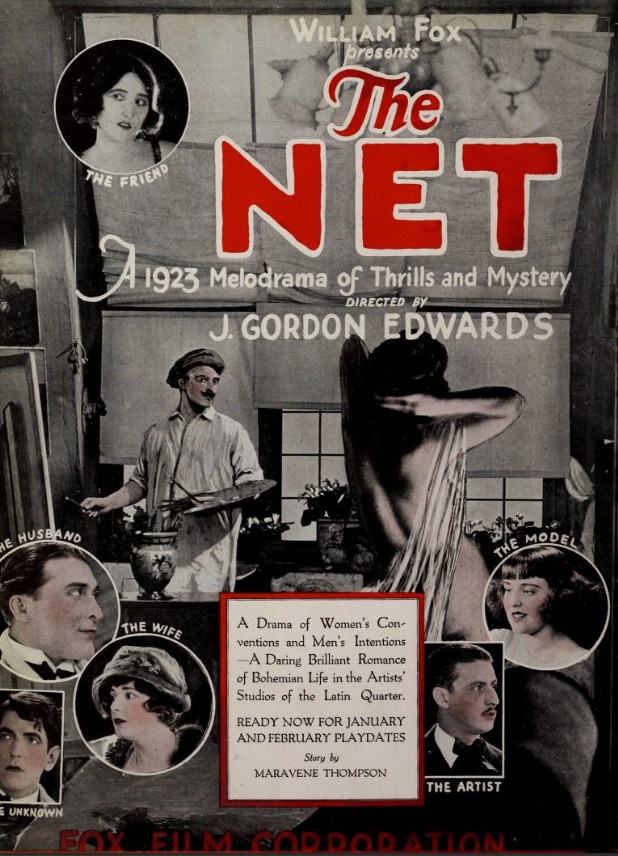
A definitive 6.9/10 rating for a film that redefined the boundaries of cult cinema. The Net remains a cornerstone of transgressive art.
When the silver screen of the early 1920s flickered with the stark chiaroscuro of human frailty, The Net emerged as a tapestry woven from the threads of desperation, mistaken identity, and maternal sacrifice. Directed by an unnamed hand yet buoyed by a cast that includes Alan Roscoe, Helen Tracy, and the luminous Barbara Castleton, the film invites viewers into a world where the ordinary collides with the extraordinary, and where the boundaries between guilt and innocence blur like oil on water.
\nAllayne Norman, portrayed with restrained poise by Castleton, inhabits a modest household that teeters on the brink of respectable middle‑class stability. Her husband Bruce (Alan Roscoe), a man whose proclivities for gambling and alcohol are as relentless as the ticking metronome of fate, serves as the catalyst for the film’s inciting incident. The tension reaches a crescendo during a heated altercation with Allayne’s cousin—a bohemian artist whose free‑spirited temperament starkly contrasts with Bruce’s volatile disposition. In a moment that feels both inevitable and shocking, Bruce’s hand becomes the instrument of murder, silencing the artist’s brushstroke forever.
\nFleeing the scene, Bruce’s desperation drives him into a macabre masquerade: he exchanges identities with an itinerant stranger, a man rendered mute by a total loss of memory. This amnesiac, whose very presence is a living enigma, collapses within the confines of the studio, his unconscious form a blank slate upon which Bruce projects his own culpability. The stranger’s anonymity becomes a potent narrative device, allowing the film to explore the mutable nature of selfhood—a theme that resonates with the era’s fascination with psycho‑social constructs.
\nBruce’s manipulation of Allayne—pressuring her to mislead the police by claiming the amnesiac is her husband—casts a stark light on the ethical fissures that can split a family. Allayne’s decision, motivated by an instinctual drive to protect her son from the stain of scandal, is a study in the paradox of love: the willingness to betray the law for the sake of a child’s future. This moral calculus is rendered with a subtlety that belies the silent medium; the actors convey dread, resolve, and internal conflict through nuanced gestures and lingering glances, allowing the audience to inhabit Allayne’s turmoil without a single spoken word.
\nThe film’s climax arrives as a convergence of fate and revelation. Bruce, the architect of deception, meets an untimely death, a poetic justice that restores balance to the chaotic tableau he created. Simultaneously, the amnesiac awakens, his memories resurfacing like a tide pulling back the sand to reveal hidden shells. The restoration of his identity not only exonerates him but also reconfigures the relational dynamics within the Norman household. In a poignant turn, he and Allayne unite in marriage, suggesting a rebirth from the ashes of betrayal.
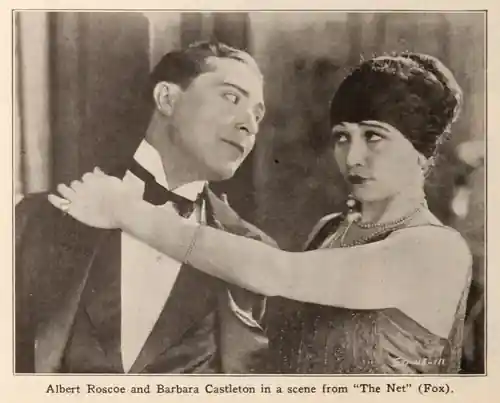
The ensemble’s performances are a masterclass in silent cinema’s expressive potential. Alan Roscoe’s portrayal of Bruce oscillates between charismatic charm and simmering menace; his eyes, often narrowed in a predatory gleam, convey a man teetering on the edge of self‑destruction. Helen Tracy, as the steadfast matriarch, delivers a performance steeped in gravitas, her measured movements underscoring the weight of familial responsibility. Barbara Castleton’s Allayne is perhaps the film’s emotional nucleus—her delicate balance of vulnerability and resolve is articulated through the slightest tilt of her head, the tremor of her fingertips, and the lingering sorrow that shadows her gaze.
\nSupporting actors such as Alexander Gaden and Claire de Lorez provide texture to the narrative’s peripheral layers. Gaden’s portrayal of the amnesiac stranger is a study in blankness turned revelation; his gradual reacquisition of memory is mirrored in the slow, deliberate widening of his eyes, the uncoiling of his posture, and the eventual confidence that radiates from his demeanor. The film’s cinematography, though constrained by the technical limitations of the era, employs stark lighting contrasts that echo the moral binaries at play—dark shadows envelop Bruce’s scheming, while shafts of light illuminate the amnesiac’s path to truth.
\nAt its core, The Net interrogates the elasticity of identity. The literal swapping of names between Bruce and the amnesiac serves as a metaphor for the broader societal tendency to assign labels without understanding the underlying essence of a person. This motif aligns with contemporary works such as The Torch Bearer, which also grapples with the consequences of mistaken identity, albeit within a different narrative framework.
\nDeception, as wielded by Bruce, is not merely a plot device but a commentary on the fragility of truth in a world where appearances can be meticulously crafted. The film’s silent nature amplifies this theme; without dialogue, the audience is forced to rely on visual cues, reinforcing the idea that truth often lies beneath surface impressions.
\nRedemption arcs are delicately threaded throughout the story. The amnesiac’s return to selfhood is a triumph of personal agency over external manipulation, while Allayne’s eventual marriage to him suggests a restorative closure—a reconstitution of familial harmony after the rupture caused by Bruce’s treachery. This resolution mirrors the narrative closure found in Camille, where love and sacrifice culminate in a bittersweet reconciliation.
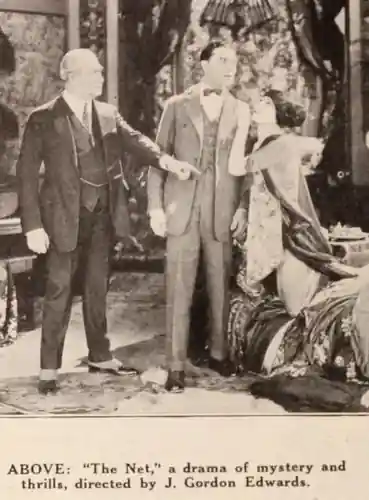
The film’s visual language is punctuated by a deliberate palette that, while constrained to black‑and‑white, exploits tonal gradients to evoke emotional states. Close‑ups of Allayne’s face during moments of moral crisis are framed with soft focus, creating an intimate space that invites the viewer to inhabit her internal conflict. Conversely, scenes depicting Bruce’s scheming are shot with stark, angular compositions, casting his figure in deep silhouette to symbolize his moral darkness.
\nIntertitles are sparingly used, allowing the actors’ physicality to carry the narrative weight. When they do appear, the typography is crisp and unobtrusive, ensuring that the visual flow remains uninterrupted. The editing rhythm follows a measured tempo, granting each emotional beat the necessary breathing room—a technique reminiscent of the pacing in The Profiteers, where narrative tension is sustained through deliberate cuts rather than rapid succession.
\nWhen juxtaposed with contemporaneous works such as Lady Rose's Daughter or The Crucible, The Net distinguishes itself through its unflinching focus on the psychological ramifications of identity theft. While many silent dramas of the period gravitate toward overt melodrama, this film opts for a subdued, almost clinical examination of its characters’ motivations, rendering it a precursor to later noir sensibilities.
\nThe narrative’s reliance on a malevolent patriarch’s manipulation echoes the power dynamics explored in Tails Win, yet The Net subverts expectations by granting its female protagonist agency, albeit within constrained circumstances. This nuanced portrayal aligns the film with early feminist readings of cinema, positioning Allayne as a figure who, despite societal limitations, navigates ethical quandaries with a shrewdness that foreshadows later heroines in the silent canon.
\nAlthough The Net has not attained the iconic status of D.W. Griffith’s epics, its thematic preoccupations with identity, truth, and redemption remain resonant in contemporary storytelling. Modern audiences, accustomed to complex character studies and morally ambiguous protagonists, can appreciate the film’s early foray into these territories.
\nThe film also serves as a valuable artifact for scholars examining the evolution of narrative devices such as amnesia—a trope that would later flourish in works ranging from Hitchcock’s Spellbound to modern thrillers like Twilight. Its treatment of amnesia is not merely a plot contrivance but a vehicle for exploring the fluidity of self, a concept that continues to intrigue psychologists and filmmakers alike.
\nIn sum, The Net offers a richly textured portrait of a family fractured by vice, deception, and the desperate yearning for redemption. Its deft interplay of visual storytelling, thematic depth, and compelling performances renders it a noteworthy entry in the silent era’s oeuvre. For cinephiles seeking a film that marries narrative sophistication with the raw emotive power of silent cinema, The Net stands as a testament to the enduring capacity of early twentieth‑century filmmaking to illuminate the complexities of the human condition.
IMDb —
1923
Community
Log in to comment.