DbcultAccessing Vault...
5.2/10
Senior Film Conservator
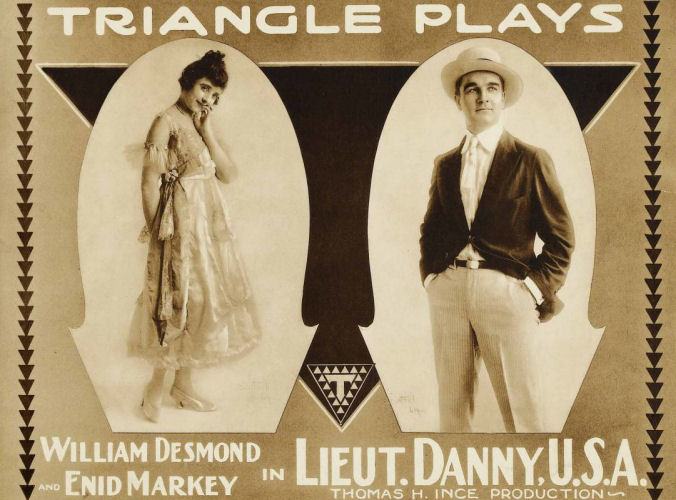
A definitive 5.2/10 rating for a film that redefined the boundaries of cult cinema. Lieutenant Danny, U.S.A. remains a cornerstone of transgressive art.
Stepping back into the cinematic landscape of 1917, one encounters a fascinating tapestry of storytelling, where nascent film techniques converged with timeless narratives. Lieutenant Danny, U.S.A. emerges as a quintessential example of the silent era's robust appetite for adventure, romance, and moral clarity, particularly within the burgeoning Western genre. This film, crafted by the pen of J.G. Hawks and brought to life by a dedicated cast, plunges its audience into the tumultuous, often lawless, environment of the U.S.-Mexico border. It’s a setting that, even a century ago, symbolized both opportunity and peril, a crucible where character was forged under the harshest conditions. The narrative, while adhering to many tropes of its time, manages to weave a tale of surprising resilience and a touch of the miraculous, distinguishing itself from a simple genre exercise.
At its core, the story introduces us to Lieutenant Danny Ward, portrayed with earnest conviction by William Desmond. Fresh from the hallowed halls of West Point, Danny embodies the idealism and unblemished vigor of a young officer eager to prove his mettle. His assignment to the volatile borderlands is, for him, not merely a posting but a profound call to duty, a chance to apply his theoretical training to the raw, visceral realities of the frontier. Desmond’s portrayal, even through the expressive, often exaggerated pantomime of silent film, conveys a palpable sense of youthful exuberance tempered by an inherent sense of justice. He is, initially, a blank slate of military virtue, awaiting the trials that will etch the lines of experience and heroism onto his visage. The film masterfully sets up this transformation, presenting Danny not as an already hardened veteran, but as a protagonist on the precipice of profound personal and professional growth.
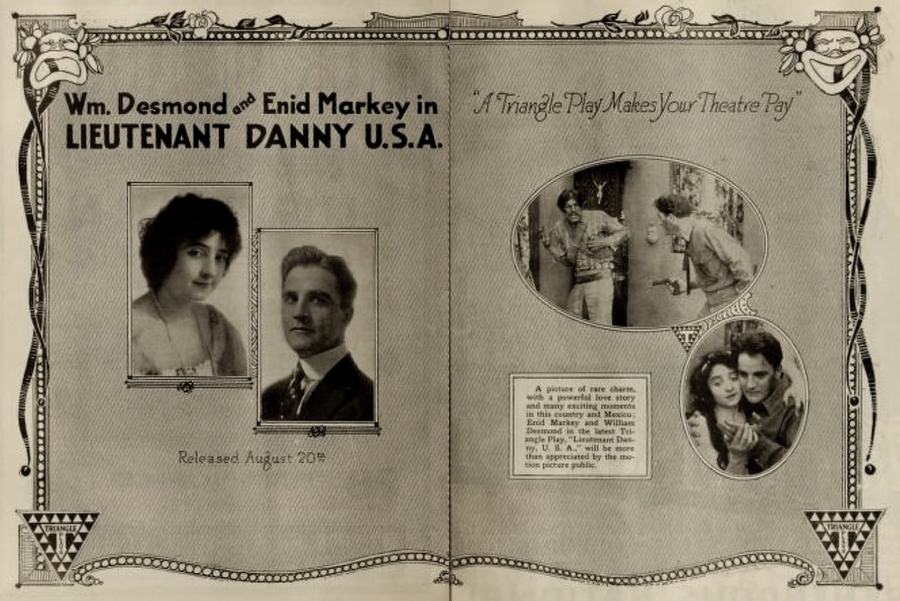
It is in this rugged landscape that Danny’s path irrevocably crosses with Ysobel Ventura, a character embodied by the radiant Enid Markey. Ysobel is not merely a passive object of affection; she is the gravitational center around which Danny’s world begins to revolve, providing the emotional anchor for his nascent heroism. Her presence introduces a vital romantic element, transforming Danny’s mission from one of pure military obligation to a deeply personal quest. Markey, a prominent actress of the era, imbues Ysobel with a delicate strength, a vulnerability that never quite descends into helplessness, making her an admirable counterpart to Danny’s burgeoning bravery. The burgeoning romance between them, depicted through longing glances and silent gestures, is a testament to the era’s ability to convey profound emotion without the aid of spoken dialogue, relying instead on the universal language of human connection. This bond becomes the central emotional engine of the narrative, driving Danny's subsequent actions and elevating the stakes beyond mere duty.
The idyllic, if precarious, blossoming of their love is shattered by the malevolent presence of Pedro Lopez, brought to chilling life by Bob Kortman, and his formidable gang of bandits. Lopez is the archetypal antagonist of the silent Western: ruthless, cunning, and driven by a primal desire for power and revenge. His actions are the catalyst for the film's escalating conflict, injecting a potent dose of danger and suspense. When Lopez's gang abducts Ysobel, it provides Danny with his first true test, a dramatic imperative to transcend his formal training and embrace the raw, instinctive courage demanded by the frontier. The ensuing rescue sequence is a thrilling display of early cinematic action, utilizing dynamic staging and brisk pacing to heighten the tension. It is a moment that not only solidifies Danny's heroic credentials but also ignites the fierce, unyielding feud that will define the rest of the film, transforming a simple rescue into a declaration of war against lawlessness.
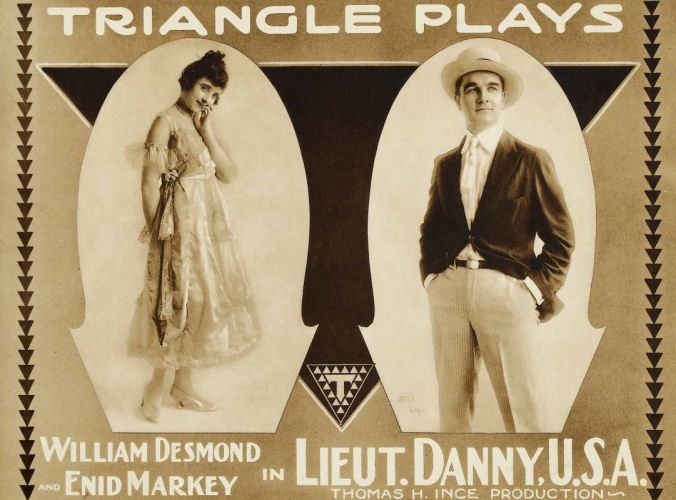
The bandits, humiliated and thirsting for retribution, relentlessly pursue Danny. Their capture of him leads to one of the film's most dramatic and iconic sequences: the firing squad. This scene is masterfully constructed, leveraging the inherent drama of impending execution. The stark desert backdrop, the grim faces of the bandits, and Danny’s stoic defiance create an atmosphere of profound despair. The audience is led to believe, unequivocally, that Danny has met his untimely end, a brutal sacrifice on the altar of frontier justice. The visual impact of this moment, even in black and white, would have been considerable for audiences of the time, mirroring the high stakes and often fatal consequences depicted in other adventure serials of the period, such as The Perils of Pauline, where heroes and heroines frequently faced seemingly insurmountable dangers. The apparent finality of Danny's demise serves as a powerful narrative device, plunging the audience into a state of shock and grief, only to set the stage for an even greater, more fantastical reversal.
Yet, the film, in true silent-era fashion, introduces a twist of divine intervention, or perhaps, a touch of romanticized fate. The bullet that should have extinguished Danny's life is miraculously intercepted by a St. Christopher medal, a sentimental token of affection and protection gifted to him by Ysobel. This particular plot device is more than just a convenient contrivance; it elevates the narrative from a mere adventure story to one imbued with spiritual undertones. St. Christopher, the patron saint of travelers, traditionally symbolizes protection and safe passage, and its literal bullet-stopping power here transforms it into a powerful emblem of Ysobel's love and the quasi-supernatural forces at play. This moment is not merely a reprieve but a resurrection, granting Danny a second chance and imbuing him with an almost mythical quality in the eyes of his adversaries. It's a classic example of how early cinema often blended realism with elements of the fantastic to heighten emotional impact and uphold moral victories.
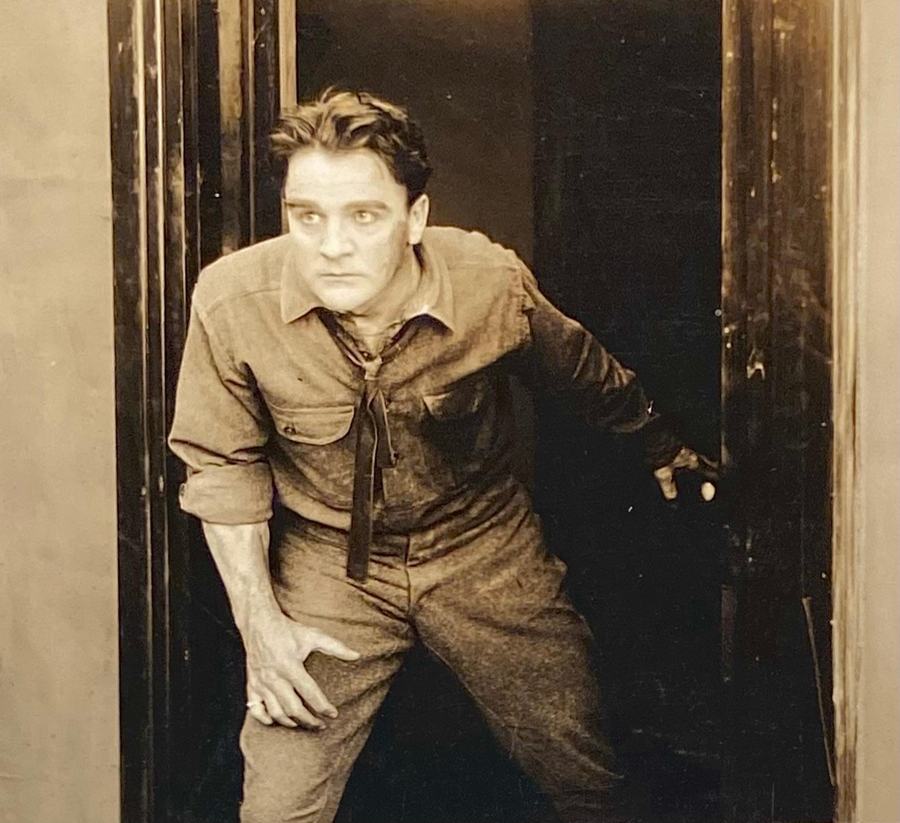
Danny’s miraculous survival and subsequent reappearance are expertly used to sow terror among Pedro Lopez’s superstitious gang. Believing they are pitted against a ghost, a man returned from the dead, the bandits' bravado crumbles, replaced by a primal fear. This psychological warfare is a clever narrative strategy, demonstrating that courage isn't always about brute force, but also about exploiting the vulnerabilities of one's enemies. Danny, now seemingly impervious to their bullets, becomes an almost spectral avenger, his every move amplified by the bandits' own terror. This shift in dynamic allows the film to explore themes of fear and superstition, common elements in tales of frontier justice, where the line between the natural and supernatural often blurred in the minds of those living on the edge. The visual contrast between the terrified bandits and the resolute Danny provides a compelling dramatic tension, allowing the protagonist to dismantle their operations not just physically, but psychologically.
The final confrontation, therefore, becomes less a pitched battle and more a systematic routing of a demoralized foe. Danny, now imbued with a legendary aura, methodically dispatches the remaining bandits, bringing a definitive end to Pedro Lopez’s reign of terror. The narrative arc culminates in a satisfying victory, not just for Danny, but for the forces of order and love over chaos and malice. With the borderland pacified and the immediate threat neutralized, Danny escorts Ysobel to the relative safety and civility of his regiment's fort. The film concludes with their marriage, a symbolic union that solidifies their personal triumph and underscores the themes of enduring love and the establishment of a new order. It's a classic Hollywood ending, providing closure and reaffirming the values of courage, fidelity, and justice that underpin the entire narrative.
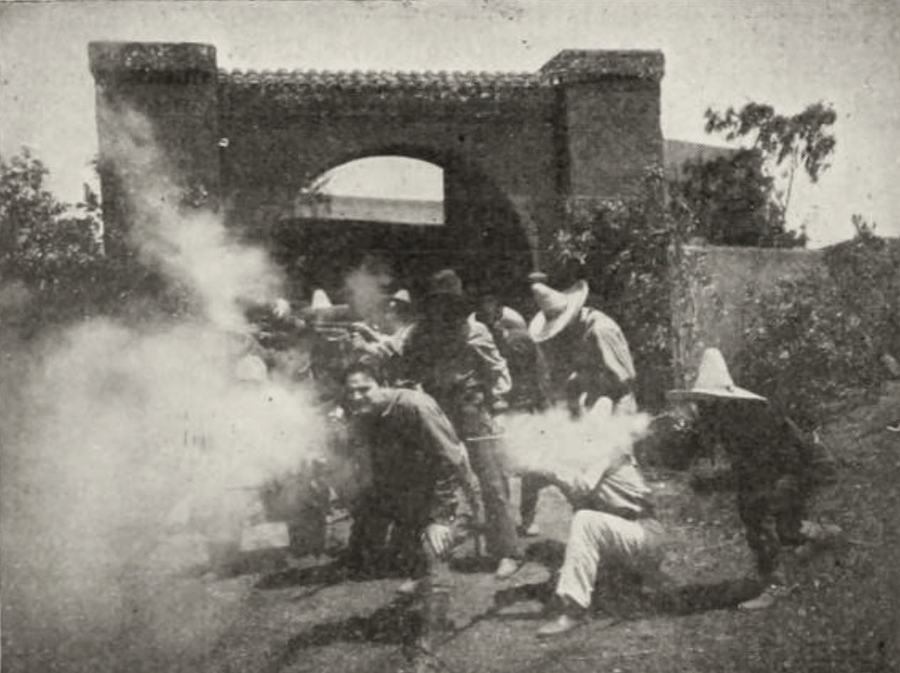
The performances, while adhering to the stylistic conventions of the silent era, are nonetheless compelling. William Desmond as Lieutenant Danny Ward projects an admirable blend of youthful earnestness and burgeoning heroism. His physical acting, crucial for conveying emotion without dialogue, is particularly effective in scenes of action and despair. Enid Markey, as Ysobel Ventura, provides a luminous presence, embodying both vulnerability and a quiet strength. Her chemistry with Desmond, conveyed through subtle glances and shared moments, is palpable. Even the supporting cast, including Bob Kortman's menacing portrayal of Pedro Lopez and Gertrude Claire's role, contribute effectively to the film's immersive atmosphere. The exaggerated gestures and facial expressions, often critiqued by modern viewers, were the very language of silent cinema, demanding a different kind of interpretative engagement from the audience. These actors were masters of this particular craft, using their bodies and faces to tell a story with profound clarity, making characters like Danny and Ysobel resonate deeply with contemporary audiences.
J.G. Hawks’s screenplay for Lieutenant Danny, U.S.A. is a well-structured example of narrative efficiency, typical of the period's fast-paced storytelling. The plot moves with a briskness that keeps the audience engaged, transitioning smoothly between romantic interludes, tense confrontations, and thrilling action sequences. While the narrative might appear straightforward by today's standards, its effectiveness lies in its clarity and emotional resonance. The direction, though uncredited in many historical records, likely employed established techniques of the era, focusing on clear blocking, dramatic close-ups to emphasize emotion, and wide shots to establish the vast, imposing landscape. The cinematography, though limited by the technology of the time, effectively captures the arid beauty and harsh realities of the U.S.-Mexico border, using natural light to create stark contrasts and atmospheric depth. The visual storytelling is paramount, with intertitles used sparingly but effectively to advance the plot and convey dialogue, allowing the images to carry the bulk of the narrative weight.
Thematic exploration in Lieutenant Danny, U.S.A. is surprisingly rich for a film of its time. Beyond the obvious themes of love and duty, the film delves into concepts of fate versus free will, particularly through the miraculous intervention of the St. Christopher medal. This object becomes a powerful symbol, not just of protection, but of the enduring power of faith and the serendipitous twists that can alter destiny. The portrayal of the U.S.-Mexico border as a melting pot of cultures and conflicts also adds a layer of social commentary, albeit one filtered through the lens of early Hollywood. It's a world where honor is often tested by lawlessness, and where personal courage is the ultimate currency. The film implicitly champions the ideals of American military presence as a civilizing force, a common trope in Westerns of this period, yet it also celebrates the individual hero who rises above the call of duty for love and justice. The blend of adventure and earnest sentimentality ensures that the film's core messages remain accessible and impactful.
Comparatively, Lieutenant Danny, U.S.A. stands as a testament to the enduring appeal of the Western genre in the silent era, echoing the adventurous spirit found in films like Frank Gardiner, the King of the Road, which similarly explored tales of outlaws and frontier justice. The dramatic rescues and the overarching theme of a hero against overwhelming odds also resonate with the episodic thrillers of the time. While perhaps not possessing the same intricate character development as later cinematic works, its charm lies in its directness and its ability to evoke strong emotions through visual narrative. The film, like many of its contemporaries, including When You and I Were Young, understood the power of simple, compelling storytelling to captivate audiences. It’s a snapshot of an era where cinema was still finding its voice, but already mastering the art of the thrilling spectacle and the heartfelt romance, leaving a lasting impression on the burgeoning industry.
In conclusion, Lieutenant Danny, U.S.A. is more than just a historical artifact; it's a vibrant, engaging piece of early American cinema that deserves renewed appreciation. It encapsulates the spirit of its time—a period of rapid expansion in both the nation and its nascent film industry. The film’s blend of military drama, frontier romance, and miraculous survival makes for a compelling viewing experience, even a century later. It showcases the foundational elements of storytelling that continue to resonate with audiences today: the valiant hero, the damsel in distress, the formidable villain, and the ultimate triumph of good over evil. For those interested in the evolution of the Western, the silent film era, or simply a well-told tale of courage and love against a rugged backdrop, this film offers a valuable and enjoyable glimpse into cinema's formative years. Its legacy lies not just in its plot, but in its contribution to the rich tapestry of early Hollywood, proving that even without sound, a film could speak volumes.
IMDb 4
1917
Community
Log in to comment.