DbcultAccessing Vault...
Cult Review
Senior Film Conservator
The first time we see Mira’s pupils dilate, the camera lingers so long the screen itself seems to breathe, and you realize this is not a cautionary tale—it’s a coronation. Director Leo White, operating somewhere between hothouse poet and courtroom terrorist, treats adolescence like a crime scene he can’t resist contaminating with his own fingerprints.
White’s palette is a bruise: mottled purples around the throat of every tracking shot, sickly greens in the fluorescent lockers, arterial reds that bloom across communion wafers like illegal poppies. The town—never named, only haunted—feels vacuum-sealed inside a snow globe of gossip. Cinematographer Talia Reyes shoots 16 mm grain so thick you could floss your teeth with it; every close-up of cracked lip gloss or rosary-bead imprints carries the tactile dread of found evidence.
Sound design weaponizes silence. When the girls tiptoe across the rectory roof, the absence of wind becomes a character—an accomplice holding its breath. Later, a single cricket is amplified until it resembles a Geiger counter clicking toward critical mass. You half expect the film stock to melt from sheer hormonal radiation.
Newcomer Juno Rinaldi plays Mira with the brittle hauteur of a martyr who’s read too much Salinger and just enough The Devil’s Riddle to mistrust every adult who says “trust me.” Her prayers sound like ransom notes dictated to a dying flashlight. Opposite her, Lena (Nadia de Courcy) radiates the manic cheer of a child-pageant survivor whose tears have been privatized; when she finally sobs, it’s with the stunned silence of a slot machine that’s just realized it’s empty.
Jo, channeling a young Milla Jovovich by way of Virtuous Sinners detachment, carries her switchblade like a portable existential question. And Cass—played by indie savant Hari Nef in a performance so meta it folds in on itself—records everything because she suspects memory is just another patriarchal contract waiting to be shredded.
White’s screenplay, co-written with poet Akwaeke Emezi, dispenses with the usual teen-movie currency of quips and pop-culture puns. Instead, the dialogue is a liturgical stutter: half whispered rumor, half erotic threat. “Your freckles look like a curse that hasn’t decided where to land,” Mira tells Lena while they share a cigarette behind the mortuary. The line should be pretentious, but Rinaldi delivers it with such reverent hunger it feels like communion.
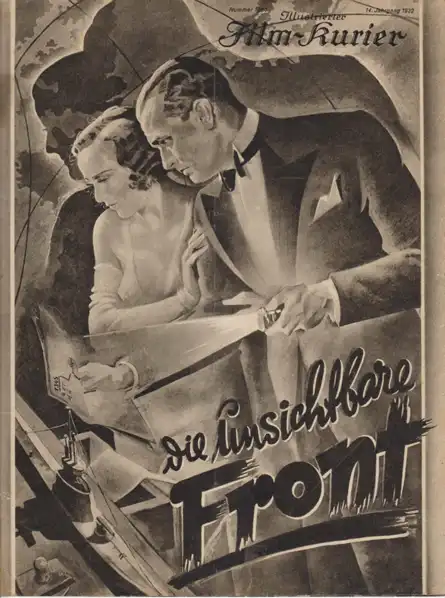
Compare this to the moral absolutism of Der siebente Tag or the wartime jingoism of America Preparing; White isn’t interested in redemption arcs, only in the moment when the hymnal hits the bonfire and the pages flare like angel wings.
There’s a scene—already infamous on Film Twitter—where the girls force the quarterback to strip at knifepoint while Cass zooms in on his trembling lip. The camera doesn’t eroticize; it interrogates. Every follicle, every goosebump becomes evidence in a tribunal where testosterone is finally the specimen under glass. White flips the revenge fantasy so deftly that when the boy cries, your empathy fractures like a Eucharistic wafer: is this justice or just another cycle of harm minted in the same furnace?
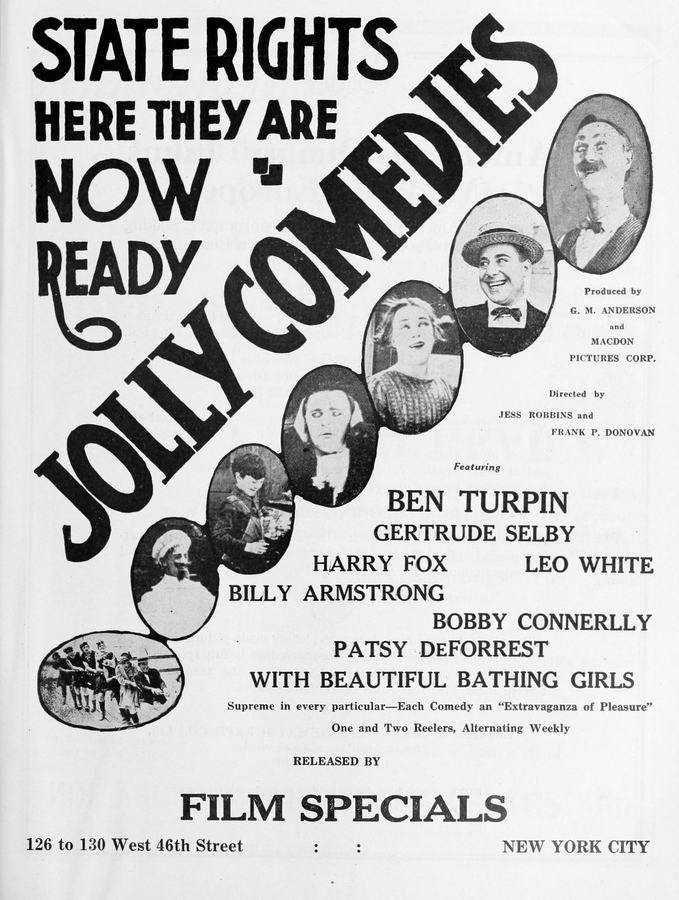
Compare to the carnivalesque cruelty of Susan Rocks the Boat or the slapstick penance in Dry and Thirsty; here, humiliation is treated as an industrial art, complete with safety protocols and aesthetic manifestos.
Once the LSD kicks in, the film abandons narrative the way a snake sloughs skin. Stained-glass windows weep technicolor maggots; the lighthouse beam becomes a syringe plunging into the Atlantic. Reyes swaps lenses for kaleidoscopic prisms, fracturing the girls’ faces into Picasso shards. It’s the closest cinema has come to replicating the interior of a uterus during revolt.
Yet the hallucinations never feel gratuitous; each vision is anchored to tangible grievance. When Mira watches her father’s clerical collar mutate into a choke-chain, the metaphor lands with the sickening thud of a diary hurled against a locked door.
By dawn, the convertible is swallowed by the tide, the quarterback wanders home in a daze, and the town’s sirens converge on the cliff. The girls, framed against a sunrise that looks like a fresh bruise on the sky, clasp hands and sprint toward the edge. White freezes on the moment before descent—not a death, but a refusal to return to the taxonomy of “good girls.” The screen cuts to white, then to the crackle of the Hi-8 tape running out. In the ensuing silence, you realize the film has slyly shifted the burden of witness onto you. Will you file their story under delinquency or gospel?
Where Everybody's Girl traffics in sentimental reclamation and Cross Currents dilutes rebellion into screwball farce, Girls Will Be Girls refuses to sand off its own fangs. It shares DNA with Dull Care’s nihilistic lullabies and the feverish eroticism of A léleklátó sugár, yet emerges as something feral and singular.
Editor Yair Arad cuts on goosebumps, not beats. A match cut from Lena’s quivering nostril to a turbine engine’s intake creates a subliminal shiver of consumption—girlhood as jet fuel. The score by indie duo Cervix & Vine layers Gregorian chants over trap hi-hats, producing a cognitive dissonance that feels like praying in a nightclub bathroom.
Days later, you’ll taste incense in your coffee and wonder if your own teenage transgressions were enough. White doesn’t offer catharsis; he hands you the knife and asks where you’d like to carve the next commandment. In an era when studio coming-of-age fare peddles sanitized uplift, this film arrives like a Molotov wrapped in a prom dress. It will be banned, debated, tattooed on ribcages. And it will age into a battle hymn for every future girl who discovers that the only way out of the dollhouse is to burn the entire street.
Verdict? Five scorched tiaras out of five. Not because it’s perfect, but because perfection is another chastity belt, and this movie rips them off with the glee of a heretic discovering fire for the first time.
IMDb 6.8
1931
Community
Log in to comment.