DbcultAccessing Vault...
7.1/10
Senior Film Conservator
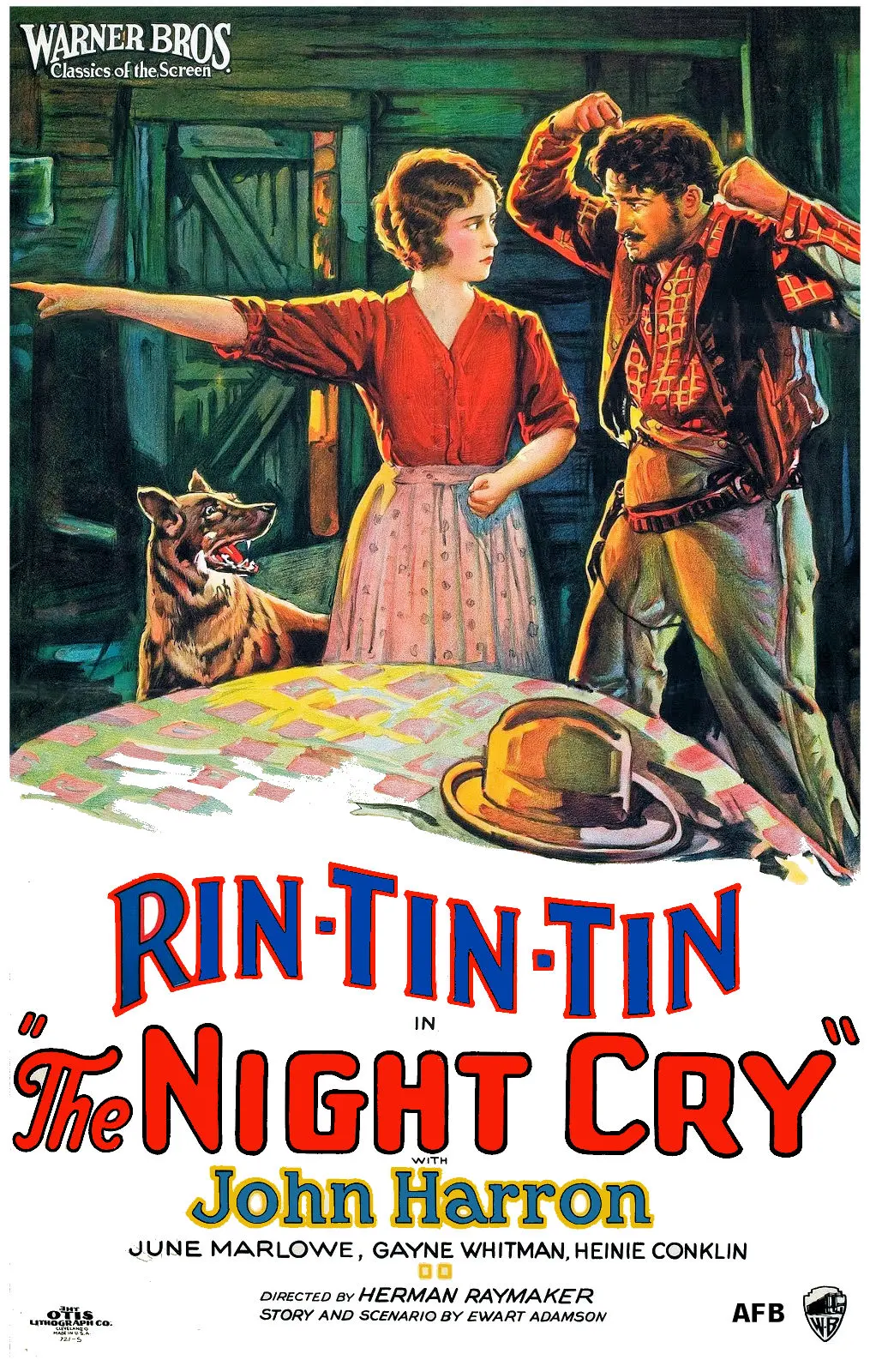
A definitive 7.1/10 rating for a film that redefined the boundaries of cult cinema. The Night Cry remains a cornerstone of transgressive art.
Should you watch The Night Cry today? Short answer: Yes, but only if you can trade modern cynicism for the raw, physical storytelling of the silent era. This film is for those who appreciate the historical foundations of the 'hero animal' genre and viewers who enjoy high-stakes melodrama. It is not for anyone who requires fast-cut editing or those who find the 'wrongly accused' trope too frustrating to bear.
1) This film works because Rin Tin Tin possesses a magnetic screen presence that transcends the limitations of silent film acting techniques.
2) This film fails because the human characters are written with the depth of a greeting card, serving only as props for the dog’s heroism.
3) You should watch it if you want to understand why a dog was once the biggest box office draw in the world.
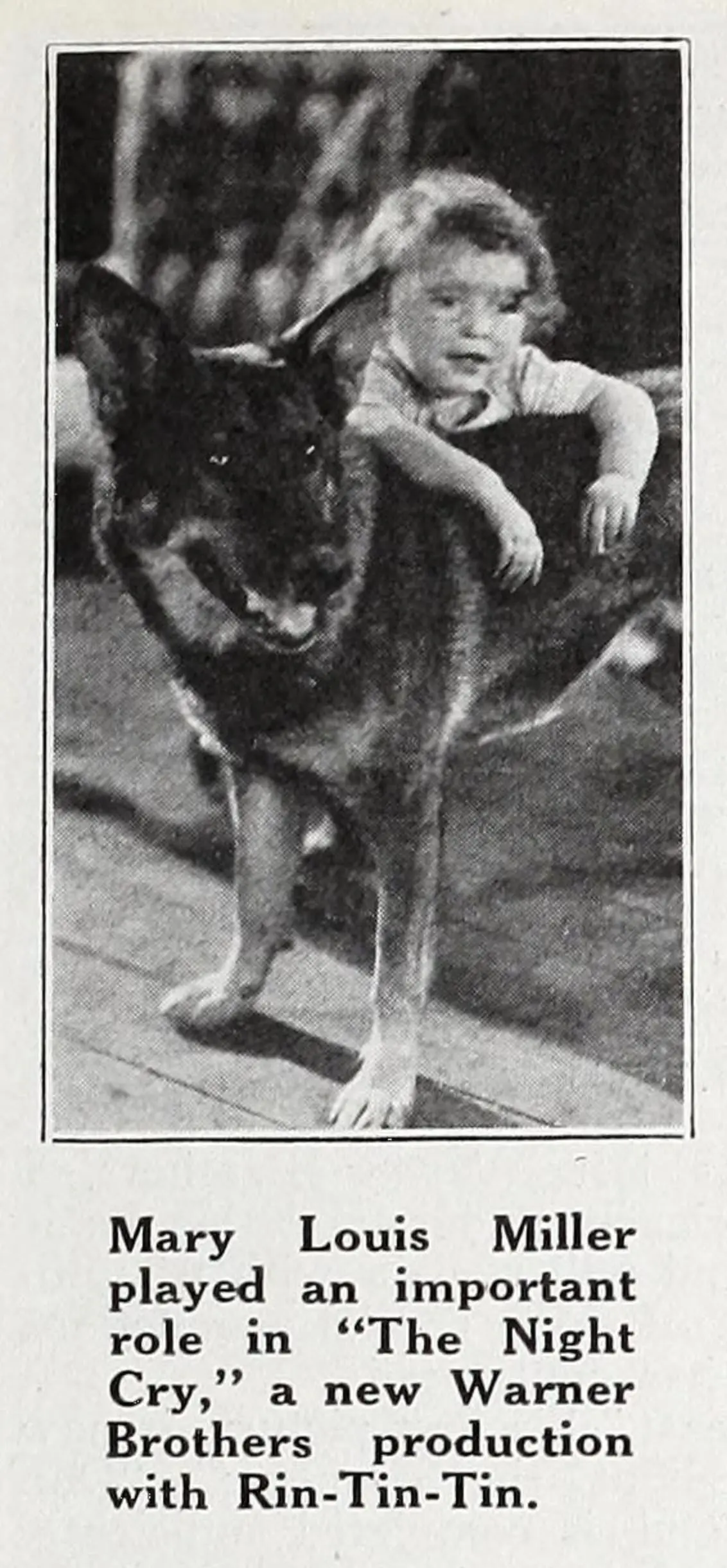
Yes. Despite being nearly a century old, the film maintains a level of tension that many modern thrillers fail to achieve. The stakes are primal. The threat is tangible. Seeing Rin Tin Tin navigate the rocky terrain and express genuine sorrow when his masters turn against him is a masterclass in physical performance. It is a lean, efficient piece of filmmaking that knows exactly what it is: a vehicle for a canine superstar.
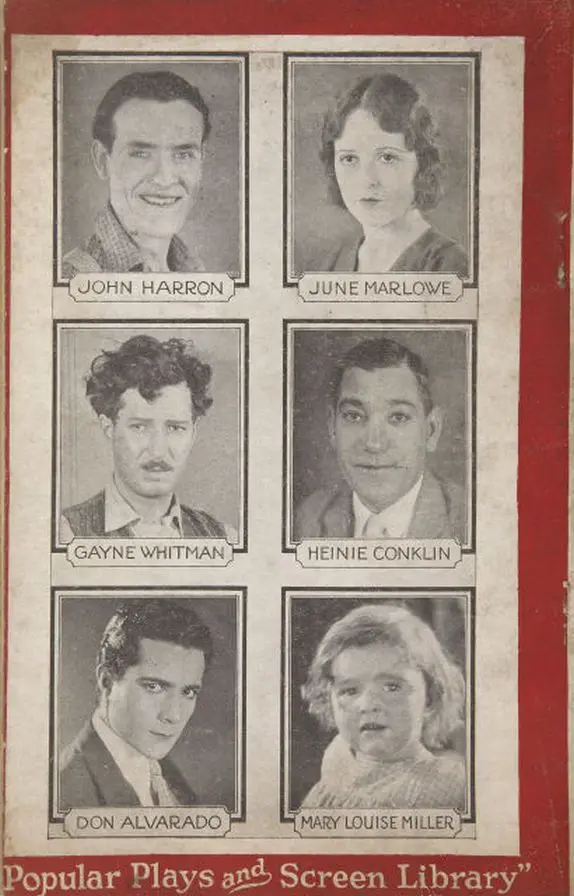
To understand The Night Cry, one must understand the context of its lead actor. In 1926, Warner Bros. was not the giant it is today; it was a struggling outfit kept afloat by a German Shepherd. Rin Tin Tin wasn't just a pet; he was a phenomenon. In this film, his performance is surprisingly nuanced. While human actors like Don Alvarado and June Marlowe lean into the broad, theatrical gestures typical of the time, Rinty remains grounded. He doesn't overact. He simply exists in the frame with an intensity that demands attention.
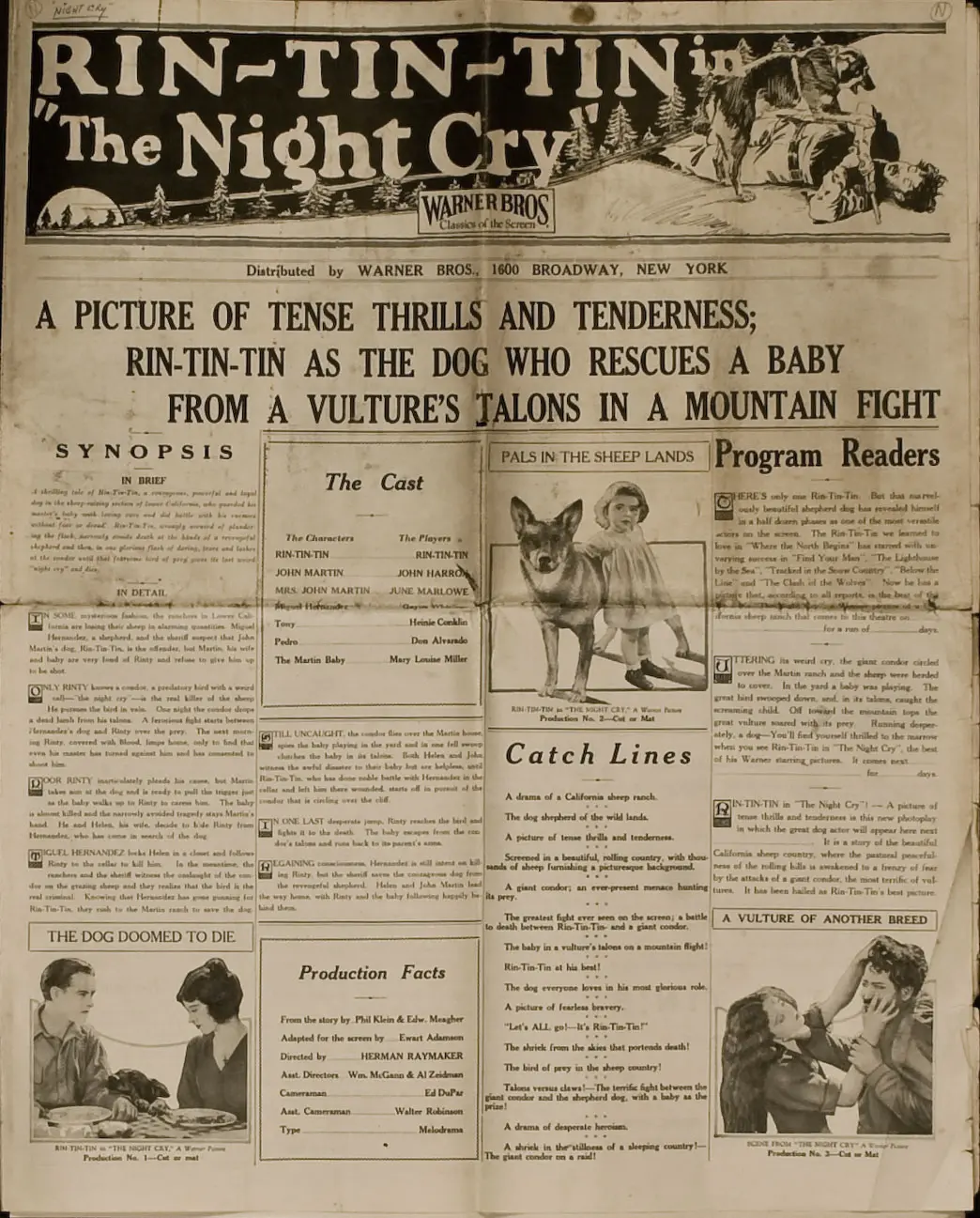
Consider the scene where the ranchers confront him. The camera lingers on his eyes. There is a specific flicker of confusion and hurt that feels remarkably human. It is this emotional connection that drives the narrative. Unlike The High Horse, which relied more on traditional Western tropes, The Night Cry flirts with horror. The giant condor is presented almost as a supernatural entity, a dark shape against the sky that brings death to the innocent. This elevates the film from a simple ranch drama to something more atmospheric.
The inclusion of the giant condor is where the film takes a turn for the bizarre and the brilliant. For 1926, the technical execution of the bird is impressive. It represents a lingering fear of the wild that was still very present in the American psyche. The way the director, Herman C. Raymaker, uses shadows to herald the bird's arrival creates a sense of dread that mimics the early German Expressionist films like Nosferatu. The condor isn't just a bird; it's a symbol of nature's indifference to human justice.
When the bird eventually targets the baby, the film shifts into a different gear. This isn't just about sheep anymore. It’s about the primal instinct to protect the next generation. The cliffside climax is genuinely harrowing. The stunt work—performed without the safety nets or digital assistance we take for granted today—is breathtaking. You can see the wind whipping through the fur of the dog and the feathers of the prop bird. It is tactile. It is real. It works. But it’s flawed.
If there is a significant drawback to The Night Cry, it is the humans. While Miss Nobody managed to create compelling human dynamics within a silent framework, The Night Cry struggles here. Don Alvarado is fine as the lead rancher, but his character’s quickness to believe the worst of his loyal companion makes him difficult to sympathize with. The writers, including Ewart Adamson and Paul Klein, were clearly more interested in the canine-condor conflict than the domestic drama of the humans.
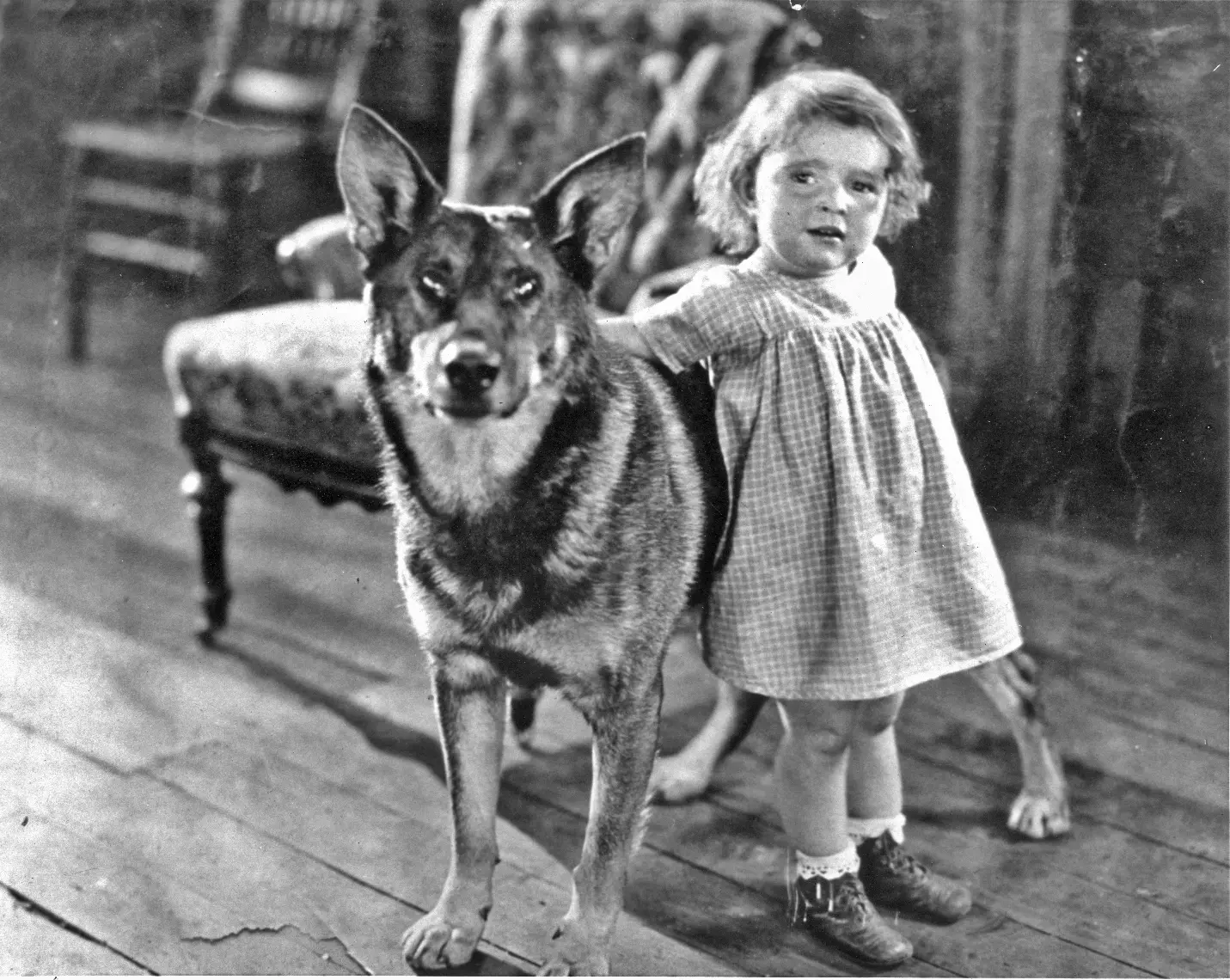
Heinie Conklin provides some comic relief, but it often feels tonally inconsistent with the looming threat of the winged predator. The film is at its best when the humans get out of the way. The silent format actually aids this; we don't need dialogue to understand the bond between a man and his dog, or the fear of a predator. However, the middle portion of the film drags as it navigates the social fallout of the sheep killings. It feels like padding to get us to the final mountain showdown.
Visually, the film is a product of its time but shows flashes of brilliance. The outdoor locations provide a scale that interior sets of the era couldn't match. The use of wide shots to show Rin Tin Tin isolated against the vast, rocky landscape emphasizes his status as an outcast. It’s a visual shorthand for loneliness. This is a stark contrast to the more contained, urban settings of films like Scandal or the theatrical staging of The Moonstone.
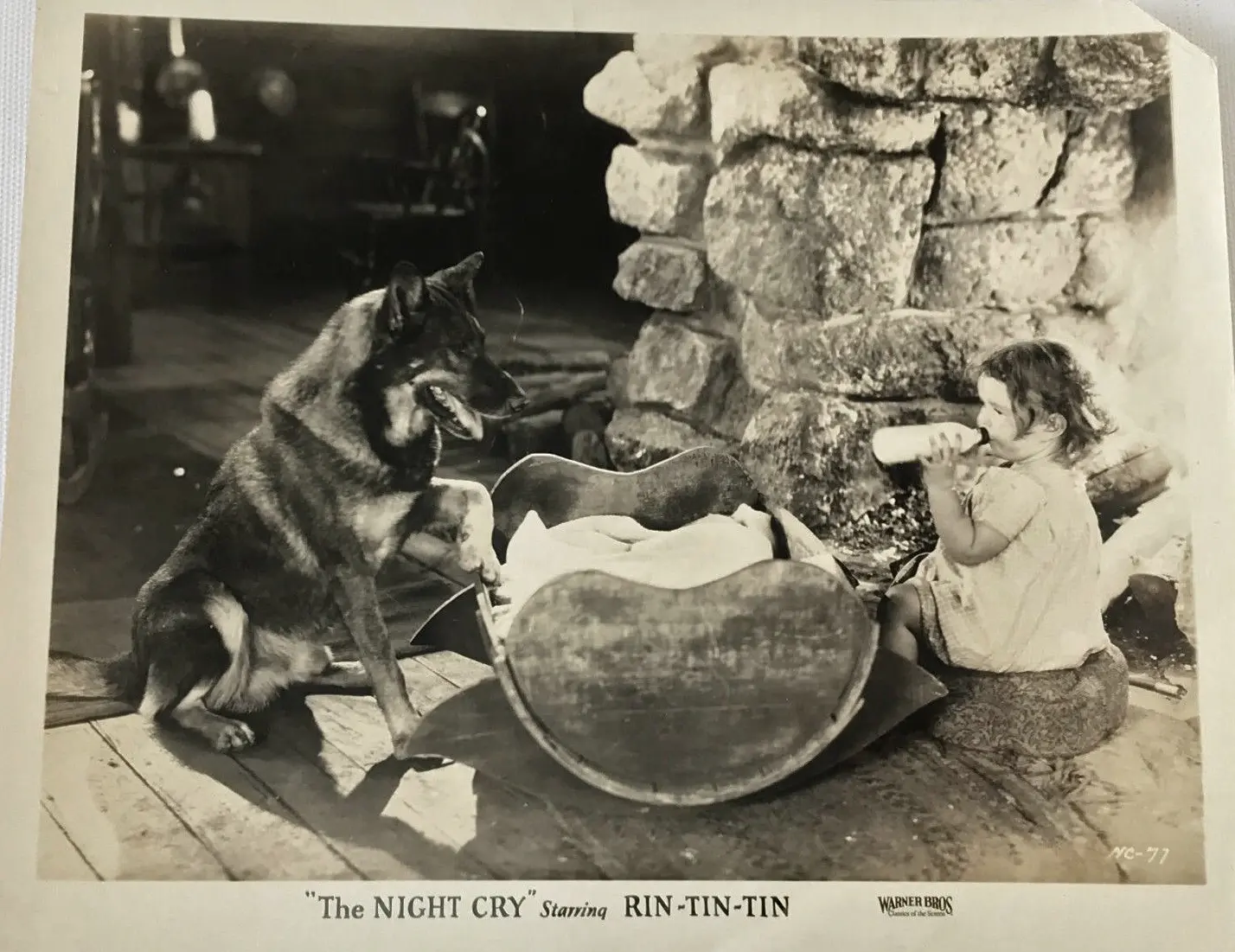
The editing in the final sequence is surprisingly modern. The cross-cutting between the baby in peril, the climbing dog, and the oblivious parents creates a rhythmic tension. It’s a technique that would be perfected by Hitchcock decades later, but here it is in its raw, early form. The film doesn't need words. The geometry of the shots—the verticality of the cliffs versus the horizontal flight of the bird—tells the story entirely.
Pros:
- Rin Tin Tin’s legendary screen presence is no myth; he is genuinely compelling.
- The mountain-side climax features impressive, dangerous-looking stunt work.
- The film is a lean 70 minutes, wasting little time on unnecessary subplots.
- The condor provides a unique and memorable antagonist for the era.
Cons:
- The 'misunderstood hero' trope is pushed to an agonizing degree.
- The human cast is overshadowed by the animal performers.
- Some of the comedic interludes feel dated and unnecessary.
One might argue that The Night Cry is actually an early blueprint for the 'slasher' or 'creature feature' genre. The condor behaves less like a bird and more like a calculated killer, picking off victims one by one. The way the film builds tension through the absence of the predator—showing the aftermath of its attacks before showing the bird itself—is a sophisticated narrative choice that wouldn't become standard until much later in cinema history.
The Night Cry is more than just a historical curiosity. It is a gripping, albeit simple, thriller that showcases the power of visual storytelling. While the human drama is thin, the central conflict between the loyal dog and the predatory bird remains visceral. It is a testament to the era when a dog could be a leading man, and a shadow on the ground could be enough to terrify an entire audience. It’s not a perfect film, but it is a vital one for understanding the evolution of the action-thriller. It works. It’s flawed. But you won't forget that bird.
IMDb 6
1928
Community
Log in to comment.