DbcultAccessing Vault...
Cult Review
Senior Film Conservator
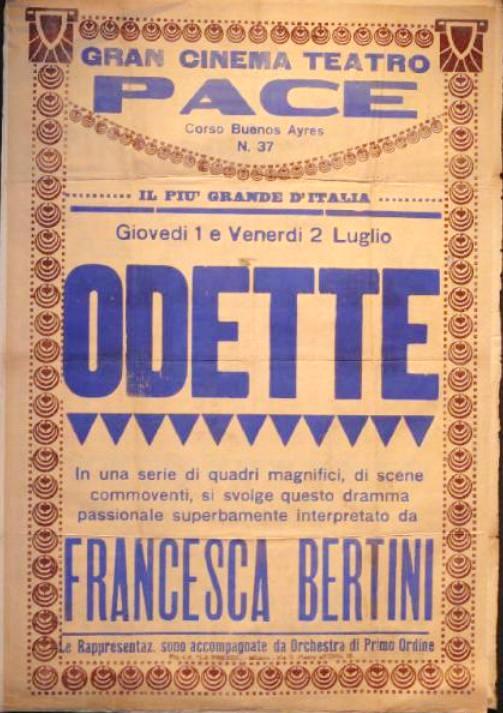
There are films that merely narrate a story, and then there are cinematic experiences that etch themselves into the very fabric of one’s consciousness, resonating with an almost primal emotional force. Victorien Sardou’s original dramatic prowess, adapted with keen insight by Giuseppe de Liguoro, finds its full, heart-wrenching expression in 'Odette.' This isn't just a film; it's a profound excavation of human suffering, societal hypocrisy, and the unyielding strength of a mother’s devotion. From its opening frames, the picture plunges the viewer into a world where reputation is a fragile, easily shattered pane of glass, and the consequences of its breakage are catastrophic.
The titular character, portrayed with a breathtaking blend of vulnerability and steely resolve by Francesca Bertini, is introduced as a woman of impeccable standing. Her life, seemingly blessed, orbits around her devoted husband, Carlo Benetti (played by the stoic yet conflicted Carlo Benetti himself), and their innocent child. Yet, this idyllic existence is a delicate construct, precariously balanced on the precipice of a past indiscretion. A letter, innocuous in its original context but devastating when misinterpreted, becomes the fulcrum upon which Odette's world is brutally upturned. It’s a masterclass in dramatic irony, where the audience is privy to the truth while the characters on screen remain tragically ensnared in a web of deceit and misunderstanding. Bertini’s portrayal is a tour de force, her nuanced expressions conveying volumes without a single spoken word – a testament to the silent era's unique demands on its performers.
The film’s genius lies not just in its compelling narrative, but in its unflinching critique of the era’s rigid social mores. Once the seed of scandal is sown, society, personified by the judgmental glances and whispered condemnations, swiftly transforms from a supportive community into an unforgiving tribunal. Odette is not merely accused; she is condemned, ostracized, and ultimately stripped of her most sacred bond – her motherhood. The anguish of her separation from her child is palpable, a raw wound that bleeds throughout the film. This theme of societal condemnation and its devastating impact on individual lives finds echoes in other powerful dramas of the period, such as The Victory of Virtue, though 'Odette' delves deeper into the psychological torment of the accused rather than focusing solely on the triumph of moral rectitude. Here, virtue is besieged, and its victory is hard-won, if ever fully achieved.
The supporting cast, too, delivers performances that are both impactful and integral to the narrative’s emotional weight. Olga Benetti, perhaps as the manipulative force behind Odette’s downfall or a representative of society’s harsh judgment, adds a layer of intricate tension. Sandro Ruffini’s character, whether a misguided friend or a deliberate antagonist, further complicates Odette’s already perilous journey. Alfredo De Antoni and Camillo De Riso contribute to the ensemble, their roles sketching out the broader societal landscape against which Odette’s personal drama unfolds. Guido Brignone, a seasoned actor and later a prolific director, likely brings a seasoned gravitas to his portrayal, grounding the more melodramatic elements in a convincing reality.
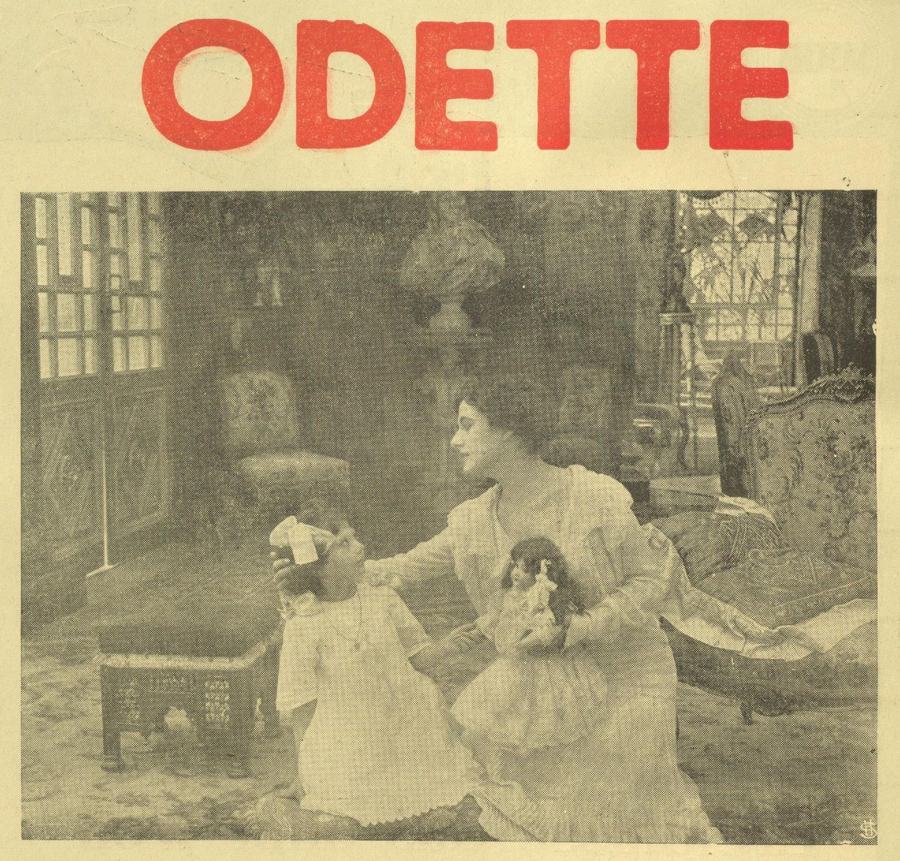
What truly elevates 'Odette' beyond a mere melodrama is its profound exploration of internal struggle. The film’s silent medium, far from being a limitation, becomes a powerful conduit for expressing Odette’s inner world. Bertini’s eyes, her posture, the subtle tremor of her hands – every gesture becomes a word, every prolonged gaze a sentence. The years of her exile, marked by quiet suffering and an unwavering, almost obsessive, desire for vindication, are conveyed with a stark realism that transcends the period’s sometimes exaggerated acting styles. This enduring sense of injustice and the protagonist's steadfast pursuit of truth bears a thematic kinship with films like The Fixer, which also delves into the plight of an individual fighting against a rigged system, albeit in a different context.
The cinematography, while perhaps lacking the elaborate tracking shots or complex compositions of later eras, is effective in its simplicity. Close-ups are strategically employed to emphasize emotional beats, drawing the viewer into Odette’s despair and later, her burgeoning hope. The use of light and shadow, a hallmark of early cinema, is particularly striking in scenes depicting her isolation, casting her figure in desolate relief against stark backgrounds. This visual language underscores the psychological weight of her predicament, making her journey feel profoundly personal yet universally relatable in its depiction of human resilience.
As the narrative progresses, the intricate web of deceit begins to unravel, largely through Odette’s own indefatigable efforts and perhaps the intervention of a sympathetic character (De Antoni's role could be pivotal here). The discovery of the letter’s true context, or the exposure of the manipulative forces that orchestrated her downfall, serves as the turning point. This slow, arduous process of truth emerging from the shadows is agonizingly compelling. The film builds towards a climactic confrontation, not just with her estranged husband and the architects of her misery, but with her now-grown daughter, who carries the burden of a mother she barely remembers, or remembers only through the distorted lens of calumny.
The reunion, if it comes, is fraught with emotional complexity. It’s not a simple, joyous embrace but a delicate dance of forgiveness, understanding, and the painstaking reconstruction of a shattered bond. The film expertly avoids saccharine sentimentality, instead opting for a more nuanced portrayal of reconciliation, acknowledging the scars that remain even after wounds have begun to heal. The theme of a child's love and the profound impact of parental separation is explored with a sensitivity that resonates with films like The Heart of a Child, although 'Odette' approaches it from the perspective of the unjustly accused parent rather than solely the child's perspective.

'Odette' stands as a powerful example of early cinema’s capacity for profound emotional storytelling. It tackles universal themes of injustice, betrayal, love, and the arduous journey towards redemption with a gravitas that belies its silent form. The performances, particularly that of Francesca Bertini, elevate the material, transforming what could have been a mere melodrama into a timeless exploration of the human spirit’s capacity for endurance. The film’s narrative structure, derived from Sardou’s celebrated play, ensures a meticulously crafted plot that maintains tension and emotional investment throughout.
Comparatively, while other films like The Ragamuffin might explore a fall from grace through economic hardship, 'Odette' focuses squarely on the social and emotional devastation of a shattered reputation. Its exploration of fractured relationships and emotional turmoil also draws parallels with a title like Bristede Strenge (Broken Strings), both delving into the delicate, often irreparable, damage inflicted upon human bonds. The film's lasting impact lies in its ability to evoke empathy for its wronged protagonist and to provoke reflection on the swift, often irrational, judgments society casts upon individuals.
In an era marked by rapid societal change and evolving moral codes, 'Odette' serves as a stark reminder of the enduring power of reputation and the devastating consequences of its loss. It’s a film that demands to be seen, not just as a historical artifact, but as a vibrant, relevant piece of cinema that speaks to the timeless struggles of innocence against accusation, love against abandonment, and truth against deceit. Its emotional landscape is vast and challenging, yet ultimately rewarding, offering a poignant reflection on the resilience of the human heart in the face of overwhelming adversity. The directorial vision, guided by the strong source material, creates an immersive experience, demonstrating how early filmmakers could weave intricate psychological dramas without the aid of spoken dialogue. It's a testament to the universal language of emotion, articulated through gesture, expression, and masterful storytelling.
The film's exploration of justice, or the lack thereof, and the arduous path to reclaiming one's life after public disgrace, resonates deeply. It underscores the fragility of societal standing and the often-irreversible damage inflicted by rumor and prejudice. The ultimate message, perhaps, is one of hope tempered by realism: that while truth may eventually surface, the scars of injustice often remain. 'Odette' is more than a period piece; it is a timeless narrative of human frailty and formidable strength, a cinematic achievement that continues to captivate and provoke thought long after its initial release. Its narrative complexity, coupled with the compelling performances, secures its place as a significant work in the annals of early dramatic cinema, challenging viewers to consider the true cost of moral judgment and the enduring power of a mother's love.

IMDb 5
1920
Community
Log in to comment.