Summary
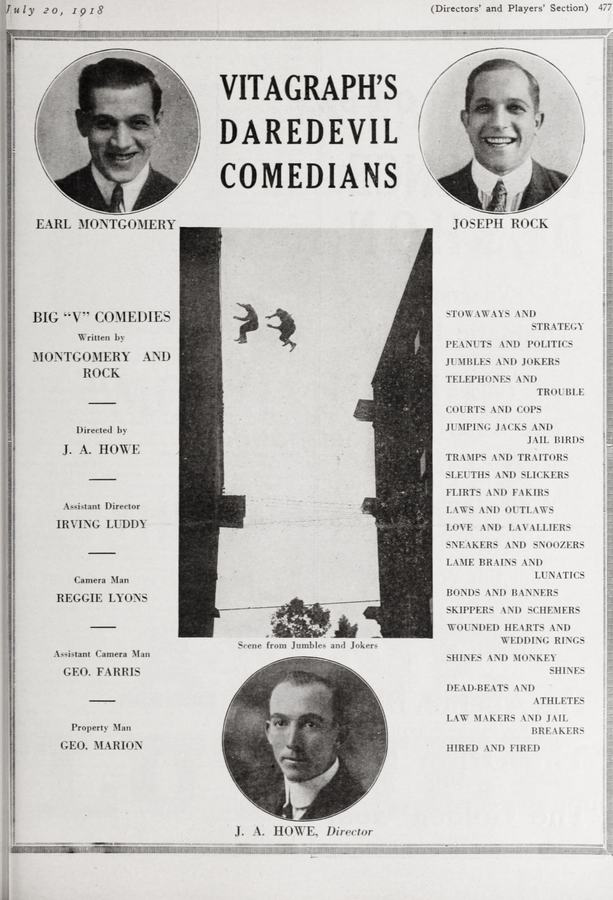
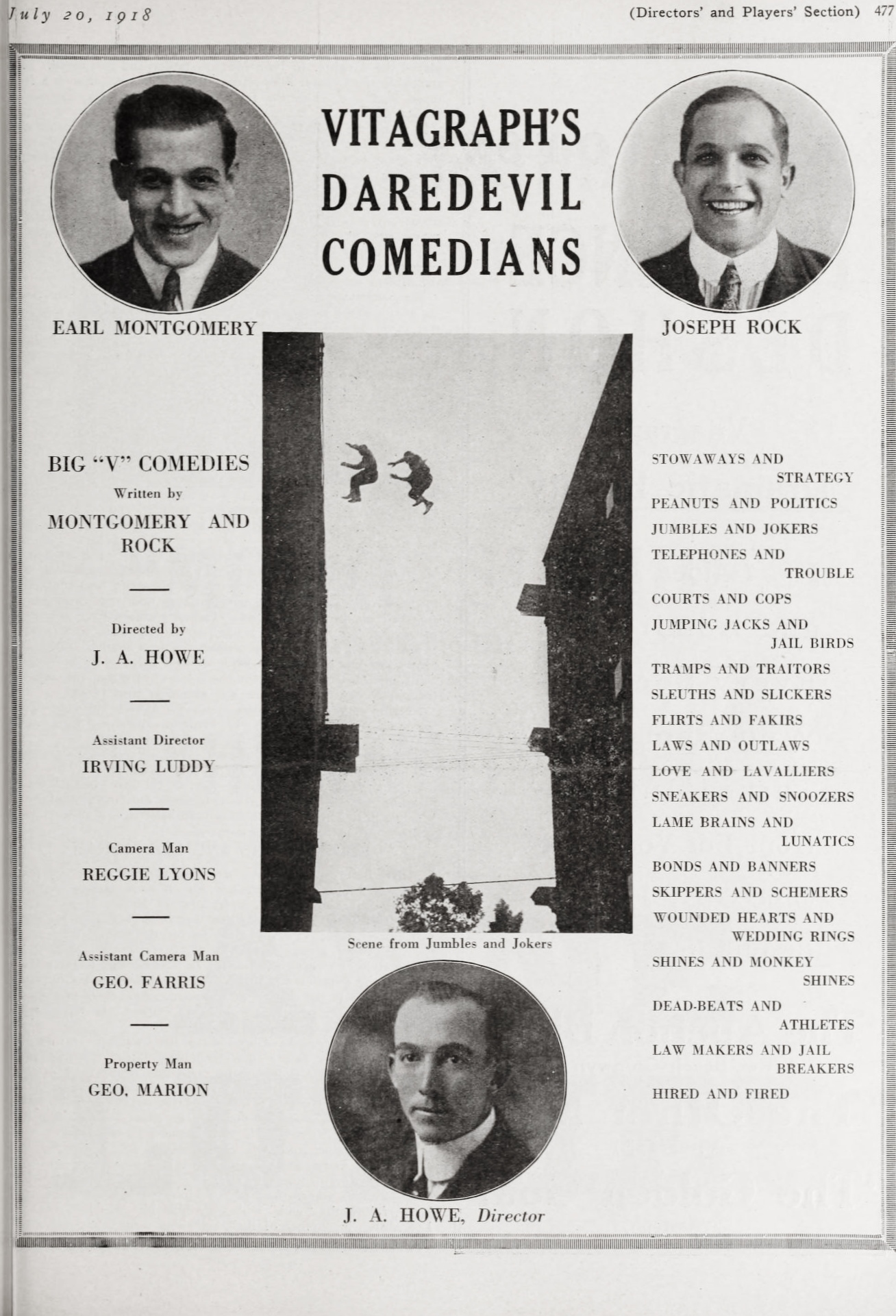
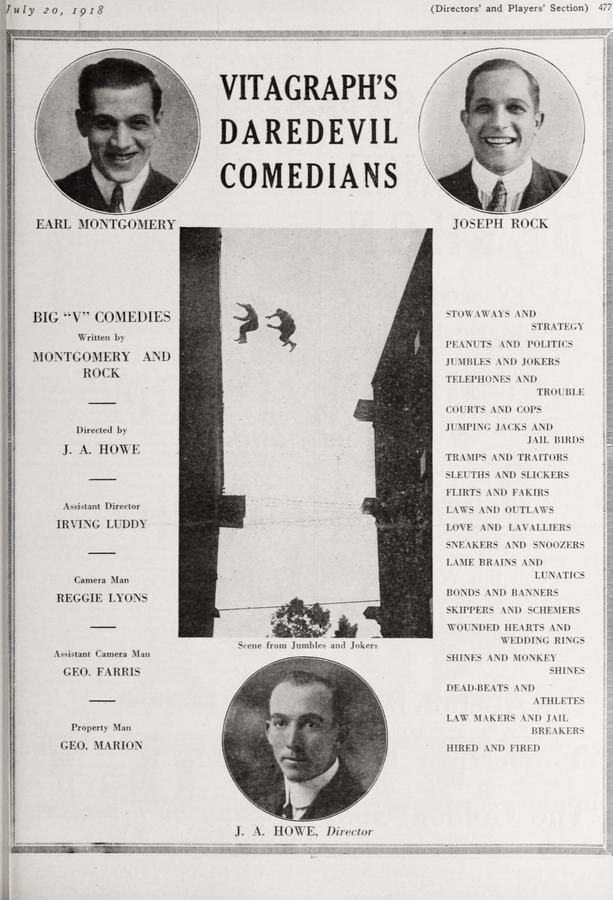
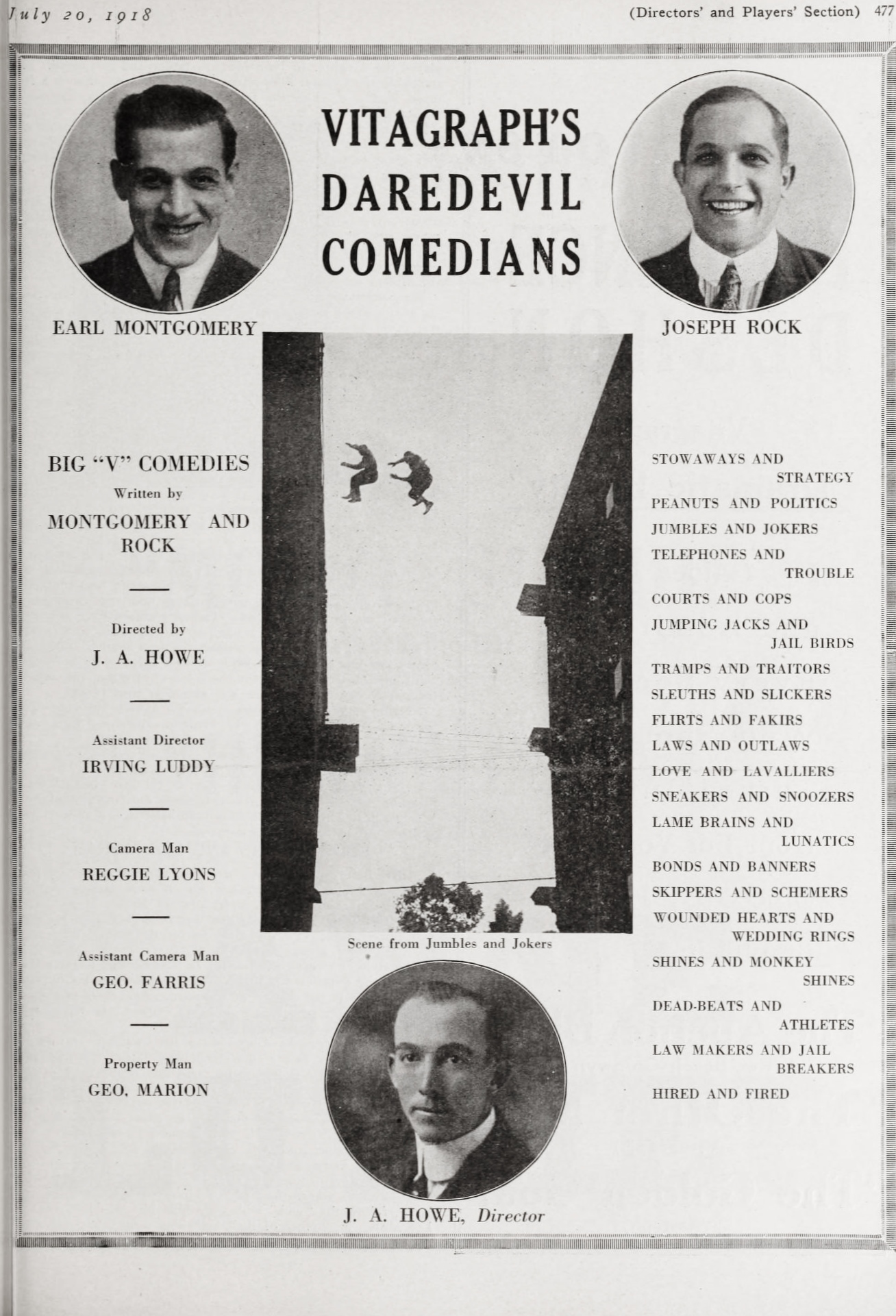
In the vibrant, if somewhat absurd, social tapestry of the early 20th century, 'Flirts and Fakirs' unfurls a comedic narrative centered on the beguiling allure of the exotic and the precarious tightrope walk of societal deception. Our protagonist, a perpetually bored heiress named Daphne Van Derbilt, possessed of an unyielding thirst for the novel, finds herself captivated by the arrival of the enigmatic 'Swami Vishnu' – a supposed mystic of profound spiritual insight, though in truth, a cunning charlatan named Bartholomew 'Barty' Butterfield (portrayed with a delightful blend of earnestness and guile by Earl Montgomery). Barty, a master of theatricality and misdirection, has successfully infiltrated the city's upper echelons, promising enlightenment and romantic prophecies to a coterie of credulous socialites. Daphne, initially a skeptic, succumbs to his charm and the tantalizing prospect of a life less ordinary, embarking on a series of increasingly elaborate 'spiritual consultations' that are, in fact, thinly veiled flirtations. Her straight-laced, eminently sensible suitor, Reginald Chesterton (a wonderfully exasperated Joe Rock), watches with mounting alarm, determined to unmask the 'Swami' and reclaim Daphne's affections. The plot escalates into a madcap scramble involving séances, a stolen (and rather unconvincing) crystal ball, and a climactic society gala where Barty's grandest illusion is set to take center stage. The film masterfully juggles the burgeoning romantic tension between Daphne and Reginald with the farcical efforts to expose Barty, highlighting the era's fascination with spiritualism and the eternal human susceptibility to a captivating performance, all while delivering a surprisingly poignant commentary on the search for meaning beyond the gilded cage of privilege.
Review Excerpt
"
Unveiling the Charms of 'Flirts and Fakirs': A Deep Dive into Silent Era Satire
In the annals of early cinema, where flickering shadows often danced with grand ambitions and nascent storytelling techniques, there exists a particular charm in discovering forgotten gems. 'Flirts and Fakirs,' a delightful escapade starring the comedic duo of Earl Montgomery and Joe Rock, penned by their own hands, stands as a testament to the era's inventive spirit and its burgeoning understanding of visu..."