DbcultAccessing Vault...
Cult Review
Senior Film Conservator
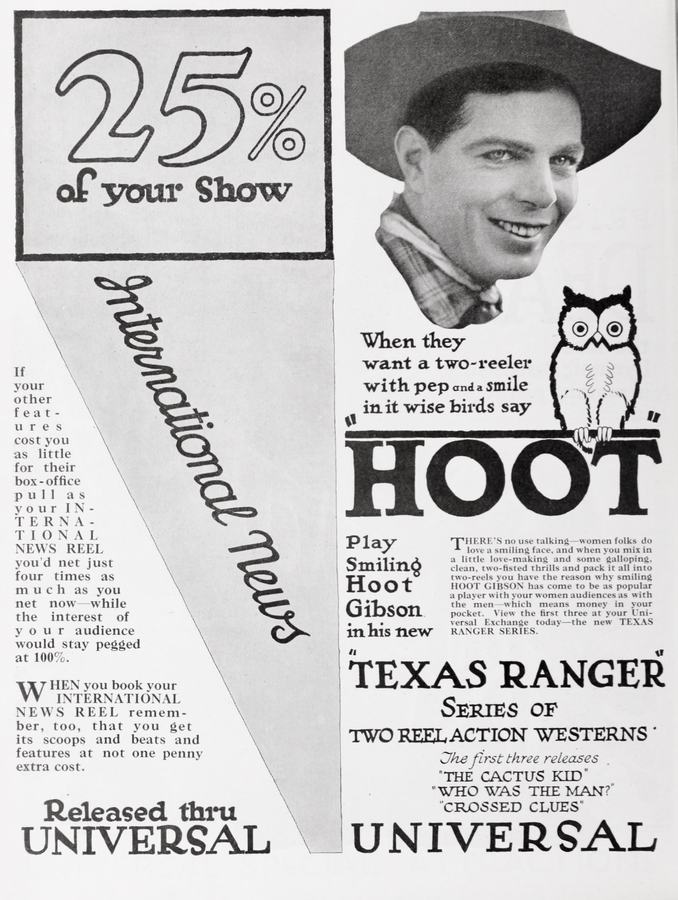
Stepping into the dusty, sun-baked world of The Cactus Kid is akin to unearthing a forgotten treasure from the golden age of silent cinema. This 1921 Western, starring the inimitable Hoot Gibson, offers far more than a simple shoot-em-up; it's a vibrant tapestry woven with threads of deception, burgeoning industrial ambition, and the timeless struggle between good and evil. In an era where the silver screen was still finding its voice, films like this laid the foundational grammar for an entire genre, defining heroics and villainy with broad, expressive strokes that resonated deeply with audiences eager for escapism and adventure. The film's unassuming title belies a narrative rich with suspense and daring, a testament to the ingenuity of early filmmakers working within the nascent conventions of the Western form. It's a journey back to a time when cinematic storytelling relied purely on visual prowess and the magnetic charisma of its stars.
The narrative, penned by the skilled George Morgan, plunges us directly into the Machiavellian machinations of a slick, unscrupulous operator. This antagonist, whose very presence exudes an oily charm, orchestrates a cunning swindle, peddling a seemingly worthless oil lease to Gertrude's unsuspecting, earnest father. It’s a classic setup, one that speaks to the burgeoning industrial frontier of the American West, where dreams of quick riches often collided with the harsh realities of exploitation. The promise of "black gold" was a potent lure, capable of corrupting even the most steadfast moral compasses, and here, it serves as the catalyst for the entire dramatic arc. This initial deception isn't merely a plot device; it's a keen observation on the speculative frenzy that gripped regions like Texas and Oklahoma during the early 20th century, where fortunes were made and lost on the whims of geological surveys and the integrity of land deeds. The villain, a master of disingenuous charm, convinces the trusting father that he is merely offloading a useless parcel of land, pocketing a paltry sum for what he believes to be a harmless, if unethical, transaction.
What begins as a simple con, however, quickly escalates. The villain, initially confident in his petty triumph, soon discovers a cruel twist of fate: the very lease he so casually dismissed as valueless turns out to be sitting on a veritable ocean of crude. This revelation transforms his initial smugness into a desperate, rapacious greed. The stakes are instantly heightened, and the film pivots from a story of simple fraud to one of escalating criminal intent. His desire to reclaim the now-precious document drives him to an act of shocking audacity – the kidnapping of Gertrude Olmstead's character, Gertrude. Her abduction is not just a personal affront; it’s a calculated move to leverage her father's love and desperation against the burgeoning fortune he now unknowingly possesses. The vulnerability of the innocent woman, a common trope in Westerns, is here employed to magnify the villain’s moral bankruptcy and to underscore the brutal consequences of unchecked avarice. Gertrude, portrayed with a compelling blend of fragility and inner fortitude by Olmstead, becomes the ultimate pawn in this high-stakes game, her very existence threatened by the villain's insatiable hunger for wealth.
Enter Hoot Gibson. His portrayal of the titular "Cactus Kid" is a masterclass in silent film heroism. Gibson, with his lean physique, expressive eyes, and undeniable charisma, embodies the quintessential Western archetype: the stoic, resourceful, and ultimately righteous figure who emerges from the vast, untamed landscape to right wrongs. Unlike some of his contemporaries who relied more on brute force, Gibson brought a certain agility and understated charm to his roles, often performing his own breathtaking stunts. His presence here is a comforting anchor, a promise of impending justice in a world teetering on the brink of chaos. He doesn't just ride in; he seems to materialize from the very spirit of the West itself, a force of nature responding to injustice. His movements are fluid, his gaze unwavering, projecting an aura of quiet confidence that immediately reassures the audience of his eventual triumph. This isn't a verbose hero; his heroism is communicated through action, through his steadfast determination and his unwavering moral compass.
The film's pacing, typical of the era, builds steadily towards its thrilling crescendo. The tension mounts as Gertrude's plight becomes more desperate, and Hoot's pursuit grows more relentless. The supporting cast, including Charles Newton, Ben Corbett, and Duke R. Lee, contribute to the rugged authenticity of the setting, portraying the various denizens of this frontier town with convincing grit. Connie Henley and Gertrude Olmstead, in particular, lend a crucial human element to the narrative, their vulnerability and strength providing the emotional core that drives Hoot's heroic endeavors. Olmstead, a prominent actress of the silent era, brings a nuanced performance to Gertrude, conveying fear, defiance, and hope without uttering a single word, relying instead on the powerful language of gesture and facial expression. Her performance is a testament to the artistry required in silent film, where every movement and glance carried significant weight. The film masterfully uses cross-cutting between Gertrude's desperate captivity and Hoot's relentless chase, ratcheting up the suspense with each passing frame.
The true highlight, and indeed the enduring legacy, of The Cactus Kid resides in its breathtaking climax. The confrontation atop an oil derrick is not merely a fight scene; it is a meticulously choreographed ballet of danger and daring. Imagine the sheer audacity of filming such a sequence in 1921, long before the advent of sophisticated CGI or even highly advanced safety equipment. This was real peril, real heights, and real stunt work, often performed by Gibson himself. The derrick, a symbol of the very wealth that ignited the conflict, transforms into a treacherous battleground, its skeletal structure reaching precariously towards the sky. The wind whips around the combatants, the metal groans under their weight, and the vast, unforgiving landscape stretches out beneath them, emphasizing the dizzying height and the mortal stakes. The visual impact is immediate and visceral, a testament to the raw courage of the performers and the creative vision of the filmmakers.
This sequence is a masterclass in visual storytelling, leveraging the inherent drama of the setting to amplify the physical struggle. The camera angles, though limited by the technology of the time, are employed to emphasize the dizzying heights and the precariousness of the fight. Every punch, every grapple, every near-fall is magnified by the sheer drop below. It’s a testament to the ingenuity of early filmmakers to create such visceral tension with relatively rudimentary tools. For contemporary audiences, accustomed to green screens and digital enhancements, witnessing such authentic, death-defying stunts performed by the actors themselves (or their equally fearless stunt doubles) offers a rare and exhilarating glimpse into the raw courage that defined early cinema. This scene alone cements The Cactus Kid as a significant entry in the Western canon, demonstrating how early filmmakers pushed the boundaries of cinematic action. The sheer physicality of Gibson's performance here is astounding, a testament to his background as a rodeo performer and his fearless approach to filmmaking. He is not just acting; he is embodying the very spirit of daring-do that audiences craved.
IMDb —
1928
Community
Log in to comment.