DbcultAccessing Vault...
Cult Review
Senior Film Conservator
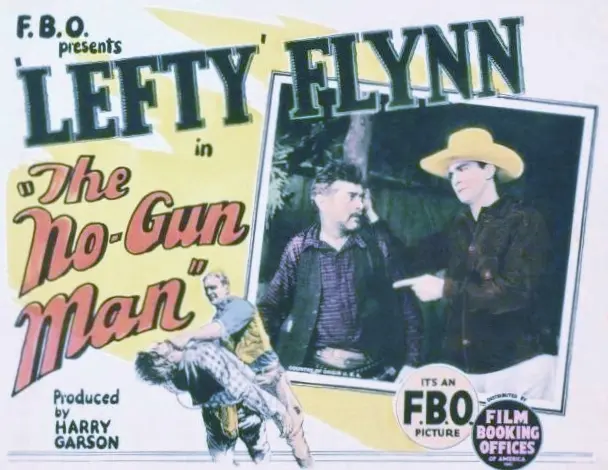
The No-Gun Man, a cinematic endeavor from the early 1930s, presents a complex tapestry of themes and character dynamics, expertly woven by writers Dorothy Arzner and Paul Gangelin. This gripping narrative revolves around Bill Kilgore, the charismatic leader of a gang of outlaws, who takes refuge in the sleepy town of Red Rock after a successful bank heist.
The film's atmospheric tension is palpable from the onset, as Kilgore's rough-around-the-edges demeanor and attempts to woo Carmen Harroway, the lovely proprietor of a quaint confectionery store, are met with a mixture of fear and disinterest. Kilgore's dragooning of the townspeople into boycotting Carmen's business serves as a testament to his calculating nature, underscoring the themes of control and manipulation that permeate the narrative.
The arrival of Bob Vincent, an enigmatic stranger with an air of mystery, sets off a chain of events that propels the plot towards its thrilling conclusion. Vincent's rapid befriending of Carmen and his subsequent infiltration of Kilgore's gang, masquerading as a skilled forger, exemplifies his resourcefulness and cunning. As Kilgore and Vincent orchestrate a daring mail train robbery, their plans are disrupted by Kilgore's impulsive abduction of Carmen, a pivotal moment that serves as a turning point in the narrative.
Vincent's valiant efforts to rescue Carmen are temporarily thwarted, and he finds himself bound to a handcar hurtling towards an oncoming train. In a heart-stopping display of ingenuity, Vincent manages to free himself and prevent the impending catastrophe, thereby foiling the robbery. This tour-de-force sequence serves as a testament to the film's masterful pacing and direction.
Ultimately, Kilgore and his cohorts are apprehended, thanks in large part to Vincent's instrumental role. The denouement reveals Vincent's true identity as the president of the bank initially robbed by Kilgore's gang; he retrieves the pilfered bonds and extends an invitation to Carmen to become his wife. This poignant conclusion underscores the themes of redemption and love that permeate the narrative.
In comparison to other films of the era, such as Without Evidence and Ludzie bez jutra, The No-Gun Man stands out for its intricate plot and nuanced character dynamics. The film's exploration of themes such as control, manipulation, and redemption serves as a testament to its enduring relevance.
The performances of the cast, including Gloria Grey, Maurice 'Lefty' Flynn, and William Quinn, are noteworthy, bringing depth and complexity to the narrative. The film's cinematography and direction, courtesy of the visionary filmmakers of the era, expertly capture the atmospheric tension and suspense that permeate the narrative.
In conclusion, The No-Gun Man is a gripping tale of love, deception, and redemption that warrants close attention from film enthusiasts and scholars alike. Its intricate plot, nuanced character dynamics, and exploration of timeless themes serve as a testament to its enduring relevance, cementing its place as a classic of the era.
IMDb —
1917
Community
Log in to comment.