DbcultAccessing Vault...
6.3/10
Senior Film Conservator
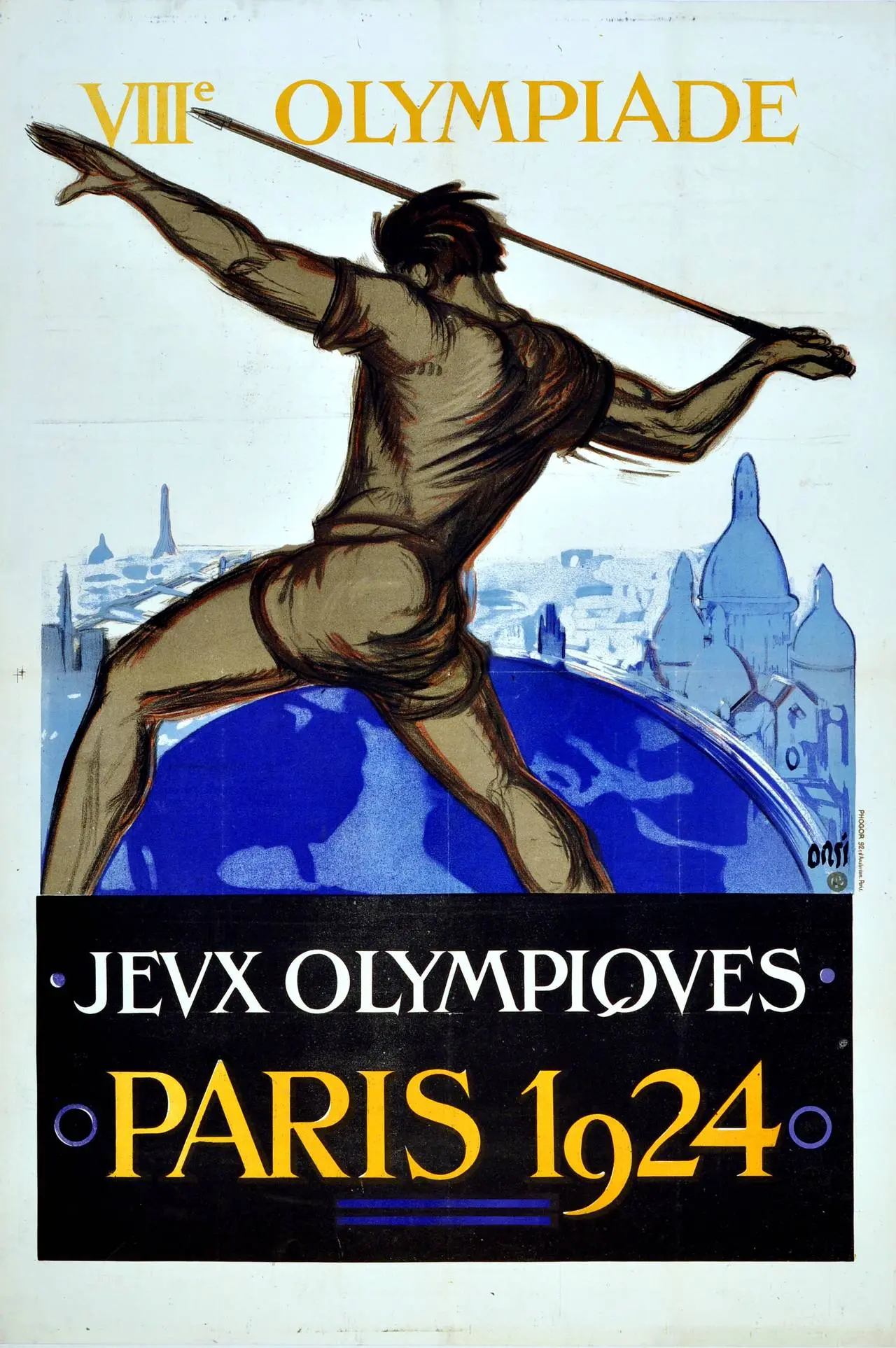
A definitive 6.3/10 rating for a film that redefined the boundaries of cult cinema. The Olympic Games in Paris 1924 remains a cornerstone of transgressive art.
The Olympic Games in Paris 1924 serves as a fascinating time capsule, encapsulating the exuberance and competitive fervor of an era when the Olympics began to captivate global audiences. This documentary, featuring Jean de Rovera, presents an unadulterated look at the events that transpired during those seminal summer months in 1924, skillfully evoking a bygone era through captivating archival footage.
The Cinematographic Chronicle
From the onset, the film adopts a brisk pace, hurtling viewers into the thick of the action with breathtaking sequences of track and field events. The 800-meter dash, with its dramatic build-up and nail-biting finish, showcases the mettle of athletes like Paavo Nurmi, whose dominance on the track became the stuff of legend. Similarly, the high jump and pole vault events highlight the incredible athleticism and technique of competitors, underscoring the evolution of sporting techniques over the years.
One of the documentary's significant strengths lies in its ability to intersperse sporting events with cultural and social vignettes, providing a more holistic view of the Olympic experience. For instance, scenes of spectators and athletes mingling, the display of national flags, and the 1924 Paris Olympics' distinctive posters add layers of context, transforming the film into a rich cultural artifact.
Echoes of Olympic Glory

The presence of Eric Liddell, the Scottish athlete who refused to compete on Sundays, adds a compelling narrative thread to the documentary. Liddell's story, interwoven with that of other iconic athletes, injects a dose of inspiration and human interest into the film. His courage in adhering to his principles, despite the potential for athletic glory, resonates deeply, transcending the realm of sports to touch on universal themes of faith, identity, and conviction.
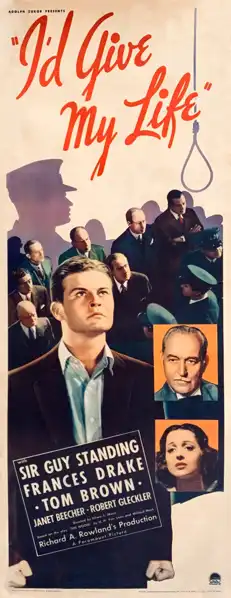
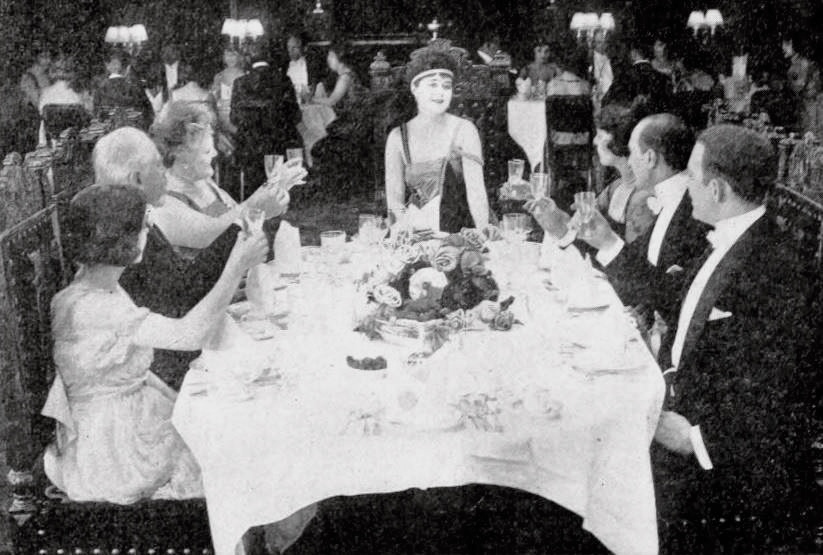
When juxtaposed with other films of its era, such as The Greek Interpreter and The Triumph of Love, The Olympic Games in Paris 1924 stands out for its documentary realism and cinematic craftsmanship. Unlike the narrative-driven The Triumph of Love or the more exotic locales of The Greek Interpreter, this documentary presents an unflinching, vérité-style portrayal of the Olympics, focusing on the raw emotion and unbridled competition that define international sports.
The documentary concludes on a note of jubilation, as athletes from disparate corners of the globe converge to celebrate their shared achievements. This euphoric denouement, replete with iconic Olympic imagery – the torch lighting, national anthems, and athletic camaraderie – encapsulates the essence of the Olympic spirit. It is a testament to the enduring power of sports to unite, inspire, and transcend cultural and linguistic barriers.
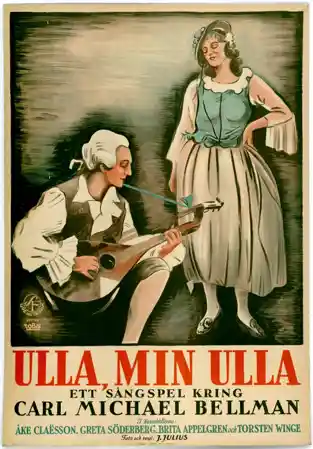
In comparison to other silent-era documentaries or sports films like Channing of the Northwest or Sky-Eye, The Olympic Games in Paris 1924 distinguishes itself through its meticulous attention to historical detail and visually stunning footage. It not only chronicles the events of the 1924 Olympics but also succeeds in conveying the zeitgeist of an era, making it an invaluable resource for historians, sports enthusiasts, and film scholars alike.
Ultimately, The Olympic Games in Paris 1924 emerges as a masterful cinematic tribute to the Olympic Games, capturing the vibrancy, drama, and international flair of one of the world's premier sporting events. Through its preservation and presentation of historical footage, the documentary offers an enchanting journey into the past, rekindling memories of legendary athletes and iconic moments that have become enshrined in the collective consciousness of sports aficionados worldwide.

IMDb 5.8
1924
Community
Log in to comment.