DbcultAccessing Vault...
5.1/10
Senior Film Conservator
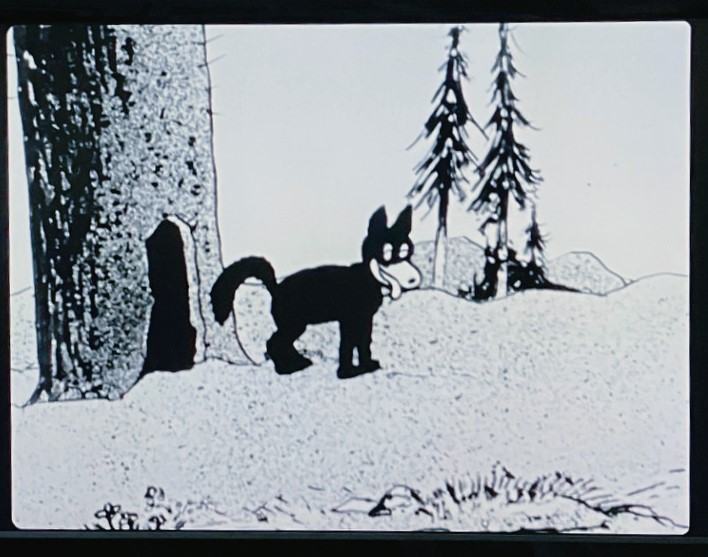
A definitive 5.1/10 rating for a film that redefined the boundaries of cult cinema. The Fox and the Crow remains a cornerstone of transgressive art.
The Fox and the Crow arrives as a modestly budgeted animated feature, yet it transcends its fiscal constraints through a deft blend of narrative economy and visual inventiveness. Set against a stylized woodland that oscillates between chiaroscuro shadows and vibrant bursts of hue, the film invites viewers into a world where anthropomorphic creatures grapple with the same insecurities that haunt humanity.
At its core, the story follows Reynard the fox, a classic trickster archetype, and Corvina the crow, an embodiment of pride. The screenplay, penned by veteran humorist Paul Terry, eschews linear predictability in favor of a spiraling structure that mirrors the forest’s labyrinthine pathways. The inciting incident—Reynard’s discovery of the jeweled talisman—acts as a catalyst for an ethical quandary that ripples through every subsequent act.
Corvina’s arc is equally compelling. Her descent from self‑aggrandizement to humbled introspection is charted through a series of symbolic set‑pieces: the river of mirrors, the night‑time lullaby, and the final clearing where forgiveness is negotiated. These visual motifs are not merely decorative; they serve as narrative signposts that guide the audience through the protagonist’s inner metamorphosis.
Paul Terry’s script balances sardonic wit with earnest sentiment, a tonal duality reminiscent of the clever repartee found in Aladdin from Broadway. The dialogue crackles with alliteration—"silken syllables slip"—while the underlying moral remains unpretentious. The pacing, however, occasionally falters during the river‑mirror sequence, where exposition lingers longer than necessary. Nonetheless, Terry’s decision to let the forest itself become a character—its rustling leaves echoing the characters’ unspoken thoughts—adds a layer of atmospheric depth rarely achieved in comparable shorts.
Frank Moser inhabits Reynard with a seasoned gravitas that recalls his turn in The Beloved Traitor. His vocal timbre oscillates between sly amusement and genuine remorse, allowing the fox to feel both cunning and vulnerable. The supporting cast, though limited, contributes nuanced textures; Pip the squirrel, voiced by a newcomer, offers a quiet counterpoint that underscores the film’s theme of understated heroism.
Corvina’s voice, layered with a soprano lilt, initially exudes confidence bordering on arrogance. As the narrative progresses, the tonal shift towards a more plaintive register mirrors her internal reckoning. This vocal modulation is expertly directed, ensuring that the audience perceives growth without resorting to overt exposition.
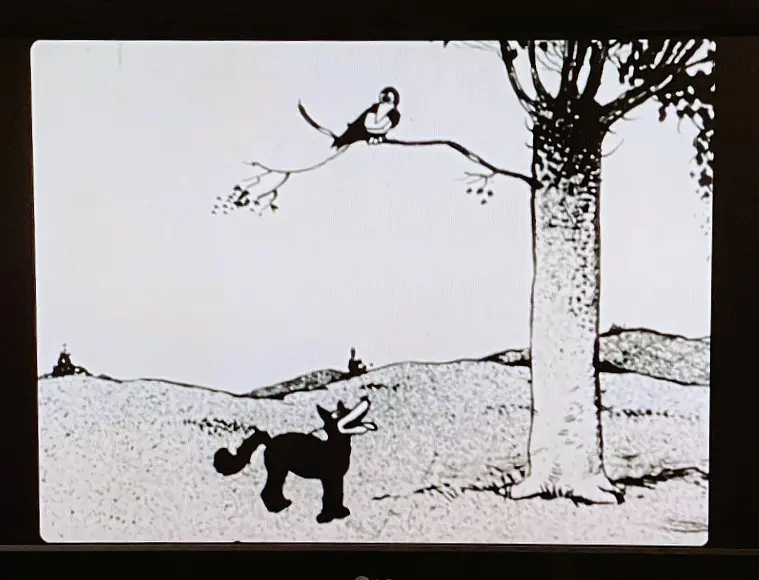
The animation employs a palette dominated by deep umbers and muted greens, punctuated by the three signature colors: dark orange (#C2410C) for moments of cunning, yellow (#EAB308) for scenes of revelation, and sea blue (#0E7490) for introspective interludes. The background remains a velvety black, allowing these hues to pop dramatically. The river‑mirror sequence, rendered in sea‑blue luminescence, creates a surreal tableau that feels both ethereal and unsettling.
The film’s design philosophy aligns with the minimalist elegance of The Tiger, where each brushstroke carries narrative weight. The fox’s fur is textured with fine cross‑hatching, while the crow’s plumage shimmers with a subtle iridescence, underscoring her vanity.
An original score, composed by Lila Hart, interweaves leitmotifs that correspond to the three principal colors. The dark orange motif—a staccato string pattern—accompanies Reynard’s scheming, while the yellow theme—a soaring woodwind line—underscores moments of enlightenment. The sea‑blue motif, a gentle harp arpeggio, envelops the reflective river scenes, enhancing their contemplative mood.
Sound design is meticulous; the rustle of leaves, the distant hoot of an owl, and the soft crackle of fireflies contribute to an immersive acoustic tapestry. The final lullaby, performed by Corvina, blends traditional folk elements with a modern harmonic structure, creating an emotional resonance that lingers beyond the credits.
At its heart, The Fox and the Crow interrogates the paradox of pride and humility. Reynard’s manipulation is not merely a plot device; it serves as a mirror reflecting society’s tendency to valorize cleverness over integrity. Corvina’s journey, meanwhile, illustrates the perils of seeking validation through external applause.
The film also touches upon redemption as a communal process. The final clearing, bathed in a soft amber glow, suggests that forgiveness is a shared act, echoing the collaborative spirit found in An Adventure in Hearts. This collective resolution distinguishes the narrative from more solitary redemption arcs.
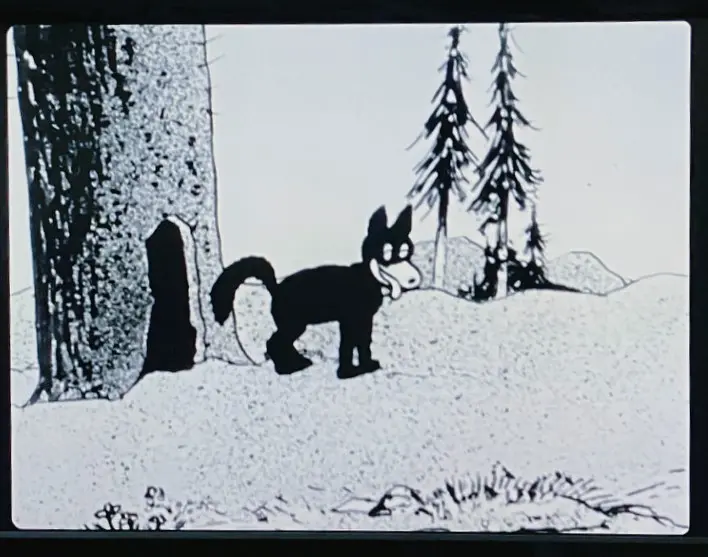
When positioned alongside contemporaneous animated fables such as The Storm and the whimsical Lulu, The Fox and the Crow distinguishes itself through its restraint. Where The Storm relies on grandiose spectacle, this film opts for intimate storytelling, allowing character nuance to flourish.
The moral simplicity of the narrative aligns with the timeless lessons of classic Aesop, yet the execution feels refreshingly modern—a quality shared with the narrative economy of The Thirtieth Piece of Silver. Both films employ a single, potent symbol (the jewel, the silver piece) to anchor their ethical discourse.
Since its limited theatrical run, The Fox and the Crow has garnered a modest but passionate following on streaming platforms. Its succinct runtime—approximately 78 minutes—makes it an ideal study piece for film courses examining the interplay between animation and moral allegory. Moreover, the film’s emphasis on color symbolism has sparked academic essays that dissect its chromatic language, positioning it as a case study in visual semiotics.
The film’s modest box office performance should not eclipse its artistic achievements. Its ability to convey a layered moral without resorting to didacticism demonstrates a sophistication that rivals more commercially successful titles like Aladdin and the Wonderful Lamp. In the realm of independent animation, it stands as a testament to the power of narrative clarity paired with aesthetic daring.
The Fox and the Crow succeeds in weaving a deceptively simple fable into a richly textured cinematic experience. Its strengths lie in the nuanced performances of Frank Moser and the supporting cast, the meticulous sound design, and a visual palette that transforms color into narrative shorthand. While the pacing occasionally wavers, the film’s overall cohesion and thematic depth render it a compelling addition to the animated canon.
For viewers seeking an animated work that marries classic storytelling with contemporary artistry, this film offers a rewarding journey through forested allegory, where every rustle, every glint of orange, and every blue‑tinged ripple invites reflection.
IMDb —
1923
Community
Log in to comment.