DbcultAccessing Vault...
6.1/10
Senior Film Conservator
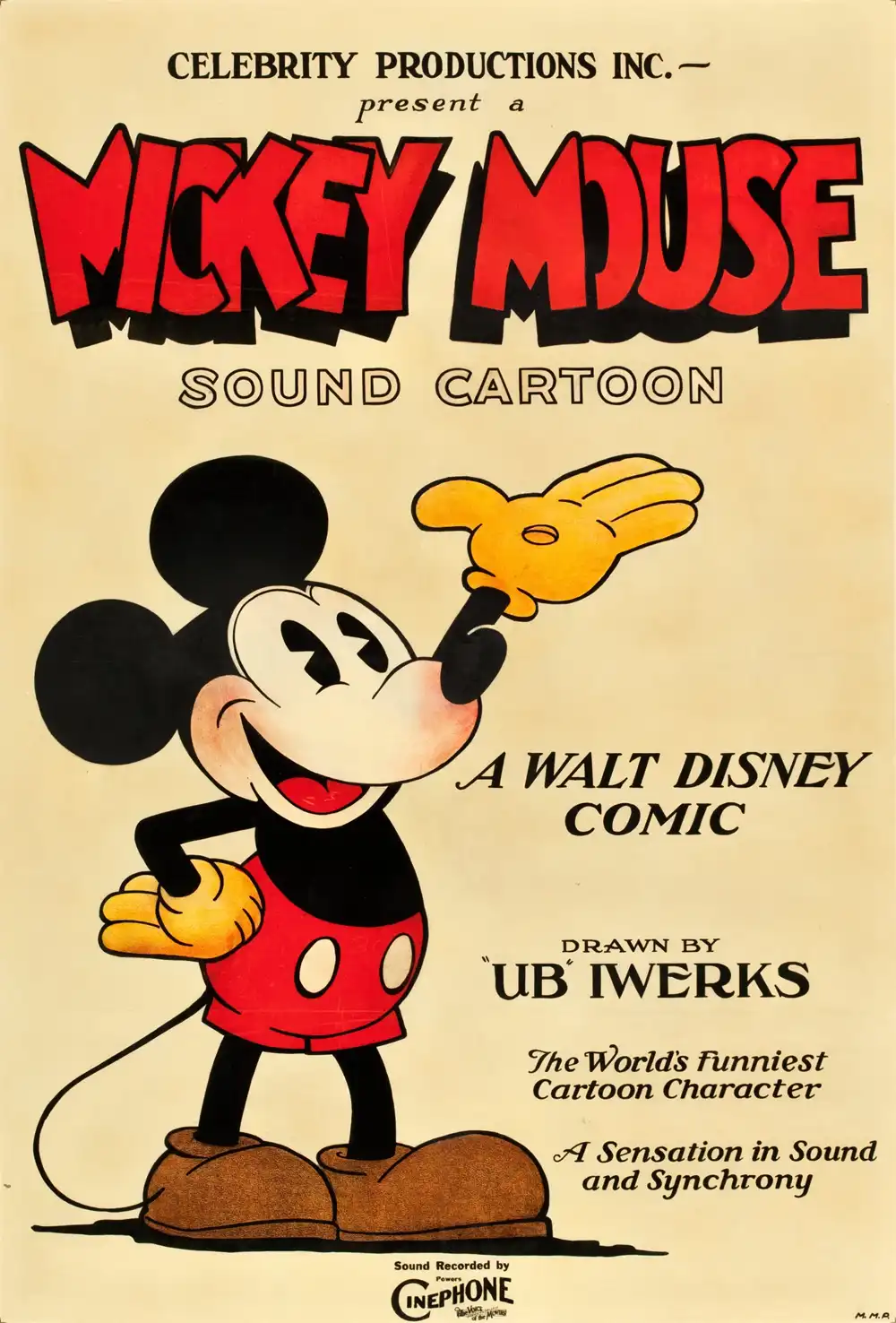
A definitive 6.1/10 rating for a film that redefined the boundaries of cult cinema. The Opry House remains a cornerstone of transgressive art.
If you've ever wondered how Mickey Mouse went from a simple little guy to, well, Mickey Mouse, then 1929's “The Opry House” is totally worth a look. It's a quick, zippy dive into early sound cartoons. Folks who dig animation history or just love seeing classic Disney bits will get a real kick out of it. If you're looking for a deep story or super smooth animation, though, you might find it a bit... quaint. Don't go in expecting Pixar, you know?
This short, barely seven minutes long, throws Mickey into the role of a theatre owner *and* the entire entertainment lineup. It’s wild. He's got this little opera house, feels kinda rickety, like it might fall apart any minute. You can tell it's not exactly Carnegie Hall. 🎭
The whole thing opens with Mickey getting the place ready. He’s sweeping, he’s tidying up. Then he hops on stage, first as a snake charmer. The snake itself is just a wavy line, really, but the way Mickey handles it, you get the idea. The music is all over the place, kind of jazzy and frantic.
Then comes the belly dance. Oh boy. He uses these two contraptions, like big drums, to make a costume. It’s pretty clever, actually, for how basic the animation is. The way he shakes and wiggles, it’s all very *physical* comedy. You can almost hear the animators giggling as they drew it. 😂
The piano act is where it really shines, though. Mickey, with this ridiculously long hair wig, sits down at a piano that just won't behave. The piano itself is a character, slamming its lid, spinning around. It’s a riot. You see him battling the instrument, not just playing it.
One bit, he's playing so fast, his fingers blur. It’s a nice touch for a cartoon from that era. And the piano stool even tries to get away from him! It’s all about the gags here, not really a plot, just one silly thing after another.
The audience in the background is pretty funny too. They’re just shapes, mostly, but they react. They clap, they move. It’s a reminder that these early cartoons had to work hard to sell the illusion with so little.
What struck me was how much energy Mickey had. He's not the calm, collected mouse we often think of. Here, he's a bit of a chaotic showman. 💥 He's trying so hard, even when things are clearly going wrong.
You can see the foundations of Disney's character work, even this early. The expressions are simple, but effective. When Mickey gets frustrated with the piano, you *feel* it. It’s raw, you know?
It's not a masterpiece of storytelling, obviously. But as a glimpse into what was possible with sound and animation back then, it’s genuinely fascinating. It’s like watching a band’s first garage practice. Rough, but full of heart.
And that piano solo. Seriously, it's pretty impressive for a 1929 cartoon. The sheer inventiveness of it. The way the keys jump and slide. It’s almost surreal. Almost a little scary for a second, how alive that piano gets. What were they thinking?
So yeah, give it a watch. It’s a quick, charming blast from the past. You'll probably smile a few times. Maybe even laugh at the sheer audacity of some of the gags. It’s a piece of history, loud and proud. 🤩
IMDb 6.6
1923
Community
Log in to comment.