DbcultAccessing Vault...
Cult Review
Senior Film Conservator
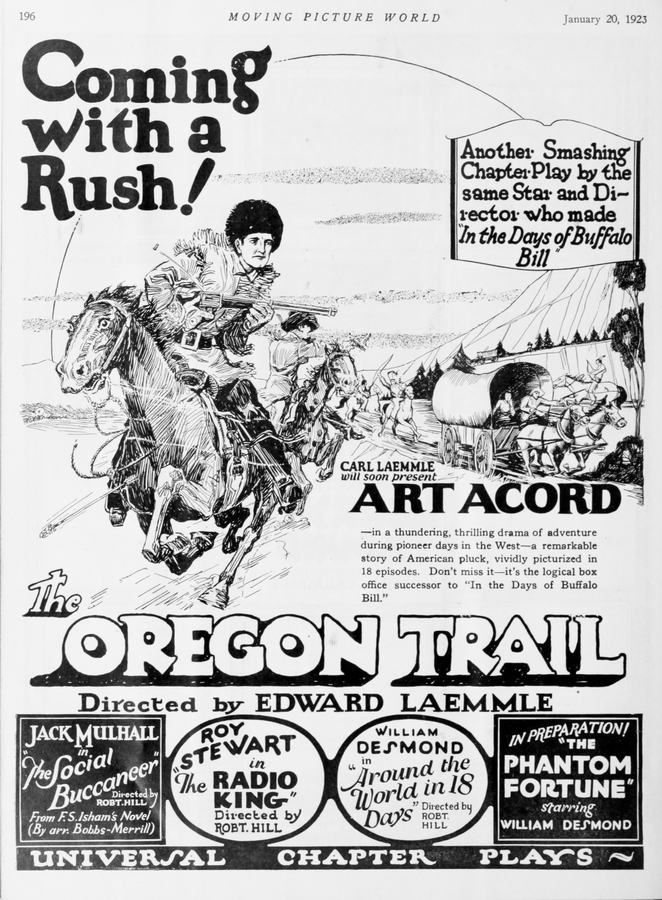
Ah, the silent era! A time when celluloid communicated through grand gestures, evocative intertitles, and the raw power of visual storytelling. Amidst this vibrant tapestry of early cinema, the Western serial stood as a towering monument to adventure, resilience, and the relentless spirit of a nascent nation. And few serials captured that pioneering essence quite like 1923's 'The Oregon Trail'. This isn't just a film; it's a journey, a historical artifact, and a pulsating narrative that, even a century later, still resonates with a certain rugged charm.
From its very inception, 'The Oregon Trail' plunges us headfirst into the daunting, often brutal, reality of westward expansion. This isn't a romanticized stroll through picturesque meadows; it's a relentless struggle for survival against both nature's unforgiving hand and humanity's darker impulses. The narrative, meticulously crafted by the collective genius of Jefferson Moffitt, Anthony Coldeway, Robert Dillon, and Douglas Bronston, unfolds across fifteen thrilling chapters, each concluding with a heart-stopping cliffhanger designed to lure audiences back week after week. It's a testament to their writing acumen that even without the benefit of sound, the tension is palpable, the stakes unequivocally clear.
At its core, the story follows a determined band of settlers, their wagons laden with dreams and meager possessions, as they embark upon the perilous trek from Missouri to the promised lands of Oregon. Their leader, the venerable Colonel Nelson, carries not just the burden of leadership but also a shadowed past that intertwines with the very destiny of his people. Their path is fraught with danger: treacherous river crossings that threaten to swallow entire families, parched deserts that test the limits of human endurance, and formidable mountain passes that seem to defy passage. Yet, the most formidable adversary isn't the landscape itself, but the insidious presence of 'Bull' Braden, a ruthless outlaw whose gang preys on the vulnerable pioneers. Braden’s malevolence transcends mere opportunism; there's a deeper, more personal vendetta driving his campaign of terror, hinting at a hidden history that slowly unravels through the serial's intricate chapters.
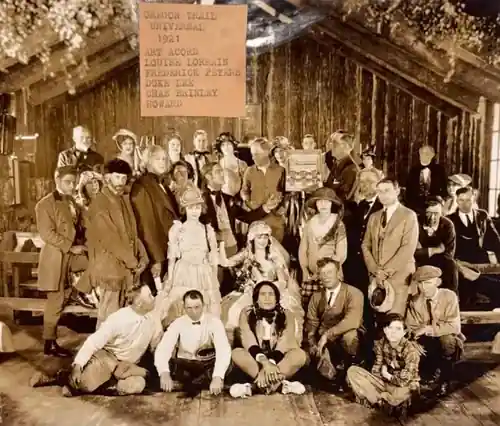
Central to this epic is Art Somers, portrayed with characteristic stoicism and agility by the legendary Art Acord. Somers, a seasoned scout and a true son of the frontier, becomes the settlers' unlikely protector, his skills in tracking, horsemanship, and marksmanship proving invaluable against Braden's relentless assaults. His journey is not solitary, however. He finds a kindred spirit in Sally Bannister, a spirited young woman whose courage and resilience match his own. Their burgeoning romance, a delicate bloom amidst the harsh realities of the trail, provides a poignant counterpoint to the relentless action and suspense. The narrative masterfully balances these elements, ensuring that while the thrills are plentiful, the human heart of the story remains firmly intact. It's a sprawling saga that, much like the actual Oregon Trail, demands perseverance and promises a payoff for those who endure its challenges.
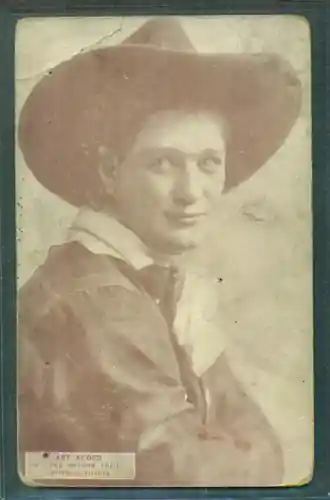
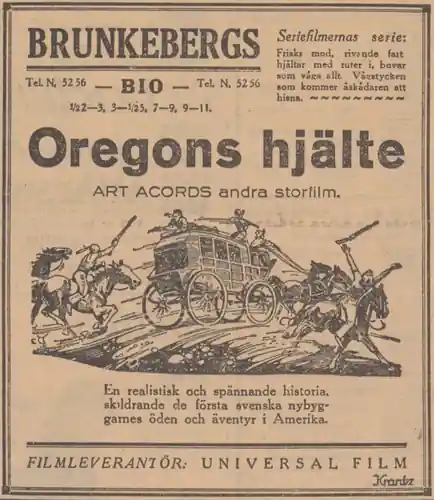
Art Acord was, without hyperbole, a phenomenon of the silent screen Western. His portrayal of Art Somers in 'The Oregon Trail' is a prime example of his magnetic screen presence and unparalleled physicality. Acord wasn't just an actor; he was a genuine cowboy, a rodeo champion whose authenticity permeated every frame. When he rode Fleetwood the Horse, you believed it wasn't a stuntman but a man utterly at home in the saddle, part of the very landscape. His actions spoke louder than any intertitle could, conveying determination, bravery, and a quiet sense of justice with a mere glance or a subtle shift in posture.
Acord's appeal lay in his ability to combine rugged masculinity with an inherent sense of decency. He was the archetypal hero of the era: strong, capable, but never overtly boastful. His fight sequences, whether on horseback or in hand-to-hand combat, were executed with a naturalistic flair that set him apart. He moved with an economical grace, each movement purposeful, each punch impactful. This realism made the dangers faced by the pioneers feel all the more visceral. He wasn't just performing; he was reliving a version of the life he knew. His interactions with Rex the Dog, his faithful canine companion, added another layer to his character, showcasing a tender side beneath the hardened exterior. Rex, it must be said, is a star in his own right, often proving instrumental in turning the tide against the villains, a furry embodiment of loyalty and quick thinking. It’s a dynamic that elevates the film beyond mere action, infusing it with heart and genuine companionship.
Opposite Acord, Louise Lorraine shines as Sally Bannister, embodying the strength and vulnerability of women on the frontier. Silent film acting, particularly for female leads, demanded a delicate balance of expressive facial work, gestural communication, and an ability to convey deep emotion without a single spoken word. Lorraine masterfully navigates this challenge, portraying Sally as a woman of immense spirit, capable of both tender moments and fierce defiance. She is not merely a damsel in distress; Sally is an active participant in the struggle, often demonstrating her own resourcefulness and courage in the face of overwhelming odds.
Her chemistry with Acord is undeniable, a quiet understanding that blossoms through shared hardship and mutual respect. Their relationship is a cornerstone of the film's emotional resonance, providing moments of respite and hope amidst the relentless peril. Lorraine's performance grounds the fantastical elements of the serial, reminding us of the very human stakes involved. Her wide, expressive eyes communicate fear, determination, and affection with remarkable clarity, drawing the audience into her struggles and triumphs. She represents the enduring spirit of the pioneer woman, a figure often overlooked in the grand narratives of the West, but undeniably crucial to its very fabric. Her portrayal here, much like the nuanced emotional depth found in Honor's Altar, demonstrates a sophisticated understanding of silent dramatic expression.
No epic Western is complete without a formidable array of antagonists, and 'The Oregon Trail' delivers in spades. Sidney De Gray, Frederick Peters, Grace McLean, and Burton Law, among others, craft a memorable rogues' gallery, each contributing to the pervasive sense of dread and danger that stalks the pioneers. De Gray, as 'Bull' Braden, is particularly chilling. His villainy isn't just about robbing wagons; it's steeped in a deeper, more personal animosity, making him a complex and truly menacing figure. He embodies the dark underbelly of expansion, the greed and ruthlessness that often accompanied the pursuit of new lands and riches. His sinister machinations are the primary engine of the serial's suspense, driving many of its most thrilling cliffhangers.
Frederick Peters and the other supporting villains provide the necessary muscle and cunning to Braden's schemes, creating a multi-faceted threat that keeps Art Somers and the settlers constantly on edge. Their performances, often exaggerated for the silent screen, are nevertheless effective in conveying their nefarious intentions. They snarl, they scheme, they pursue with relentless abandon, providing the perfect foil for Acord's stoic hero. The sheer number of obstacles they create – from sabotaged water holes to staged ambushes – ensures that the pioneers never have a moment's peace, escalating the tension with each passing chapter. It's this relentless opposition that truly defines the struggle on the Oregon Trail, making every small victory for the settlers feel hard-won and profoundly significant.
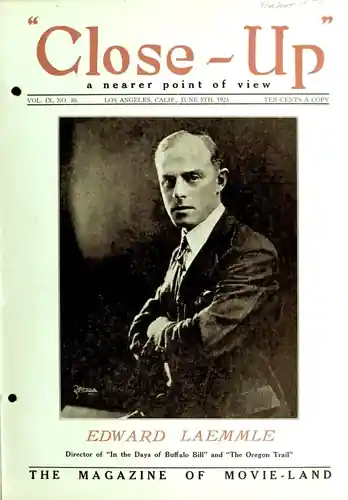
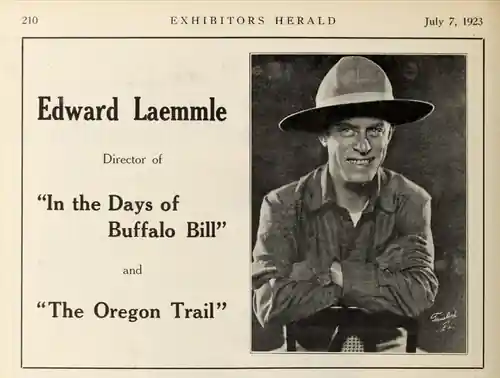
The visual language of 'The Oregon Trail' is a testament to the artistry of silent cinema. The directors, though uncredited in the supplied information, orchestrated a magnificent panorama of the American West. The cinematography, utilizing vast, sweeping landscapes, effectively conveys both the immense beauty and the inherent dangers of the frontier. Wide shots emphasize the isolation and vulnerability of the wagon train, a small ribbon of humanity traversing an indifferent wilderness. Close-ups, conversely, draw us into the raw emotions of the characters, highlighting the subtle nuances of their silent performances. The use of natural light, the stark contrasts between sun-drenched plains and shadowy canyons, all contribute to a powerful sense of realism and atmosphere. The action sequences, particularly the horse chases and daring escapes, are executed with a dynamism that remains impressive even today. The camera becomes an active participant, sweeping alongside galloping horses, capturing the frantic energy of a stampede, or plunging into the heart of a chaotic gunfight. This kinetic energy is reminiscent of the adventurous spirit found in films like The Deuce of Spades, showcasing how silent filmmakers mastered the art of visual thrills.
The editing, crucial in a silent film to maintain narrative pace and clarity, is sharp and purposeful, ensuring that the audience is never lost despite the lack of dialogue. The intertitles, though sparse, are impactful, driving the plot forward and providing essential context without bogging down the visual flow. They are carefully chosen, often poetic, adding to the epic feel of the journey. One can only imagine the communal experience of watching this serial unfold in a darkened theater, accompanied by a live pianist or organist, their music enhancing every dramatic turn, every heroic feat. The combination of compelling visuals, robust performances, and clever storytelling creates a truly immersive experience that transcends the limitations of its era. It's a masterclass in how to tell a grand story with purely visual means, proving that the silent screen was anything but quiet in its impact. The scale and ambition of the production, in fact, sometimes evoke the sweeping historical narratives seen in epics like Egri csillagok, albeit in a distinctly American context.
The film serial was a unique and incredibly popular cinematic form, and 'The Oregon Trail' stands as a shining example of its prowess. Each chapter, typically around 20-30 minutes long, was meticulously crafted to end on a nail-biting cliffhanger, a dramatic moment where the hero or heroine faced seemingly insurmountable peril. This ingenious narrative device guaranteed audiences would flock back to the theaters the following week, eager to discover how their beloved protagonists would escape certain doom. It was a brilliant marketing strategy, fostering a deep sense of anticipation and communal engagement with the story. This episodic structure, much like the unfolding mystery of The Seven Pearls, created a loyal following.
The serial format allowed for a sprawling narrative, giving the writers ample time to develop characters, introduce subplots, and escalate the stakes over an extended period. For 'The Oregon Trail', this meant the journey itself felt truly epic, mirroring the real-life arduousness of the westward migration. Audiences weren't just watching a movie; they were experiencing a prolonged adventure alongside the pioneers, sharing in their triumphs and tribulations. The weekly ritual of attending the serial became a cherished part of cultural life, a shared experience that built anticipation and fostered watercooler discussions long before the internet existed. The cleverness of the writers in consistently devising new perils and ingenious escapes, coupled with the performers' commitment to their roles, made each installment a fresh delight. It was a precursor to modern television dramas, proving the enduring appeal of long-form storytelling.
Beyond the thrilling chases and dramatic confrontations, 'The Oregon Trail' delves into profound themes that resonate with the American pioneering spirit. At its heart is the theme of perseverance – the unwavering human will to overcome seemingly impossible obstacles in pursuit of a better life. The settlers face starvation, disease, natural disasters, and human cruelty, yet their resolve rarely falters. This indomitable spirit is epitomized by Art Somers and Sally Bannister, whose personal struggles mirror the collective journey of their community. Their resilience becomes a powerful statement on the strength of the human spirit in the face of adversity, a theme also explored in the gritty determination of characters in films like The Iron Trail.
The film also subtly touches upon the concept of Manifest Destiny, the 19th-century belief that American settlers were destined to expand across the North American continent. While not overtly nationalistic, the narrative frames the journey westward as a noble endeavor, a forging of new communities and the taming of a wild land. However, it doesn't shy away from depicting the harsh realities and the darker aspects of this expansion, particularly through the villainy of 'Bull' Braden, who represents the greed and lawlessness that often accompanied the pursuit of land and resources. The internal conflicts within the wagon train, the moments of doubt and despair, add a layer of complexity, acknowledging that the dream of a new life came at a tremendous personal cost. It's a nuanced portrayal, celebrating the courage of the pioneers while hinting at the broader ethical considerations of such a vast undertaking. The stark choices and moral dilemmas faced by the characters echo the intricate narratives of personal struggles against societal pressures, much like the intense emotional journeys depicted in Blood and Sand, albeit in a different genre.
'The Oregon Trail', like many silent Western serials of its time, holds a significant place in cinematic history. It's a foundational text for understanding the evolution of the Western genre, demonstrating how early filmmakers established many of the tropes and narrative conventions that would endure for decades. The reliance on spectacular stunts, clear-cut heroes and villains, and the dramatic use of landscape would become hallmarks of the genre, influencing countless films that followed. Its episodic structure also laid groundwork for future serialized storytelling, not just in film but eventually in radio and television. The film is a valuable document of popular entertainment from the early 1920s, reflecting the aspirations and anxieties of a nation still grappling with its identity and its frontier past. It showcases the technical ingenuity of its creators, who, despite the limitations of the silent medium, managed to produce thrilling, emotionally resonant narratives that captivated millions. The sheer ambition of a project like this, shot on location and demanding intricate stunt work, speaks volumes about the burgeoning power of cinema as a storytelling medium.
For modern audiences, watching 'The Oregon Trail' offers a unique window into a bygone era of filmmaking. It demands a different kind of engagement, an active participation in interpreting the visual cues and filling in the auditory gaps. But for those willing to embrace its unique charm, the rewards are considerable. It's a reminder of the raw power of visual narrative and the enduring appeal of a well-told adventure story. While many silent films have been lost to time, those like 'The Oregon Trail' that survive offer invaluable insights into the artistry and popular culture of their period. They are not merely relics; they are living testaments to the foundational creativity that shaped the cinematic landscape we know today. Its influence, though perhaps subtle, can be seen in the very DNA of adventure storytelling, much like the pioneering spirit captured in something like Roving Thomas on an Aeroplane, albeit with a different mode of transport.
In conclusion, 'The Oregon Trail' is far more than a dusty artifact from cinema's nascent years. It's a vibrant, exhilarating ride through the heart of the American West, propelled by robust performances, ingenious cliffhangers, and a narrative that never loses its grip. Art Acord, Louise Lorraine, Rex the Dog, and Fleetwood the Horse, alongside the compelling villains, create a memorable ensemble that brings this epic journey to vivid life. For enthusiasts of silent cinema, Westerns, or simply compelling storytelling, this serial offers a rich, rewarding experience. It's a powerful reminder of how effectively early filmmakers could weave intricate tales of heroism and villainy, love and loss, against the majestic backdrop of a burgeoning nation. So, if you ever get the chance to embark upon this cinematic expedition, pack your bags, prepare for adventure, and let 'The Oregon Trail' transport you back to a time when the West was wild, and the silver screen was just beginning to find its voice. It's a journey well worth taking, a testament to enduring courage and the timeless appeal of a good old-fashioned adventure.
IMDb 5.4
1920
Community
Log in to comment.