DbcultAccessing Vault...
Cult Review
Senior Film Conservator
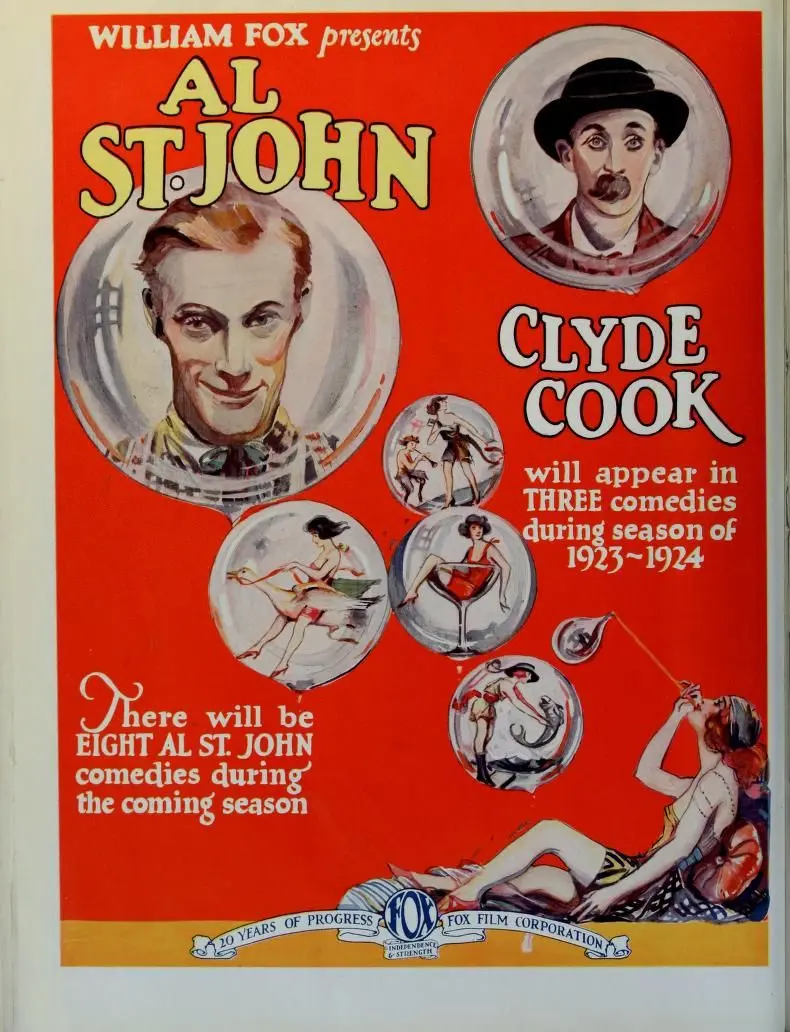
In the bustling, yet often oppressive, New York City of the early 1920s, 'The Orphan' emerges as a poignant and thought-provoking narrative. Directed by an anonymous visionary, this silent film masterfully intertwines a complex web of intrigue, moral ambiguity, and personal redemption. Clyde Cook, in a lead role that demands both subtlety and raw emotion, brings to life a character whose very existence is a paradox – a person who, despite their best efforts, remains on the periphery of society.
At the heart of the story is Sarah, a young woman whose past is shrouded in mystery. Orphaned at a young age, she is taken in by a series of foster homes, each more oppressive than the last. Her resilience and innate sense of justice make her a natural at uncovering the dark secrets surrounding her. The film opens with a dramatic scene in which Sarah, while working as a maid, stumbles upon a wealthy family's concealed misdeeds. This discovery sets in motion a chain of events that will test her resolve and force her to confront the true nature of her own identity.
As Sarah delves deeper into the lives of her employers, she uncovers a network of corruption that extends far beyond the household. Her journey becomes a quest for truth and justice, driven by a desire to clear the name of her foster parents, who she believes were wrongly accused. Along the way, she encounters a cast of characters, each with their own secrets and motivations. The film expertly balances suspense with moments of tenderness, creating a rich emotional tapestry that resonates long after the screen fades to black.
Key to the film's success is its portrayal of societal norms and the challenges faced by those who do not fit into them. Sarah's experiences highlight the harsh realities of a class system that is both rigid and unforgiving. Her journey is a poignant reminder of the enduring struggle for identity and acceptance. The film's exploration of these themes is both timely and timeless, making it a valuable addition to any discussion on early cinema and its social commentary.
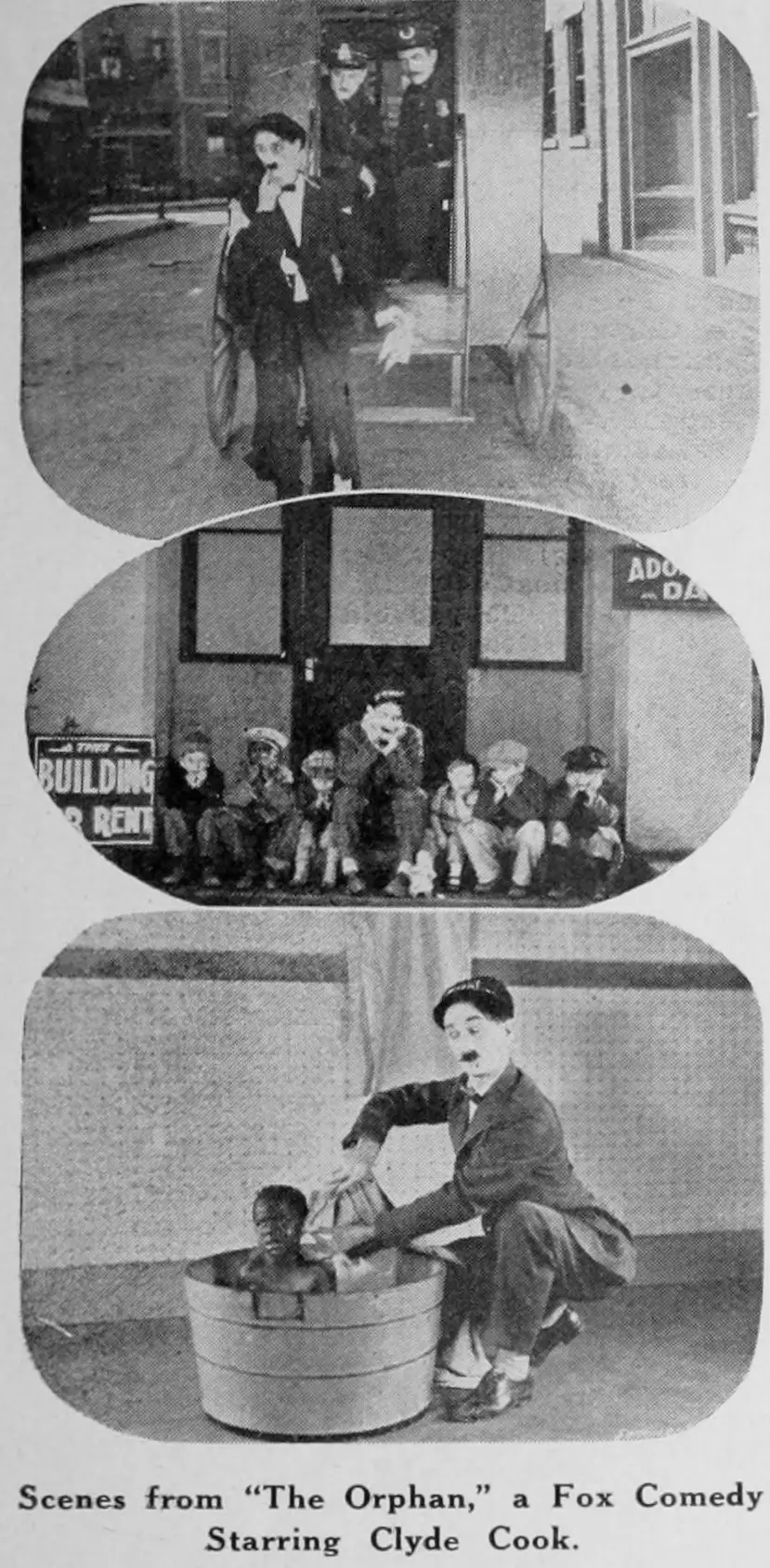
Directorial choices in 'The Orphan' are noteworthy for their innovative use of cinematography and editing. The film's visual style is striking, with a palette that emphasizes the stark contrasts between light and shadow, reflecting the duality of its protagonist. The editing, while simple by modern standards, effectively builds tension and drives the narrative forward. The score, performed live on piano, complements the visuals without overpowering the dialogue, enhancing the film's emotional impact.
The performances, particularly Clyde Cook's, are nothing short of extraordinary. Cook's portrayal of Sarah is nuanced and powerful, capturing the character's strength and vulnerability with remarkable authenticity. The supporting cast adds depth and complexity to the narrative, contributing significantly to the film's overall success. The interplay between Sarah and the various characters she encounters is particularly compelling, offering a rich vein of character development that elevates the story beyond mere plot.
Comparisons to other silent classics are inevitable, and 'The Orphan' stands up well to many of its contemporaries. Films like 'Breaking Into Society' and 'The Amateur Orphan' share thematic similarities, but 'The Orphan' excels in its ability to blend personal narrative with broader social critique. Its exploration of individual agency within a restrictive society is both inspiring and heartbreaking, resonating with audiences across generations.
Ultimately, 'The Orphan' is a film that rewards close attention and repeated viewings. Its intricate plot and profound themes make it a must-watch for film enthusiasts and those interested in the cultural history of early cinema. Whether viewed as a historical artifact or a work of timeless art, 'The Orphan' remains a compelling and deeply moving experience.
IMDb 6.6
1935
Community
Log in to comment.