DbcultAccessing Vault...
Cult Review
Senior Film Conservator
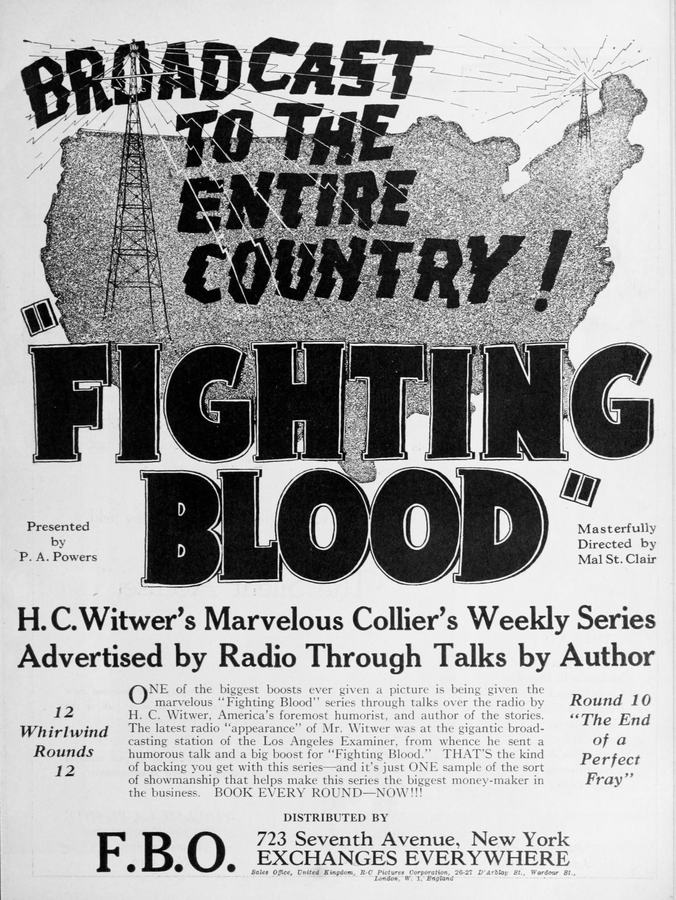
In the annals of silent cinema, where grand gestures and stark emotional narratives often spoke volumes without a single uttered word, certain films emerge as timeless explorations of the human condition. 'The End of a Perfect Fray' stands as one such compelling artifact, a forgotten gem that, upon closer inspection, reveals a profound understanding of the pressures that shape our lives and the promises that bind our souls. Directed by Malcolm St. Clair and penned by a formidable team including Beatrice Van, H.C. Witwer, and the legendary Darryl F. Zanuck, this film delves into a moral quandary as old as time itself, wrapped in the gritty aesthetic of early 20th-century boxing.
At its core, the narrative orbits around Galen, portrayed with understated intensity by Al Cooke, a man whose fists have carved out a formidable reputation in the prize ring. Yet, the brutal glory of his profession stands in stark contrast to the tender future he envisions with Judy, brought to life by the luminous Clara Horton. Their love story, painted with the broad strokes characteristic of the era, is predicated on a profound sacrifice: Galen’s vow to abandon boxing forever. This promise, a cornerstone of their shared dreams, becomes the very anvil upon which his character is forged and tested. It’s a classic setup, echoing the dilemmas found in many melodramas of the period, but here, it's infused with a raw, almost existential dread that elevates it beyond mere sentimentality. The film doesn't just present a conflict; it immerses the viewer in Galen's agonizing struggle.
The catalyst for Galen’s internal maelstrom is the insidious whisper of the townsfolk, the collective voice of a community quick to judge and slow to forgive. When he steps away from the ring, adhering to his pledge, the whispers coalesce into outright taunts, branding him a coward. This societal pressure, a potent antagonist in itself, forces Galen to confront the very essence of his identity. Is his honor intrinsically tied to his ability to fight, or does true courage lie in upholding a promise, even at the cost of his public image? This question resonates deeply, particularly in an age where masculine identity was often inextricably linked to physical prowess and a readiness to defend one’s reputation. The film masterfully illustrates how public opinion can become a suffocating force, cornering an individual as effectively as any opponent in the ring.
The script, a collaborative effort, shines in its ability to build this tension incrementally. Beatrice Van, known for her work on numerous silent features, alongside the prolific H.C. Witwer and the burgeoning talent of Darryl F. Zanuck, crafts a narrative that feels both intimate and expansive. They understand that the true drama isn't just in the boxing matches themselves, but in the psychological toll these external demands take on Galen. It's a testament to their writing that even without spoken dialogue, the weight of Galen's decision is palpable, his internal turmoil writ large across the screen through expression and gesture. This kind of nuanced character development was crucial for silent films to connect with audiences, and 'The End of a Perfect Fray' excels in this regard.
Al Cooke, as Galen, carries the film's emotional weight with remarkable skill. His portrayal is a study in restrained power, conveying both the inherent strength of a fighter and the vulnerability of a man torn between two worlds. He doesn't resort to theatrical overacting, a common pitfall in the silent era, but instead delivers a performance rich in subtle expressions and body language. One can almost feel the conflict raging within him, the shame of being called a coward battling against his devotion to Judy. It’s a performance that lends gravitas to the central dilemma, making Galen’s struggle feel incredibly real and deeply personal.
Clara Horton, as Judy, provides the emotional anchor for Galen. Her character is not merely a damsel in distress but a woman whose love is the very foundation of Galen's aspirations for a better life. Horton imbues Judy with a quiet strength and unwavering faith, making her plea for Galen to uphold his promise all the more heartbreaking. Her scenes with Cooke are tender and believable, creating a tangible sense of the 'perfect fray' – the domestic bliss that stands in stark contrast to the chaos of the ring. Her presence highlights the stakes, making Galen’s eventual decision fraught with even greater consequences. The chemistry between the two leads is understated yet powerful, a testament to their individual talents and St. Clair's direction.
The supporting cast further enriches the tapestry of this cinematic world. Morry Luxemberg, George O'Hara, and Kit Guard, though perhaps with less screen time, contribute significantly to the film’s atmosphere. They embody the various facets of the town's opinion, from the taunting skeptics to the loyal few, creating a believable social environment that pressures Galen. Their collective presence helps to externalize the internal struggle, giving form to the societal judgment that drives the plot forward. Luxemberg, O'Hara, and Guard, often seen in character roles of the era, bring a necessary realism to the community's response, making the stakes feel truly communal, not just personal.
Malcolm St. Clair's direction is commendably precise, utilizing the visual language of silent film to its fullest potential. He understands the power of close-ups to convey emotion and the dynamism of montage to depict action, particularly within the boxing sequences. The film eschews excessive intertitles, relying instead on the actors' physicality and the carefully composed shots to tell the story. This directorial choice enhances the film's immersive quality, allowing the audience to interpret and feel the narrative rather than simply read it. The pacing is deliberate, building tension slowly but surely, culminating in a powerful climax that feels earned rather than forced. His approach here is reminiscent of the disciplined storytelling seen in films like Work and Win 'Em, where every frame serves a purpose in advancing the emotional or narrative arc.
The cinematography, while not overtly flashy, is effective in establishing mood and setting. The visual contrast between the stark, often shadowy world of the boxing gym and the brighter, more inviting domestic scenes is a simple yet potent metaphor for Galen's internal conflict. The use of light and shadow, a hallmark of early cinema, is employed here to great effect, subtly guiding the viewer's emotional response. The film's aesthetic leans into realism, grounding the melodramatic elements in a tangible world, which makes the emotional stakes feel all the more weighty. This grounded approach ensures that the film doesn't drift into pure fantasy, maintaining a connection with the audience's understanding of real-world dilemmas.
'The End of a Perfect Fray' doesn't exist in a vacuum. Its exploration of honor, sacrifice, and societal pressure finds parallels in numerous films of the era and beyond. The theme of a man's reputation being challenged, forcing him into a difficult choice, can be seen in other silent dramas like Life or Honor?, where characters grapple with similar moral quandaries under intense scrutiny. The boxing motif itself, a perennial favorite in cinema, brings to mind other pugilistic tales such as A Knockout, though 'The End of a Perfect Fray' leans more heavily into the psychological drama rather than purely the physicality of the sport. It's less about the spectacle of the fight and more about what the fight represents to the individual and the community.
The struggle against societal expectations, particularly for women, was a prevalent theme in films like What 80 Million Women Want, which tackled social issues with a more direct, documentary-like approach. While 'The End of a Perfect Fray' focuses on a male protagonist, the underlying tension between personal desire and public demand is strikingly similar. Films like Modern Husbands or The Daughter Pays also explore the intricate web of societal norms and personal freedom, albeit through different lenses. The film's nuanced portrayal of a man's internal battle against external judgment sets it apart, offering a more introspective look at the concept of 'honor' than many of its contemporaries.
Furthermore, the themes of sacrifice for love, and the difficult choices faced by individuals, resonate with melodramas such as Idols of Clay or Paying the Piper. These films, like 'The End of a Perfect Fray', often used heightened emotional stakes to draw in audiences, exploring the boundaries of love, loyalty, and self-preservation. The film also touches upon the darker side of human nature, the brute force and societal cruelty, a theme that some might connect to the raw power depicted in Une brute, though St. Clair's film maintains a more dramatic, less purely visceral focus. It's a rich landscape of interconnected narratives, and 'The End of a Perfect Fray' carves out its unique niche within it.
Ultimately, 'The End of a Perfect Fray' is more than just a boxing film; it is a profound character study, a meditation on the nature of honor, and a testament to the enduring power of love. It asks whether true strength lies in physical dominance or in the quiet courage to uphold one's word, even when faced with overwhelming public scorn. The film’s ability to pose such timeless questions, using the limited tools of silent cinema, is a remarkable achievement. It reminds us that the human heart, with its complex desires and conflicting loyalties, remains an endlessly fascinating subject for cinematic exploration.
For those who appreciate the artistry of the silent era, and for anyone interested in stories that delve into the core of human dilemma, this film offers a rich and rewarding experience. It’s a compelling reminder that even without a single spoken line, cinema has the power to convey the most intricate emotions and universal truths, leaving a lasting impression long after the final fade to black. The legacy of films like this lies not just in their historical significance, but in their continued ability to resonate with contemporary audiences, proving that the struggles of the past are often reflections of our own ongoing human condition.
IMDb —
1926
Community
Log in to comment.