DbcultAccessing Vault...
5.6/10
Senior Film Conservator
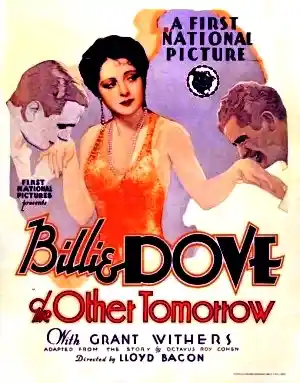
A definitive 5.6/10 rating for a film that redefined the boundaries of cult cinema. The Other Tomorrow remains a cornerstone of transgressive art.
Is The Other Tomorrow worth tracking down today? Well, if you're into the nitty-gritty of early talkies and those wonderfully messy Pre-Code dramas, then absolutely, yes. It's a real treat for folks who appreciate film history's awkward adolescence, complete with its charm and its stumbles. But if you're expecting sleek storytelling or modern pacing, you're gonna have a rough time with this one. Don't go in thinking it's something it's not. 🙅♀️
Lloyd Bacon, bless his heart, tried something here. This 1930 First National Picture really leans into the period’s particular anxieties about choices and consequences, especially for women. Billie Dove, playing Eleanor, is just captivating.
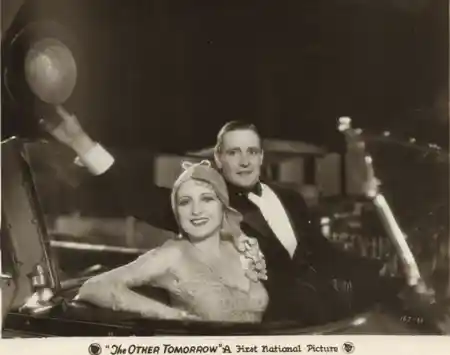
She's stuck between two guys: the solid, if a little dull, Arthur (Kenneth Thomson), and the more dashing, but clearly trouble, Jack (Grant Withers). You feel for her, you really do. The whole film just pulsates with that push-pull.
There's a scene, early on, where Eleanor is at a fancy party. Arthur is by her side, talking about their future, all very proper. But her eyes keep drifting across the room to Jack, who's laughing a little too loud, maybe with another woman. The camera holds on her face for what feels like an eternity. You just see her internal struggle, clear as day.

The dialogue in those moments is so telling. Arthur’s lines are almost recited, very formal. Then Jack shows up and everything gets a bit more... real, raw. He has this way of leaning in close when he talks, something you wouldn't see a few years later. Pre-Code, baby!
One particular shot stuck with me: Eleanor is in her apartment, alone, looking out a rain-streaked window. It's a long shot, the camera barely moves. You can almost feel the weight of her indecision pressing down on the frame. It’s not flashy, but it works.
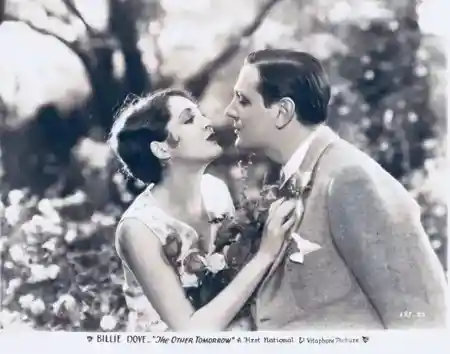
Grant Withers as Jack is just great at playing the charming rogue. You know he's bad news, but you totally get why Eleanor is drawn to him. He’s got this smirk that says everything without him having to utter a single word. He's the kind of guy who makes a casual comment that just throws everything into chaos. Remember that moment at the docks? Oh man.
Kenneth Thomson, on the other hand, plays Arthur with a quiet dignity. He’s the safe bet, the respectable choice. He doesn't have the flash, but he’s dependable. Their contrast is really what drives the film.
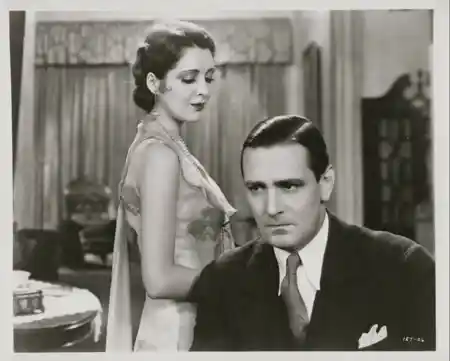
The sound design is a bit clunky, as you’d expect from 1930. Sometimes the voices feel a little distant, or the background noise cuts in awkwardly. But honestly, it adds to the charm. It reminds you how groundbreaking these early talkies were, even with their imperfections.
There’s a scene where Eleanor finally makes her choice. It’s not a big dramatic speech. Instead, it’s a quiet conversation, almost whispered. The camera focuses tight on her hands, twisting a handkerchief. It’s such a small detail, but it speaks volumes about her internal turmoil. That's good stuff.
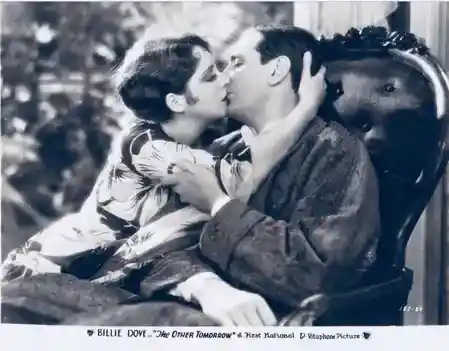
Some parts of the film definitely drag. There are sequences that feel a little too theatrical, like they hadn't quite figured out how to make stage acting work for the screen yet. A couple of the scenes with secondary characters just kind of... exist, without adding much to the main plot.
But then you get these flashes of brilliance. A tight close-up on Eleanor’s tear-filled eyes, or a sudden, sharp exchange between Jack and Arthur that cuts right through the polite society chatter. Those moments are what make it worthwhile.
The movie doesn't really give you a neat, tidy ending. It leaves you thinking about what Eleanor’s “other tomorrow” truly means. It’s not about judging her, but about understanding the weight of her decisions in a world that wasn't always kind to women who dared to choose.
It’s a curious piece of filmmaking, full of the growing pains of a new art form, but also brimming with a raw, emotional energy that still resonates. If you have a chance to see it, go for it. You might be surprised.
IMDb —
1924
Community
Log in to comment.