DbcultAccessing Vault...
6.3/10
Senior Film Conservator
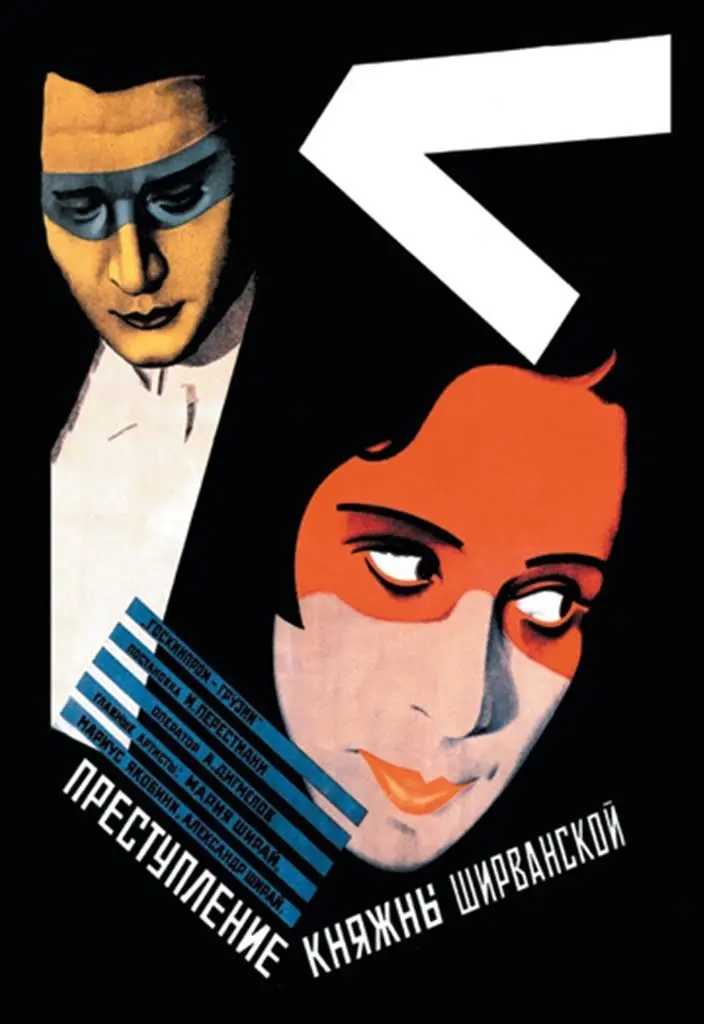
A definitive 6.3/10 rating for a film that redefined the boundaries of cult cinema. Shirvanskaias danashauli remains a cornerstone of transgressive art.
Is Shirvanskaias danashauli worth watching today? Short answer: Yes, but only if you view it as a fascinating historical artifact rather than a modern action flick. This film is specifically for students of early Soviet cinema and those interested in the evolution of the 'action hero' archetype, while it is definitely NOT for viewers who demand complex moral ambiguity or high-definition pacing.
This film works because it successfully translates the kinetic energy of the earlier 'Red Imps' installments into a more sophisticated espionage framework. This film fails because the ideological heavy-handedness often smothers the actual tension of the spy plot. You should watch it if you want to see how the early Soviet film industry attempted to compete with the high-octane serials coming out of Hollywood at the time.
By 1925, the 'Red Imps' were already a cultural phenomenon in the Soviet Union. Directed by Ivane Perestiani, this third outing, Shirvanskaias danashauli, attempts to grow with its audience. The transition from the open fields of the Civil War to the claustrophobic interiors of spy dens marks a significant shift in the series' visual language. While the first film was a raw outburst of revolutionary energy, this chapter feels more calculated and deliberate. It lacks the wild, unbridled chaos of the original, but replaces it with a budding sense of genre awareness.
The returning cast, including Sofia Jozeffi and the remarkable Kador Ben-Salim, have settled into their roles with a comfort that borders on the iconic. Ben-Salim, in particular, remains one of the most interesting figures of this era. As a Black actor in 1920s Soviet cinema, his presence and incredible physical agility provided a level of representation and 'cool factor' that was virtually non-existent in Western films like Body and Soul or Never Touched Me during the same period. His performance here is less about the politics and more about the sheer joy of movement.
The plot of Shirvanskaias danashauli is a classic 'us versus them' narrative, where the 'them' are shadowy foreign agents. In many ways, this film serves as the grandfather of the Soviet spy thriller, a genre that would eventually culminate in masterpieces decades later. However, in 1925, the tropes were still being forged. The villains are depicted with a cartoonish villainy that makes the antagonists in Tyrant Fear look subtle by comparison. They lurk, they sneer, and they represent the 'capitalist rot' that the young Imps must purge.
One specific scene involving a secret document exchange in a dimly lit office highlights Perestiani’s growing mastery of suspense. The use of shadows and the framing of the actors' faces create a genuine sense of unease. It is a moment where the film transcends its propaganda roots and becomes a legitimate piece of noir-adjacent cinema. Yet, this tension is often undercut by the need to stop and deliver a clear political message. It is a constant tug-of-war between art and agenda.
Ivane Perestiani was a director who understood the power of the edit. While he may not have been as experimental as Eisenstein or Vertov, his work in Shirvanskaias danashauli shows a keen understanding of narrative flow. The pacing is surprisingly modern for a silent film. He avoids the static, stagey feel found in many contemporary dramas like Sandra or The Neglected Wife. Instead, he keeps the camera moving, or at least ensures that the action within the frame is constant.
The cinematography captures the rugged beauty of the Georgian landscape, which serves as a stark contrast to the 'civilized' corruption of the foreign spies. The outdoor sequences are filmed with a naturalism that feels refreshing compared to the heavily stylized studio sets of the era. There is a grit here that feels authentic, a hallmark of early Soviet location shooting that would influence global cinema for years to come.
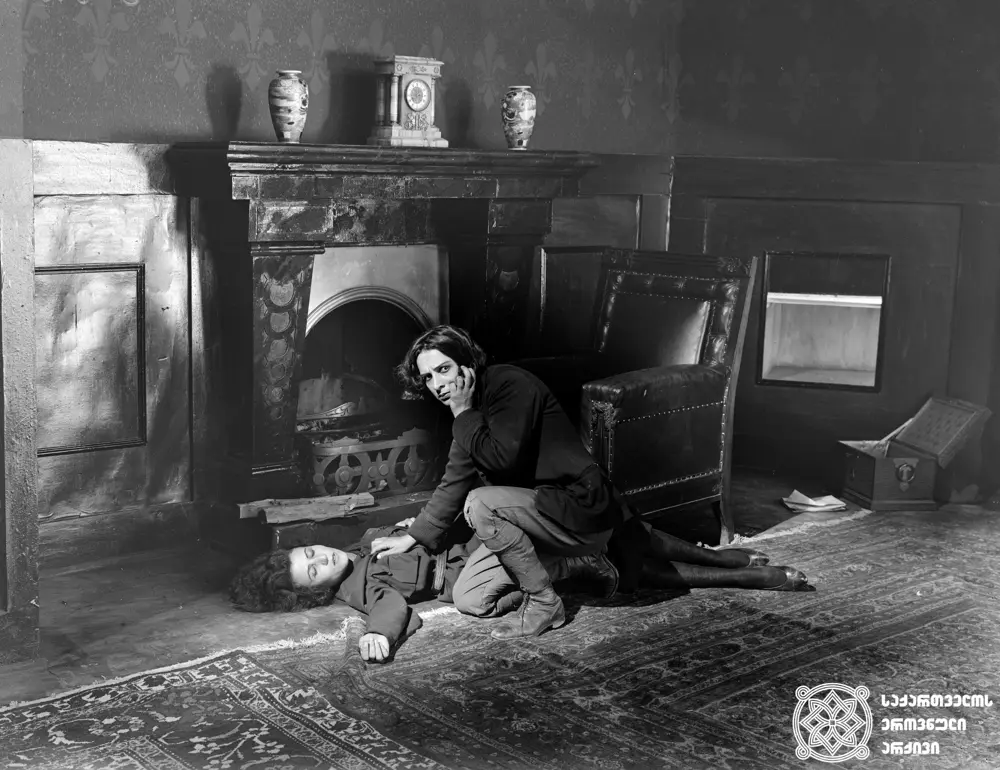
Yes, if you want to understand the roots of action cinema. Shirvanskaias danashauli is a vital link between the adventure serials of the silent era and the modern political thriller. It provides a unique window into the anxieties of the early Soviet state, wrapped in a package of stunts and chases. It is not a masterpiece of emotional depth, but it is a masterclass in early genre filmmaking.
The chemistry between the three leads is the film's strongest asset. Pavel Yesikovsky, Sofia Jozeffi, and Kador Ben-Salim operate as a single unit. Their movements are synchronized, reflecting the collectivist ideals of the time. When they are on screen together, the film hums with energy. When the plot focuses on the adult villains, the momentum tends to sag. The 'Imps' represent a future that the film is desperate to protect, and their youthful vigor is infectious.
Contrast this with the more somber, individualistic performances in films like The Man Who Wouldn't Tell. In Shirvanskaias danashauli, there is no room for the 'brooding loner.' Success is only achieved through teamwork and shared sacrifice. It is a simple message, but the actors deliver it with such sincerity that it’s hard not to be swept up in it, even a century later.
Pros:
- Exceptional stunt work for 1925.
- Strong sense of place and atmosphere.
- Historically significant representation in the cast.
- Fast-paced editing that keeps the story moving.
Cons:
- Predictable, black-and-white morality.
- Some sequences feel repetitive compared to the first film.
- The political messaging can be gratingly obvious.
It is interesting to compare this film to other 1920s releases like Paris or While London Sleeps. While Western films were often exploring urban rot or romantic melodrama, the Soviet industry was obsessed with the idea of the 'enemy within' and the 'enemy at the gates.' Shirvanskaias danashauli is a perfect distillation of that obsession. It’s a film that feels like it was made with a clenched fist. It works. But it’s flawed.
One surprising observation is how much the 'Red Imps' feel like a proto-superhero team. They have specific skills, a shared origin, and a clear moral mission. In a different timeline, they could have been the Soviet Avengers. Instead, they remain a fascinating footnote in the history of cinema, a reminder of a time when the medium was being used to build a new world, one chase scene at a time.
Shirvanskaias danashauli is a muscular, if slightly clumsy, example of early action cinema. It lacks the poetic beauty of the era's great dramas, but it makes up for it with sheer, unadulterated moxie. If you can look past the propaganda, you’ll find a thrilling spy story that paved the way for a century of cinematic espionage. It is a piece of history that still has a pulse.
IMDb 6.6
1924
Community
Log in to comment.