DbcultAccessing Vault...
Cult Review
Senior Film Conservator
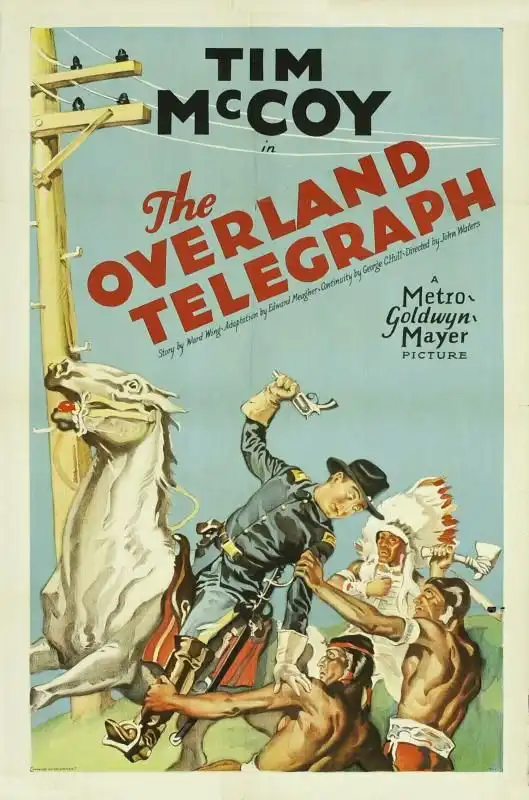
Alright, so if you're thinking about watching The Overland Telegraph today, you gotta know what you're getting into. This one’s probably for the true blue history buffs and folks who really dig into early cinema. Anyone else, especially if you're looking for modern action or complex storytelling, you might find yourself a little bored. It’s a real artifact, this movie, a peek into how stories were told back then.
The whole idea of the telegraph wires causing such a stir, that’s actually pretty cool. You have these federal troops pushing out into the frontier during the Civil War, trying to connect the nation. And then the local tribes, they just see these wires as a threat, a kind of magic maybe, a thing they don't understand. It’s a very simple conflict, but it does get your mind going a bit about progress and tradition clashing.
Tim McCoy plays Captain Allen, our hero. He’s the kind of stoic, straight-arrow type you’d expect from this era. He's good with the Indians, or at least he’s supposed to be, and he gets sent in to sort things out. His interactions, they’re often through these title cards, which can feel a little stiff now, but you can see the effort he puts into conveying sincerity. There's a scene where he's just *listening* to Chief John Big Tree, and you can almost feel the weight of their conversation, even with the limited tech.
Chief John Big Tree, he's a presence, no doubt. His character here, and how the film portrays the Indigenous people generally, it’s definitely a product of its time. You see some of the familiar tropes, but then there are these moments where he carries a real dignity. It's not a deep dive into culture, of course, but it’s interesting to see him on screen, how he projects authority.
Then there's this Confederate spy element, which felt a little like an afterthought, almost. It's like, okay, we have the wires, we have the Indians, now let’s add a villain who’s actively stirring the pot. It gives Allen something tangible to fight besides misunderstanding, I guess. The reveal of the spy, it’s not exactly a shocking twist, but it gets the job done for the plot.
Dorothy Janis is also there, playing a young woman at the post. Her role, as you can imagine, is mostly to be the love interest for Captain Allen. The romance, it develops pretty quickly. You get a few lingering glances, a polite conversation or two, and boom, they’re smitten. It’s charming in its straightforwardness, I suppose. 💖
The action sequences, they're pretty standard for the late 1920s. There’s a bit of a shootout, some riding. Nothing too flashy, but you get the gist. The pace, though, can feel a bit slow for modern eyes. There are these long stretches where people are just moving, or standing around, and you kinda wish they’d pick up the tempo a little. One shot of the telegraph poles stretching across the desert, it just *lingers* for ages, almost a little hypnotic.
What I found most striking was the sheer ambition of telling a story about connecting a continent, even if it feels small-scale now. You can see the filmmakers trying to capture that sense of a vast, untamed land. The idea of The Americano of their time, but with a different kind of focus. It's not always successful, mind you, but you appreciate the try.
So, should you watch it? If you're into the history of film, or you really want to see how these early Westerns tackled big themes with limited tools, then yes, give it a shot. Otherwise, it might be a bit of a slog. It’s a curious piece, a moment in time, but not exactly a wild ride. Like finding an old, faded photograph; it’s interesting to look at, but it doesn’t always tell the whole story.
IMDb 7.4
1937
Community
Log in to comment.