DbcultAccessing Vault...
Cult Review
Senior Film Conservator
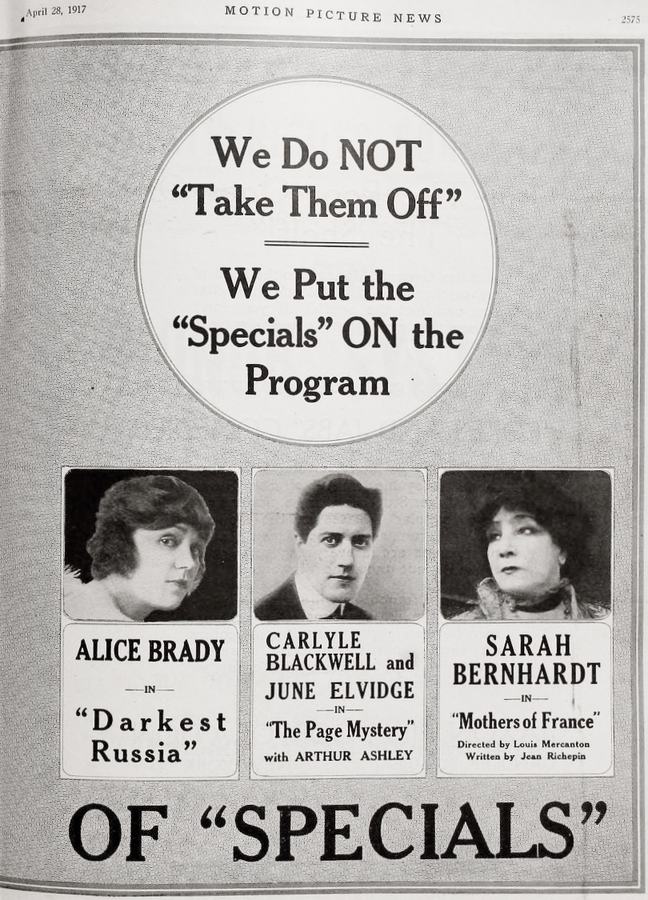
Ah, the silent era. A period of cinematic artistry where narratives, unburdened by dialogue, soared on the wings of visual storytelling, grand gestures, and the raw, often melodramatic, power of human emotion. It's in this rich tapestry that we occasionally unearth a gem like 'The Page Mystery' (1917), a film that, despite its venerable age, weaves a tale of intrigue, betrayal, and unexpected heroism with an almost audacious complexity. This isn't merely a plot to be followed; it's a labyrinth to be navigated, a psychological landscape painted with broad strokes of societal critique and individual desperation. To call it merely a 'mystery' feels almost reductive, for it is a profound exploration of identity, justice, and the relentless pursuit of a clean slate.
From its very genesis, the film establishes a tone of moral ambiguity and consequence. We are introduced to Alan Winthrop, a character steeped in the rigid codes of English gentility, yet possessing a rebellious streak. His act of chivalry – accepting blame for his older brother's substantial gambling debt of five thousand pounds – is not merely a plot device; it's a defining moment. It casts him out, yes, but it also liberates him, granting him the very opportunity he craved: the chance to see the world, to forge his own path. This voluntary exile, a theme explored in countless narratives from Redemption to classic literature, immediately elevates Alan beyond a simple protagonist. He is an agent of his own destiny, albeit one shaped by familial duty and societal expectation.
Across the Atlantic, in the bustling, opportunity-laden, yet often ruthless, landscape of America, another drama unfolds, one far more cynical in its motivations. Ralph Cornwell, a millionaire whose wealth seems inversely proportional to his scruples, orchestrates a chillingly transactional proposal. He offers to clear the considerable liabilities of Edward Strong, a bankrupt financier, in exchange for his daughter Edith's hand. This arrangement, a stark commentary on the commodification of marriage and the desperation born of financial ruin, forces Edith into an unenviable position. Her father's need, a silent but potent force, compels her consent. Yet, her agreement is not born of affection, but of a pragmatic, almost resigned, acceptance of a 'marriage of convenience.' This premise immediately draws parallels with films like Samhällets dom, which often dissect the harsh realities of societal pressure and economic coercion.
The wedding supper, a scene that should symbolize joyous union, instead becomes a crucible for Edith's nascent rebellion. Cornwell, succumbing to intoxication, reveals his true, predatory nature. His embraces, far from being affectionate, are an assault on her autonomy. Edith's subsequent flight, leaving behind a terse note, is a powerful act of self-preservation, a definitive refusal to be merely an object of exchange. This dramatic escape sets her adrift in a harsh world, mirroring the plight of many female characters in early cinema who dared to defy societal norms, echoing the struggles seen in works like Iris or Pauline.
It is in her darkest hour, teetering on the precipice of despair, that fate intervenes. Alan Winthrop, now a caretaker at Cornwell's remote Sylvia Lodge, finds himself in the right place at the right time. His rescue of Edith from the pier, a moment of stark melodrama, is nonetheless pivotal. Her declaration that she has 'nothing to live for' resonates deeply, underscoring the profound isolation and helplessness she feels. Alan, ever the gentleman, offers her not just employment but a sanctuary, engaging her to assist him at the lodge. This chance meeting, born of desperation and compassion, threads their separate narratives together, intertwining their destinies in a manner that feels both coincidental and inevitable, a common trope in films like Excuse Me where unlikely pairings lead to unforeseen consequences.
Meanwhile, the shadowy figure of Ralph Cornwell, now operating under the ominous alias 'Colonel Page' in the mountains, continues his dissolute lifestyle. His 'intimate friend,' Laura Le Moyle, a woman who has sacrificed her own marriage for him, finds herself increasingly marginalized. Cornwell's blatant flirtation with Kathleen Lorraine at a dinner party ignites Laura's jealousy, a dangerous spark that hints at future conflagrations. The psychological tension between these characters, conveyed through masterful silent acting and subtle intertitles, builds with palpable force. The film expertly uses these interpersonal dynamics to deepen the sense of impending doom, showcasing the intricate web of human emotions that can lead to tragedy.
Upon their arrival at Sylvia Lodge, Alan and Edith are met with a chilling warning from Jaeger: the lodge is haunted. This supernatural undertone, while perhaps a red herring in the traditional sense, serves to amplify the pervasive sense of unease. It is not ghosts that haunt the lodge, but the specter of past injustices and the living embodiment of vengeful fury in Saul Potter. The half-crazed ex-caretaker, a man consumed by a singular, burning desire for retribution against 'Colonel Page,' sees the arrival of new occupants as a sign of his tormentor's return. His silent, terrifying vigil outside Alan's cottage, staring through the window, instills genuine fear in Edith, prompting Alan to arm her with a revolver – a seemingly innocuous act that will have profound consequences.
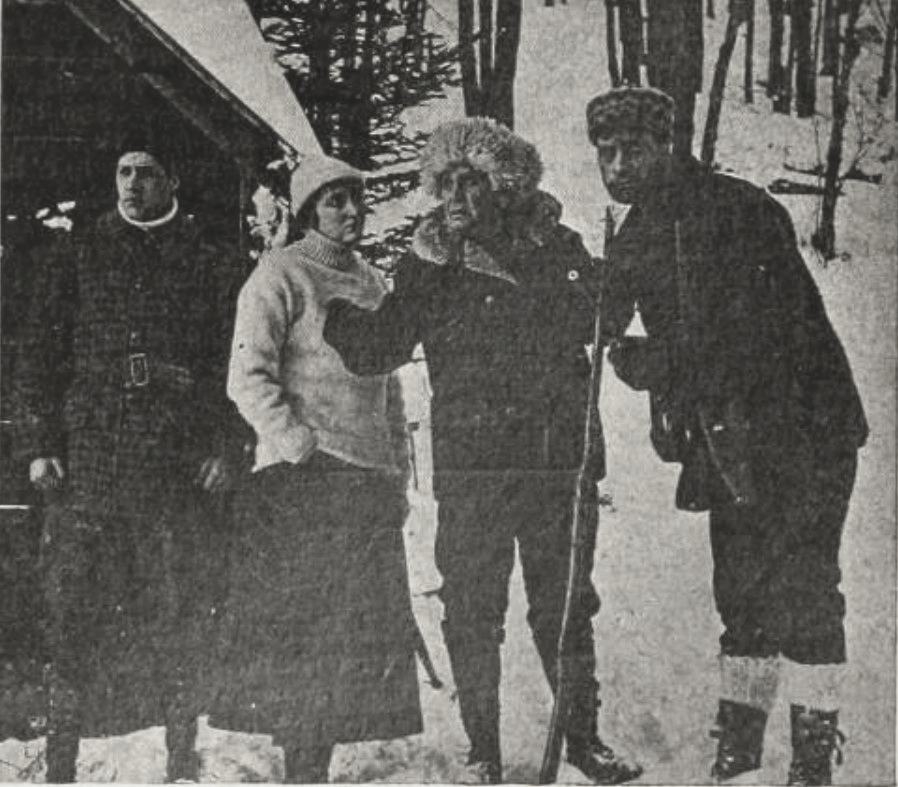
The discovery of a beautifully furnished boudoir within the lodge, containing a framed photograph of Edith, serves as a damning piece of evidence, a silent scream of Cornwell's depravity. This revelation is a gut punch, confirming Edith's worst fears and foreshadowing the inevitable confrontation. The film masterfully uses such visual cues to convey information and heighten suspense, a hallmark of excellent silent cinema. It’s a moment that resonates with the hidden secrets and moral decay often found in narratives like Die Tragödie auf Schloss Rottersheim, where grand facades often conceal sinister truths.
The arrival of Page (Cornwell) and his guests, including the volatile Laura and the unwitting Kathleen, sets the stage for the dramatic climax. Page's continued neglect of Laura, coupled with his brazen promise to Kathleen, pushes Laura to her breaking point. The tension is almost unbearable, a tightly coiled spring ready to snap. It is a brilliant example of how internal character conflicts can drive external, violent action. The mutual recognition between Edith and her husband in Kathleen's room is a moment of shattering impact, a silent scream of betrayal that propels Edith into desperate flight, revolver in hand.
The ensuing sequence is a masterclass in synchronized suspense. As Page pursues Edith, both Laura Le Moyle and Saul Potter, driven by their individual, yet converging, desires for vengeance, take aim. The dual firing of their weapons, the simultaneous fall of Page in the snow, witnessed by his horrified guests, is a shocking, visceral moment. The film doesn't just present a murder; it presents a confluence of fates, a tragic culmination of intertwined narratives of lust, betrayal, and long-simmering rage. Laura's immediate disposal of her revolver out the window, a desperate attempt to erase her culpability, adds another layer of intrigue to the unfolding whodunit.
The coroner's inquest becomes the dramatic fulcrum, where the fragmented truths begin to coalesce. Edith's hesitant admission of being the deceased man's wife sends shockwaves through the proceedings. Alan, his noble heart overriding his logic, steps forward, falsely confessing to the murder. His motive – finding Edith's photograph and recognizing Page's villainy – is a desperate, selfless act to shield the woman he cares for. This act of self-sacrifice, a cornerstone of classic melodrama, underscores Alan's inherent goodness and his burgeoning love for Edith. It's a moment of profound emotional resonance, reminiscent of the grand, romantic gestures often seen in films like The Millionaire's Double where identity and sacrifice play pivotal roles.
However, the truth, as it always does in such intricate narratives, refuses to stay buried. Saul Potter, the half-crazed ex-caretaker, finally delivers his chilling testimony. His story – of Page's calculated deception, the seduction and imprisonment of his young wife, and her subsequent death – paints Page not merely as a philanderer, but as a monstrous villain. Saul's tale provides the ultimate motive, the deep-seated, righteous anger that drove him to exact his vengeance. This revelation is a powerful moment of catharsis, shifting the narrative from a simple murder mystery to a profound exploration of long-delayed justice. The sudden appearance of the revolver found under Laura's window, and the forensic confirmation of its caliber, seals her guilt, but not before she takes her own life, a final, tragic act of despair and confession. Her dying words, lamenting her sacrifices for a man who discarded her 'like an old glove,' provide a poignant, if dark, commentary on the destructive power of unrequited, obsessive love. It's a conclusion that speaks to the harsh realities of betrayal, a thematic thread running through many silent films, including those focused on complex criminal investigations like The Exploits of Elaine or courtroom dramas like Signori giurati....
The resolution, while satisfying, is not without its lingering shadows. Alan receives a cable from his father, revealing that the truth about the gambling episode has come to light. He is invited back home, his name cleared, his inheritance secure. But Alan, having found a deeper purpose and a profound connection, is no longer the same man who left England. His proposal to Edith, conditional upon her accompanying him as his wife, is a beautiful culmination of their shared ordeal. It signifies not just romantic love, but a partnership forged in adversity, a promise of a future built on honesty and mutual respect. Edith's acceptance completes her journey from a desperate, suicidal victim to a woman finding agency and love. This ending, while offering a happy resolution, is earned through a narrative fraught with peril and emotional depth, providing a contrast to simpler romantic comedies like Pants or The Brass Bottle.
From a technical perspective, 'The Page Mystery' showcases the strengths of silent film. The performances, particularly from Carlyle Blackwell as Alan Winthrop and Pinna Nesbit as Edith, are compelling, relying on exaggerated yet expressive gestures and facial expressions to convey a wide range of emotions. The cinematography, though limited by the technology of the era, effectively creates atmosphere, from the opulent, yet suffocating, interiors of Cornwell's mansion to the stark, unforgiving landscape of the mountain lodge. The pacing is deliberate, allowing the audience to absorb the unfolding drama through visual cues and carefully placed intertitles, which act as crucial expository bridges.
In conclusion, 'The Page Mystery' stands as a testament to the narrative sophistication achievable in the silent era. It is a film that deftly navigates themes of class, morality, vengeance, and redemption, all wrapped within a gripping mystery. Its characters, though perhaps archetypal, are imbued with enough depth to make their struggles and triumphs resonate. For anyone interested in the foundational narratives of cinema, or simply seeking a compelling story told with the unique artistry of silent film, this is a picture well worth discovering. It reminds us that sometimes, the most profound stories are told not with words, but with the eloquent language of the moving image. It leaves a lasting impression, a haunting echo of human frailties and the enduring power of justice, much like the more somber, morally complex narratives of its time, such as Hoodman Blind or When It Strikes Home.
IMDb —
1915
Community
Log in to comment.