DbcultAccessing Vault...
Cult Review
Senior Film Conservator
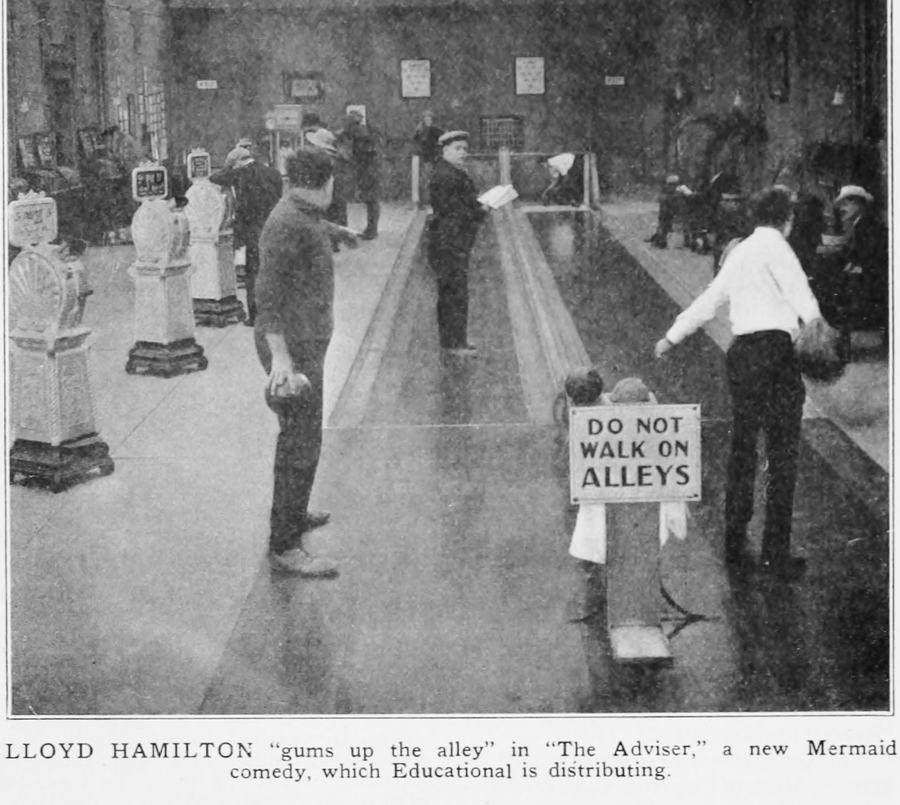
In the annals of pre-Code cinema, few films provoke the visceral unease of The Advisor. Director The Mark of Cain’s thematic brooding finds a modern counterpart in this 1934 thriller, where the sanctity of the law crumbles under the weight of its own contradictions. The film’s opening act—a young attorney, Ham (Lloyd Hamilton), securing a conviction for a man whose guilt remains ambiguously implied—establishes a narrative pivot point that defies conventional moral frameworks. It is this very ambiguity that fuels the film’s second half, as the convicted man’s prison escape transforms him into a vengeful force of nature.
Irene Dalton’s character, a paralegal entangled in both the legal and emotional undercurrents of Ham’s case, serves as the audience’s moral compass. Her performance is a masterclass in restrained anxiety, contrasting sharply with Hamilton’s portrayal of a man unraveling under the scrutiny of his own conscience. The script’s most daring choice lies in its refusal to vilify the escaped convict; instead, it frames his retribution as a grotesque mirror to the judicial system’s failures. This narrative duality echoes The Man of Shame’s exploration of societal judgment, yet diverges by placing the law itself under indictment.
Visually, the film employs a stark interplay of light and shadow to underscore its themes. Prisons are rendered as monolithic silhouettes against overcast skies, while Ham’s office is bathed in the sterile glow of overhead lamps, symbolizing the cold rigidity of legal bureaucracy. These stylistic choices, reminiscent of Witch’s Lure’s haunting aesthetic, amplify the psychological tension as the narrative hurtles toward its inevitable collapse. The camera lingers on Dalton’s face during moments of ethical reckoning, capturing micro-expressions that convey the suffocating weight of complicity.
What elevates The Advisor beyond generic thriller tropes is its meticulous pacing. The first act, though slow, is necessary groundwork for the second half’s frenetic energy. As the escaped convict (unnamed, perhaps to emphasize his role as a universal force) infiltrates Ham’s life, the film adopts a claustrophobic rhythm, with each scene tightening the screws of narrative inevitability. This structural precision recalls An American Gentleman’s taut construction but replaces that film’s political intrigue with a more intimate, corrosive conflict.
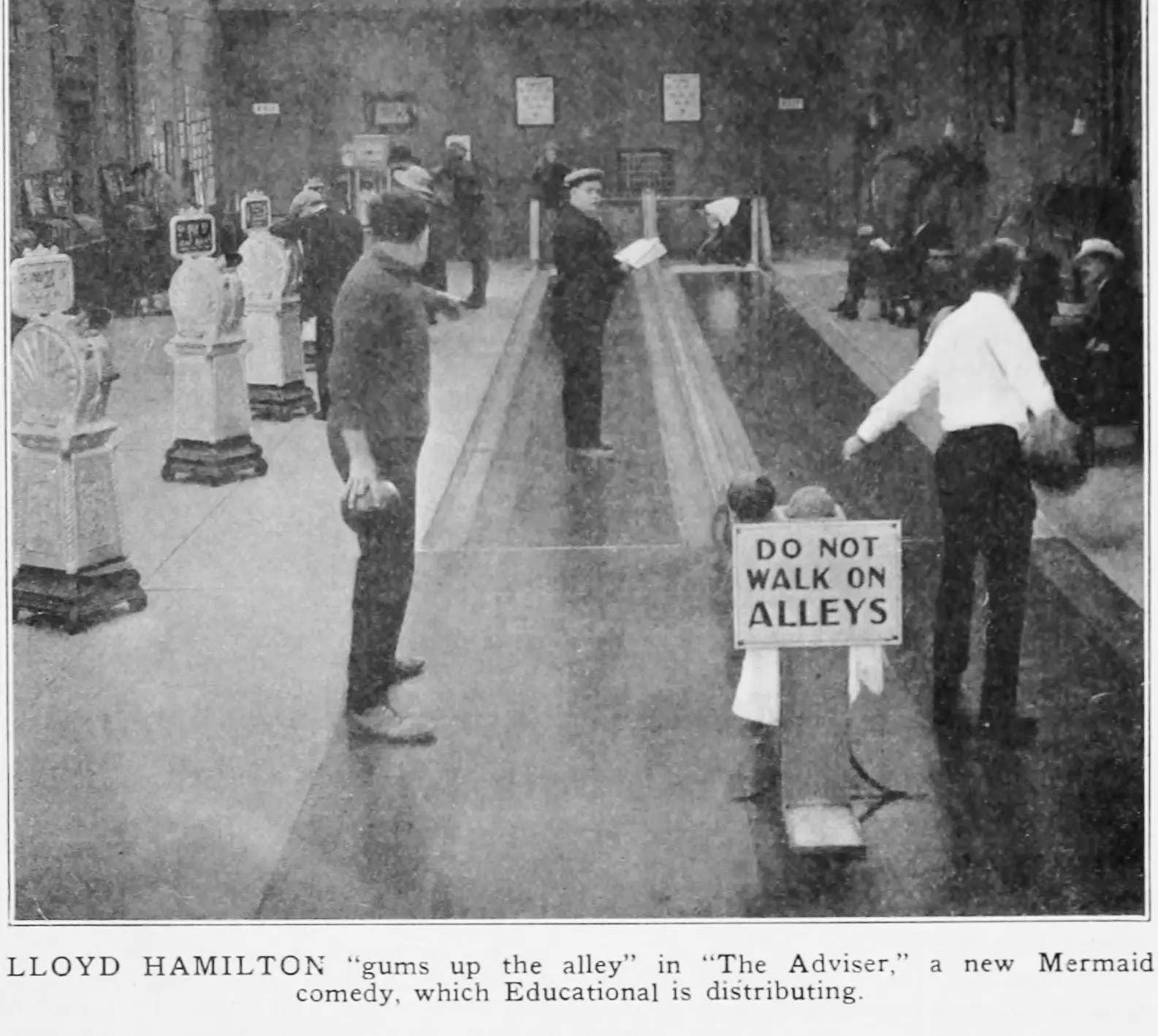
The film’s denouement is a masterstroke of narrative ambiguity. Rather than resolving the central conflict, it leaves the audience to ponder whether Ham’s fate is a consequence of personal failure or systemic rot. This refusal to provide closure is both its greatest strength and potential weakness—while cognoscenti will appreciate the ethical complexity, viewers seeking traditional resolution may find themselves unsatisfied. Nevertheless, the final shot—a lingering close-up on Dalton’s tear-streaked face as she walks away from the ruins of Ham’s life—cements the film’s place as a seminal work of early 20th-century cinema.
Comparisons to Torchy Comes Through’s fast-paced wit are reductive; The Advisor thrives in its deliberate, almost glacial tempo. Yet the film shares with Blue Blood and Red a preoccupation with inherited guilt, though here the transgression is not bloodline but judgment. The score, sparse and haunting, underscores this with dissonant strings that evoke the same unease as Das große Licht’s operatic grandeur, albeit with a more intimate scale.
Hamilton’s performance is a study in quiet desperation. He portrays Ham not as a tragic hero but as a man gradually realizing the moral bankruptcy of his profession. His dialogue, often delivered in clipped, staccato bursts, contrasts with Dalton’s measured cadence, creating a sonic tension that mirrors the film’s visual dichotomies. The supporting cast—though largely uncredited—adds texture to the narrative, particularly in scenes where the escaped convict’s presence is felt even in his absence.
Cinematographically, the film’s use of urban landscapes is noteworthy. The city becomes a character in its own right, with labyrinthine streets and shadowed alleyways reflecting the protagonists’ internal disorientation. A standout sequence involves the escaped convict navigating a fog-cloaked industrial district, the camera gliding behind him as if in reluctant pursuit. This sequence, evoking A Stormy Knight’s atmospheric sequences, is both technically and thematically resonant.
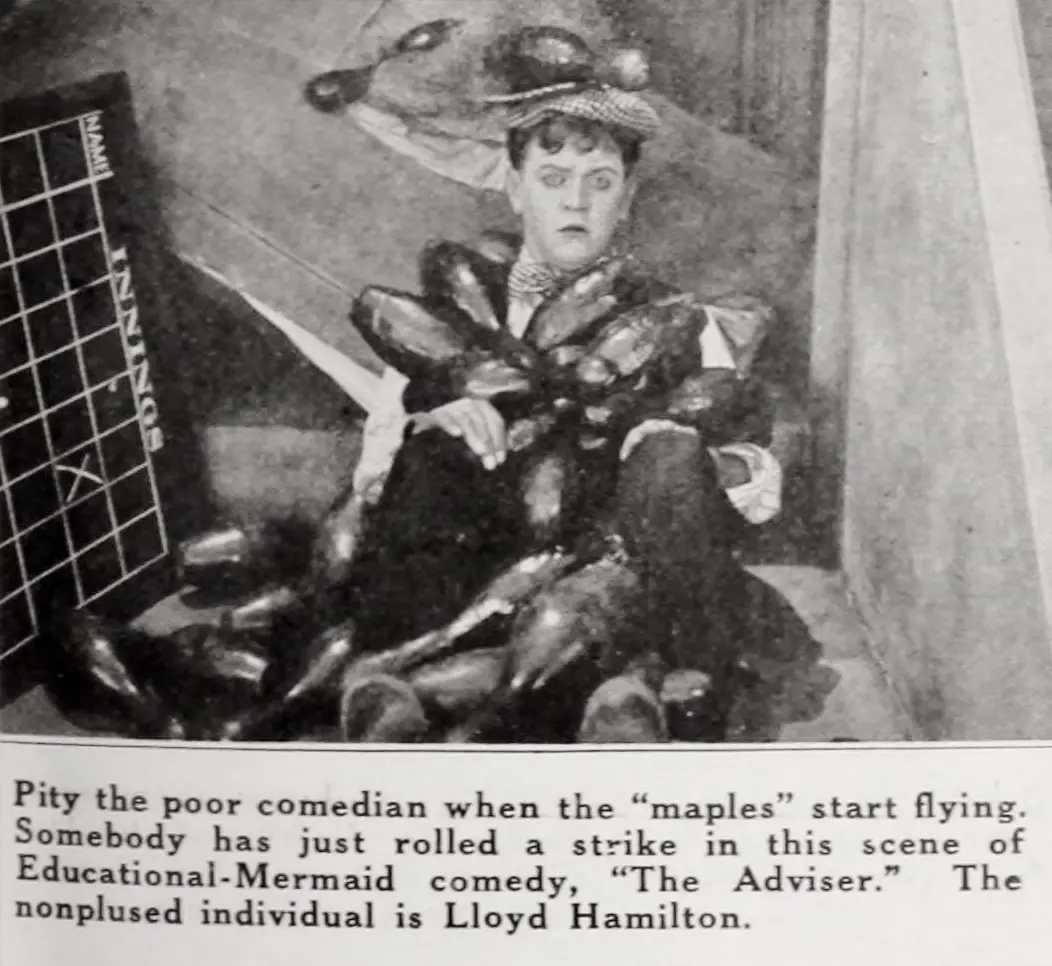
The film’s most provocative element is its treatment of justice as a performative act. Courtroom scenes are staged with theatrical precision, yet the verdicts are arbitrary, the truth malleable. This critique of legal formalism finds parallels in The Misleading Lady’s exploration of perception, though The Advisor takes a darker turn by suggesting that truth itself may be an illusion. The escaped convict’s actions, while violent, serve as a blunt-force metaphor for the system’s inherent failures.
In the broader context of 1930s cinema, The Advisor occupies a unique space between social commentary and genre convention. It lacks the overt sensationalism of Drankersken, yet matches its emotional resonance. The film’s exploration of moral ambiguity also anticipates the later noir tradition, though it lacks the stylized fatalism that would define that genre. Instead, it offers a more grounded, if no less unsettling, examination of conscience.
For modern audiences, the film’s pacing may pose a challenge, but its thematic richness rewards patience. The dialogue occasionally veers into archaic phrasing, yet this feels authentic to the period and enhances the film’s gravity. The absence of a conventional villain is both daring and divisive, as the true antagonist is the flawed system that creates both the vengeful fugitive and the complicit attorney.
In conclusion, The Advisor is a cinematic artifact that transcends its era through its unflinching examination of ethical compromise. While it may not resonate with every viewer, its bold narrative choices and masterful performances ensure its place in the pantheon of pre-Code cinema. For those willing to engage with its ambiguities, the film offers a haunting meditation on the price of justice—and the cost of complicity.
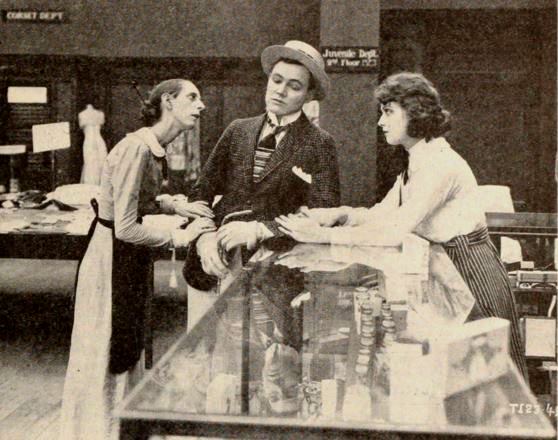
IMDb —
1918
Community
Log in to comment.