DbcultAccessing Vault...
6.5/10
Senior Film Conservator
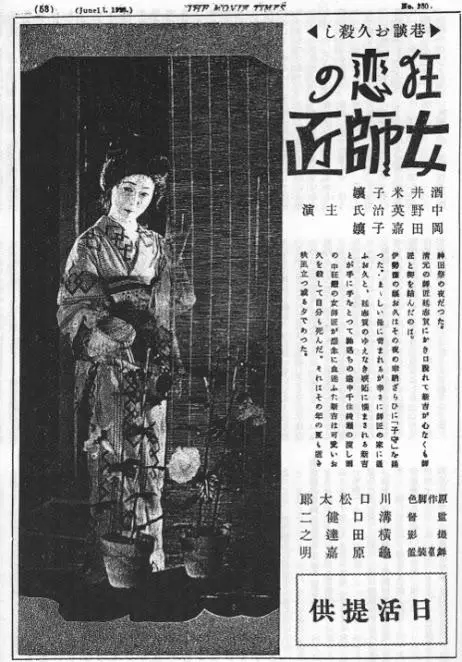
A definitive 6.5/10 rating for a film that redefined the boundaries of cult cinema. The Passion of a Woman Teacher remains a cornerstone of transgressive art.
Should you invest your time in a silent film from 1926 about a cursed romance? Short answer: yes, but only if you are willing to trade modern narrative speed for a haunting, atmospheric exploration of Japanese social anxiety. This film is a mandatory watch for historians of the silent era and those fascinated by the roots of J-horror, but it will likely alienate viewers who require high-octane action or clear-cut resolutions.
The Passion of a Woman Teacher is worth watching because it provides a rare window into the evolution of Japanese cinematic language before the arrival of sound. It is a film that prioritizes mood over logic, creating a dreamlike—or rather, nightmarish—quality that remains effective nearly a century later. However, for the casual viewer, the pacing and the heavy use of intertitles may feel like a chore rather than an entertainment.
1) This film works because it treats jealousy as a physical, corrosive force that transcends the grave.
2) This film fails because its surviving narrative structure is occasionally fragmented and repetitive.
3) You should watch it if you want to understand how early Japanese cinema blended traditional ghost stories with modern melodrama.
The central conflict of The Passion of a Woman Teacher revolves around the destructive power of envy. Unlike the more lighthearted fare of the era, such as The Perfect Flapper, this film dives deep into the shadows of the human psyche. The curse mentioned in the plot is not just a supernatural gimmick; it represents the suffocating weight of societal expectations. When the teacher and her lover flee, they aren't just running from a jealous woman; they are running from the moral fabric of 1920s Japan.
The directing here is surprisingly modern in its focus on psychological interiority. There is a specific scene where the teacher looks into a mirror and sees not her own reflection, but the distorted face of her rival. This moment is a masterclass in early visual effects, using simple double exposure to suggest that the protagonist's guilt is the real ghost haunting her. It is a stark contrast to the more grounded realism found in films like Scandal.
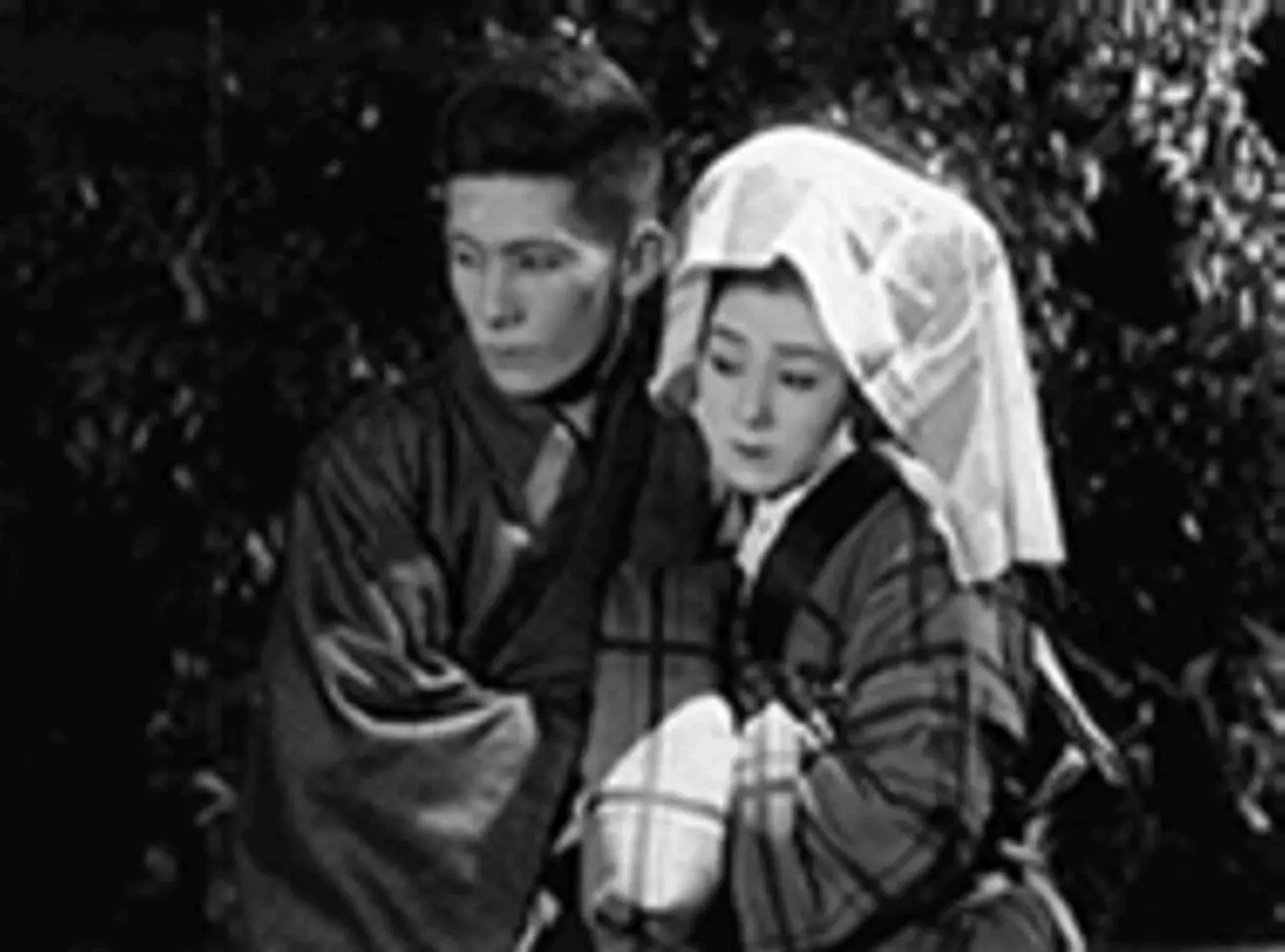
Yoshiko Okada delivers a performance that is both fragile and fiercely intense. In an era where acting often veered into the theatrical and exaggerated, Okada finds a quiet desperation that feels remarkably contemporary. Her chemistry with Eiji Nakano is palpable, making their eventual downfall feel like a genuine tragedy rather than a scripted necessity. Nakano, for his part, plays the 'lover on the run' with a frantic energy that mirrors the audience's growing unease.
Consider the sequence where the couple hides in a dilapidated shack during a storm. The way Okada clings to Nakano, her eyes darting toward every shadow, conveys more than any dialogue could. It’s a level of physical storytelling that rivals the best work in The Moonstone or even the emotional gravity of Lady Hamilton. The cast manages to elevate the material beyond its pulp origins.
Visually, the film is a triumph of light and shadow. The use of chiaroscuro lighting creates a sense of impending doom that follows the protagonists from the city to the countryside. The cinematography doesn't just record the action; it interprets the characters' emotional states. When the jealousy of the spurned woman is at its peak, the camera angles become sharper, more jagged, creating a sense of vertigo for the viewer.
This visual aggression was ahead of its time. While Western films like Percy were experimenting with different comedic structures, Japanese directors were refining the 'monogatari' style into something cinematically unique. The Passion of a Woman Teacher uses long takes to build tension, forcing the audience to sit with the characters' fear. It is uncomfortable. It is meant to be.

The pacing is where many modern viewers will struggle. The film takes its time establishing the mundane details of the teacher's life before the curse takes hold. This slow accumulation of detail is necessary to make the eventual supernatural elements feel earned, but it requires patience. It lacks the immediate hook of a film like Battling Mason, opting instead for a lingering sense of unease.
The tone is consistently bleak. There is no comic relief here, no moments of levity to break the tension. Even the moments of romance are tinged with the knowledge that they are fleeting. This commitment to a singular, oppressive mood is one of the film's greatest strengths, though it makes for a taxing viewing experience. It is a film that demands your full attention and offers no easy comfort in return.
Pros:
- Exceptional use of shadow and early visual effects.
- Strong emotional core that transcends the language barrier.
- A fascinating historical look at 1920s Japanese gender roles.
Cons:
- Pacing can feel glacial by modern standards.
- Some plot points rely on coincidence.
- The supernatural elements are occasionally ambiguous to a fault.
One surprising aspect of the film is how it treats the 'villain.' The jealous woman who casts the curse is never fully dehumanized. We see her pain, her rejection, and her isolation. In many ways, she is as much a victim of the era's rigid social structures as the teacher she pursues. The film suggests that the curse is not an external evil, but a product of a society that gives women no outlet for their grief other than destructive rage. It’s a proto-feminist reading that adds layers to what could have been a simple ghost story.
The Passion of a Woman Teacher is a difficult, abrasive, and ultimately rewarding piece of cinema. It is not 'fun' in the traditional sense. It is a somber, visually striking exploration of the dark side of love and the persistence of the past. It works. But it’s flawed. If you can move past the technical limitations of 1926, you will find a story that still has the power to unsettle. It stands as a testament to the fact that human obsession hasn't changed much in a hundred years. It is a ghost story where the ghosts are us.

IMDb 6.4
1935
Community
Log in to comment.