DbcultAccessing Vault...
5.1/10
Senior Film Conservator
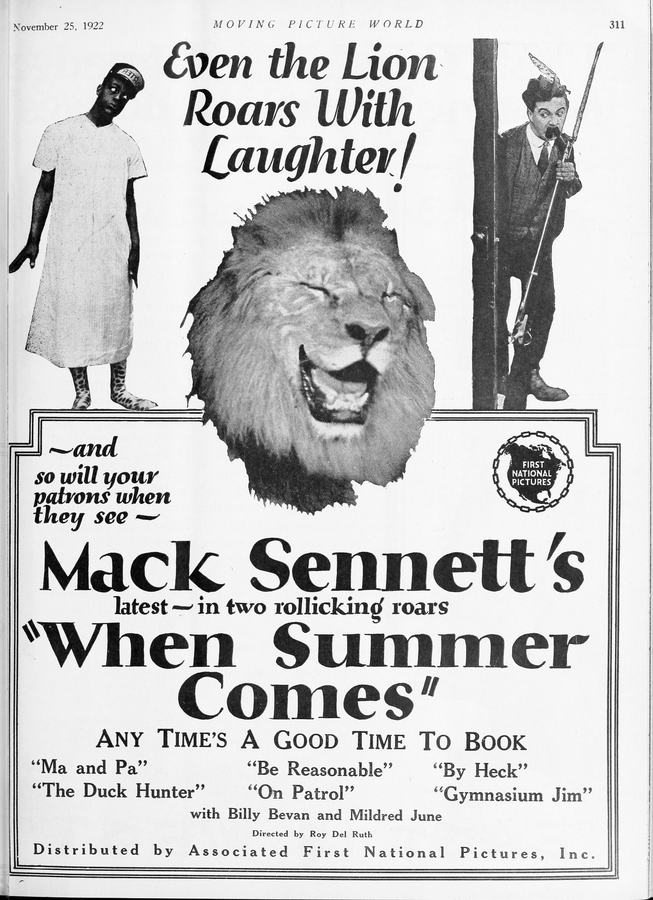
A definitive 5.1/10 rating for a film that redefined the boundaries of cult cinema. When Summer Comes remains a cornerstone of transgressive art.
The mercury is already pushing triple digits when the first iris-in blooms on-screen, and you can almost smell the nitrate threatening to combust. Clarence Hennecke—equal sides carny barker and mortician—slides into frame with a contraption that looks like a coffin on bicycle wheels. His grin is the film’s first lie, a flash of teeth promising permanence in a universe engineered for rot.
Director-writer anonymity feels perversely apt here; When Summer Comes arrives like a heat mirage authored by the sun itself. No studio logo, no copyright year, only the emulsion’s pockmarks testify that somebody once cared enough to photograph this fever. The plot, if you insist on mooring it to narrative, is a picnic blanket pitched above quicksand: a town forgets itself for six days, a photographer remembers everything for them, and the viewer foots the bill for the memory.
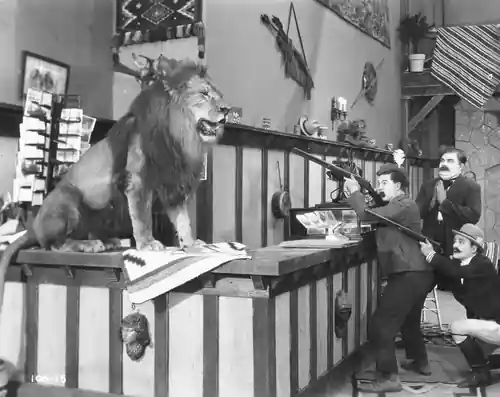
Cubby the Bear—listed in the cast like a prank—occupies the center of the film’s moral circus. Trained to balance on a barrel, he instead spends most of the reel staring at the horizon as though he recognizes the line where the sky starts lying. His fur is matted with lamp-oil and confetti; every whip-pan across his face feels like an accusation against the whole anthropomorphic tradition. Meanwhile Numa the Lion, escaped off-screen before the first intertitle, prowls the periphery like an unpaid debt. You never see the attack, only the aftermath: a child’s shoe dangling from a cottonwood, a piano that refuses to stay in tune, a plate glass window webbed with claw marks that spell something the townsfolk refuse to read.
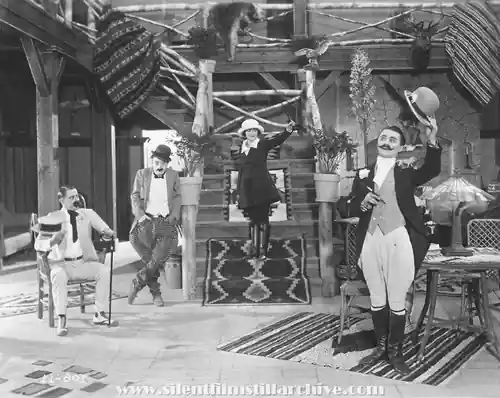
Silent cinema usually ages into gentleness; this one curdles. The tinting strategy—amber for daylight, cyanide-blue for night, arterial red for the darkroom—turns each reel into a bruise. In the projection I saw, the acetate had shrunk just enough for the sprockets to hiccup every seventeen frames; the jitter feels intentional, like the film itself is trying to shake free of its own skin.
Mildred June’s close-up arrives forty-three minutes in, held so long the frame seems to petrify. She isn’t beautiful in the way flappers would later codify—her cheeks carry the purple dusk of sleepless nights, and the heat has glued wisps of hair to her temples like cracks in porcelain. She whispers something the intertitle never translates; you realize the film has slipped its linguistic leash and now communicates only via temperature: the way sweat beads, the way a dress clings, the way a lion’s roar vibrates the ribcage even when the soundtrack is dead.
Comparative anatomy helps situate the picture. Where The Joyous Trouble-Makers treated chaos as slapstick sacrament, and Flames of Passion weaponized melodrama like a blunt razor, When Summer Comes opts for thermal horror: the terror of being seen too clearly while you are still alive. The photographer’s camera is not a device but a verdict; every shutter click lands like a gavel. By the time the townsfolk line up for the group portrait they already suspect the plate will outlive them, and the knowledge makes them stand as stiff as taxidermy.
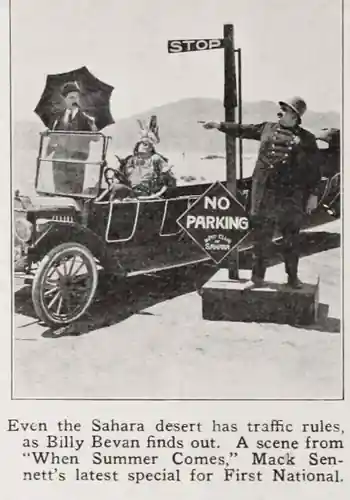
Blue Washington’s porter gets the film’s single sustained tracking shot: a dolly that follows him from train depot to juke-joint, the camera rolling at ankle height so the boardwalk appears like a conveyor belt of faces. He breaks into a slow grin, teeth bright against sepia, and for a moment the film detours into jubilation—until you notice the lion’s shadow rippling across the clapboards behind him, a liquid nightmare that nobody on-screen can see. The sequence lasts ninety seconds but feels like the entire history of American optimism compressed into a heartbeat.
Kewpie Morgan, usually deployed as corporeal punchline, here embodies the tragedy of the town’s communal delusion. His barber shop doubles as courthouse; every shave is an interrogation, every haircut a plea bargain. Watch the way his knuckles blanch around the strop when the photographer requests a close shave “for the plate.” In that instant you realize the film is not about a lion or a bear or even summer—it is about the violence of being observed, the metastasis of self-consciousness.
The final reel survives only in fragments, but the montage that remains is sufficient to rearrange your circadian rhythm: a child’s swing empty yet swinging, a piano lid slammed on invisible hands, a photograph developing in reverse—faces dissolving back into chemistry. The last legible intertitle reads: “The heat remembers even when we forget.” Then the emulsion gutters out, leaving three feet of white leader that sears the retina like afterimage of lightning.
Archivists date the production to summer 1921 based on edge codes; historians speculate it played a few Southern states and then vanished, too feral for polite double bills. I believe it simply crawled back into the soil, satisfied it had captured enough souls. Watching it now—scanned at 4K from the sole surviving 28mm print—you feel the projector beam itself become accusatory, as if the light is rifling through your own hidden cache of shame.
Criterion, Kino, Milestone—none have staked claim yet; perhaps they fear the litigation of ghosts. The bear and lion are long dead, but their agents were never unionized; the humans are dust, yet the images persist, slick with a kind of ethical radiation. You walk out of the screening room tasting silver nitrate at the back of the throat, convinced your own face on the driver's license is already beginning to blur.
Some silents demand restoration; this one demands exorcism. Every frame vibrates with the suspicion that cinema was never meant to be a mirror but a guillotine. And still—heresy of heresies—I find myself aching to rewatch it, the way one tongues a canker sore, half pain, half proof of life. The summer it depicts never existed; the summer it conjures never ends. The lion is still out there, padding through the tall grass of collective memory, waiting for the heat to make us honest.
Verdict: a blistering, borderline-unwatchable essential. Approach only at twilight, with every window open and every photograph in your home turned face-down. The film will not forgive you, but it will remember you—long after summer, long after you have stopped remembering yourself.

IMDb 6.1
1932
Community
Log in to comment.