DbcultAccessing Vault...
Cult Review
Senior Film Conservator
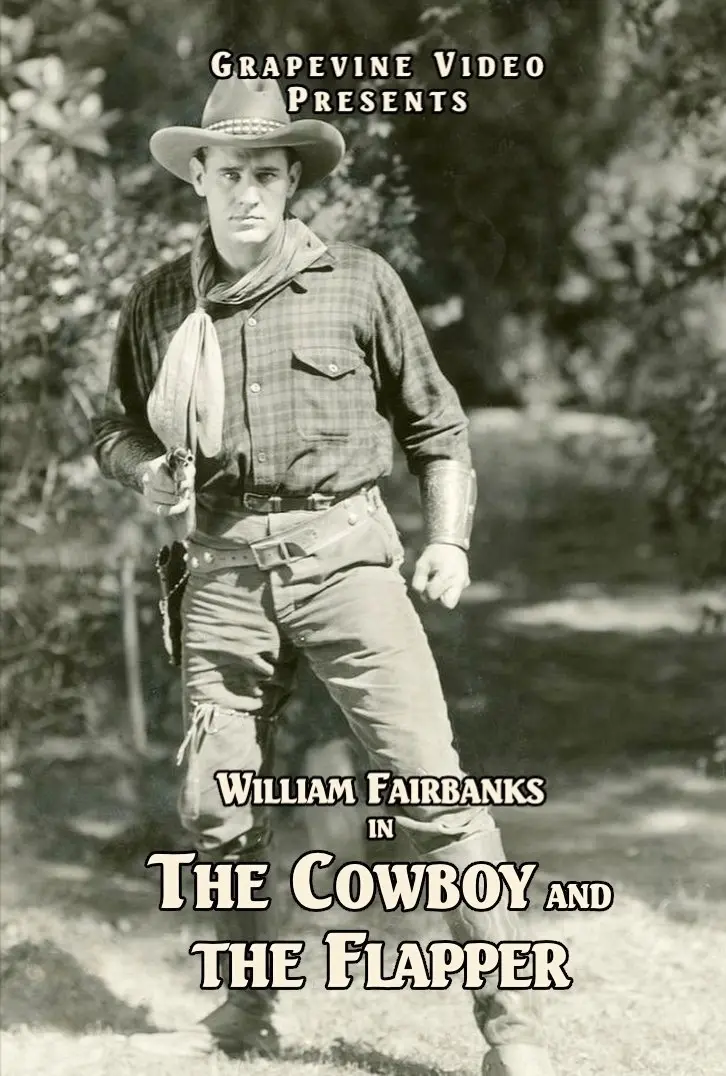
The year 1924 stood as a precipice in cinematic history, a moment where the rugged individualism of the Old West began to collide with the burgeoning, neon-soaked modernity of the Jazz Age. The Cowboy and the Flapper, directed and written with a keen eye for tension by Jefferson Moffitt, encapsulates this transition with startling clarity. While many silent Westerns of the era were content with simple binary conflicts, this film opts for a more labyrinthine approach to morality and performance. It isn't merely a story of a lawman catching thieves; it is a meditation on the performative nature of justice.
William Fairbanks, often overshadowed by his more famous brother Douglas, delivers a performance here that is both physically commanding and emotionally nuanced. As Marshal Dan Paterson, he must navigate the treacherous waters of deep-cover espionage long before the tropes of the undercover cop were cemented in the cultural lexicon. His physicality is a language unto itself, conveying the weight of his badge even when he is dressed in the rags of an outlaw. This role requires a certain dualism that Fairbanks handles with an understated grit, reminiscent of the atmospheric tension found in The Border Legion.
What distinguishes this narrative from the standard fare of the mid-twenties is the character of Alice Allison, played with a luminous but sharp-edged intensity by Dorothy Revier. The 'Flapper' of the title isn't just a stylistic choice; she represents a new kind of heroine—one who is inherently suspicious of the world around her. When Paterson attempts to facilitate her escape, he is met not with open arms, but with the cold steel of skepticism. Alice has no reason to believe that this 'outlaw' is anything other than what he appears to be. This dynamic transforms the film from a simple rescue mission into a high-stakes psychological game of chess.
The tension between the two leads is palpable, anchored by the realization that in the lawless frontier, a man’s word is only as good as the shadow it casts. Revier’s performance challenges the audience to consider the perspective of the victimized; her refusal to trust Paterson is a rational survival mechanism. This thematic depth echoes the complex gender dynamics explored in The Misleading Lady, though here it is transposed onto the dusty plains of the American West. The screenplay by Jefferson Moffitt meticulously builds this friction, ensuring that the eventual resolution feels earned rather than incidental.
Every hero is only as formidable as the antagonist they face, and the Carson gang, led by the imposing Milton Ross and the versatile Jack Richardson, provides a chilling backdrop for the drama. These aren't caricatures; they are portrayed as a functioning, albeit lethal, social unit. The gang’s hideout becomes a pressure cooker where every glance from Andrew Waldron or Morgan Davis could signal Paterson’s demise. The cinematography utilizes the stark contrasts of the desert sun and the deep shadows of the gang’s lair to create a visual metaphor for the film’s central theme: the thin line between light and darkness.
In comparison to the grand scale of The Birth of a Nation, The Cowboy and the Flapper is an intimate affair, yet it carries a visceral weight. The stakes feel personal. When Fred Haynes appears on screen, there is a sense of impending violence that keeps the viewer tethered to the edge of their seat. The film avoids the melodramatic excesses of The Evil Thereof, opting instead for a gritty realism that was ahead of its time. The pacing is relentless, a testament to the editing techniques that were being perfected in the mid-20s.
The visual storytelling in this production is nothing short of revolutionary for a genre picture. The use of wide-angle shots to establish the isolation of Alice Allison’s captivity contrasts sharply with the claustrophobic close-ups used during Paterson’s interactions with the gang. This juxtaposition heightens the sense of peril. One might find parallels in the atmospheric dread of The Wolf Man (1923), where the environment itself feels like a predator. Here, the desert is both a sanctuary and a prison, a duality that Moffitt exploits to great effect.
The costume design also deserves mention. The transition from the 'Cowboy' aesthetic to the 'Flapper' influence is visible in the subtle details of the wardrobe—a clash of leather and silk that mirrors the cultural shifts of the 1920s. This isn't just a Western; it's a social document. It captures a world where the ruggedness of The Girl of My Dreams meets the harsh realities of criminal justice. The lighting, particularly in the night scenes, prefigures the noir aesthetic that would dominate cinema decades later, using darkness not just as a lack of light, but as a narrative tool.
To view The Cowboy and the Flapper today is to witness the birth of the modern action-thriller. It grapples with themes of redemption and the burden of duty. Paterson is a man who must sacrifice his reputation—appearing as a criminal to the woman he wishes to save—in order to fulfill his oath. This sacrifice is a recurring motif in Moffitt’s work, but it finds its most potent expression here. The film’s exploration of false identity is far more sophisticated than the comedic misunderstandings of The Man from Mexico or the social satire of Lombardi, Ltd..
Furthermore, the film’s treatment of Alice Allison as a skeptical, intelligent participant in her own rescue marks a departure from the passive heroines of Her Reckoning. She is a woman of her time—modern, wary, and resilient. Even in the face of the gang’s brutality, her spirit remains unbroken, providing a moral compass for Paterson as he navigates his undercover role. The film suggests that while the cowboy may provide the muscle, it is the flapper’s discernment that ultimately guides the way to safety.
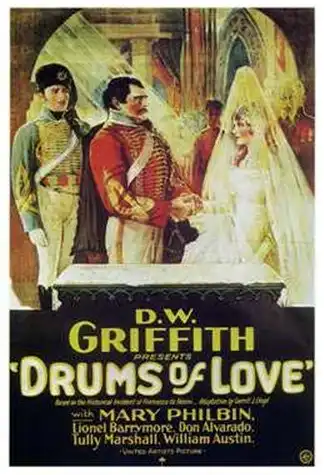
When examining the broader landscape of 1920s cinema, The Cowboy and the Flapper holds a unique position. It lacks the explosive melodrama of The Volcano, but it replaces it with a steady, simmering tension that is ultimately more satisfying. It avoids the slapstick elements of A Studio Rube or the chaotic energy of Black and Tan Mix Up, maintaining a tonal consistency that is rare for the era. Even when compared to international works like the Swedish Revelj, the film’s focus on the psychological toll of undercover work remains distinct.
The procedural elements of the Marshal’s investigation also bring to mind the early crime dramas like Chains of Evidence or the grim fascination of Life Story of John Lee, or The Man They Could Not Hang. However, Moffitt infuses the Western framework with a romantic tension that elevates it above a mere police procedural. The chemistry between Fairbanks and Revier is the engine that drives the film toward its explosive climax, a confrontation that is as much about the restoration of Alice’s faith as it is about the destruction of the Carson gang.
In the final analysis, The Cowboy and the Flapper is a testament to the sophistication of early American cinema. It proves that the silent era was capable of delivering complex, character-driven narratives that resonate even a century later. William Fairbanks provides a masterclass in stoic heroism, while Dorothy Revier redefines the role of the leading lady for a new generation. Jefferson Moffitt’s direction and writing ensure that every frame serves the story, creating a cohesive and thrilling experience that transcends the limitations of its time.
For fans of the genre, this film is an essential watch. It offers a glimpse into a pivotal moment in history where the myths of the West were being re-examined through the lens of a rapidly changing world. It is a film about the masks we wear, the trust we earn, and the enduring power of the law, even when it must hide in the shadows. This is not just a relic of the past; it is a vibrant, breathing piece of art that continues to captivate with its grit, its heart, and its uncompromising vision of justice.
IMDb 7.3
1934
Community
Log in to comment.