DbcultAccessing Vault...
8.1/10
Senior Film Conservator
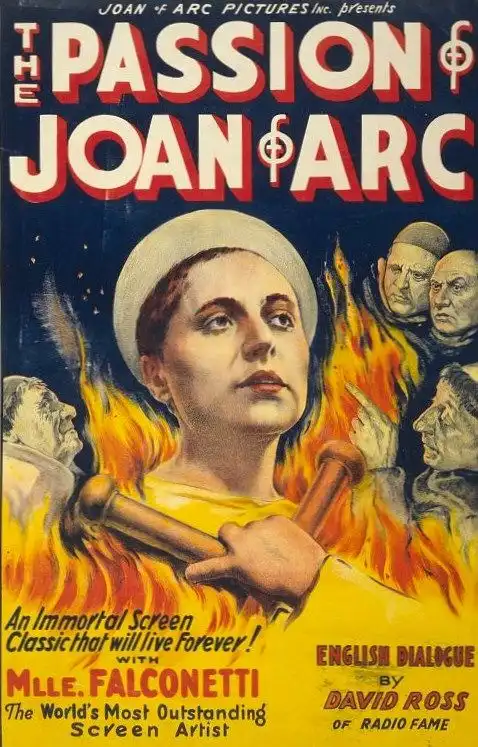
A definitive 8.1/10 rating for a film that redefined the boundaries of cult cinema. The Passion of Joan of Arc remains a cornerstone of transgressive art.
If you think silent films are all about frantic piano music and actors waving their arms like they’re trying to flag down a taxi, The Passion of Joan of Arc will shatter those preconceptions within five minutes. This isn't a dusty history lesson; it is a visceral, claustrophobic psychological thriller. It is absolutely worth watching today because it does something modern cinema rarely dares: it bets everything on the human face. It’s for anyone who appreciates acting as a physical feat and for those who want to see how a director can create tension without a single explosion. However, if you require sweeping landscapes or traditional action beats, the relentless close-ups and heavy religious themes might feel suffocating.
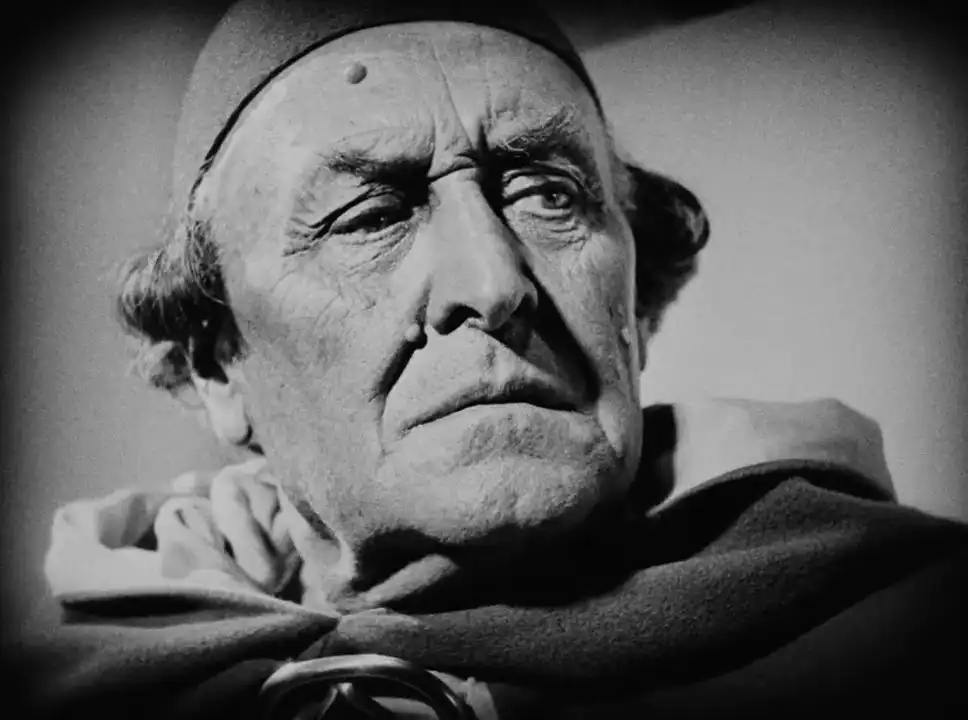
Director Carl Theodor Dreyer made a radical choice that still feels bold nearly a century later. He largely ignores the massive, expensive sets he had built, instead shoving the camera directly into the faces of his cast. We see every pore, every bead of sweat, and every twitch of a lip. By forbidding his actors from wearing makeup, Dreyer achieved a level of realism that was unheard of in 1928. When we look at Maria Falconetti as Joan, we aren't looking at a movie star; we are looking at a suffering human being.
There is a specific moment early in the trial where the camera lingers on Joan’s eyes as she looks upward. You can see the moisture in her eyes and the way her pupils dart in genuine fear. It’s not "stage acting." It’s a captured moment of vulnerability. This intimacy makes the judges’ interrogations feel like a physical assault. The film doesn't need dialogue to tell us Joan is exhausted; we can see the grey fatigue in the skin under her eyes.
Maria Falconetti’s performance is often cited as the greatest in cinema history, and for once, the hyperbole is justified. Her Joan is not a defiant warrior-queen; she is a terrified, devout peasant girl caught in a bureaucratic nightmare. The way she shrinks into herself when the judges loom over her is heartbreaking. But it’s not just Falconetti. The supporting cast, including a young Antonin Artaud as the sympathetic monk Massieu, provides a brilliant foil to the grotesque villains of the clergy.
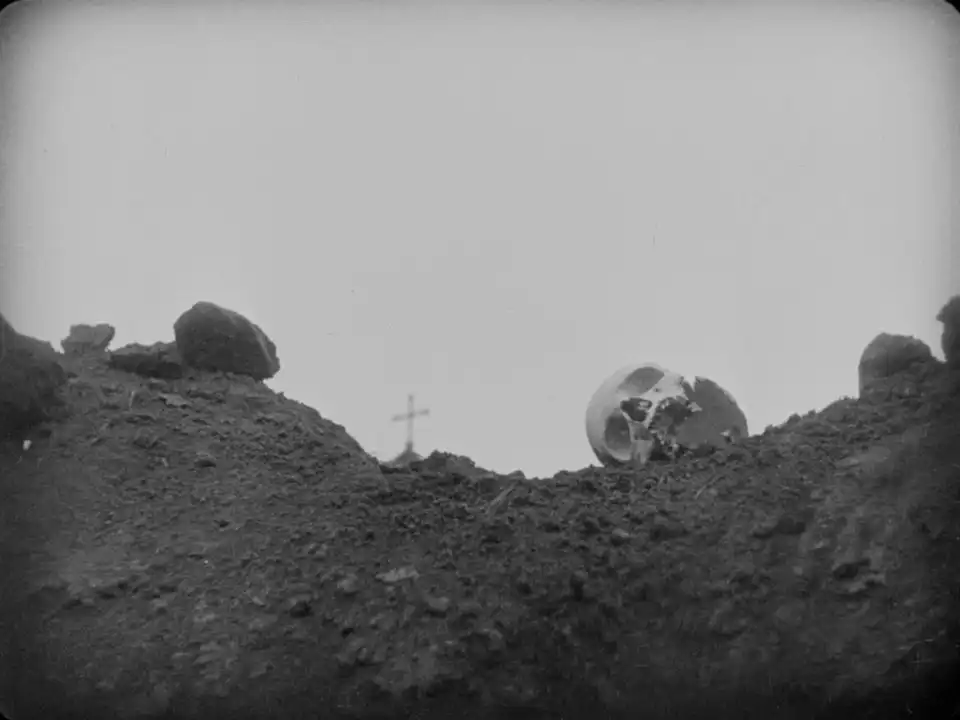
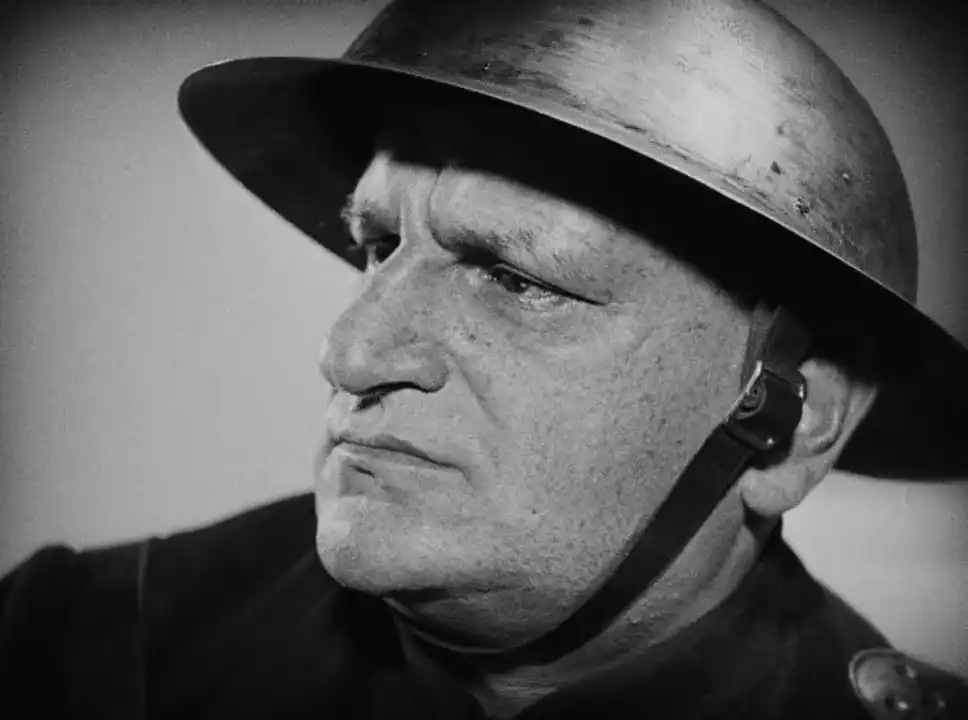
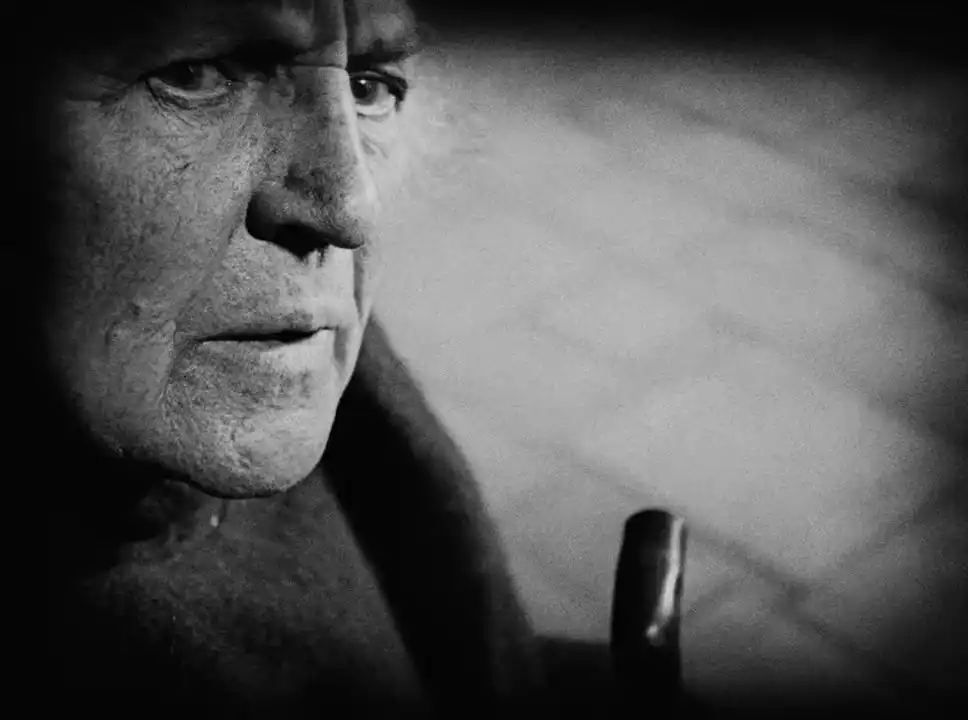
The judges themselves are filmed from low angles, making their chins and noses look like jagged mountain ranges. Their expressions are often caught in mid-sneer or mid-shout, emphasizing their ugliness. Eugene Silvain, playing Bishop Cauchon, carries a weight of institutional arrogance that feels genuinely threatening. The contrast between Joan’s soft, rounded features and the sharp, craggy faces of her accusers creates a visual conflict that sustains the film’s energy even when the plot is just people sitting in a room talking.
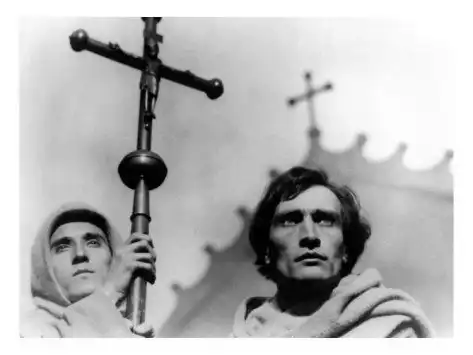
Dreyer’s use of space is intentionally disorienting. He frequently breaks the "180-degree rule," meaning you’re never quite sure where everyone is standing in relation to each other. This creates a sense of vertigo that mirrors Joan’s own confusion. The background walls are often stark white and featureless, which forces your eyes back to the actors. It’s a minimalist approach that makes the few props—a cross made of twigs, a pair of shears, the torture wheel—feel immensely significant.
The editing rhythm is surprisingly modern. During the interrogation scenes, the cuts between the judges and Joan are fast and aggressive. It feels like a cross-examination in a modern legal drama. Then, the film will suddenly slow down, lingering on a single teardrop or the way a shadow falls across the floor. These shifts in pace prevent the film from feeling static, despite its limited locations.
The film’s greatest strength is its emotional purity. It doesn't get bogged down in the politics of the Hundred Years' War or the complex theology of the time. It stays focused on the struggle between a soul and a system. The scene where Joan’s head is shaved is particularly difficult to watch; the camera stays tight on her face as the hair falls, capturing a look of profound loss that feels entirely real.
If there is a weakness, it’s that the middle section can feel repetitive. The cycle of Joan being questioned, refusing to recant, and being sent back to her cell happens several times. While this accurately reflects the historical trial’s grueling nature, some viewers might find the lack of narrative variety taxing. Additionally, the final riot scene, while visually impressive, feels a bit detached from the intimate character study that preceded it. The shift from a psychological drama to a chaotic crowd scene is a tonal jolt that doesn't quite land with the same precision as the trial scenes.
One detail that only becomes apparent upon a close watch is the strange architecture of the windows and doors in the background. They are often placed at odd heights or angles, reminiscent of the German Expressionism seen in films like La secta de los misteriosos, but here they serve a different purpose. They make the world of the church feel crooked and unnatural, a physical manifestation of the corrupted justice being served.
The Passion of Joan of Arc remains a towering achievement because it understands that the most interesting thing to look at is a human being in a moment of crisis. It avoids the theatricality of many silent-era peers, opting instead for a raw, documentary-like intensity. It is a film that demands your full attention and rewards it with an experience that is both draining and transcendent. Even if you aren't a fan of black-and-white cinema, the sheer power of Falconetti’s face is something you won't forget. It is, quite simply, essential viewing for anyone who takes the medium of film seriously.
IMDb —
1918
Community
Log in to comment.