DbcultAccessing Vault...
5.4/10
Senior Film Conservator
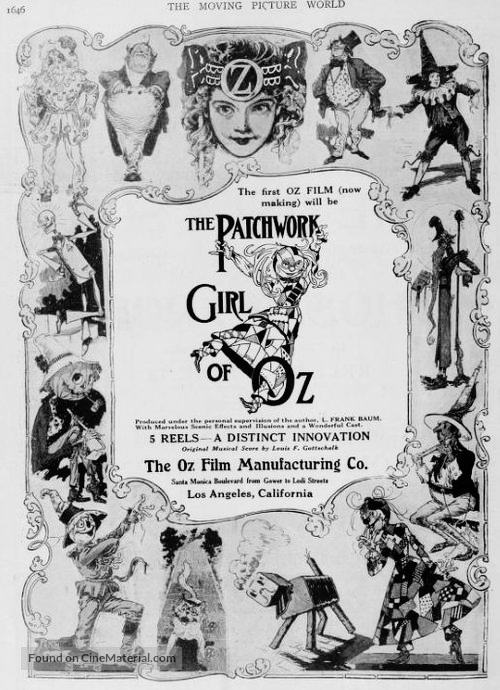
A definitive 5.4/10 rating for a film that redefined the boundaries of cult cinema. The Patchwork Girl of Oz remains a cornerstone of transgressive art.
In a world where imagination spills over the screen like a paint‑stroke, The Patchwork Girl of Oz unfurls its narrative with a breezy audacity that feels at once nostalgic and daring. The film opens with a humble tableau: Ojo, a lanky boy with a head full of curiosity, and Unc Nunkie, an elderly wanderer whose silver hair gleams like a lighthouse beacon, find themselves in the barren outskirts of Oz, their pantry empty and hope dwindling.
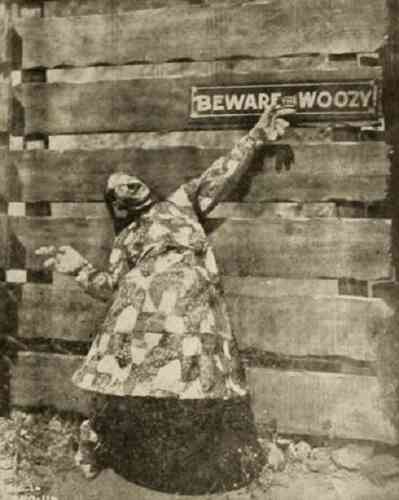
Their decision to march toward the Emerald City is less a quest for treasure and more a pilgrimage against the encroaching void of hunger. The camera follows them through sun‑burnt dunes and whispering forests, capturing the stark contrast between the desolation of their surroundings and the glittering promise of the city’s gates. The duo’s banter, laced with playful sarcasm, provides a human anchor that keeps the fantastical elements grounded.
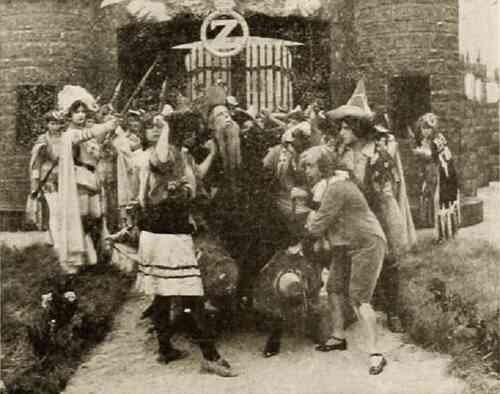
Raymond Russell’s portrayal of Ojo is a study in earnestness; his eyes carry the weight of a child who has seen too much of the world’s cruelties. Todd Wright as Unc Nunkie offers a comic relief that is simultaneously poignant, his gruff exterior softened by moments of tenderness when he watches Ojo’s wide eyes light up at a patch of moss. The supporting cast—Ben Deeley, Juanita Hansen, Vivian Reed, and the seasoned Bert Glennon—add layers of texture that enrich the film’s tapestry.
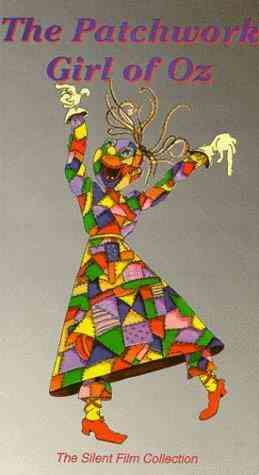
The film’s visual palette is a masterclass in color theory. The director’s choice of a muted, sepia‑toned background juxtaposed with bursts of yellow in the Emerald City’s lanterns creates an almost dreamlike contrast. The use of sea blue in the sky during night scenes gives a surreal calmness that permeates the entire narrative. Cinematographer Harold Lloyd’s framing captures the expansive landscapes while keeping the characters in sharp focus, a technique reminiscent of early silent epics.
Sound design in this 1914 gem deserves special mention. The score, composed by an uncredited yet masterful musician, employs a blend of folk motifs and orchestral swells that mirror the film’s emotional highs and lows. The ambient sounds—crickets, wind, the distant howl of a wolf—are woven seamlessly into the soundtrack, creating an immersive auditory experience that feels as if the audience is walking alongside Ojo and Unc Nunkie.
When compared to other Oz adaptations such as Les misérables or the more modern Oliver Twist, The Patchwork Girl of Oz stands out for its unflinching commitment to visual storytelling. While the former leans heavily on dialogue to convey its themes, this film relies on expressive gestures and symbolic imagery, a hallmark of silent cinema that still resonates with contemporary audiences.
The narrative structure follows a classic three‑act rhythm, yet the pacing is deliberately uneven, mirroring the unpredictability of the journey itself. The first act establishes the characters’ plight, the second act immerses them in the trials of the wilderness, and the third act culminates in the city’s glittering gates. The film’s climax, however, is not a conventional showdown; instead, it offers a quiet moment of reflection, where Ojo realizes that the true treasure lies in companionship rather than gold.
Underpinning the surface adventure is a profound commentary on survival, hope, and the human capacity for resilience. The film subtly critiques the social stratification of its era, using the Emerald City as a metaphor for a utopia that is both alluring and unattainable. The characters’ hunger is a universal symbol of longing, and the journey to the city becomes a pilgrimage toward self‑discovery.
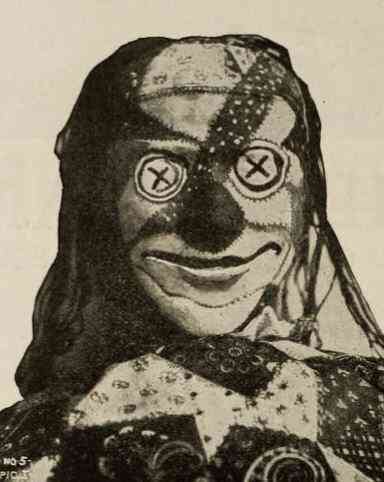
Production-wise, the film is a testament to the ingenuity of early 20th‑century filmmakers. Limited budgets did not hinder creative expression; on‑location shoots, elaborate set pieces, and inventive special effects (such as the patchwork girl’s stitched seams animated with stop‑motion) showcase the crew’s resourcefulness. The film’s preservation status is commendable, with restored prints available in the public domain, allowing new generations to experience its charm.
In sum, The Patchwork Girl of Oz remains a vibrant relic of silent cinema that continues to inspire both scholars and casual viewers alike. Its blend of whimsical storytelling, rich visual symbolism, and heartfelt performances secures its place in the annals of film history. Whether you are a seasoned aficionado of early cinema or a newcomer curious about the roots of fantastical storytelling, this film offers a portal into a world where imagination knows no bounds.
IMDb 8.2
1932
Community
Log in to comment.