DbcultAccessing Vault...
Cult Review
Senior Film Conservator
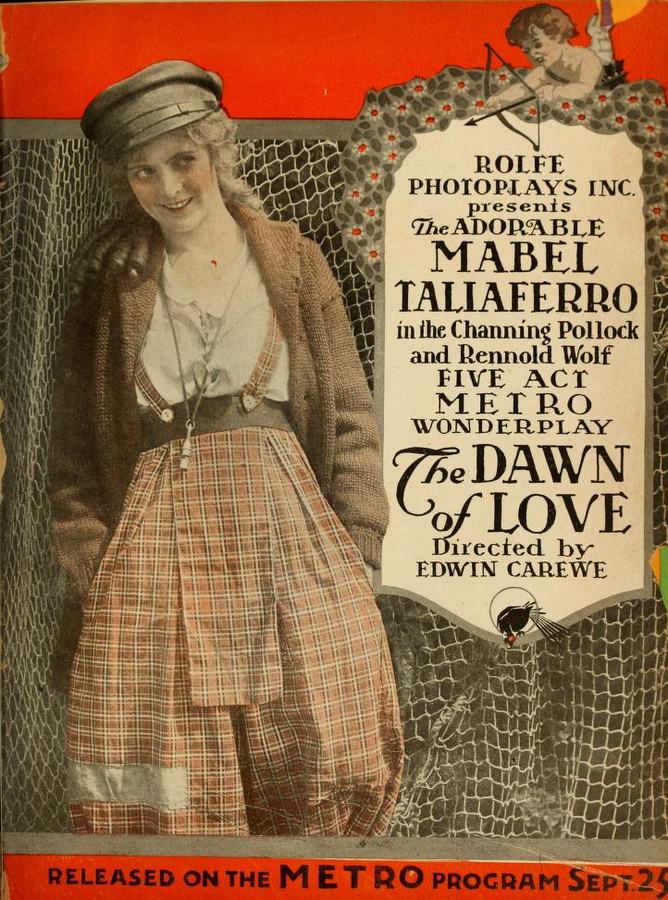
In the annals of silent cinema, where grand passions and moral quandaries often played out with operatic intensity, The Dawn of Love emerges as a compelling, albeit perhaps under-appreciated, narrative tapestry woven from threads of deception, illicit enterprise, and the profound, often tragic, complexities of human attachment. Released in 1917, a pivotal year for the burgeoning art form, this film plunges its audience into a world where appearances are deceiving and the foundations of familial trust are perpetually eroded by the tides of secret ambition. It is a testament to the era’s storytelling prowess, demonstrating how a seemingly straightforward plot can be imbued with layers of psychological tension and emotional resonance, even in the absence of spoken dialogue. The story unfurls with a delicate precision, introducing us to characters whose internal landscapes are as fraught with peril as the external circumstances that conspire against them.
At the heart of this intricate drama stands Miles Allen, a character whose benevolent façade as a simple fisherman belies a life entangled in the perilous shadows of international smuggling. He is a figure of tragic irony, a man who, one presumes, believes he is securing a better future for his daughter, Jacqueline, through means that are inherently destructive. His clandestine operations, involving the illicit transport of valuable silks and furs, paint him not merely as a villain but as a desperate individual caught in a moral labyrinth. The film’s silent narrative, in its reliance on visual cues and expressive performances, must convey the weight of his secret, the constant anxiety of discovery, and the paternal love that presumably fuels such dangerous endeavors. One can almost see the flicker of a burdened conscience in a subtle glance, the slight tremor in a hand, as he navigates his dual existence. This portrayal of a father’s misguided devotion, driven by an almost Faustian bargain with the underworld, sets a sombre and reflective tone for the unfolding tragedy. It is a stark reminder that even the most noble intentions can pave a path to ruin, a common thread in the more poignant melodramas of the era, much like the sacrifices depicted in The Promise, where characters grapple with the severe consequences of their commitments.
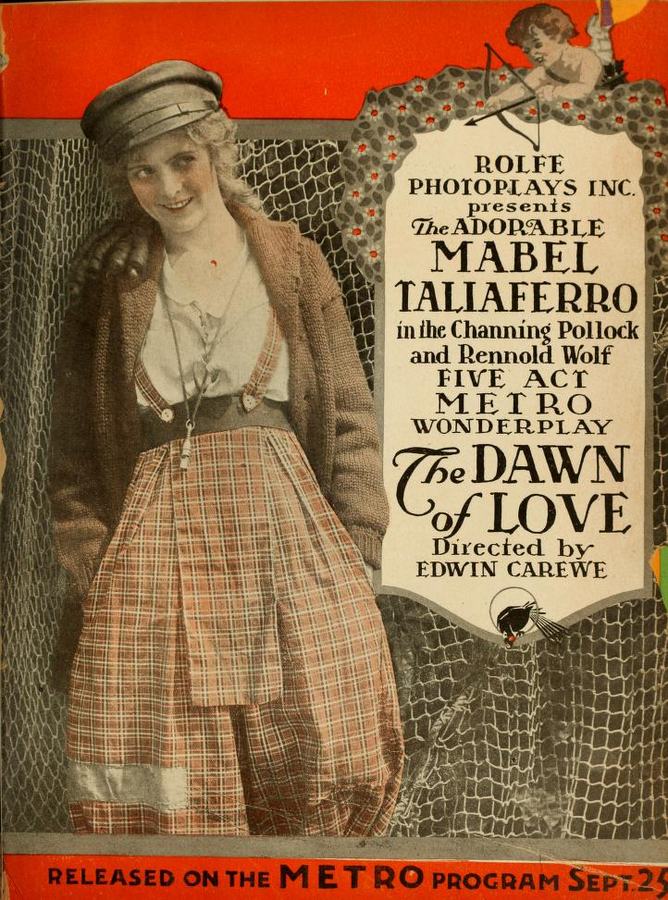
Jacqueline, portrayed by the luminous Mabel Taliaferro, serves as the film’s emotional anchor, her innocence a stark contrast to the moral murkiness surrounding her. Unaware of her father's perilous secret life, she represents purity and vulnerability, a canvas upon which the brutal realities of the world are about to be painted. Her eventual journey from blissful ignorance to heart-wrenching disillusionment forms the emotional core of the narrative. Taliaferro, a prominent star of the era, would have been expected to convey this profound shift through nuanced facial expressions and gestures, allowing the audience to viscerally experience her shock, grief, and eventual resolve. The initial blossoming of her love with John Lang, the customs officer, is depicted as a beacon of hope, a fragile bloom in a garden of thorns. This burgeoning romance, however, is immediately threatened by the insidious machinations of Ward Jennings, injecting a potent dose of romantic rivalry and suspense. Jacqueline's character is not merely a damsel in distress; her arc demands a profound transformation, from a sheltered existence to one marred by betrayal and loss, yet ultimately finding strength in adversity. Her unwitting complicity, by virtue of her relationship with Miles, places her in an unenviable position, making her subsequent actions – particularly her misguided blame of John – entirely understandable from a character perspective.
John Lang, the customs officer, embodies the classic archetype of the upright, principled hero, albeit one thrust into an agonizing ethical dilemma. His initial purpose – to investigate the very smuggling operation Miles Allen runs – inevitably clashes with his burgeoning affection for Jacqueline. This conflict between duty and personal emotion is a powerful dramatic engine, allowing the film to explore the complexities of moral obligation. Robert Frazer, in the role, would have needed to project an unwavering sense of integrity alongside a deeply felt vulnerability, especially as he becomes the undeserving target of Jacqueline's grief-stricken wrath. His pursuit of justice is not born of malice but of professional commitment, yet it inadvertently leads to the tragic downfall of the man he comes to respect as Jacqueline's father. The injustice of Jacqueline's mistaken blame is a cruel twist of fate, amplifying the emotional stakes and creating a chasm between the lovers that seems almost insurmountable. John's steadfastness, his eventual return to comfort Jacqueline despite her initial rejection, speaks volumes about his character – a man whose love transcends immediate pain and misunderstanding, a beacon of hope in the narrative’s darkest hours.
The character of Ward Jennings, portrayed by D.H. Turner, is the quintessential antagonist, a figure whose unrequited love curdles into a venomous desire for revenge. His possessive affection for Jacqueline, unreciprocated by either her or her father, transforms him into an agent of chaos. Miles Allen's refusal to sanction a marriage between Ward and Jacqueline acts as the catalyst for Ward's malevolent actions, revealing a petty, vengeful core beneath his veneer of respectability. His decision to expose Miles’ smuggling operation is not driven by a sense of civic duty but by a malicious desire to inflict pain and disrupt the lives of those who denied him. This act of betrayal, leading directly to Miles’ death, solidifies Ward’s role as the primary villain. His subsequent manipulation of Jacqueline, exploiting her grief and misdirected anger, further underscores his depravity. The silent film medium, with its reliance on exaggerated gestures and stark contrasts, would have lent itself well to portraying Ward's villainy, making his insidious nature palpable to the audience. His ultimate demise, a fall from a cliff, is a classic cinematic trope for poetic justice, a dramatic and visually striking end for a character whose moral compass is utterly broken. This kind of dramatic retribution often found its way into films exploring tragic fates, much like the intense melodrama seen in Italian productions of the era such as Sangue blu, where morality plays out with fatal consequences.
The Dawn of Love is rich with thematic resonance, probing the dark corners of human nature and the societal pressures that shape individual choices. Deception, a central pillar of the plot, manifests in multiple forms: Miles’ elaborate charade as a humble fisherman, Ward’s two-faced manipulation, and even Jacqueline’s initial blindness to the truth. This pervasive deceit creates an atmosphere of suspense and unease, keeping the audience on edge as they anticipate the inevitable unraveling of lies. Betrayal, too, is a powerful undercurrent, particularly in Ward’s vengeful act against Miles, which reverberates through the lives of all involved. The film delves into the moral ambiguities inherent in such situations: Is Miles’ smuggling entirely reprehensible if motivated by paternal love? Is John’s duty-bound pursuit of justice tainted by its tragic outcome? These questions, though perhaps not explicitly articulated in dialogue, are powerfully conveyed through the characters' actions and reactions, inviting viewers to ponder the nuanced spectrum of right and wrong. The narrative serves as a cautionary tale, illustrating how secrets, no matter how well-guarded, invariably surface, often with devastating consequences. The film’s exploration of these themes places it firmly within the tradition of melodramas that sought to explore the darker side of human experience, akin to the grand narratives of fate and consequence found in films like The Garden of Allah, where characters wrestle with profound moral and emotional struggles in dramatic settings.
Beyond the intricate web of deceit, the film is fundamentally a story of love’s enduring power amidst profound loss. The tender affection between John and Jacqueline, initially a fragile spark, is tested by unimaginable tragedy and misunderstanding. Their separation, born from Jacqueline’s misplaced blame, highlights the destructive force of grief and the corrosive nature of unexamined assumptions. Yet, the narrative skillfully guides them back towards each other, demonstrating that true love can withstand even the most harrowing trials. The eventual revelation of Ward’s villainy and the truth behind Miles’ death serves as a cathartic turning point, allowing Jacqueline to process her grief and redirect her emotions towards a more just understanding of events. This pursuit of justice, both narrative and emotional, is crucial for the film’s resolution. Ward’s dramatic fall from the cliff not only provides a satisfying sense of poetic justice but also symbolically clears the path for John and Jacqueline to reconcile and rebuild their lives. The "dawn of love" in the title thus takes on a layered meaning: it signifies not just the initial blossoming of romance but also the emergence from darkness into the light of truth and renewed hope. It is a powerful message of resilience, suggesting that even after the deepest sorrows, the human spirit can find solace and begin anew.
While specific production details remain elusive without direct access to the film, one can infer much about its cinematic craftsmanship from the era's prevalent styles. Silent films thrived on visual storytelling, employing expressive acting, dramatic lighting, and carefully composed shots to convey emotion and narrative progression. The direction, likely by a seasoned hand of the period, would have emphasized clear visual cues – perhaps close-ups to capture the anguish on Jacqueline's face, or stark contrasts in lighting to differentiate the moral purity of John from the shadowy malevolence of Ward. The setting, particularly the coastal environment for Miles' smuggling and the climactic cliff-top confrontation, would have provided ample opportunities for evocative cinematography. Imagine sweeping shots of the sea, symbolizing both freedom and danger, or the dramatic silhouette of figures against a stormy sky during the final struggle. Such visual metaphors were a cornerstone of silent film artistry, used to amplify the emotional impact and thematic depth. The pacing, too, would have been crucial, building tension through slow, deliberate scenes of suspense followed by rapid-fire sequences of action and confrontation. The success of the film would have hinged on the actors’ ability to communicate complex emotions without dialogue, relying on their physicality and facial expressions, a skill that defined the great performers of the silent era. The editing would have been instrumental in maintaining narrative clarity and emotional momentum, guiding the audience through the intricate plot twists and turns. The film, in its construction, would have aimed for maximum emotional impact, a hallmark of early 20th-century cinematic storytelling.
The Dawn of Love, in its intricate plotting and heightened emotional stakes, stands as a representative example of the melodramatic narratives that captivated audiences during the silent era. It eschews the lighter fare of some contemporaries, like Bab's Diary, for a more somber and morally complex exploration of human relationships under duress. The film leverages classic tropes – the hidden identity, the love triangle, the vengeful antagonist, the tragic misunderstanding – to construct a narrative that, while perhaps predictable to modern sensibilities, would have resonated deeply with audiences accustomed to such dramatic conventions. The power of these films lay in their ability to evoke strong emotional responses through visual storytelling, and The Dawn of Love seems perfectly poised to deliver on this front. Its exploration of crime, justice, and redemption, all filtered through the lens of romantic entanglement, speaks to timeless human concerns. The film serves as a valuable artifact, offering insights into the narrative structures and thematic preoccupations that shaped early cinema, demonstrating a sophisticated understanding of how to build suspense and elicit empathy without the aid of spoken words. It is a testament to the enduring appeal of stories where love conquers all, but only after navigating a treacherous landscape of human failings and external threats.
Ultimately, The Dawn of Love appears to be more than just a simple melodrama; it’s a profound meditation on the cyclical nature of human experience – the rise and fall, the deception and revelation, the loss and eventual rediscovery of hope. The film doesn't shy away from depicting the brutal consequences of moral compromise, nor does it offer easy answers. Miles Allen's death, though a direct result of his illicit activities, is presented as a tragic event, underscoring the human cost of his choices. Jacqueline's journey through grief, anger, and ultimately, understanding, is a powerful arc of personal growth and resilience. The resolution, with John and Jacqueline planning their future together, isn’t a fairytale ending that erases all past pain, but rather a quiet affirmation of enduring love and the possibility of rebuilding after devastation. It suggests that while the scars of tragedy may remain, the human spirit is capable of healing and forging new beginnings. This nuanced approach, even within the melodramatic framework, elevates the film beyond mere entertainment, positioning it as a thoughtful exploration of love’s capacity to triumph over adversity, a beacon of light emerging from the deepest shadows. It is a narrative that, even a century later, continues to speak to the universal themes of trust, betrayal, and the enduring human quest for connection and peace. The film's title, The Dawn of Love, perfectly encapsulates this journey from darkness into a hopeful, if hard-won, light, making it a compelling piece of silent film heritage worthy of renewed attention and appreciation.
IMDb 5.1
1931
Community
Log in to comment.