DbcultAccessing Vault...
5.5/10
Senior Film Conservator
A definitive 5.5/10 rating for a film that redefined the boundaries of cult cinema. The Revelers remains a cornerstone of transgressive art.
Short answer: Yes, but only if you’re fascinated by the evolution of synchronized sound or the cultural footprint of vaudeville. The Revelers is not a traditional film—it’s a historical document wrapped in performance art. It works because it captures a pivotal moment in movie history when sound and motion first danced together. It fails because it lacks narrative depth, relying entirely on its performers’ ability to captivate through song and gesture. You should watch it if you want to witness the raw, unpolished energy of early 20th-century entertainment.
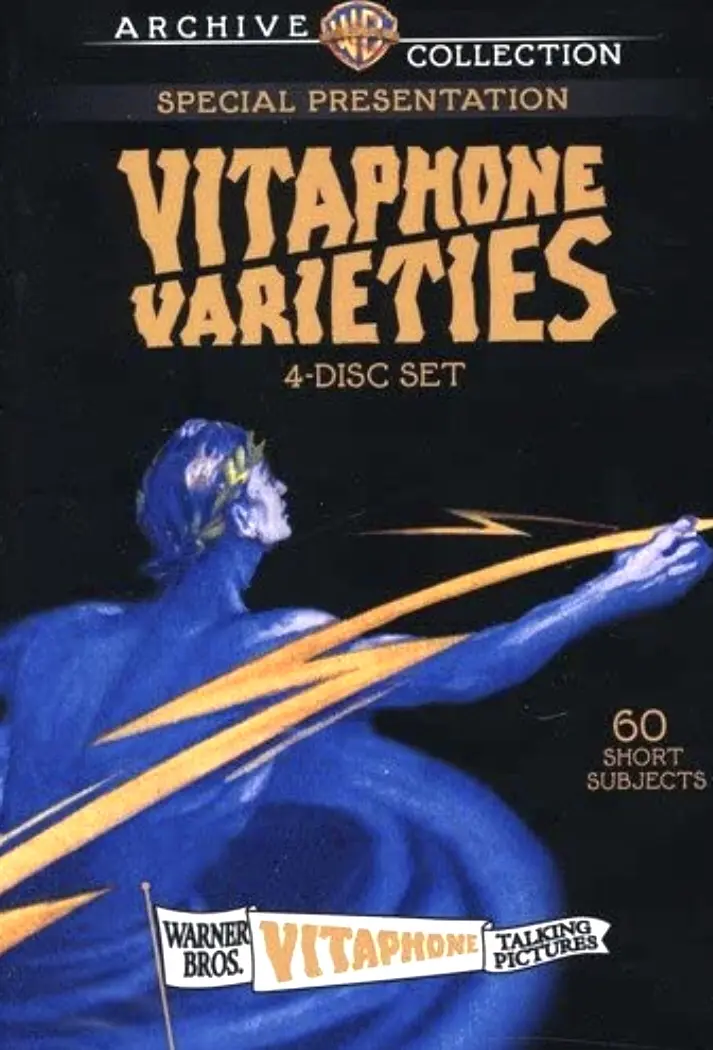
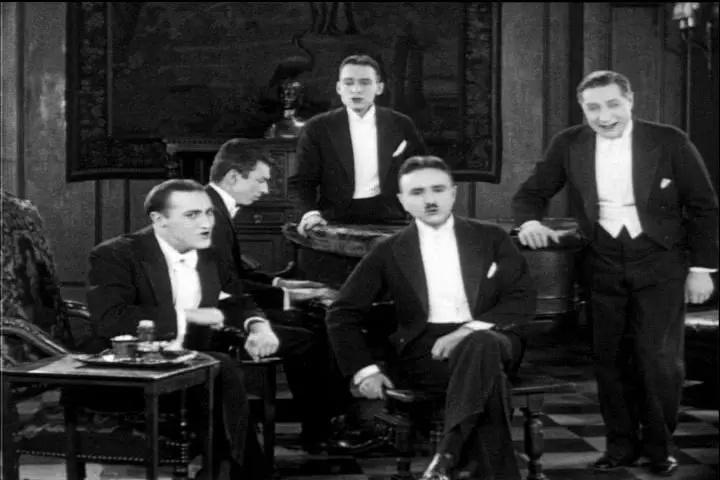
The Revelers exists in a strange limbo between theater and cinema. Unlike Innocent Husbands, another Vitaphone short, this film leans into the theatricality of its medium. The framing is static, the camera rarely moves, and the performers seem aware they’re performing for both a live audience and a film crew. This duality creates an odd tension—part live show, part cinematic relic.
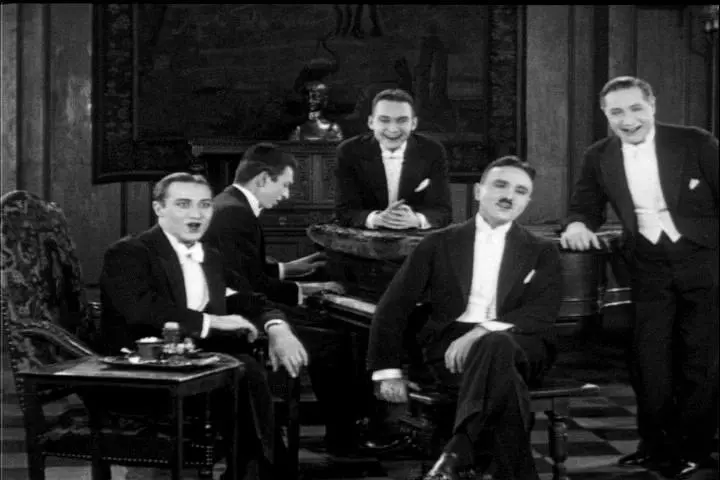
The quintet’s chemistry is undeniable. Frank Black, the group’s leader, radiates a smooth, self-assured charm, while Wilfred Glenn’s comedic timing adds levity. In one standout sequence, the group harmonizes on "The Sheik of Araby," their synchronized movements and vocal precision showcasing the Vitaphone process’s potential. Yet the film’s true star is the technology itself. The crackle of sound, the occasional audio lag, and the raw, unedited performances feel like a direct line to 1927.
1) It captures the birth of sound cinema. Before The Official Motion Pictures of the Heavyweight Boxing Contest... or Boomerang Bill, The Revelers tested the limits of audio-visual synchronization. The film’s technical flaws—hiss, uneven volume—only reinforce its authenticity.
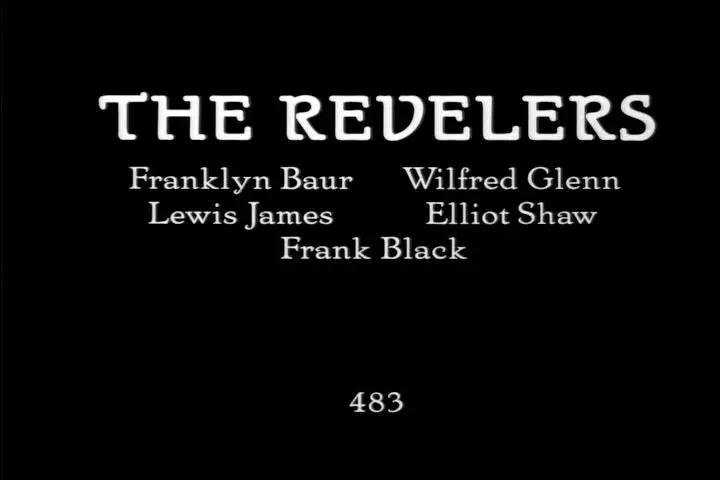
2) The performers radiate old-school charisma. Lewis James’s wry grin and Franklyn Baur’s precise choreography suggest a troupe at the peak of their craft. Elliott Shaw’s booming baritone, particularly in the closing number, would feel at home in a Broadway revue.
3) It’s a time capsule of vaudeville’s cultural dominance. The Revelers’ repertoire—popular tunes from 1927—offers a window into America’s musical tastes. Compare this to Old Home Week, another Vitaphone short, and you’ll notice The Revelers’ more deliberate attempt to blend theatricality with emerging film techniques.
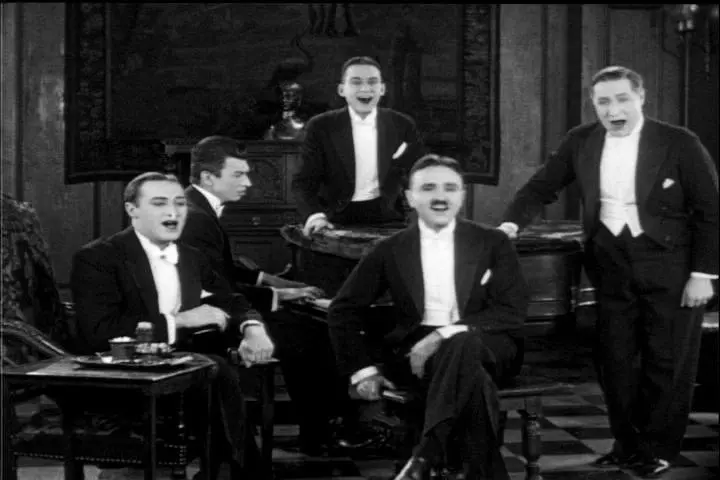
1) It lacks narrative cohesion. Unlike Queen of Spades, which uses music to advance a story, The Revelers offers only disjointed performances. There’s no arc, no character development—just a series of songs strung together.
2) The pacing is glacial by modern standards. A single number can last several minutes without cuts, relying on the performers’ energy to sustain interest. For viewers expecting dynamic editing, this will feel like a snoozefest.
3) It glorifies a fading art form. While the film preserves vaudeville’s heyday, it also underscores how quickly it became obsolete. The same year The Revelers was released, Hollywood began phasing out live performances in favor of more controlled studio recordings.
Pros:
Cons:
If you’re a casual viewer, probably not. The Revelers will struggle to hold your attention without visual flair or dramatic stakes. But for historians, music buffs, or anyone fascinated by cinema’s transition to sound, it’s an essential watch. Its value lies in what it is—a snapshot of a world before movies became movies as we know them.
The Revelers is a flawed but fascinating relic. It works as a technical milestone and a celebration of vaudeville’s last gasp. It fails as entertainment for the modern viewer, but that’s not really what it aspires to be. In the end, it’s a film that asks you to look back—not just at the screen, but at the very origins of sound in cinema.
Final Rating: 7/10. A must-see for niche audiences, but don’t expect magic.
IMDb 6.4
1929
Community
Log in to comment.