DbcultAccessing Vault...
6.2/10
Senior Film Conservator
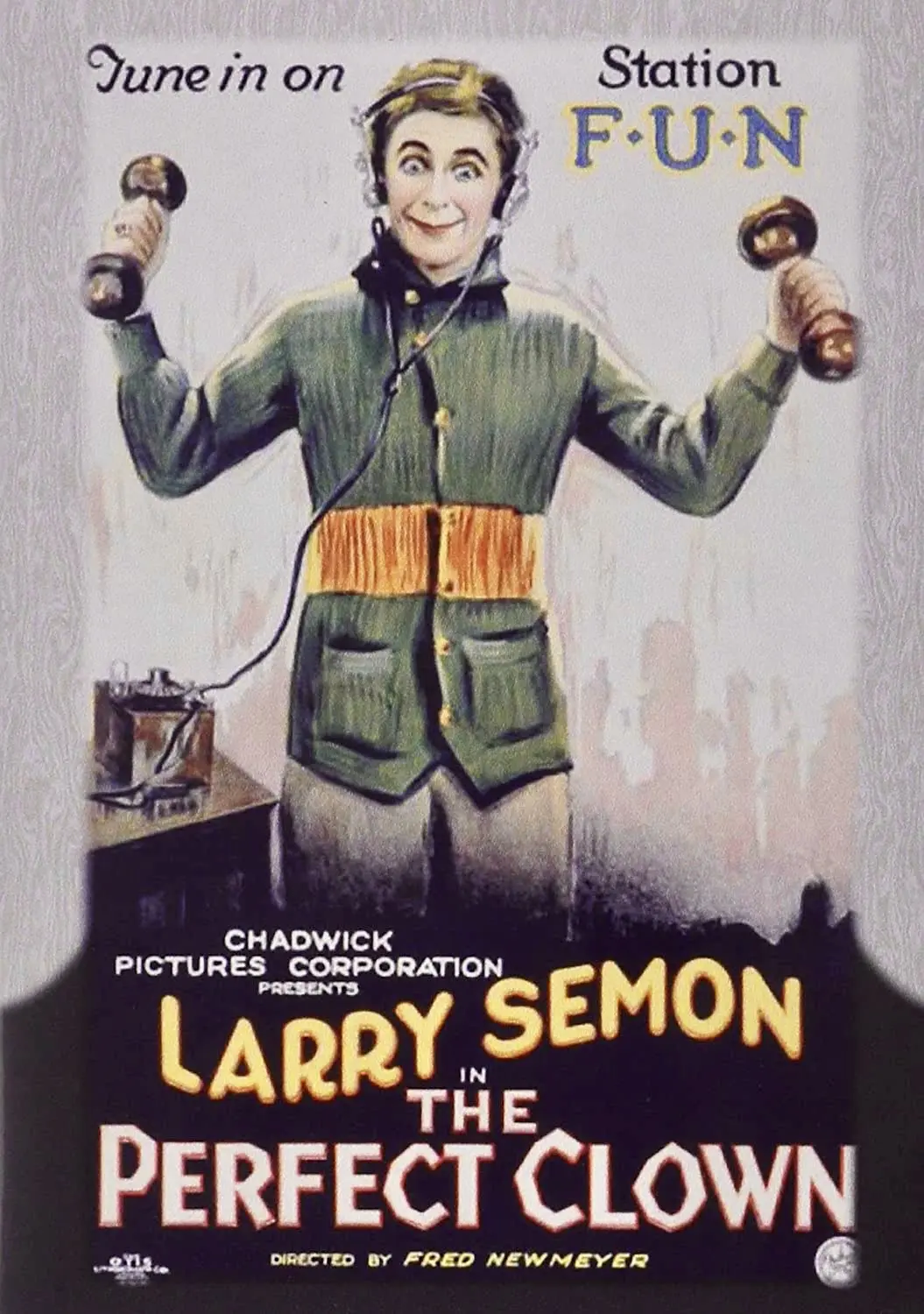
A definitive 6.2/10 rating for a film that redefined the boundaries of cult cinema. The Perfect Clown remains a cornerstone of transgressive art.
The year 1925 served as a pivotal juncture for cinematic comedy, a period where the primitive gags of the previous decade began to coalesce into sophisticated, feature-length narratives. The Perfect Clown stands as a testament to this transition, showcasing the idiosyncratic brilliance of Larry Semon, a performer whose legacy often finds itself unjustly eclipsed by the towering shadows of Keaton and Chaplin. In this production, Semon abandons some of the more surreal, cartoonish physics of his earlier shorts to ground himself in a plot that, while farcical, hums with a genuine sense of desperation.
At its core, the film operates on a clockwork mechanism of tension. The protagonist, a man defined by his anonymity and his white-painted visage, is handed a task of monumental gravity. The $10,000 in his possession is not merely paper; it is a catalyst for chaos. Unlike the more whimsical stakes seen in Footlights, the pressure here feels visceral. When the bank doors click shut, the film shifts from a workplace comedy into a proto-noir slapstick hybrid. Semon’s performance is a masterclass in the 'comedy of the nervous system,' where every twitch of his brow and every frantic glance toward a dark alleyway communicates a profound fear of failure.
The cinematography captures a world that feels vast and uninviting, utilizing deep blacks and sharp highlights to emphasize the clerk's isolation. This visual palette is far more sophisticated than the flat lighting found in contemporaneous works like The Heart of Jennifer.
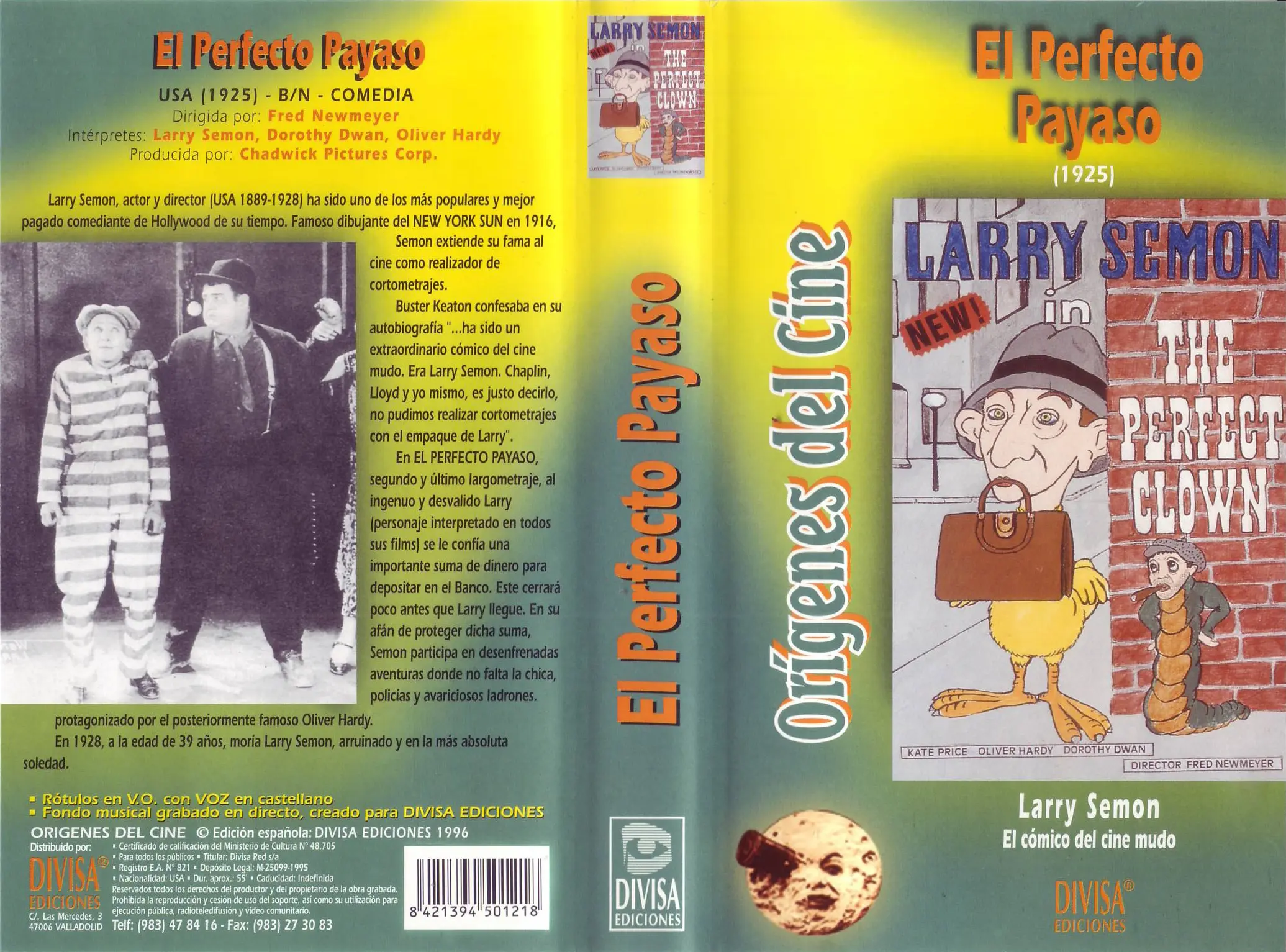
One cannot discuss The Perfect Clown without acknowledging the presence of Oliver Hardy. Before his legendary partnership with Stan Laurel reached its zenith, Hardy was a formidable character actor, often playing the 'heavy' or the foil. Here, his physicality provides a necessary anchor to Semon’s more buoyant movements. The chemistry between them hints at the rhythmic perfection that would later define the sound era. While Man's Plaything explored different facets of social interaction, Semon and Hardy focus on the friction between the small man and the large obstacle, a theme that resonates throughout the film's second act.
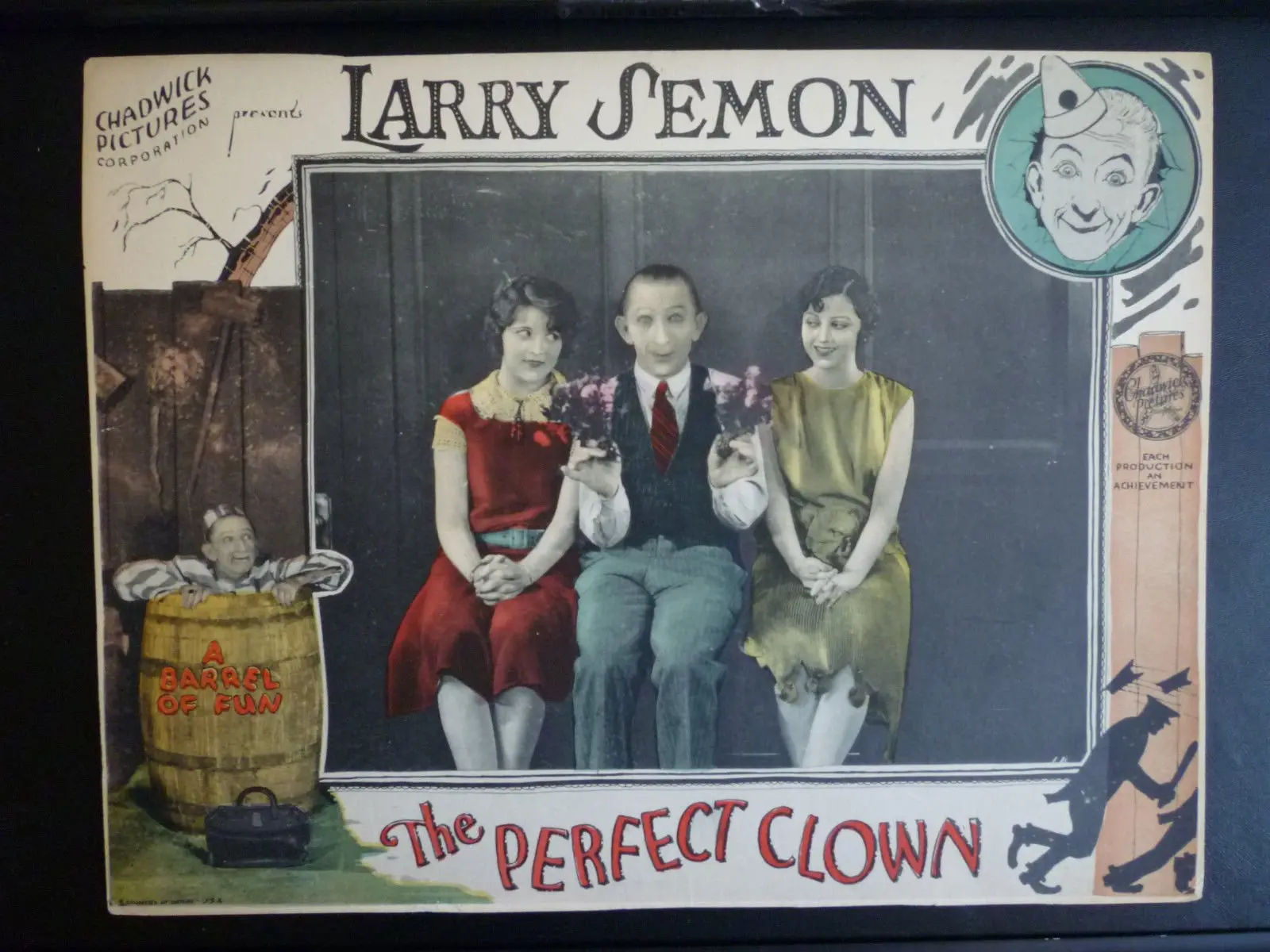
The supporting cast, including the robust Otis Harlan and the versatile Dorothy Dwan, populates the screen with a gallery of archetypes that feel lived-in rather than merely functional. Frank Alexander and Tiny Sandford contribute to the film’s sense of scale, providing the physical mass against which Semon’s lithe frame must constantly contend. The domestic scenes at the bank president's house are particularly noteworthy, as they replace the broad outdoor stunts with a more claustrophobic, situational humor that feels surprisingly modern.
Larry Semon was notorious for his astronomical production costs, often spending fortunes on elaborate gags that lasted mere seconds on screen. In The Perfect Clown, this extravagance is channeled into the choreography of the chase. The sequences involving the storm and the subsequent navigation of the president’s estate exhibit a level of technical precision that rivals Why Elephants Leave Home in its sheer audacity. The use of practical effects to simulate a tempestuous night adds a layer of atmospheric dread that is rarely achieved in comedy. It is this willingness to blend genres—to place a clown in a setting that could easily house a thriller like Terror Trail—that makes the film so compelling.
The writing, credited to Charlie Saxton and Thomas J. Crizer, avoids the episodic nature that plagued many silent features. Instead, the narrative follows a singular, driving objective. This linear focus allows the gags to build upon one another, escalating in complexity and absurdity. When compared to the historical density of Disraeli, Semon’s work might seem lightweight, but its structural integrity is undeniable. Every mishap with the money serves to heighten the clerk’s desperation, leading to a climax that is as emotionally satisfying as it is hilariously chaotic.
Viewing The Perfect Clown in the context of its peers reveals a fascinating divergence in comedic philosophy. While The Lone Round-Up relied on western tropes and Le ultime avventure di Galaor leaned into European sensibilities, Semon’s film is quintessentially American in its obsession with success, money, and the fear of the 'boss.' There is a frantic energy here that mirrors the industrial boom of the 1920s—a sense that one must keep moving or be crushed by the machinery of society. This same energy can be felt in S.O.S., though Semon translates that urgency into the language of the pratfall.
Furthermore, the film’s romantic undertones, though secondary to the slapstick, provide a humanizing element that is often missing from Semon’s earlier, more destructive work. His interactions with Alice Fletcher and Joan Meredith offer brief moments of respite from the carnage, grounding the character in a way that recalls the pathos of The Lover of Camille, albeit through a much more distorted, comedic lens. It is this balance between the absurd and the relatable that elevates the film above mere period curiosity.
By the time Political Pull and Honeymoon Ranch were circulating in theaters, the style of comedy championed by Semon was beginning to wane. The audience’s appetite was shifting toward more grounded, character-driven narratives. However, The Perfect Clown remains a high-water mark for the pure, unadulterated gag. It lacks the cynicism found in Among the Counterfeiters, opting instead for a joyous, albeit panicked, celebration of human resilience. The clerk’s refusal to abandon his post, despite the mounting absurdity of his situation, mirrors the dedication of the filmmaker himself.
In the grand tapestry of 1920s cinema, alongside domestic dramas like Man and Wife or the moralistic tales of Burning the Candle, Semon’s work provides the necessary levity. It is a reminder that cinema, at its most fundamental level, is a medium of movement. The way Semon uses his body—not just for stunts, but to convey the internal state of a man on the brink of a nervous breakdown—is nothing short of revolutionary. The film's conclusion, while adhering to the expected happy ending of the era, feels earned because of the sheer volume of physical and psychological punishment the protagonist endures.
Final Thoughts: While Larry Semon’s star may have dimmed in the decades following his untimely death, The Perfect Clown serves as a vibrant, breathing artifact of his genius. It is a film that demands to be seen not just by historians, but by anyone who appreciates the art of the visual gag. It is a frantic, beautifully shot, and expertly paced journey into the heart of 1920s slapstick, anchored by a cast that represented the very best of the era's comedic talent. The $10,000 may be the MacGuffin, but the real treasure is the sheer, unbridled energy that Semon brings to every frame.
IMDb 6.7
1932
Community
Log in to comment.