DbcultAccessing Vault...
6.6/10
Senior Film Conservator
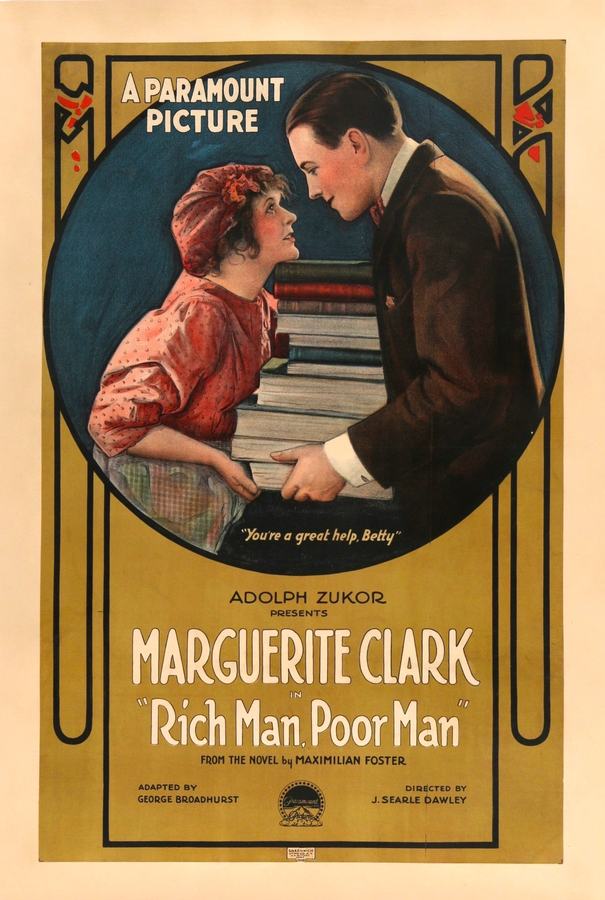
A definitive 6.6/10 rating for a film that redefined the boundaries of cult cinema. Rich Man, Poor Man remains a cornerstone of transgressive art.
There's something undeniably captivating about the silent era, a period when storytelling relied solely on the nuanced gestures, expressive gazes, and dramatic intertitles to convey emotion and propel narrative. 'Rich Man, Poor Man' (1918), a cinematic artifact from this fascinating epoch, stands as a testament to the enduring power of classic melodrama. Directed by J. Searle Dawley and adapted from a play by George Broadhurst and Maximilian Foster, with screenwriting contributions from Tom Bret, this film plunges us into a world where social strata dictate destiny, but genuine affection and surprising revelations ultimately transcend the boundaries of wealth and status. It's a tale that, despite its century-old vintage, resonates with timeless themes of identity, deception, and the redemptive power of love. The film, starring the luminous Marguerite Clark, alongside a robust ensemble including Richard Barthelmess and Winter Hall, navigates a complex web of relationships and mistaken identities, characteristic of the era's grand narratives.
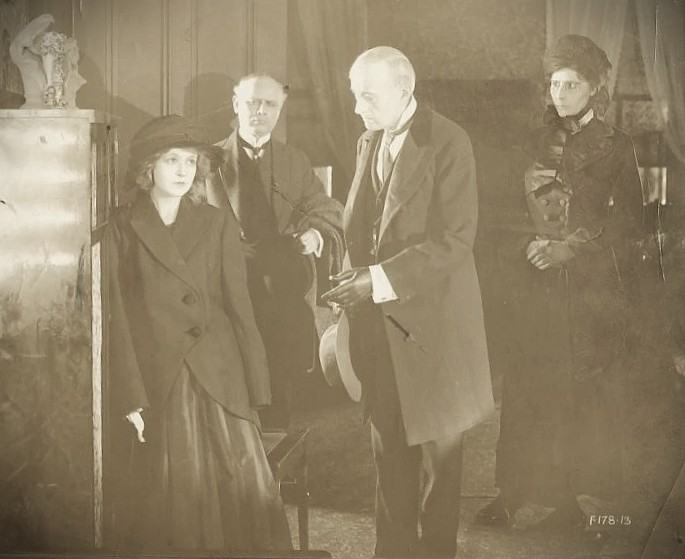
At the heart of 'Rich Man, Poor Man' is Betty Wynne, portrayed with an endearing blend of vulnerability and steely resolve by Marguerite Clark. Clark, a prominent star of the era known for her delicate beauty and expressive acting, brings Betty to life with a sincerity that immediately draws the audience into her plight. We first encounter Betty in the throes of adversity, forced into the thankless role of a maid in a bustling boarding-house after the tragic loss of her mother. This initial depiction of hardship is crucial; it establishes her innate goodness and resilience, qualities that will later allow her to disarm even the most hardened hearts. Her sunny disposition, despite her challenging circumstances, isn't a mere plot device; it's the very essence of her character, a radiant inner light that attracts both love and unexpected opportunities. Clark masterfully conveys the quiet dignity with which Betty navigates her impoverished existence, making her subsequent journey into the world of opulence all the more impactful. Her performance here, much like her work in films such as The Darling of Paris, showcases her remarkable ability to embody characters who, despite societal pressures, maintain their moral compass and inherent charm.
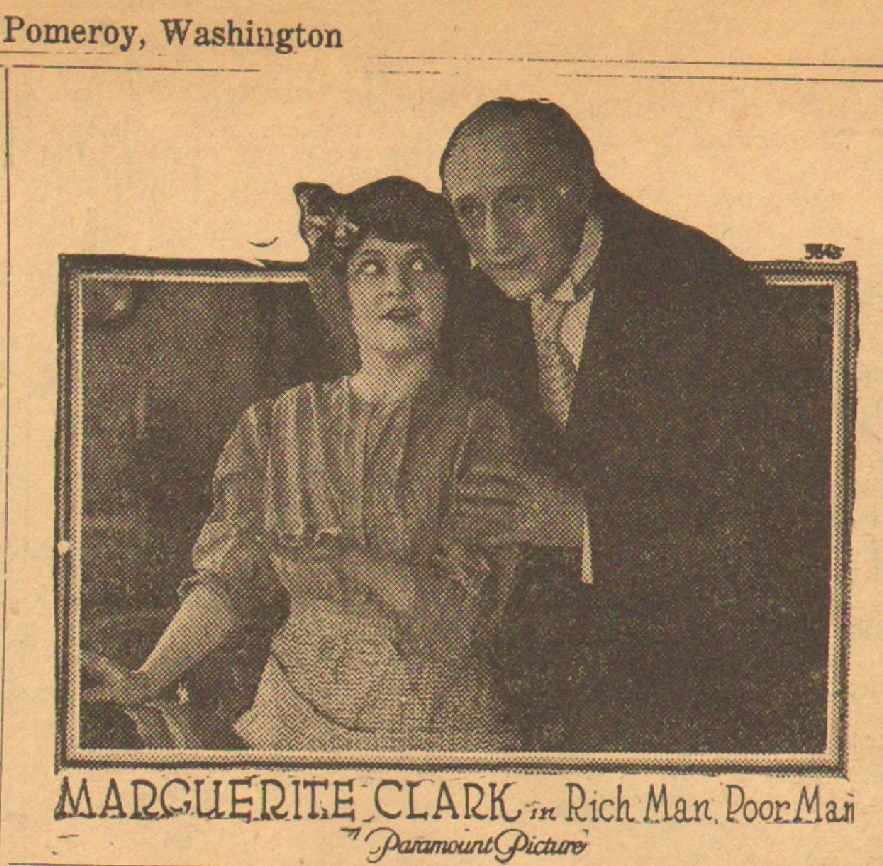
The catalyst for the film's central drama arrives in the form of old Henry Mapleson, a fellow lodger at the boarding-house, brought to life with a nuanced performance by George Backus. Mapleson is not a villain, but rather a character driven by a profound, if misguided, sense of benevolence. His admiration for Betty's unwavering cheerfulness, even in the face of destitution, moves him to an extraordinary act: the forgery of a document that purports Betty to be the long-lost granddaughter of millionaire John K. Beeston. This seemingly audacious act, a cornerstone of classic melodramatic plotting, is presented not as malicious, but as a desperate attempt to uplift a deserving soul. Mapleson’s actions, while ethically dubious, are rooted in a genuine desire to see Betty thrive, a sentiment that adds layers of complexity to his character. His role highlights a recurring theme in silent cinema: the intervention of external forces, often coincidental or manipulative, to alter a protagonist's fate. One might draw parallels to the intricate machinations found in films like The Tenth Case, where hidden truths and fabricated narratives drive the entire plot, though here the intent is purely altruistic.
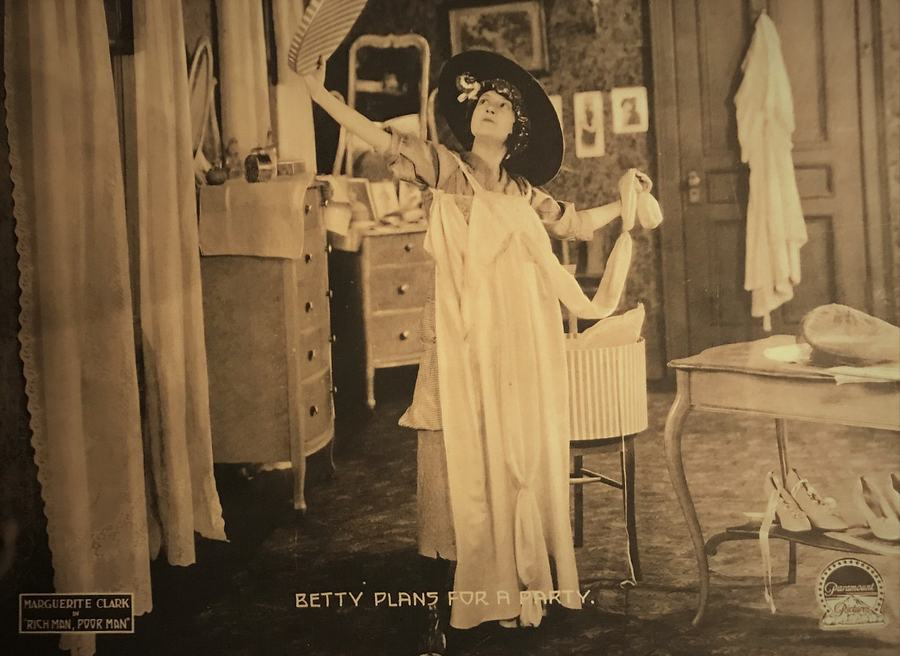
Winter Hall delivers a compelling portrayal of John K. Beeston, the reclusive and initially insensitive millionaire. Beeston is introduced as a man defined by his wealth, but devoid of genuine human connection, a figure whom 'nobody loves.' This character archetype – the wealthy but emotionally impoverished patriarch – is a staple in dramatic literature and cinema, offering fertile ground for character development. Betty's arrival, orchestrated by Mapleson's forgery, acts as a profound catalyst for Beeston's transformation. Her innocence, warmth, and lack of avarice gradually chip away at his hardened exterior. The film beautifully illustrates this softening, showing how genuine affection, rather than transactional relationships, can reawaken a dormant humanity. Beeston's journey from a cold, detached magnate to a doting grandfather figure is one of the most satisfying arcs in the film. It underscores the idea that wealth, while powerful, cannot buy true happiness or familial love, a sentiment echoed in many contemporary films dealing with the pitfalls of material obsession. The subtle shifts in Hall's performance, from initial skepticism to eventual tenderness, are remarkably effective, relying on facial expressions and posture to convey deep emotional change without a single spoken word.
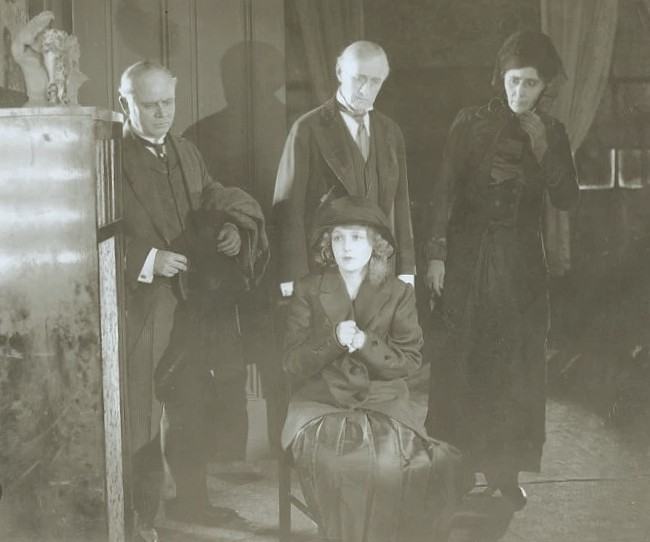
Richard Barthelmess, an actor who would go on to achieve considerable fame, plays Bayard Varick, Betty's initial love interest. Bayard is a man caught between his burgeoning affection for Betty and a deep-seated, inherited animosity towards John K. Beeston. His belief that Beeston ruthlessly ruined his father in a past business deal forms an almost impenetrable barrier between him and Betty once she enters the millionaire's orbit. This conflict is a powerful dramatic engine, forcing Bayard to choose between his loyalty to his family's memory and his love for Betty. Barthelmess imbues Bayard with a strong sense of moral conviction, even if that conviction leads him to a painful misunderstanding. His refusal to visit Betty in Beeston's opulent mansion, driven by principle rather than lack of love, is a tragic miscommunication that fuels much of the film's emotional tension. This kind of noble, yet ultimately self-defeating, pride is a common trope in silent films, often leading to dramatic misunderstandings that could easily be resolved with a simple conversation, a device seen in other period dramas like The Price of Pride. Bayard's internal struggle, visually expressed through his tormented expressions and conflicted body language, is a highlight of Barthelmess's early career performance.
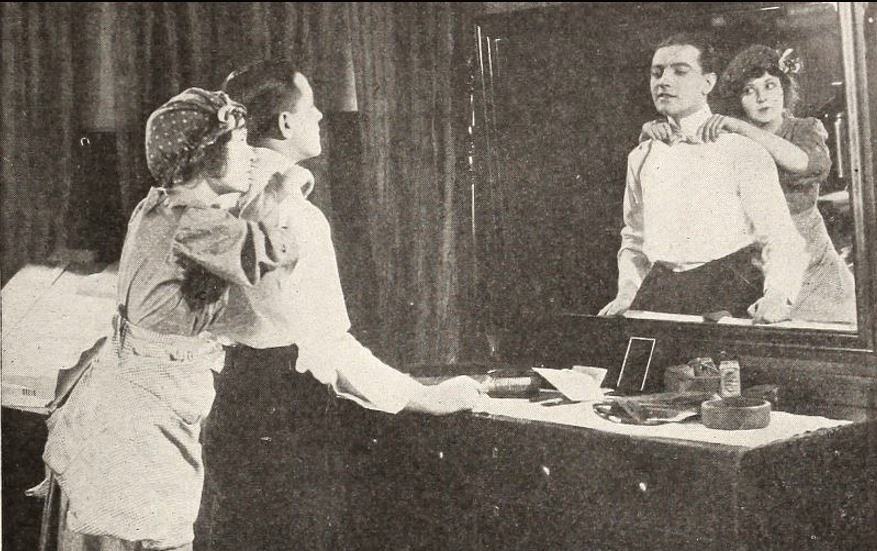
As Bayard's pride keeps him away, Betty, interpreting his absence as a sign of lost love, finds herself in an increasingly untenable position. Beeston, having grown deeply fond of his 'granddaughter,' expresses a wish for her to marry her cousin. This development heightens the stakes considerably. Betty, heartbroken and feeling abandoned, agrees, believing this to be her only path forward in a world where she is now beholden to a powerful, albeit loving, benefactor. This moment perfectly encapsulates the melodramatic conventions of the era: a virtuous heroine caught in a web of circumstances beyond her control, forced to make a seemingly impossible choice. The narrative deftly builds suspense towards this impending, unwanted marriage, a classic dramatic cliffhanger that keeps the audience invested. The sense of resignation and quiet despair conveyed by Clark in these scenes is palpable, drawing deep empathy from the viewer. The film masterfully uses the visual language of silent cinema to convey Betty's internal turmoil, relying on close-ups of her expressive face and the subtle slump of her shoulders to communicate her profound sadness. The tension here is reminiscent of the emotional predicaments faced by characters in films like Temptation, where external pressures and internal conflicts threaten to derail true love.
The dramatic climax of 'Rich Man, Poor Man' arrives with the inevitable unraveling of Mapleson's well-intentioned deception. The truth about the forgery finally reaches Bayard, galvanizing him into action. Realizing the depth of the misunderstanding and the impending loss of his sweetheart, he embarks on a desperate race to Beeston's estate. This moment is a quintessential silent film trope: the hero rushing against time to prevent an unwanted marriage or a tragic fate. The visual dynamism of such a chase, even if implied through cross-cutting, would have been thrilling for audiences of the time. Upon Bayard's arrival, the stage is set for a confrontation that is both emotionally charged and dramatically revealing. Beeston, having grown to cherish Betty, is understandably reluctant to give her up. His journey from an unfeeling magnate to a loving patriarch makes this resistance all the more poignant. However, the film delivers its most significant twist: the revelation that Bayard is, in fact, Beeston's long-lost grandson. This astonishing turn of events not only resolves Bayard's deep-seated resentment but also brings the two estranged family lines together in a heartwarming conclusion. It's a powerful narrative device, often employed in stories like His Sweetheart, where hidden identities and long-lost relatives serve to untangle complex romantic and familial knots. The final scene, where Beeston, now doubly enriched by the return of his grandson and the enduring love between Bayard and Betty, relents, is a moment of profound emotional catharsis.
'Rich Man, Poor Man' is more than just a romantic melodrama; it's a commentary on the societal anxieties and aspirations of its time. The stark contrast between Betty's initial poverty and her subsequent immersion in Beeston's wealth highlights the rigid class structures of the early 20th century. The film subtly argues that true worth lies not in inherited wealth or social standing, but in character and genuine human connection. Betty's unwavering kindness, even in the face of adversity, is ultimately what transforms Beeston, rather than any material gain or societal advantage. This theme resonates with other films exploring social mobility and class divides, such as As a Woman Sows. Furthermore, the film delves into the complexities of identity – both inherited and constructed. Betty's identity as Beeston's granddaughter is a fabrication, yet it leads to a genuine familial bond. Bayard's identity as a wronged individual is rooted in a misunderstanding, while his true identity as Beeston's grandson brings reconciliation. The narrative suggests that while circumstances and deceptions may shape immediate realities, underlying truths and genuine affection ultimately prevail. The writers, Tom Bret, J. Searle Dawley, George Broadhurst, and Maximilian Foster, crafted a narrative that, while relying on familiar tropes, imbues them with sufficient emotional depth to remain engaging.
From a technical perspective, 'Rich Man, Poor Man' offers a valuable glimpse into the cinematic techniques prevalent in 1918. The direction by J. Searle Dawley, while perhaps not revolutionary, is competent, effectively using close-ups to emphasize emotional states and wider shots to establish setting. The pacing, typical of early feature films, allows for the gradual development of characters and plot points, building towards a satisfying crescendo. The film's reliance on intertitles, while a necessity of the silent era, is handled judiciously, providing essential dialogue and narrative exposition without overwhelming the visual storytelling. The performances, particularly from Clark and Hall, are excellent examples of silent acting, characterized by heightened physicality and expressive facial work that conveyed emotions without the benefit of spoken words. The supporting cast, including Mary Davis, J.W. Herbert, Ottola Nesmith, Augusta Anderson, and William Wadsworth, contribute to the rich tapestry of characters, each playing their part in the intricate drama. The film's overall aesthetic, though limited by the technology of its time, still manages to create a compelling world, allowing audiences to suspend disbelief and become fully immersed in the unfolding narrative. It's a reminder that compelling storytelling doesn't always require cutting-edge special effects or complex sound design; sometimes, a well-crafted plot and heartfelt performances are more than enough.
In conclusion, 'Rich Man, Poor Man' stands as a charming and emotionally resonant example of early American cinema. Its intricate plot, driven by well-meaning deception, class conflict, and the enduring power of love, ensures its continued relevance. The film's ability to weave together themes of identity, reconciliation, and the triumph of genuine affection over material concerns gives it a timeless quality. Marguerite Clark's captivating performance as Betty Wynne, coupled with the strong supporting cast and a narrative that keeps you guessing until the final revelation, makes this a film well worth rediscovering. It’s a testament to a bygone era of filmmaking, where grand gestures and heartfelt emotions were the primary language of the silver screen. For those interested in the evolution of cinematic storytelling or simply seeking a compelling drama with a satisfying resolution, 'Rich Man, Poor Man' offers a rich and rewarding viewing experience. It reminds us that while the tools of filmmaking may change, the fundamental human desire for connection, justice, and love remains a powerful and universal narrative force. This film, like many of its contemporaries, serves as a poignant reminder of the foundations upon which modern cinema was built, showcasing the enduring power of a good story, well told, even without a single word spoken aloud.
IMDb 5.8
1931
Community
Log in to comment.