DbcultAccessing Vault...
5/10
Senior Film Conservator
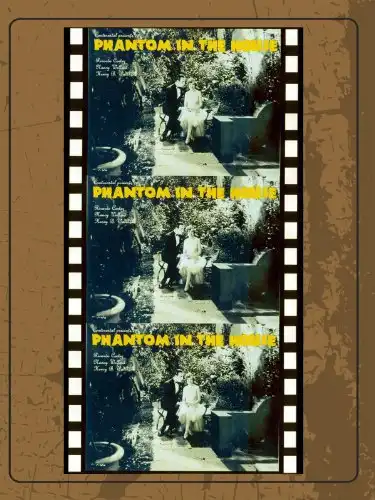
A definitive 5/10 rating for a film that redefined the boundaries of cult cinema. The Phantom in the House remains a cornerstone of transgressive art.
If you are looking for something snappy or fast-paced, you should probably just keep scrolling. The Phantom in the House is one of those dusty, creaky early talkies that feels like it’s held together with scotch tape and hope. It is definitely for the people who have a soft spot for silent-era actors trying to figure out what to do with their voices.
Is it worth watching today? Only if you like seeing Henry B. Walthall look incredibly sad for an hour. If you want a tight thriller, you will probably hate it. It is more of a 'sit with your tea and wonder why people in 1929 were so obsessed with dramatic sacrifice' kind of movie.
The whole thing starts with a murder. Well, an accident that looks like a murder. Boyd (Walthall) has a wife who kills a guy—a real cad—and instead of just calling the cops and explaining things, Boyd decides to be the ultimate martyr. He takes the rap. He goes to prison for fifteen years.
Fifteen years is a long time to spend in a cell for something you didn't do. When he gets out, he’s basically a ghost. A phantom, if you will. The movie doesn't let you forget the title for a second.
Walthall is the main reason to even bother with this. He has these eyes that just look perpetually tired. Like he’s been carrying the weight of the whole world on his shoulders since the late 1800s. He doesn't say much, but he doesn't have to. His mustache does half the acting for him anyway.
There is a scene right after he gets out where he’s just standing near a wall. The camera stays on him for way too long. It is almost uncomfortable. You can tell they were still figuring out how to edit sound films, so they just let the film roll while he looked vaguely depressed.
The daughter, played by Nancy Welford, is... well, she's very 1920s. She has that high-pitched, chirpy energy that makes you want to hide under a rug. She doesn't know who her dad is, which leads to all these scenes where he’s watching her from the shadows. It’s supposed to be touching, but it feels a little bit like a stalker movie if you aren't in the right mood.
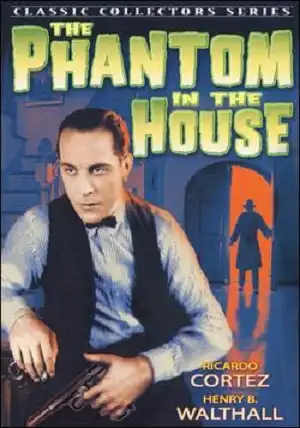
I found myself thinking about Heart to Heart while watching this. That movie also had this heavy, sentimental vibe where everyone is just suffering for the sake of it. It’s a very specific flavor of drama that we just don't make anymore because people nowadays would just tell the truth and get a lawyer.
The sets are oddly empty. Like, there’s a living room that looks like it has three pieces of furniture and a lot of bad lighting. It makes the 'house' part of the title feel very literal. It’s just a bunch of people standing in a big, hollow box talking about their feelings.
One thing that really stuck out to me was the sound. Or the lack of it. There are these long stretches of silence where you can just hear the hiss of the old film reel. It’s kind of soothing in a weird way. It makes the moments when people actually yell feel much more jarring.
The wife is a bit of a mystery. She kills a guy and then just... lets her husband go to jail? I know, I know, it’s a melodrama. But it’s hard to root for her. Even when she’s looking regretful, you kind of want to shake her and tell her to go to the police station already.
It reminds me of the pacing in Midnight Lovers, where things just sort of happen and then we spend twenty minutes talking about how we feel about it. It’s not 'bad' writing, it’s just old writing. It’s a different rhythm of storytelling.
There is a weird moment with a letter that takes forever to read. I think I checked my phone twice during that scene. The movie really expects you to be patient. If you have a short attention span, this will feel like a marathon.
But there is something sweet about the ending. It’s predictable, sure. You know exactly where it’s going from the moment he walks out of the prison gates. But Walthall sells it. He makes you believe that being a 'phantom' in your own home is a noble thing to do.
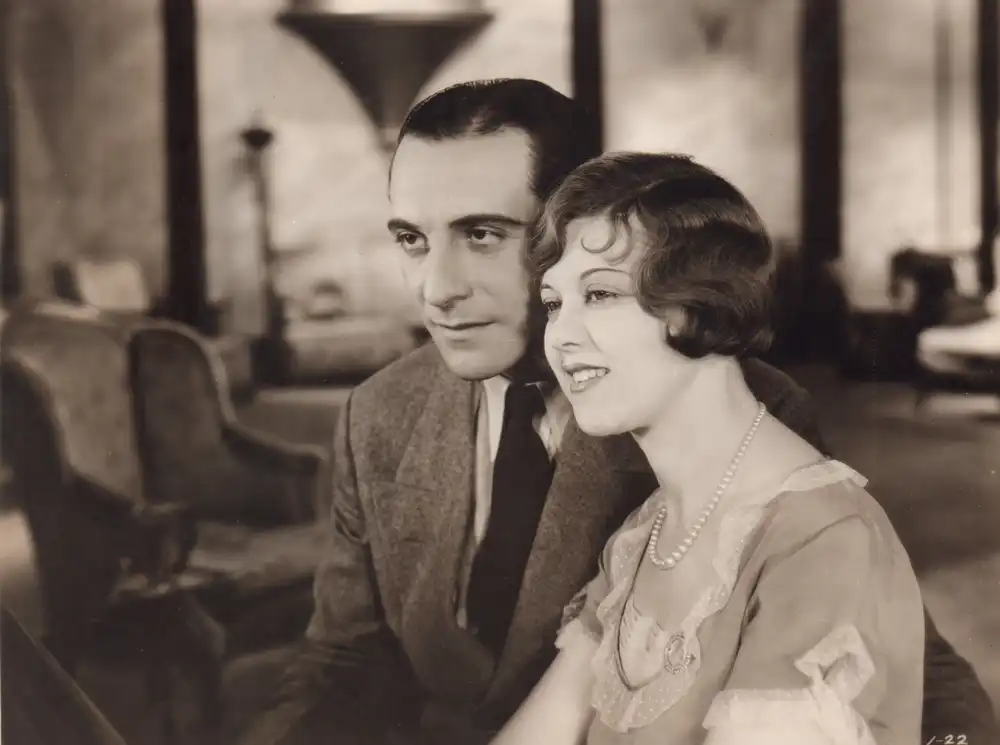
I wonder if people back then thought this was a thriller. To us, it’s just a very slow character study about a guy with a guilt complex. It lacks the punch of something like Born to Battle, which at least had some movement to it. This is a very stationary movie.
The supporting cast is mostly just there to fill space. Ricardo Cortez shows up, and he’s fine, but he doesn't have much to do other than look handsome and slightly concerned. Most of the actors seem like they are waiting for their cue to leave the room.
One reaction shot of the daughter lingers so long it actually becomes funny. She’s supposed to be shocked, but she just looks like she’s trying to remember if she left the oven on. It’s those little imperfections that make these old movies fun to watch, though. 🎥
It’s not a masterpiece. It’s not even 'great.' But it is a real piece of history. You can see the transition from silent film acting—the big gestures, the wide eyes—to the more restrained style of the talkies. Walthall is caught right in the middle of it.
If you enjoy seeing how movies used to handle 'big' emotions without any special effects or fast editing, give it a look. Just don't expect it to change your life. It’s just a sad story about a guy who loved his wife way too much for his own good.
The ending has this one bit of dialogue that is so cheesy it actually works. I won't spoil it, but it involves a lot of forgiveness and very little common sense. It’s the kind of thing that only works in black and white.
Anyway, it’s a decent way to spend an hour if you are in a melancholy mood. It’s not as polished as The Winding Stair, but it has its own weird charm. Just don't expect any phantoms to actually haunt the place. The only thing haunting this movie is regret and a very low budget.
I think I liked it more than I should have, mostly because I felt sorry for Boyd. He’s such a loser, but in a way that makes you want to give him a sandwich and a nap. 🥪
IMDb —
1924
Community
Log in to comment.