DbcultAccessing Vault...
7.2/10
Senior Film Conservator
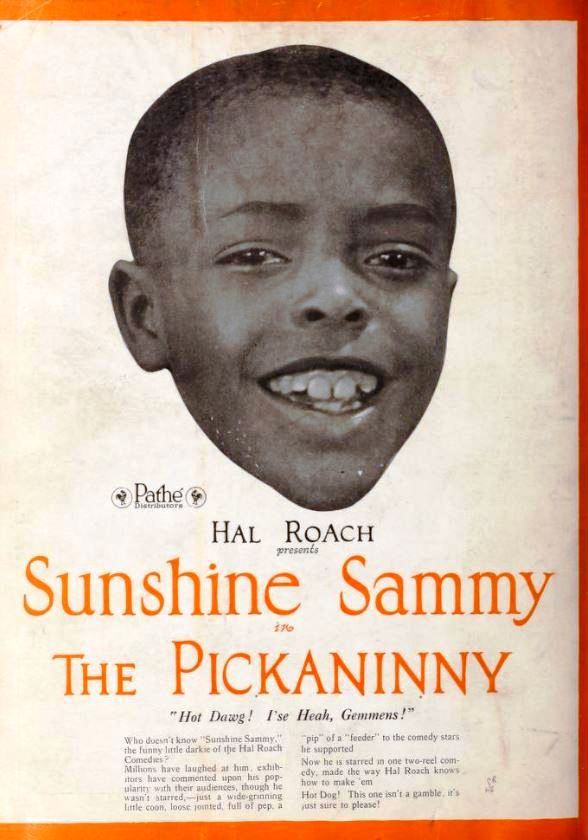
A definitive 7.2/10 rating for a film that redefined the boundaries of cult cinema. The Pickaninny remains a cornerstone of transgressive art.
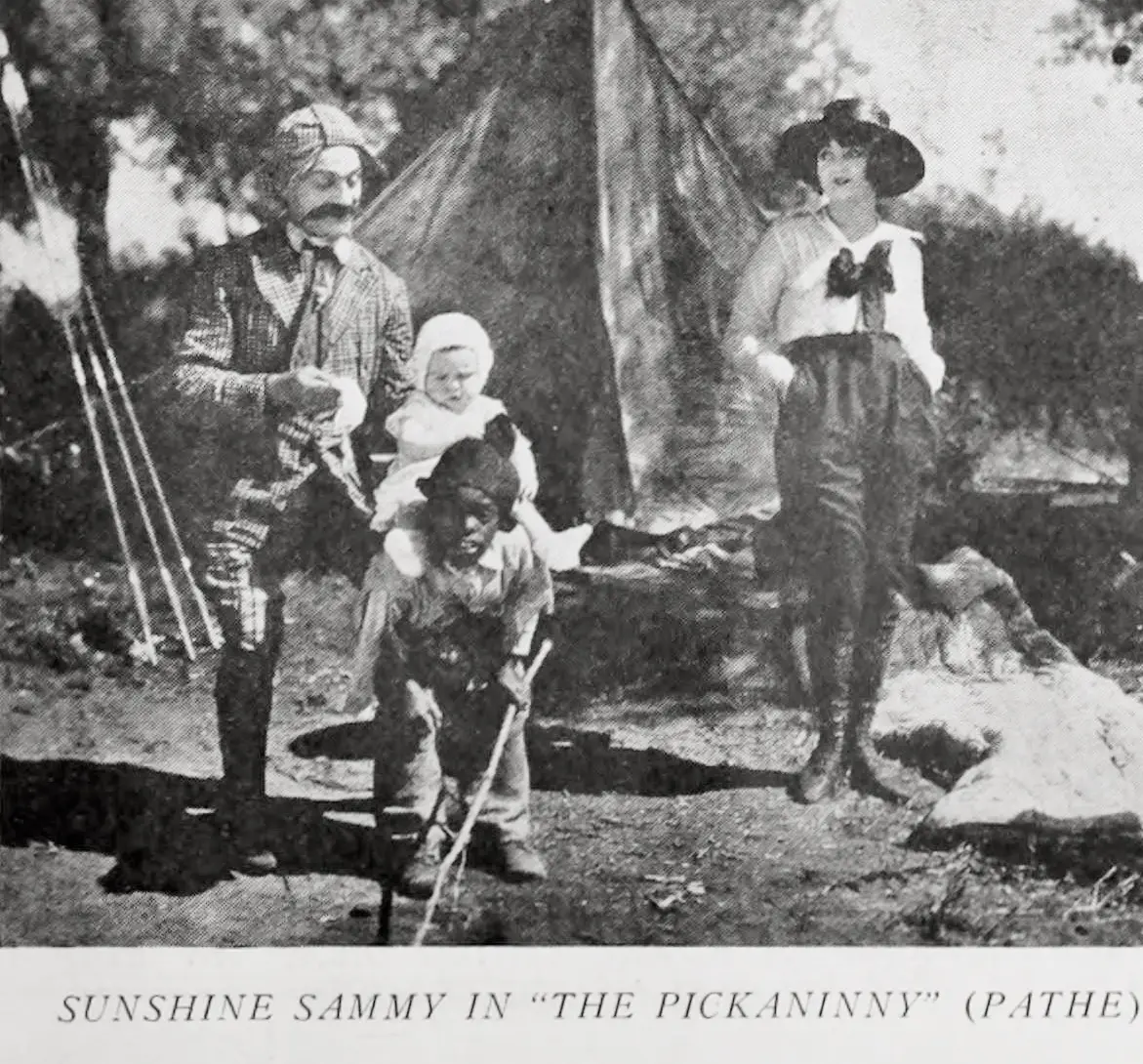
Hal Roach’s The Pickaninny opens with a languid sunrise over a placid lake, the water glinting like polished obsidian. Eddie Baker and Vera White, playing a married pair yearning for respite, glide into view, their oars cutting rhythmically through the mist. The cinematography, though restrained by the era’s technical limits, captures a pastoral serenity that feels almost reverent. Yet, Roach, ever the architect of chaos, punctures this calm with a sudden, almost cinematic, cut to a bustling grocery store whose fluorescent lights flicker like a carnival midway. This juxtaposition—rural tranquility versus urban pandemonium—sets the tonal foundation for the film’s relentless, slap‑filled momentum.
The film’s brilliance lies not merely in its situational comedy but in the vivid tableau of characters that populate its world. George Rowe, as the over‑talkative store clerk, delivers rapid‑fire dialogue (via intertitles) that feels like a modern‑day meme cascade. Ernest Morrison, the sprightly shop assistant, employs a physicality reminiscent of Buster Keaton’s dead‑pan pratfalls, yet his grin betrays a mischievous undercurrent. The bumbling constable, portrayed by Joseph White, is a study in bureaucratic inertia; his attempts at law‑enforcement are as effective as a paper umbrella in a hurricane. Meanwhile, the moonshine bootlegger, played by Mark Jones, skulks in shadows, his presence a nod to the Prohibition‑era anxieties that permeated 1920s America.
No other silent comedy exploits the animal motif as deftly as this one. The man in the bear suit—portrayed by Tiny Ward—enters the store with an exaggerated lumbering gait, his costume a patchwork of faux fur and comedic exaggeration. His performance echoes the physical comedy of Charlie Chaplin’s “The Tramp” while simultaneously mocking the era’s fascination with spectacle. The real bear’s entrance, however, is a masterstroke of timing: a massive, hulking creature crashes through a back‑door, scattering produce like confetti. The juxtaposition of the artificial and the authentic creates a layered commentary on performance versus nature, a theme that subtly undercuts the film’s overt silliness.
Roach orchestrates the narrative with a metronomic precision. The first act lingers on the couple’s serene fishing, the second act erupts into a cascade of mishaps, and the third act resolves with a cathartic convergence of chaos. The pacing mirrors the ebb and flow of a tide, each wave of comedy building upon the previous one. Intertitles, rendered in a jaunty yellow (#EAB308) font, punctuate the visual gags, offering witty commentary that feels both period‑appropriate and timeless. The film’s satire emerges subtly: the grocery store, a microcosm of consumer culture, becomes a battlefield where law, illicit trade, and primal instinct clash, reflecting the social tensions of the Roaring Twenties.
Although shot in black‑and‑white, the film’s visual language is saturated with contrast. Roach employs high‑key lighting in the store scenes, casting bright, almost sterile illumination that heightens the absurdity of the characters’ antics. The lake sequences, by contrast, are bathed in low‑key, diffused light, creating a dreamy ambience that underscores the couple’s initial yearning for peace. The use of deep focus allows the audience to track multiple comedic beats simultaneously—a technique later championed by Orson Welles. The occasional splash of sea‑blue (#0E7490) in the intertitles and set pieces adds a visual cue that guides the viewer’s eye, a subtle homage to the color experiments of early Technicolor attempts.
When placed beside other Hal Roach productions such as Der Erbe von 'Het Steen' or the slap‑slap of Little Miss Jazz, The Pickaninny stands out for its unrelenting escalation of absurdity. Unlike the more restrained humor of Winning a Bride, which relies on romantic misunderstandings, Roach here embraces a pandemonium that borders on the surreal. The film also anticipates the chaotic ensemble energy later perfected in the Marx Brothers’ The Heart of a Lion, positioning itself as a forerunner of ensemble slapstick.
In the silent era, actors communicated through exaggerated gestures, and the cast of The Pickaninny excels at this craft. Eddie Baker’s portrayal of the flustered fisherman is a masterclass in controlled panic; his eyes dart, his shoulders hunch, and his hands tremble as he attempts to navigate both the boat and the store’s mayhem. Vera White, as the steadfast wife, balances exasperation with compassion, her facial expressions shifting like a silent opera. The bear‑suit performer’s timing—slipping on a misplaced crate, then recovering with a dignified bow—exemplifies the meticulous choreography that underpins the film’s humor.
Beneath the surface of pratfalls lies a subtle commentary on 1920s America. The moonshine bootlegger’s clandestine exchanges mirror the real‑world tensions of Prohibition, while the grocery store’s chaotic aisles hint at the burgeoning consumer culture that was reshaping daily life. Gender dynamics are also at play: the wife’s agency—she commandeers the bear’s costume to distract the real bear—subverts the era’s typical passive female archetype, aligning her with the emerging “New Woman” of the 1920s. These layers enrich the film, granting it a relevance that extends beyond its comedic veneer.
While The Pickaninny may not enjoy the same name‑recognition as Chaplin’s masterpieces, its influence reverberates through the annals of comedy. The film’s rapid‑fire gag sequencing anticipates the editing style of later slapstick icons such as the Three Stooges. Moreover, its willingness to blend social satire with pure physical humor paved the way for future genre hybrids, evident in modern works like Kats Is Kats and the absurdist narratives of contemporary indie cinema.
In sum, The Pickaninny is a meticulously crafted riot of visual gags, character quirks, and thematic subtext. Its 150‑minute runtime (in reel terms) feels like a brisk sprint through a carnival funhouse, each door opening onto a fresh tableau of hilarity. For aficionados of silent cinema, the film offers a rich study in timing, composition, and the art of turning ordinary settings—like a grocery store—into stages for extraordinary comedy. For the casual viewer, it delivers unadulterated laughter, a reminder that the language of slapstick transcends eras. Hal Roach’s direction, combined with a cast that embraces the absurd with earnestness, ensures that this 1925 gem remains a vibrant, must‑see artifact of cinematic history.
IMDb 5.1
1922
Community
Log in to comment.