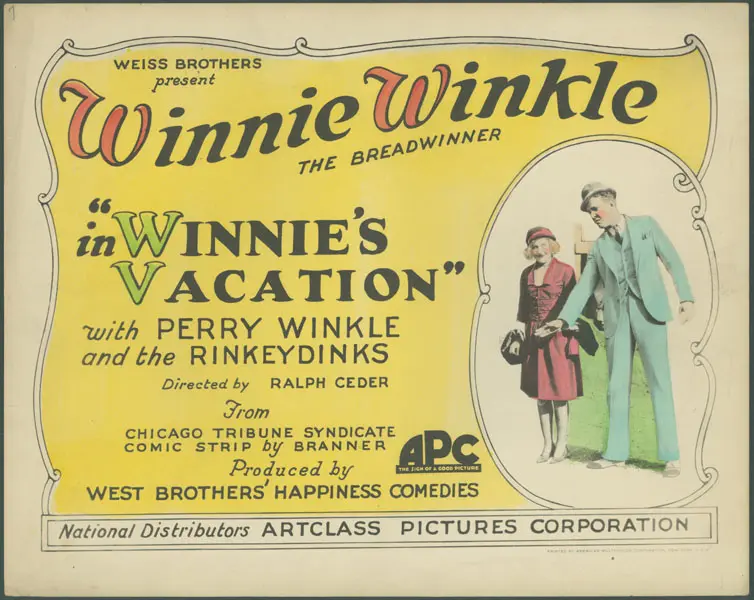
A definitive 4.2/10 rating for a film that redefined the boundaries of cult cinema. Winnie's Vacation remains a cornerstone of transgressive art.
Is "Winnie's Vacation" Worth Watching Today?
Short answer: yes, but with significant caveats. Is this silent-era short a lost masterpiece that will redefine your understanding of cinema? Absolutely not. However, for those with a genuine curiosity about the foundational moments of film and a deep appreciation for the unique performance styles of the 1920s, "Winnie's Vacation" offers a surprisingly valuable, if brief, window into a bygone era.
This film is unequivocally for the dedicated silent film aficionado, the historian, or the casual viewer eager to explore the roots of comedic storytelling. It is emphatically NOT for anyone seeking modern pacing, complex narratives, or dialogue-driven character development. If you require constant stimulation or struggle with the deliberate, often exaggerated, performance styles of the silent screen, you will find this experience tedious.
This film works because: It perfectly encapsulates the innocent charm and physical comedy prevalent in early shorts, offering a pure, unadulterated glimpse into the comedic sensibilities of its time.
This film fails because: Its simplicity, while charming, lacks the narrative depth or groundbreaking innovation to resonate broadly with contemporary audiences without significant historical context.
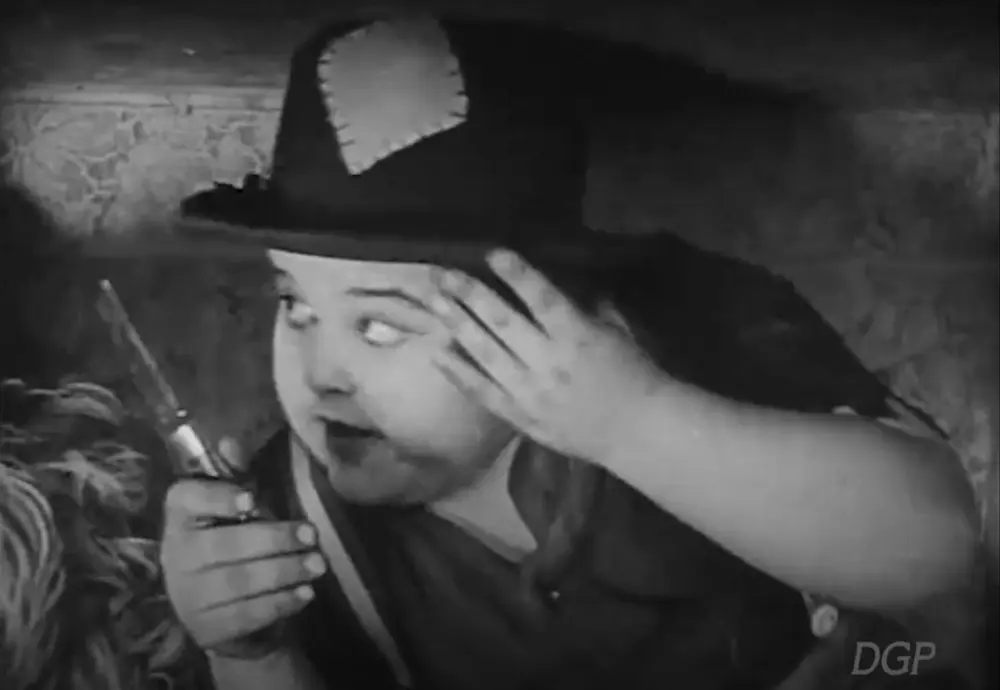
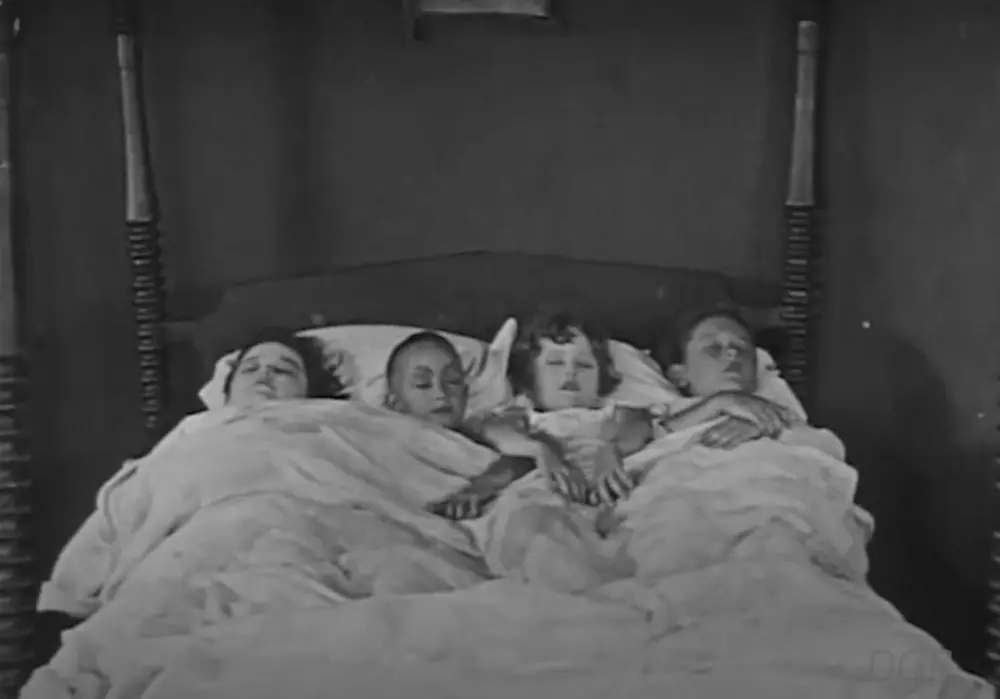
Scene from Winnie's Vacation
Cinematic perspective: Exploring the visual vocabulary of Winnie's Vacation (1927) through its definitive frames.
You should watch it if: You are a student of film history, a silent cinema enthusiast, or simply curious to see how basic comedic tropes were established before the advent of sound.
A Glimpse into Early Cinematic Leisure
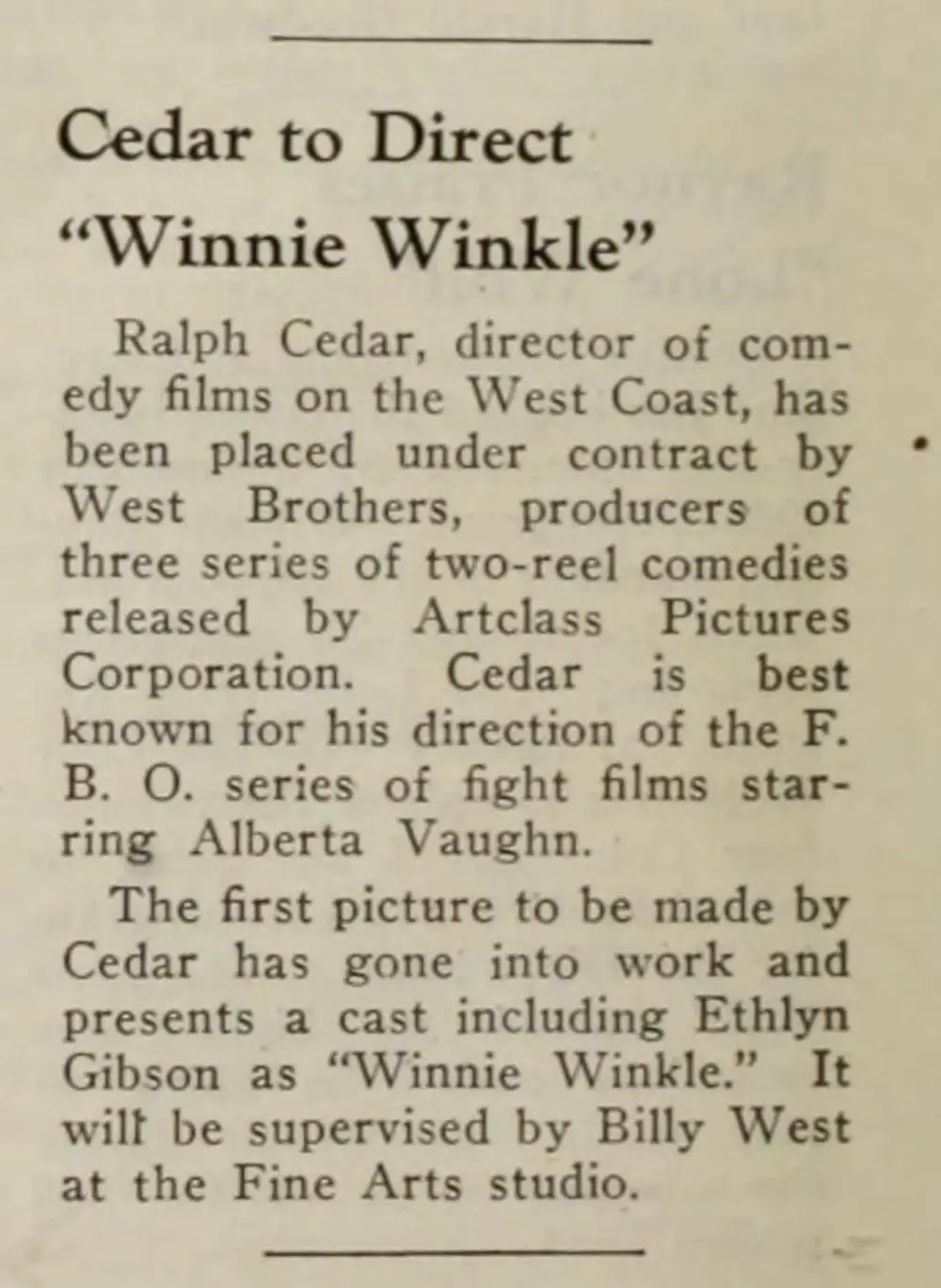
"Winnie's Vacation" arrives from a period when cinema was still finding its voice, often relying on universal themes and broad physical comedy to connect with diverse audiences. The very premise — a vacation — is inherently relatable, a timeless aspiration. In this short, director Martin Branner and writer Martin Branner (a common occurrence in early filmmaking where creators wore many hats) craft a narrative that, while probably light on intricate plotting, aims for atmospheric charm and character-driven humor.
The film, by its title, promises an escape, a departure from the daily grind. It’s a concept that resonates as strongly today as it did a century ago. The beauty of these early shorts often lies in their ability to tap into fundamental human experiences with an almost childlike directness.
Here, we are invited to observe Winnie, presumably a young woman, as she navigates the unfamiliar, or perhaps simply the relaxed, environment of her holiday. This setup allows for a series of vignettes, each designed to elicit a chuckle or a knowing smile, rather than propel a complex storyline forward. It’s a style of storytelling that feels refreshing in its unpretentiousness.
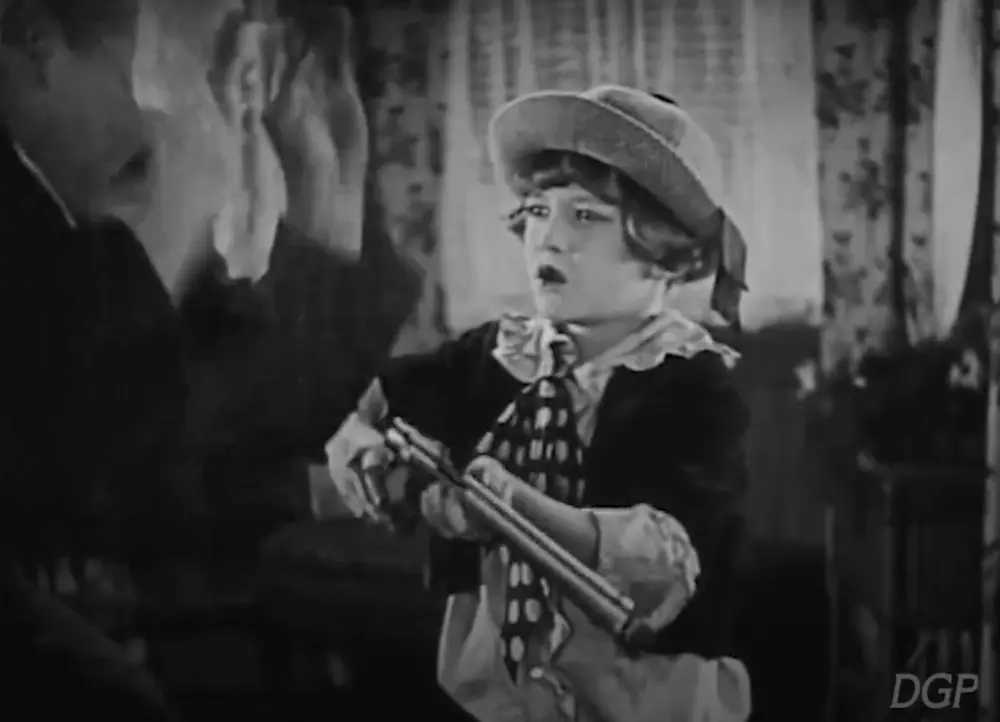
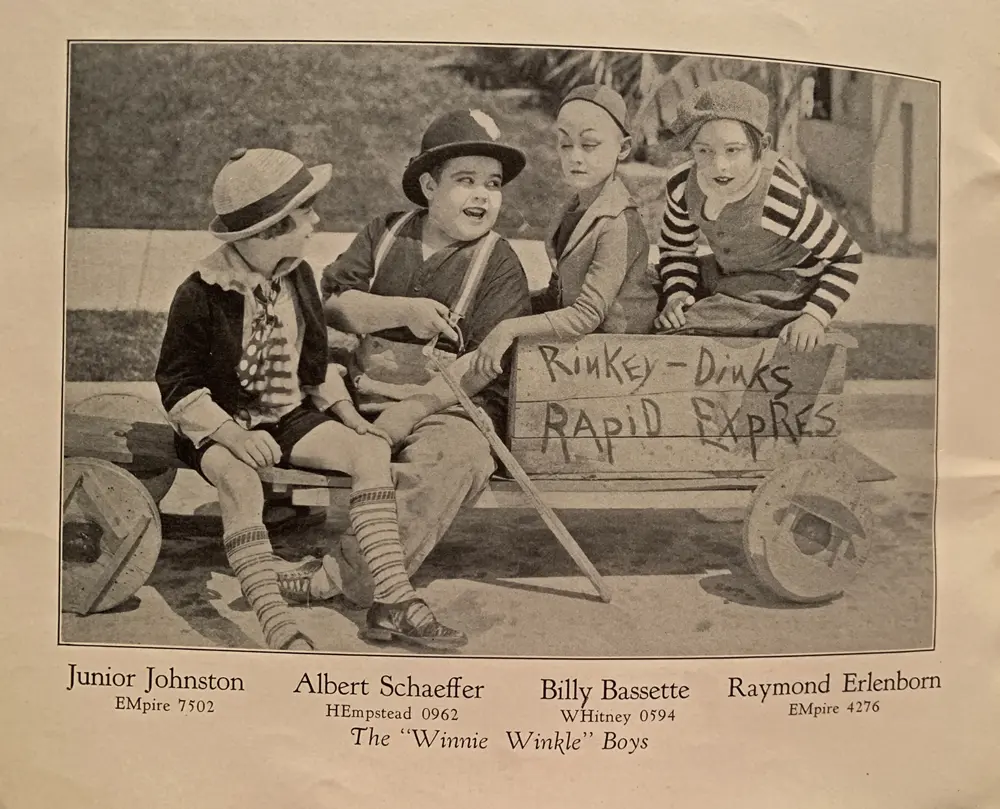
Scene from Winnie's Vacation
Cinematic perspective: Exploring the visual vocabulary of Winnie's Vacation (1927) through its definitive frames.
Performance and Persona: The Silent Art
The cast of "Winnie's Vacation" — Ray Erlenborn, Billy Bassette, Junior Johnston, Ethelyn Gibson, and Albert Schaefer — are all figures from an era where acting was a highly physical, often exaggerated, art form. Without spoken dialogue, performers relied entirely on their facial expressions, body language, and carefully choreographed movements to convey emotion, intent, and comedic timing.
Ray Erlenborn, known for his comedic turns, likely anchors the film with his expressive physicality. One can easily imagine him reacting to a minor mishap – perhaps a dropped ice cream cone or a mischievous crab – with a perfectly timed double-take or a comically exaggerated sigh. His presence alone suggests a certain brand of lighthearted chaos, a common ingredient in silent comedies.
Ethelyn Gibson, as Winnie, would have been tasked with carrying the emotional core, however light, of the film. Her performance would define Winnie's personality – is she a demure vacationer, a spirited adventurer, or a slightly clumsy ingénue? The success of the film hinges on her ability to make Winnie endearing and her vacation mishaps, if any, relatable.
The ensemble cast would have played off each other with a call-and-response rhythm typical of silent-era shorts. Billy Bassette and Junior Johnston might have portrayed mischievous youths or bumbling love interests, while Albert Schaefer could have been the stern but ultimately harmless authority figure, perhaps a hotel manager or a local fisherman. Their interactions would be a ballet of gestures and glances, punctuated by title cards that bridge the narrative gaps.
Scene from Winnie's Vacation
Cinematic perspective: Exploring the visual vocabulary of Winnie's Vacation (1927) through its definitive frames.
Directorial Choices and Pacing
Martin Branner's direction, typical of the period, would have prioritized clear visual storytelling over intricate camera work. Expect static shots, perhaps a few pans to follow action, and close-ups reserved for moments of heightened emotion or comedic reaction. The pacing would be deliberate, allowing the audience to absorb the visual gags and the actors' performances.
Unlike modern cinema, which often relies on rapid cuts and dynamic camera movement, silent films like "Winnie's Vacation" built their rhythm through the unfolding of actions within a frame. A scene depicting Winnie attempting to swim, for instance, would likely be a single, sustained shot, allowing the full scope of her struggle and eventual triumph (or comical failure) to play out without interruption. This requires a different kind of engagement from the viewer, a willingness to observe rather than merely consume.
The use of intertitles, the text cards that convey dialogue or narrative information, is crucial here. They are not merely subtitles; they are an integral part of the film's rhythm and comedic timing. A well-placed intertitle can deliver a punchline, set up a gag, or provide crucial context with surprising efficiency. Branner’s skill would have been in balancing these textual interruptions with the visual flow, ensuring they enhance rather than detract from the experience.
Cinematography and Tone: Capturing the Era
The cinematography of "Winnie's Vacation" would reflect the technical limitations and artistic conventions of its time. Shot on black-and-white film, likely with natural light or early studio lighting setups, the film would possess a distinct aesthetic. The visual texture – the grain of the film, the play of light and shadow – contributes significantly to its historical charm. One can envision sun-drenched beach scenes or quaint village settings, rendered with a beautiful, almost painterly quality.
Scene from Winnie's Vacation
Cinematic perspective: Exploring the visual vocabulary of Winnie's Vacation (1927) through its definitive frames.
The tone would almost certainly be lighthearted and escapist. The very concept of a "vacation" implies a break from seriousness, and early comedies often leaned into this, offering audiences a respite from their own daily lives. There’s a palpable innocence to these films, a desire to simply entertain and amuse. This is not a film designed to provoke deep thought or confront societal issues; it is pure, unadulterated entertainment, designed to leave the viewer with a smile.
This deliberate lightness, however, is not a weakness. It is a strength. In an age often characterized by rapid social change and post-war anxieties, films like "Winnie's Vacation" served as vital cultural balms. They reminded audiences of simple pleasures and the enduring human capacity for joy, even in the smallest of moments. The film, therefore, acts as a historical artifact of escapism, a testament to what audiences desired from their nascent cinema experience.
The Unconventional Charm of a Simple Story
What's truly surprising about films like "Winnie's Vacation" is how much they can reveal with so little. Modern cinema often overloads us with information, complex subplots, and CGI spectacle. This film, by contrast, is a masterclass in economy. It forces the viewer to pay attention to the subtle nuances of performance and the careful staging of scenes. It’s a different kind of immersion, one that rewards patience and observation.
My unconventional observation is this: the true "star" of many of these early shorts isn't necessarily the lead actor, but the concept of the film itself, and the collective cultural memory it represents. "Winnie's Vacation" isn't just a film; it's a time capsule, offering insights not just into filmmaking techniques, but into the societal values, humor, and leisure pursuits of a century ago. It's a surprisingly rich sociological document disguised as a simple comedy.
Scene from Winnie's Vacation
Cinematic perspective: Exploring the visual vocabulary of Winnie's Vacation (1927) through its definitive frames.
I firmly believe that dismissing such films as merely "old" or "primitive" is a disservice. They are foundational. They are the grammar upon which all subsequent cinematic language was built. To understand the evolution of film, one must engage with its earliest forms, and films like "Winnie's Vacation" provide accessible entry points.
Connecting the Past to the Present
While it’s easy to view "Winnie's Vacation" in isolation, its themes and comedic structures echo throughout film history. The innocent charm of Winnie’s escapades can be seen as a precursor to countless 'fish-out-of-water' comedies or light romantic farces. Consider the enduring appeal of films like Chickie or even the simpler moments in The City, which, while more dramatic, still rely on character reactions to their environment. The fundamental comedic beats are surprisingly consistent.
The physical comedy, so central to performances by Ray Erlenborn, finds its lineage in Buster Keaton and Charlie Chaplin, and continues to influence performers today. Even the modern slapstick of a Jim Carrey or a Rowan Atkinson owes a debt to the exaggerated, silent expressions pioneered by these early actors. "Winnie's Vacation" might be a small ripple, but it's part of a much larger wave.
It works. But it’s flawed. Its lack of narrative complexity might deter some, but its historical value and genuine, if quaint, charm are undeniable. It's a testament to the fact that sometimes, the simplest stories are the most enduring.
Key Takeaways
Best for: Silent film enthusiasts, film historians, and those interested in the origins of cinematic comedy.
Not for: Viewers seeking fast-paced plots, complex character development, or modern dialogue-driven narratives.
Standout element: Its charming simplicity and the expressive physical comedy of its cast, particularly Ray Erlenborn.
Biggest flaw: Its narrative brevity and reliance on broad humor may not captivate all contemporary audiences without historical context.
Pros and Cons
Pros:
Historical Significance: Provides a valuable window into early 20th-century filmmaking and comedic styles. It is a vital piece of the cinematic puzzle.
Charming Performances: The cast, especially Ethelyn Gibson as Winnie and Ray Erlenborn in a likely comedic role, delivers the kind of exaggerated yet endearing performances characteristic of the silent era. Their physical storytelling is a joy to witness.
Accessible Theme: The universal appeal of a "vacation" makes the film relatable despite its age. Who doesn't dream of an escape?
Visual Simplicity: The straightforward cinematography and direction, while basic by today's standards, offer a refreshing clarity and focus on the action within the frame. It's a lesson in less-is-more.
Pioneer of Comedy: For those studying comedy, this film, like Dog Scents, showcases foundational comedic tropes and techniques that influenced generations of filmmakers and performers.
Cons:
Dated Pacing: The film's deliberate pace, typical of its time, might feel slow or even tedious to viewers accustomed to modern, faster-cut cinema. Patience is required.
Minimal Narrative Depth: Don't expect a complex plot or profound character arcs. This is a series of vignettes rather than a deep dive, unlike the more intricate storytelling of a film like Souls Enchained, which had grander ambitions.
Reliance on Intertitles: While essential for silent film, the constant reading of intertitles can interrupt the flow for some viewers, breaking immersion in a way modern audiences are unaccustomed to.
Limited Replay Value for General Audiences: Unless you're a dedicated film scholar, the film's appeal might be primarily as a one-time historical experience rather than a regular rewatch.
Accessibility: Finding a high-quality, restored version might be a challenge, impacting the viewing experience significantly. The quality of the print can make or break a silent film.
Verdict
"Winnie's Vacation" is not a film that will set the world alight today, nor was it likely designed to be a groundbreaking cinematic achievement in its own time. It is a charming, unassuming silent comedy, a product of its era that offers a delightful, if brief, escape. For those willing to adjust their expectations and embrace the unique rhythms of early cinema, it provides a valuable glimpse into the foundational elements of film comedy and the expressive power of silent performers.
It’s a film that resonates not with thunderous impact, but with a quiet, persistent hum of historical significance and simple, human charm. Give it a chance, not as a blockbuster, but as a gentle whisper from a bygone age. You might find yourself surprisingly enchanted by Winnie's simple, sun-drenched holiday, much like you might with other quaint period pieces such as A Haunted Heiress or Wanted: A Baby. It’s a small film, but its place in the tapestry of cinema is secure.