DbcultAccessing Vault...
Cult Review
Senior Film Conservator
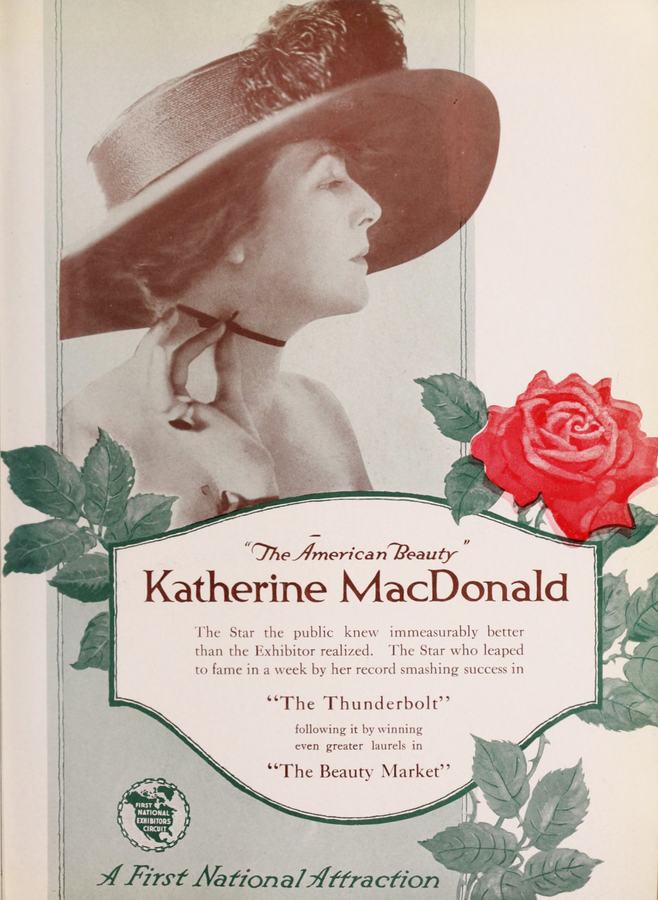
Step back into the roaring twenties, a pivotal era for cinematic storytelling, and prepare to be captivated by 1925's dramatic tour de force, The Thunderbolt. This isn't merely a silent film; it's a profound psychological exploration, a tempestuous journey through the darkest corners of human vengeance and the flickering embers of redemption. Directed with a keen eye for intense melodrama and penned by the skilled J. Grubb Alexander, this motion picture plunges its audience into a world where ancient feuds cast long shadows over nascent love, and the very forces of nature conspire to unravel a man's sanity. It's a testament to the power of early cinema to convey complex emotions and intricate narratives without uttering a single word, relying instead on the nuanced performances of its formidable cast and the evocative strength of its visual poetry.
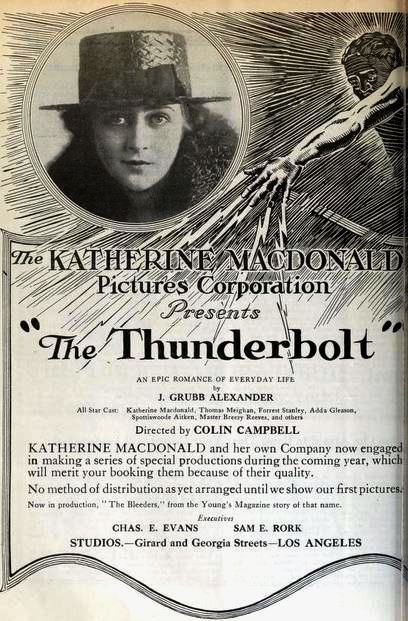
At its core, The Thunderbolt is a saga of calculated cruelty and unexpected consequences. We are introduced to Bruce Corbin, portrayed with a compelling intensity by Thomas Meighan, a New York broker whose arrival in rural Kentucky is far from innocuous. His purpose is singular and chilling: to exploit Allan Pomeroy's (Spottiswoode Aitken) past indiscretions, a documented history of forgery, to compel him into an unthinkable bargain. The price? The hand of Pomeroy's daughter, Ruth, in marriage to Corbin. This Machiavellian maneuver sets the stage for a drama fraught with moral compromise and emotional turmoil. Katherine MacDonald, as Ruth, embodies a woman caught in an impossible bind, her heart already irrevocably given to Spencer Vail (Forrest Stanley). Her reluctant agreement to this forced union, a desperate sacrifice to protect her father, is the first of many heart-wrenchwrenching decisions that define her character's arduous journey.
The narrative’s initial thrust, the enforced marriage, is but a prelude to the true depth of Bruce Corbin’s malevolence. Following Pomeroy's death, the wedding proceeds, shrouding Ruth in a union devoid of affection and steeped in unspoken tension. The honeymoon period, if one could even call it that, quickly dissipates as Ruth unearths the horrifying truth behind Bruce's relentless pursuit. This marriage was never about love, nor even about mere possession. It was a meticulously crafted instrument of revenge, a diabolical plot born from the ashes of a generations-old family feud. Bruce's father, a victim of the Pomeroy clan's enmity, became the catalyst for a vendetta that would seek to extinguish the entire Pomeroy lineage by ensuring Ruth remained childless. This revelation transforms the film from a simple melodrama into a dark psychological thriller, exploring the corrosive nature of inherited hatred and the lengths to which a man will go to sate his thirst for retribution.
The complexity of Bruce's character is further amplified by a truly unique and fascinating affliction: a temporary, storm-induced insanity. Born under the tumultuous skies of a thunderbolt, Bruce is cursed to lose his faculties and memory whenever lightning strikes, becoming a pawn to an uncontrollable primal force. This narrative device is nothing short of brilliant, adding layers of tragic irony and moral ambiguity to his character. Is he a monster, or a man tormented by an external, uncontrollable demon? This question lingers, inviting the audience to ponder the nature of culpability when one's actions are dictated by an involuntary surge of madness. It’s a thematic thread that elevates The Thunderbolt beyond typical silent film fare, delving into nascent explorations of mental health and its profound impact on human relationships.
Ruth, initially a victim of circumstance, transforms into a figure of remarkable agency and resilience. Upon discovering Bruce's unique vulnerability, she formulates a daring, morally ambiguous plan. The night before Bruce is set to depart for a year, a violent storm rages. Seizing the opportunity afforded by his temporary lapse into madness, Ruth seduces him. This act, born not of love but of a desperate hope to subvert his vengeful design and secure the future of her family line, is a pivotal moment. It’s a testament to the silent film era's capacity for portraying complex female characters who, despite societal constraints, find ways to exert their will and shape their destinies. Katherine MacDonald's portrayal here is crucial, conveying the profound internal conflict and resolve of a woman forced to make an unthinkable choice for a greater purpose.
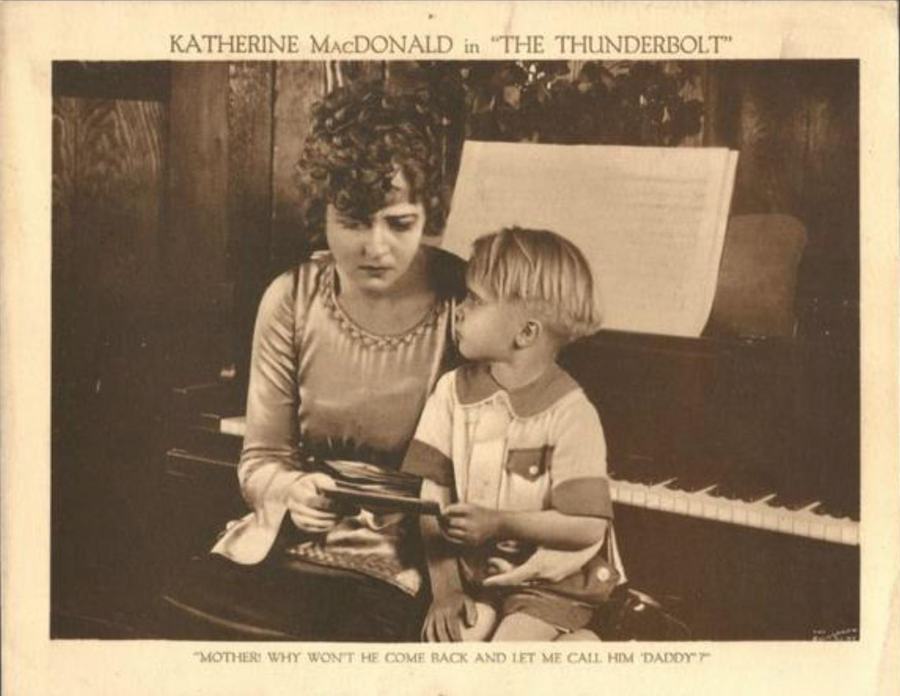
The consequences of this stormy encounter unfold years later with the birth of a child. This child, a living embodiment of Ruth's desperate gamble, becomes both a symbol of hope and a trigger for further turmoil. Bruce, in another thunderbolt-induced fit of madness, encounters the infant. His distorted perception, fueled by his underlying hatred for the Pomeroys and his belief that Ruth still harbors feelings for Spencer Vail, leads him to believe the child is Vail's. In a terrifying moment, he attempts to choke the innocent babe. Ruth, the ever-vigilant protector, intervenes, revealing the truth of that tempestuous night. This dramatic confrontation is a masterclass in silent film tension, relying on the actors' expressive faces and body language to convey terror, desperation, and ultimate revelation. It’s a scene that resonates with primal fears and the enduring power of a mother's love.
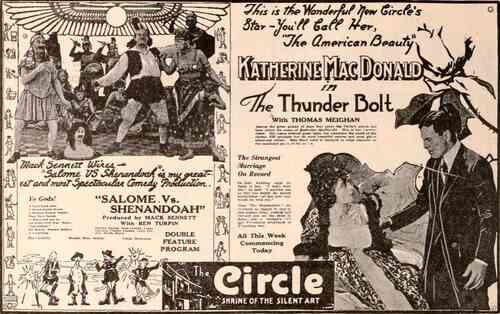
The narrative of The Thunderbolt doesn't conclude with this dramatic revelation. Instead, it explores the aftermath of such profound trauma and the arduous path toward healing. Four years of a distant, fractured marriage pass, a testament to the deep wounds inflicted by Bruce's vengeance and Ruth's desperate measures. The chasm between them seems insurmountable. However, fate, in the form of another thunderbolt, intervenes once more. This time, the storm-induced madness leads Bruce to lose his fortune, stripping him of the very power and status he once wielded. This loss, while devastating, acts as a curious equalizer, forcing him to confront his vulnerabilities and the consequences of his actions without the shield of wealth.
Ruth, unable to endure the cycle of madness and misfortune, eventually departs. Yet, the child, the silent witness to their tumultuous history, becomes the unexpected catalyst for their eventual reconciliation. It is through the innocent eyes and undeniable presence of their offspring that the hardened hearts begin to soften, the bitter resentments to dissipate. The child, once a symbol of a desperate gamble, evolves into the living bridge between two souls scarred by fate and vengeance. This resolution, while perhaps leaning into the melodramatic conventions of the era, offers a poignant exploration of forgiveness and the redemptive power of family bonds. It suggests that even the most destructive forces—both human and natural—can ultimately yield to the quiet, persistent pull of love and shared responsibility.
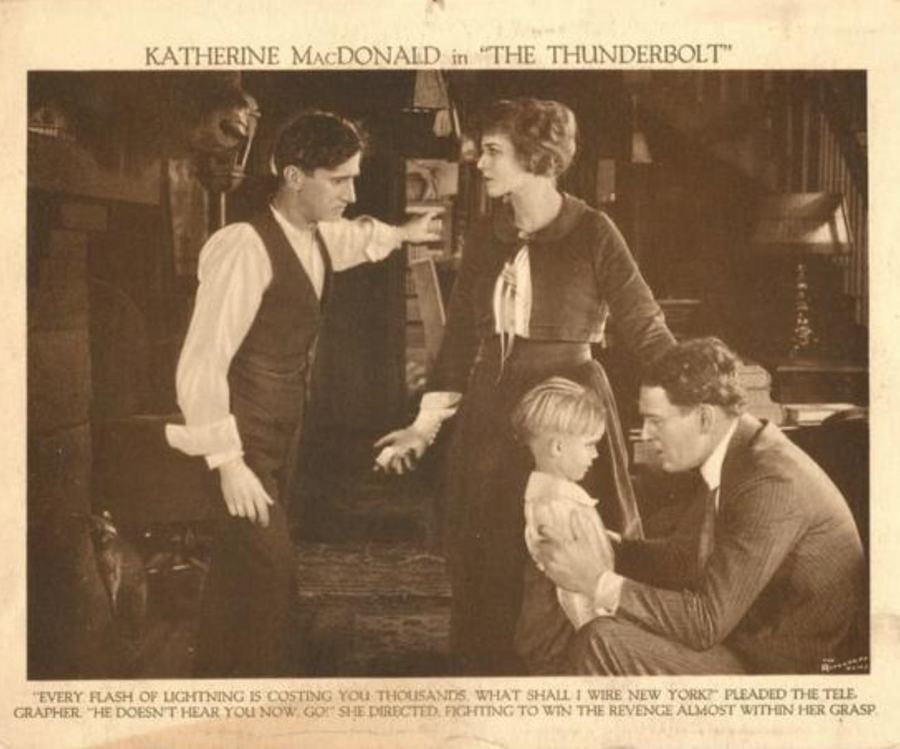
The power of The Thunderbolt lies not just in its intricate plot, but in the superlative performances that bring its characters to life. Katherine MacDonald, with her expressive eyes and graceful gestures, delivers a nuanced portrayal of Ruth. She navigates the emotional landscape from a devoted daughter to a desperate wife, and ultimately, a resilient mother, with remarkable conviction. Her ability to convey profound sorrow, steely determination, and maternal love without spoken dialogue is a masterclass in silent film acting. Similarly, Thomas Meighan's Bruce Corbin is a study in conflicted masculinity. He embodies the vengeful antagonist with chilling precision, yet his moments of post-thunderbolt confusion and eventual vulnerability add layers of humanity to a character who could easily have been a one-dimensional villain. The supporting cast, including B. Reeves Eason Jr., Adda Gleason, and James Gordon, also contribute to the film’s rich tapestry, each playing their part in escalating the dramatic tension and emotional stakes.
J. Grubb Alexander's screenplay is a marvel of construction, weaving together themes of inherited vengeance, moral ambiguity, fate versus free will, and the redemptive power of love. The concept of the thunderbolt as a literal and metaphorical force is particularly compelling. It represents not only Bruce's personal affliction but also the unpredictable, often destructive forces that shape human lives. This thematic richness sets The Thunderbolt apart from many of its contemporaries, inviting deeper contemplation of its characters' struggles. The intertitles, often the unsung heroes of silent cinema, are crafted with precision, delivering crucial exposition and enhancing the emotional impact of key scenes, guiding the audience through the complex narrative without ever feeling intrusive.
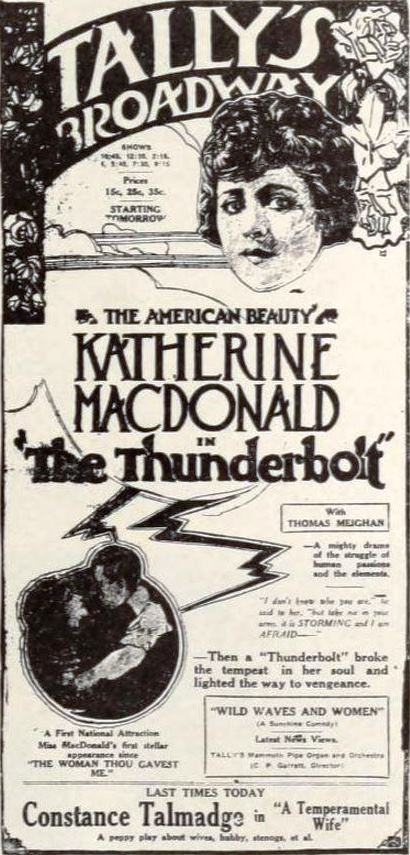
In the grand panorama of silent cinema, The Thunderbolt stands as a compelling example of its dramatic capabilities. While films like American Aristocracy might explore class distinctions and social climbing, The Thunderbolt delves into the darker, more primal instincts of revenge and familial conflict. Its exploration of a character grappling with a form of mental illness, albeit dramatically heightened, is quite progressive for its time, echoing the psychological complexities found in later, more celebrated dramas. The moral quandaries faced by Ruth, forced into a marriage and then into a desperate act, resonate with the dilemmas seen in films like Judge Not; or the Woman of Mona Diggings, where characters are pushed to their limits by societal pressures and personal tragedies. The film's narrative drive, fueled by a relentless pursuit of vengeance and its unforeseen consequences, can also be loosely compared to the high stakes and moral compromises found in other dramas of the era, such as High Finance, which similarly explores the corrosive effects of ambition and illicit dealings, though on a different scale of personal retribution.
The visual storytelling, a cornerstone of silent film, is particularly effective here. The cinematography deftly captures the contrasting moods, from the opulent settings of Bruce Corbin's world to the more rustic, yet emotionally charged, Kentucky landscapes. The use of lighting and shadow to enhance the dramatic tension, especially during the thunderbolt sequences, is commendable. The film’s pacing, a crucial element in maintaining audience engagement without dialogue, is expertly handled, building suspense incrementally before erupting into moments of high drama. This careful orchestration of visual elements, character motivation, and narrative progression makes The Thunderbolt a truly immersive experience, even for modern viewers unaccustomed to the silent era's conventions.
In conclusion, The Thunderbolt is far more than a relic of a bygone cinematic age; it is a vibrant, emotionally resonant drama that continues to speak to the enduring complexities of the human condition. Its audacious plot, nuanced characterizations, and profound thematic explorations make it a standout example of silent film artistry. It’s a compelling testament to the power of visual storytelling, demonstrating how silence can, paradoxically, amplify the emotional resonance of a narrative. From the initial, chilling act of coercive marriage to the eventual, hard-won reconciliation, the film navigates a treacherous emotional landscape with skill and sensitivity. For those seeking to delve into the rich history of cinema, or simply to experience a gripping tale of love, vengeance, and the strange twists of fate, The Thunderbolt offers an electrifying and unforgettable journey.
It urges us to consider the long-term repercussions of deep-seated animosities, the moral tightropes individuals must walk when pushed to their limits, and the surprising ways in which life—and love—can find a path to bloom even in the most barren of emotional terrains. The film leaves an indelible mark, proving that true cinematic power resides not in sound, but in the universal language of human emotion, eloquently conveyed through the artistry of light, shadow, and the silent, expressive gestures of its remarkable performers. It’s a film that echoes the storm long after the final frame fades, a thunderbolt striking deep into the heart of its audience.
IMDb —
1927
Community
Log in to comment.