DbcultAccessing Vault...
Cult Review
Senior Film Conservator
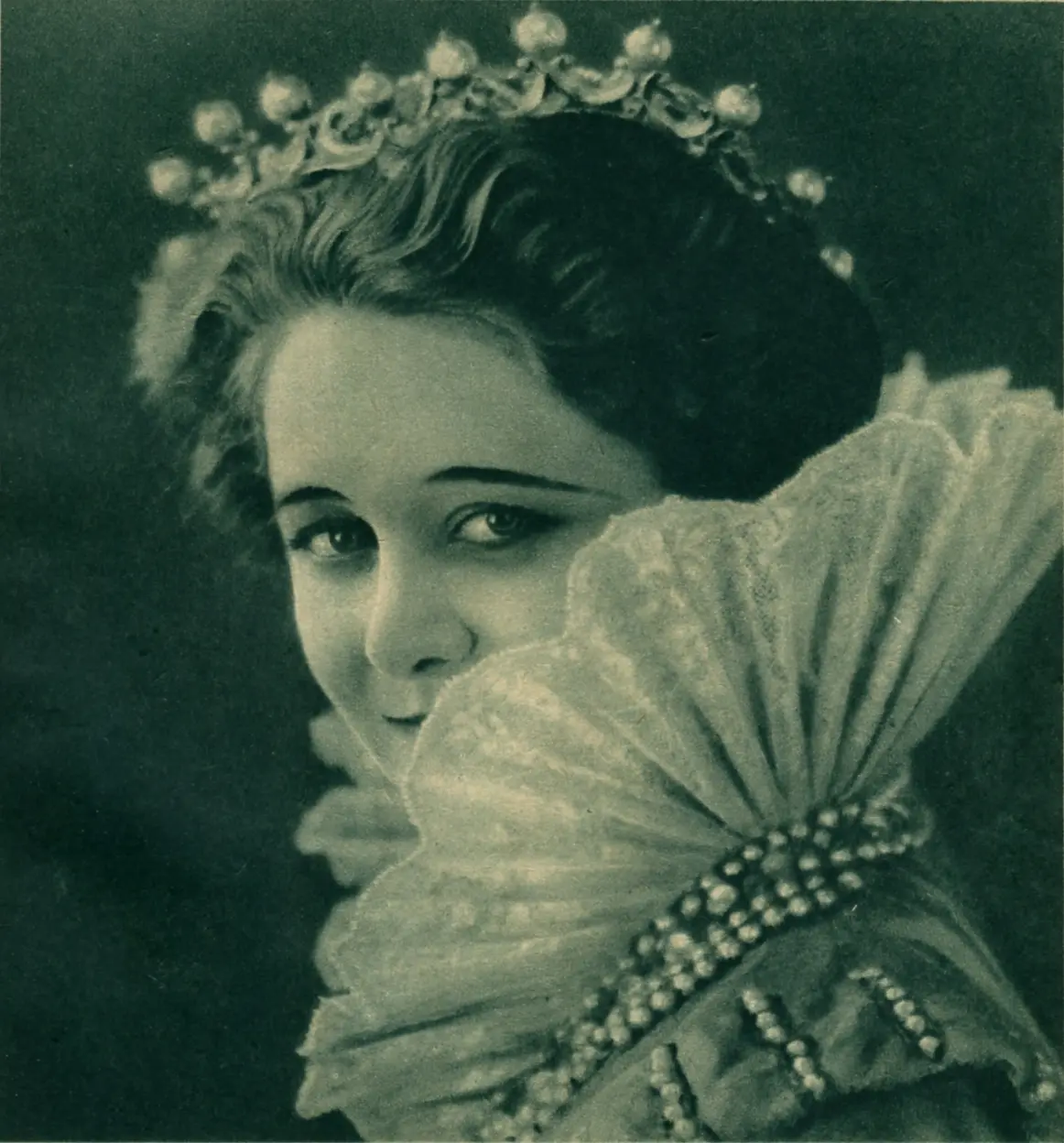
In the pantheon of French silent cinema, few figures loom as large or as vibrantly as Henri IV, and René Leprince’s 1924 production of Le vert galant remains the definitive cinematic hagiography of this 'Good King.' This isn't merely a costume drama; it is a visceral dive into the contradictions of a man who unified a fractured nation while remaining a perpetual captive to his own passions. Unlike the more somber, psychological explorations found in contemporary works like The Strength of the Weak, Leprince’s film embraces the 'cape et d’épée' (cloak and sword) genre with a fervor that borders on the operatic. The film functions as a palimpsest, layering historical fact with the romanticized legends that have surrounded Henri for centuries, creating a viewing experience that feels both ancient and remarkably immediate.
The narrative arc is ambitious, spanning decades of political upheaval. We see Henri not as a static figure on a pedestal, but as a man of constant motion. This kinetic energy is the film's heartbeat. While many films of the era, such as The Oval Diamond, relied on static, stage-like compositions, Leprince utilizes the camera to follow the monarch through the mud of the battlefield and the silk-lined chambers of his mistresses. The cinematography, though limited by the technology of 1924, exhibits a remarkable understanding of depth and scale. The wide shots of the French countryside are not merely backdrops; they are silent participants in the king's struggle to claim his birthright.
The success of such a monumental undertaking rests squarely on the shoulders of its lead. Aimé Simon-Girard delivers a performance of such charismatic magnetism that it transcends the silence of the medium. His Henri is a creature of impulse and intellect, a man who can parry a blade as easily as he can compose a sonnet. There is a physical dexterity to his performance that mirrors the athletic grace seen in American counterparts like Douglas Fairbanks, yet Simon-Girard retains a specifically Gallic sophistication. He captures the 'vert galant'—the eternally youthful lover—with a twinkle in his eye that suggests he is always in on the joke, even when the stakes are life and death.
Contrasting this lead performance are the supporting turns by Claude Mérelle and Madeleine Erickson. The female presence in the film is not merely decorative; these women are the catalysts for Henri’s growth and his greatest obstacles. The courtly intrigues presented here are far more lethal than the melodrama of The Probation Wife. Here, a misplaced affection doesn't lead to a social scandal; it leads to a coup d'état. The chemistry between Simon-Girard and his various costars provides the emotional friction necessary to keep the three-hour runtime from sagging under the weight of its own historical importance.
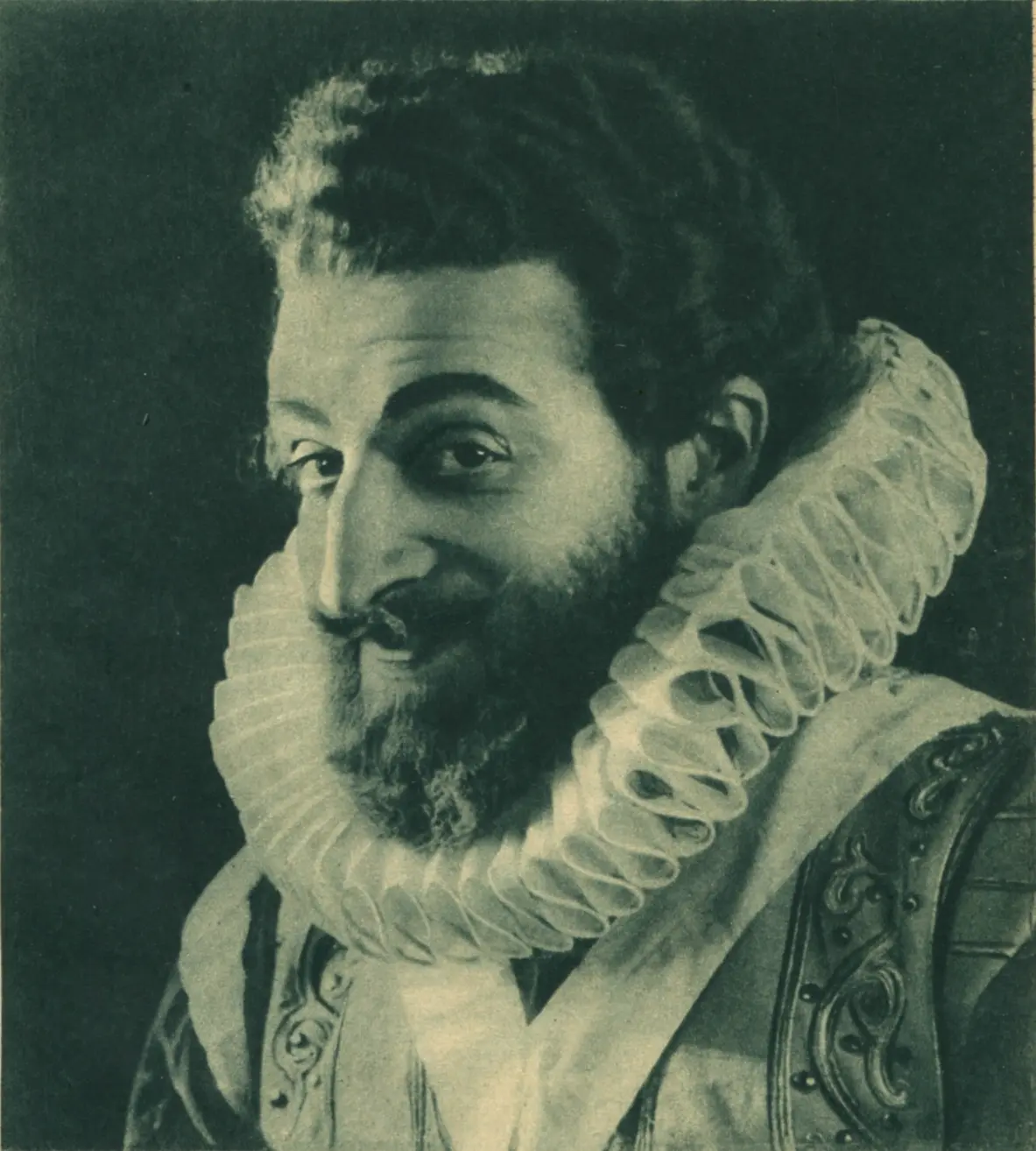
Leprince and his design team achieved a level of period authenticity that remains breathtaking. The costumes are heavy with history—stiff collars, intricate embroidery, and the clanking of real steel. This tactile quality grounds the film, preventing it from floating away into pure fantasy. When we compare the visual density of Le vert galant to the more minimalist or modern settings of Reported Missing or In Wrong, the sheer scale of the production becomes apparent. This was an era where the French film industry was fighting to maintain its dominance against the rising tide of Hollywood, and Leprince threw everything into the frame.
The use of light and shadow—chiaroscuro before the term was popularized in noir—adds a layer of dread to the nocturnal scenes in Paris. The streets feel damp and dangerous, a sharp contrast to the sun-drenched gardens where Henri's romances flourish. This visual duality reflects the dual nature of the king himself: the warrior of the night and the lover of the day. The editing, handled by a team that understood the importance of rhythm, ensures that the transition from a tense political debate to a high-speed chase feels organic. It lacks the jarring cuts found in lesser works like Girlies and Grubbers, opting instead for a fluid progression that mirrors the king's own relentless drive.
Action in Le vert galant is never gratuitous. Each duel, each ride across the terrain, serves to illuminate Henri's character. His bravery is not the stoic, unmoving courage of a statue, but the desperate, calculated risk-taking of a man who knows he is outnumbered. The fight choreography is surprisingly modern, emphasizing the claustrophobia of swordplay in tight quarters. It avoids the theatrical flourishes of The Virtuous Thief, leaning instead into a gritty realism that highlights the physical toll of 16th-century warfare.
One cannot discuss the action without mentioning the influence of the 'Serial' format that was popular in France at the time. Leprince, having worked on numerous serials, brings that sense of episodic urgency to this feature film. There is a 'cliffhanger' energy to many of the sequences, a feeling that the protagonist is constantly narrowly escaping a fate worse than death. This keeps the audience engaged in a way that more static historical dramas, such as Prima Vera, often fail to do. The film understands that history is not a series of dates, but a series of heart-pounding moments.
When placed alongside other films of the early 1920s, Le vert galant stands out for its refusal to simplify its protagonist. While a film like Pawn of Fate might treat its hero as a victim of circumstance, Henri is always the master of his own destiny, even when that destiny leads him into moral quagmires. The film doesn't shy away from his flaws—his philandering, his occasional ruthlessness, his religious vacillation. This complexity makes him a far more compelling figure than the archetypal villains seen in Merchant of Menace or the supernatural threats in Vampire.
Furthermore, the film’s exploration of national identity resonates deeply with the post-WWI French audience. In 1924, France was still reeling from the Great War, and the image of a king who could unite a divided people through sheer force of will and personal charm was incredibly potent. This thematic weight elevates the film above mere entertainment. It shares a certain 'national soul' with Aux jardins de Murcie, which explored regional identity, but Leprince operates on a much larger, more imperial canvas. Even the more somber Le ravin sans fond lacks the aspirational, almost mythic quality that Leprince injects into every frame of Henri’s journey.
The screenplay by Pierre-Gilles Veber is a marvel of condensation. To take the sprawling life of Henri IV and turn it into a coherent narrative is no small feat. Veber focuses on the 'greatest hits' of Henri's life but weaves them together with a thematic consistency that centers on the idea of sacrifice. To gain a kingdom, Henri must lose his freedom; to gain a peace, he must lose his faith (his famous 'Paris is well worth a mass'). This intellectual depth is often missing from similar spectacles like Stormy Seas, which prioritize external conflict over internal struggle.
The intertitles are used sparingly but effectively, often quoting historical documents or famous apothegms attributed to the king. This adds an educational veneer to the entertainment, grounding the flights of fancy in a recognizable reality. The pacing is deliberate, allowing the audience to soak in the atmosphere of the various chateaus and battlefields. It avoids the frantic, sometimes incoherent editing found in Udar v spinu, preferring a more stately, yet never boring, progression of events.
Le vert galant is a towering achievement of the silent era, a film that managed to be both a massive commercial success and a significant artistic statement. It solidified the 'cape et d’épée' genre as a cornerstone of French cinema, influencing everything from the sound-era swashbucklers of Jean Marais to the modern historical epics of today. It is a film that demands to be seen on a large screen, where the grandeur of its vision and the nuance of Simon-Girard's performance can be fully appreciated.
In an age where we are inundated with CGI-heavy spectacles that often feel hollow, there is something deeply refreshing about the tangible, hand-crafted world of 1924. Every horse, every soldier, and every drop of (stage) blood feels earned. Le vert galant is not just a movie about a king; it is a movie that carries itself with a regal dignity, reminding us of a time when cinema was the new frontier of myth-making. It remains a vibrant, pulsing piece of art that continues to captivate those willing to look past the absence of sound and into the heart of a legend.
IMDb —
1935
Community
Log in to comment.