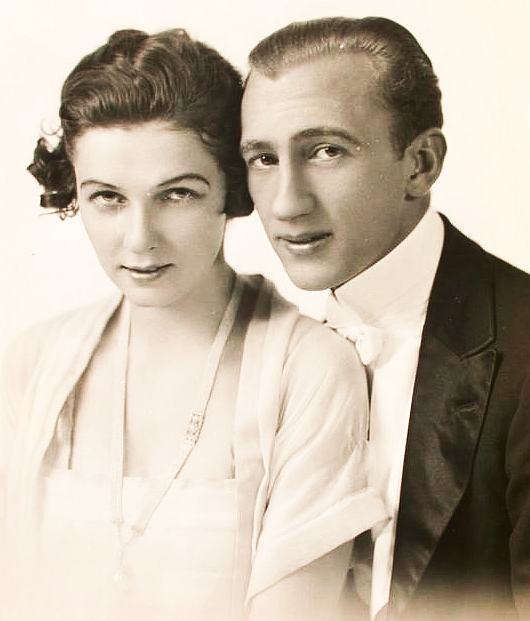
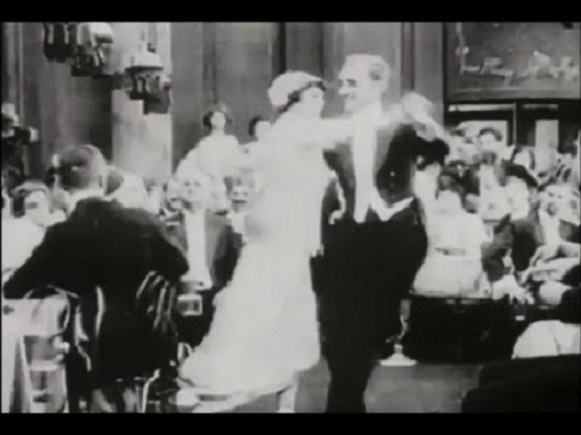
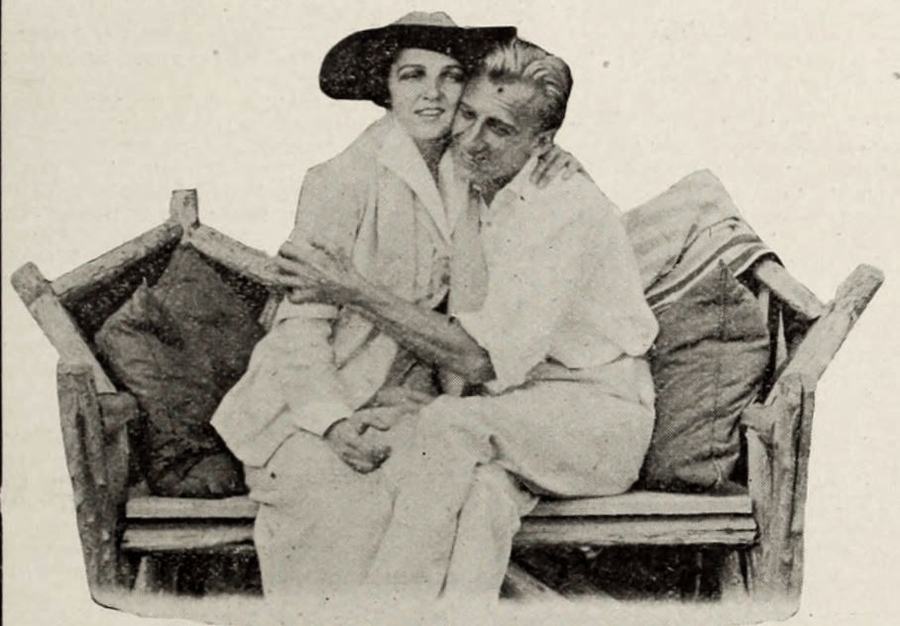
The plot is a loose autobiographical interpretation of the life of Vernon and Irene Castle, interspersed among a typical melodrama of the period.
Catherine Carr, Vernon Castle
United States
Somewhere between the first electric flicker of a tungsten bulb and the last cough of a war that vaporized an entire romantic century, The Whirl of Life detonates like a champagne bottle hurled against a cathedral wall—effervescent, sacrilegious, impossible to ignore. Viewed today, its very emulsion feels haunted; th...
still_frame
still_frame
still_frame
Comparing the cinematic DNA and archive impact of two defining moments in cult history.
Oliver D. Bailey
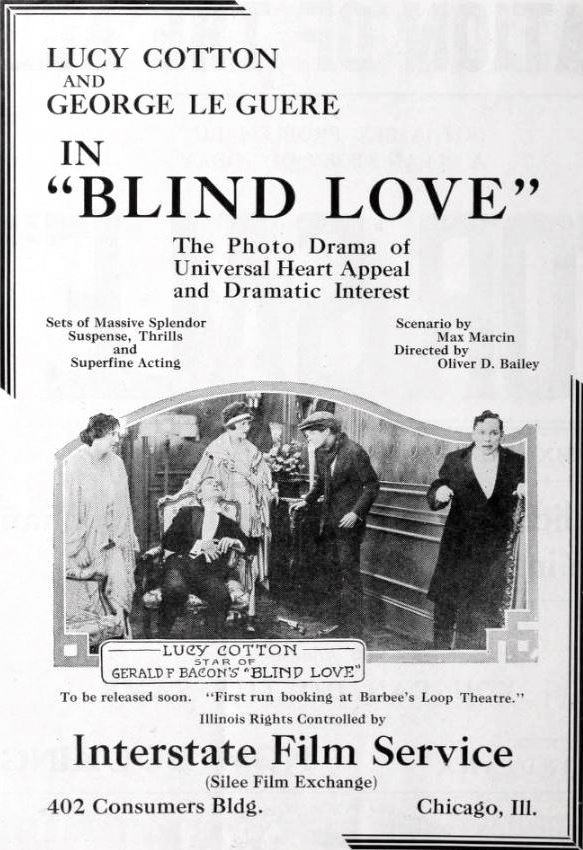
Oliver D. Bailey
Community
Log in to comment.
" Somewhere between the first electric flicker of a tungsten bulb and the last cough of a war that vaporized an entire romantic century, The Whirl of Life detonates like a champagne bottle hurled against a cathedral wall—effervescent, sacrilegious, impossible to ignore. Viewed today, its very emulsion feels haunted; the silver halides have yellowed into bruised topaz, as though the film itself were perpetually recovering from a bar fight. Yet within that decay pulses a heartbeat so aggressively ..."
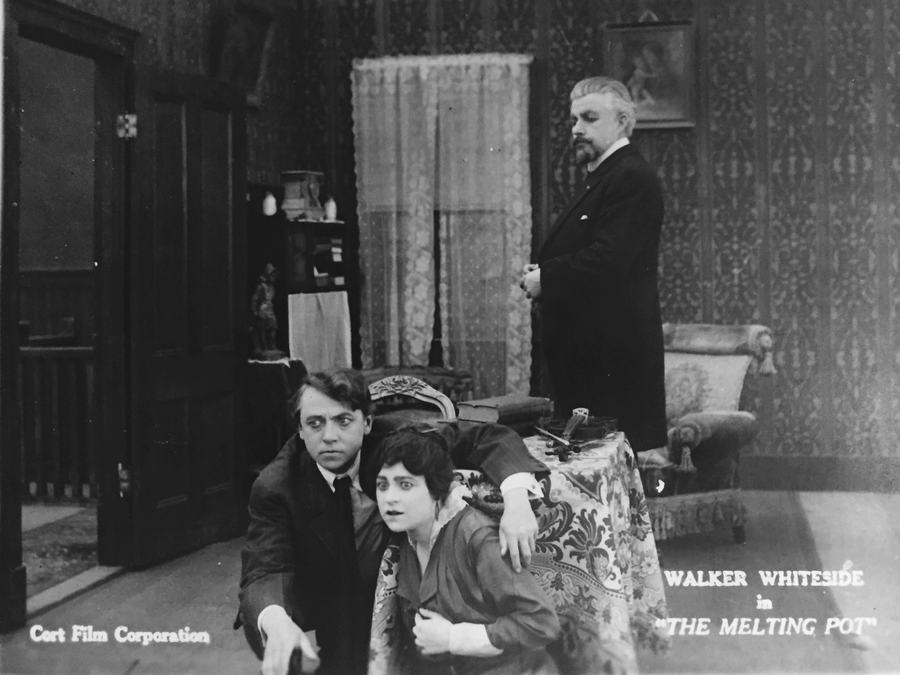
1915 · IMDb —
Oliver D. Bailey
Deep dive into the cult classic
Discover similar cinematic experiences
A Directorial Spotlight on Oliver D. Bailey
