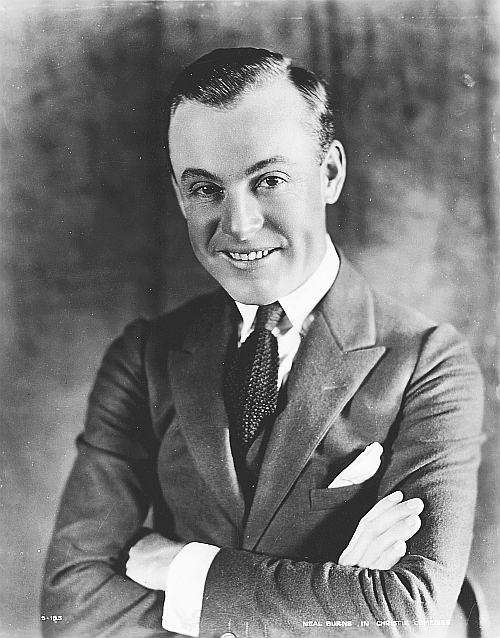
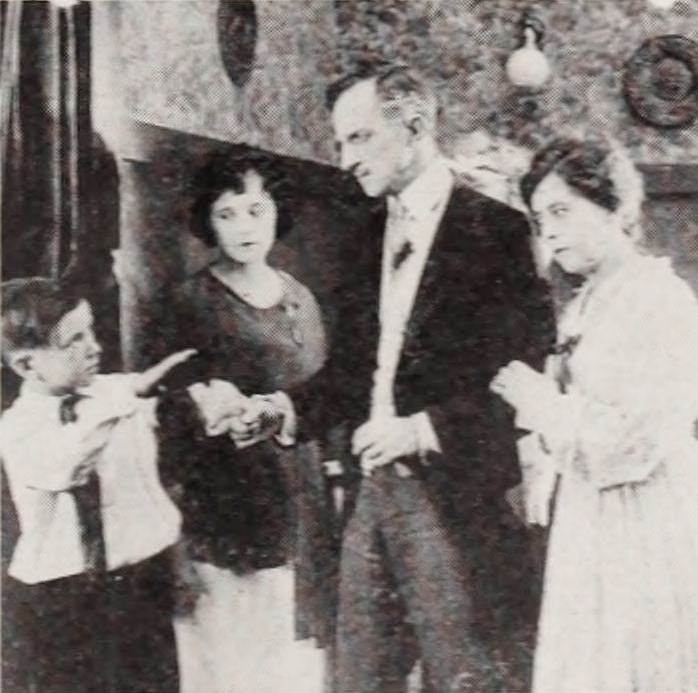
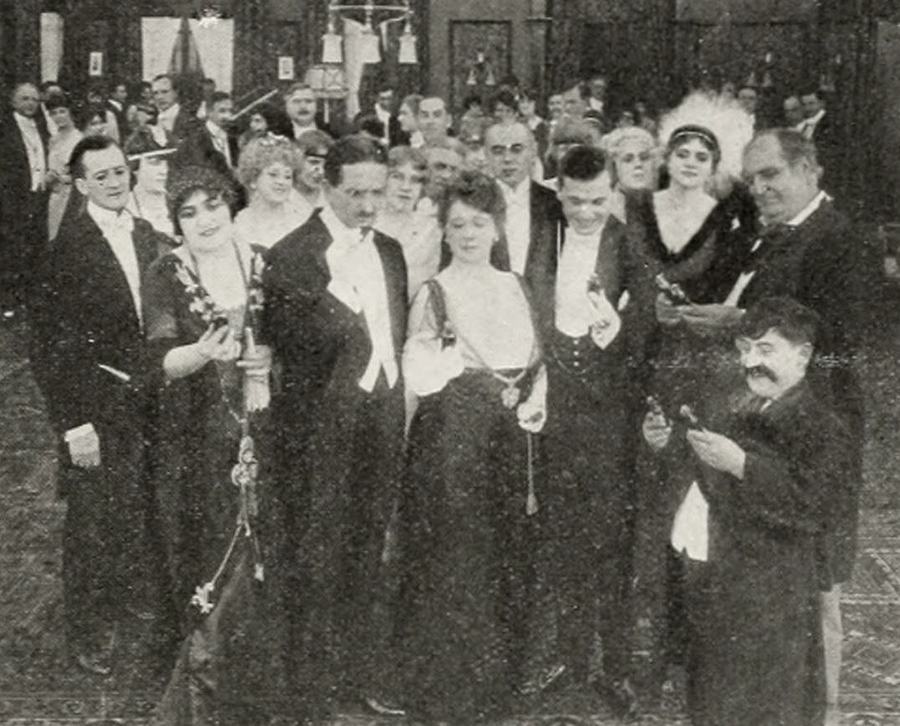
A daughter of proud, wealthy parents wants to elope with the man of her choice. To engineer the scheme, a mutual friend is called in and Father mistrusts that he is the fellow who would steal his daughter.
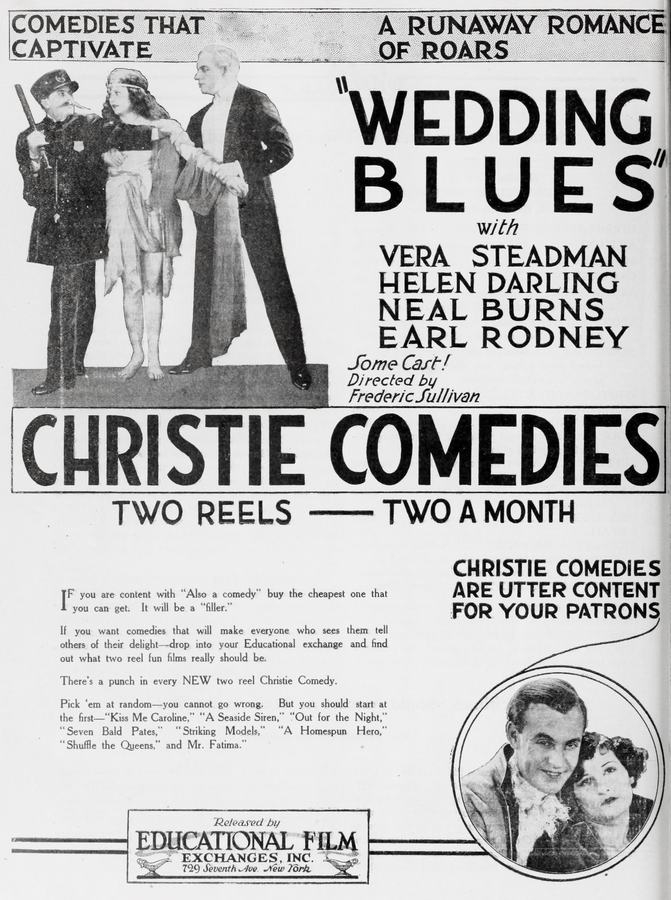
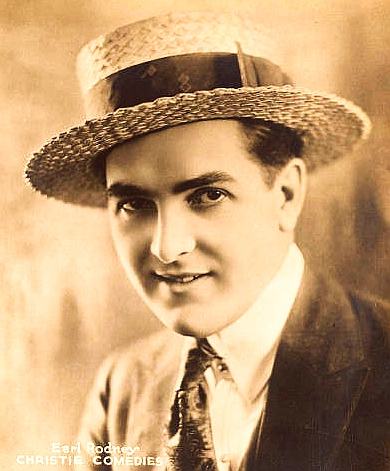
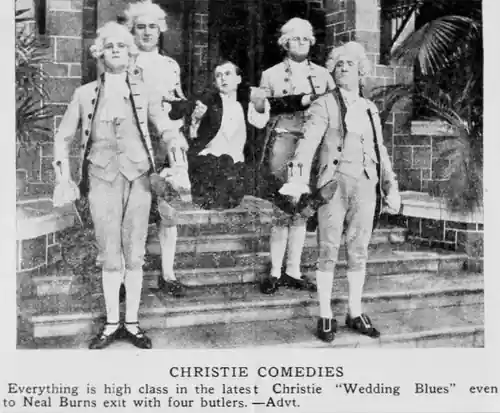
There is a moment—blink and the nitrate will combust—when Earle Rodney’s hapless conspirator tiptoes across a banister like Chaplin on a tightwire of social anxiety, and the whole silent frame seems to inhale. Wedding Blues, a 1926 one-reeler that history filed under ‘trifle,’ suddenly swells into a prism of class far...
still_frame
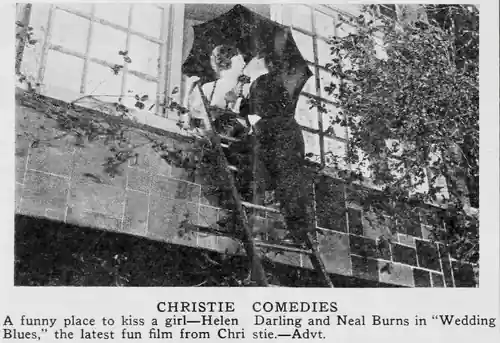
still_frame
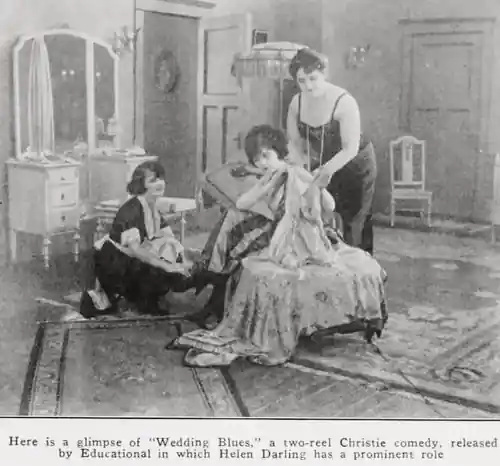
still_frame
Comparing the cinematic DNA and archive impact of two defining moments in cult history.
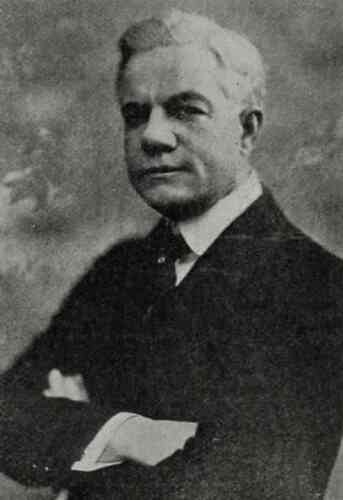
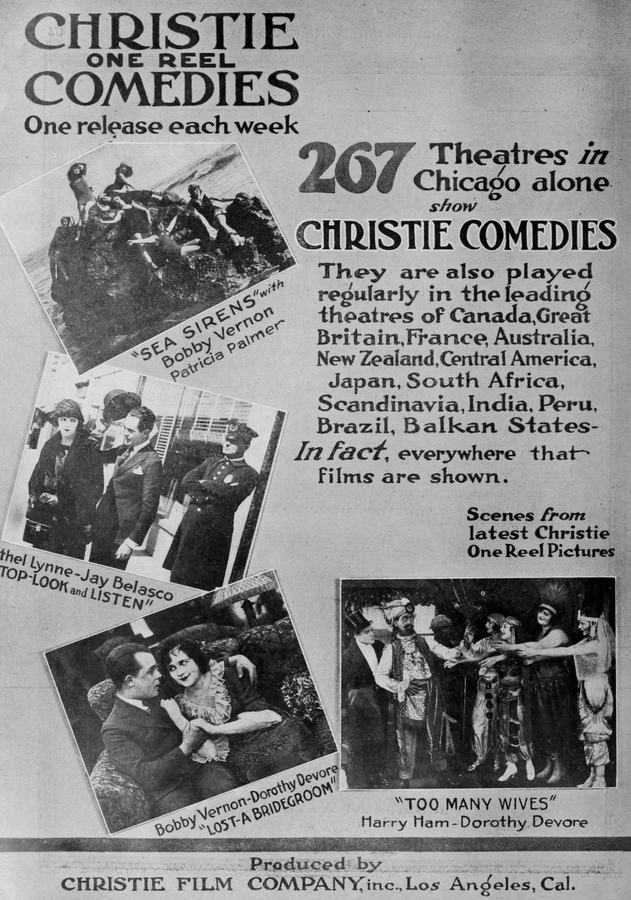
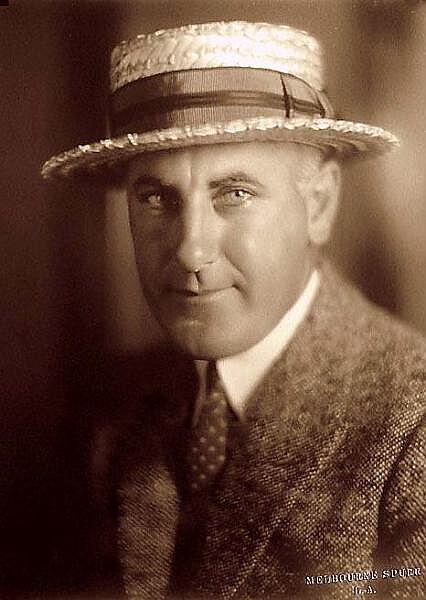
Al Christie
Al Christie
Community
Log in to comment.
" There is a moment—blink and the nitrate will combust—when Earle Rodney’s hapless conspirator tiptoes across a banister like Chaplin on a tightwire of social anxiety, and the whole silent frame seems to inhale. Wedding Blues, a 1926 one-reeler that history filed under ‘trifle,’ suddenly swells into a prism of class farce, gender insurgency, and kinetic grace. The film is only twenty-three minutes, yet it metabolizes the decade’s obsessions—money, mobility, misrule—then spits them back as feather..."
Frank Roland Conklin, Scott Darling
United States