DbcultAccessing Vault...
Cult Review
Senior Film Conservator
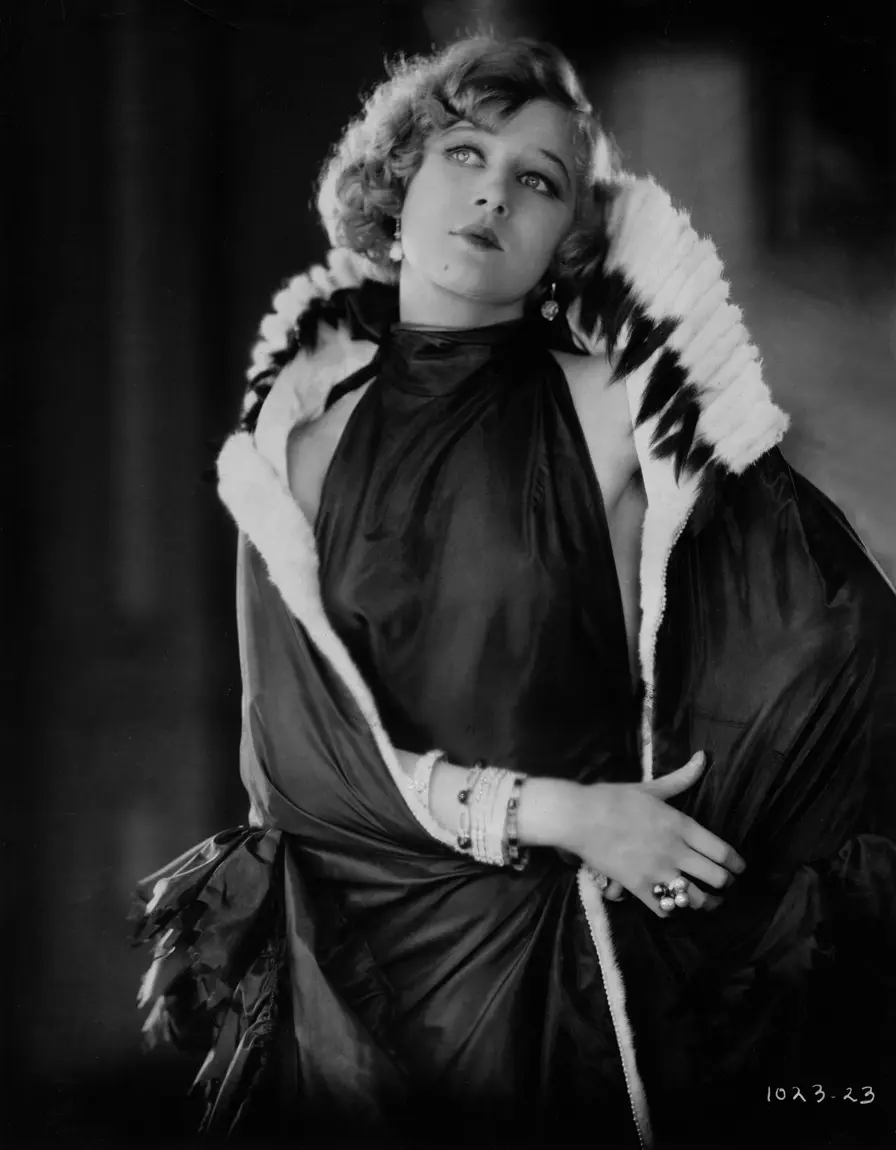
Short answer: Yes, but with reservations. 'The Popular Sin' offers a fascinating exploration of love and betrayal, making it worth watching for those interested in classic cinema and nuanced character development. However, the film's slow pacing and occasional melodramatic moments may not appeal to everyone.
This film is ideal for fans of classic Hollywood dramas with complex characters and intricate plot twists. It may not be the best choice for viewers seeking fast-paced action or modern romantic stories. Rather, it's a slow burn that rewards patience and attention to detail.
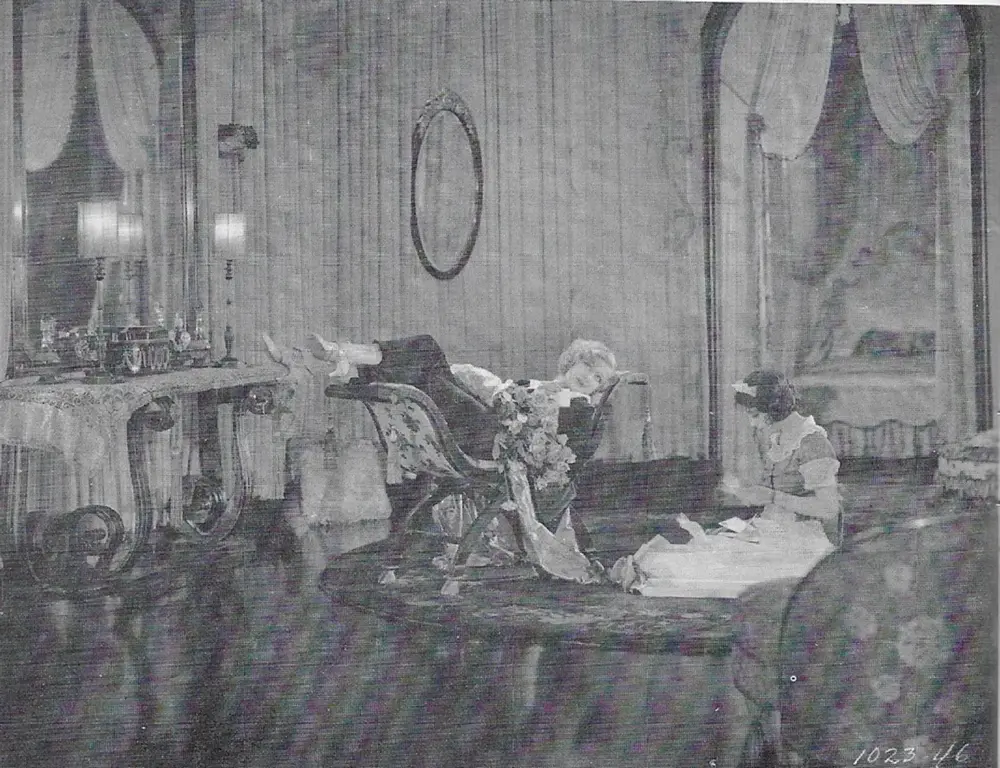
This film works because of its well-crafted character dynamics and the masterful use of suspense to keep the audience engaged. Clive Brook and Greta Nissen deliver nuanced performances that draw the viewer into the emotional turmoil of their characters. The film's pacing, though deliberate, builds a sense of anticipation that pays off in the climax.
This film fails because of its slow pace and occasional melodramatic moments. The film's deliberate pacing can be tedious for modern audiences, and some of the plot twists feel predictable. Additionally, the secondary characters often lack depth, which can detract from the overall narrative.
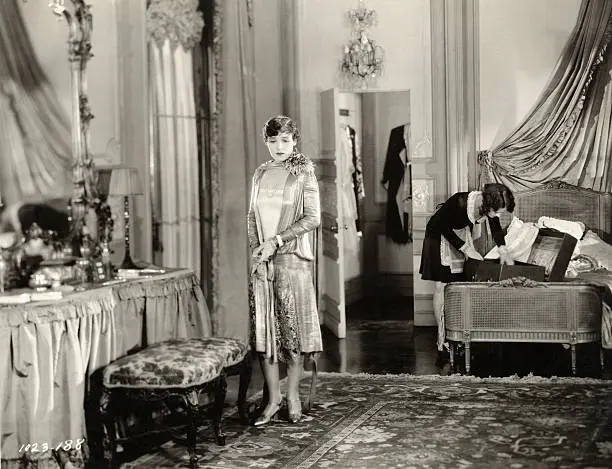
You should watch it if you're interested in a classic Hollywood drama that delves into the complexities of love, betrayal, and morality. The performances are top-notch, and the film's exploration of the moral grey areas is both intriguing and thought-provoking.
Clive Brook and Greta Nissen deliver performances that are both nuanced and captivating. Brook's portrayal of the philandering husband is both sympathetic and flawed, while Nissen brings a sense of vulnerability and determination to her character. The chemistry between the leads is palpable, making their relationship both believable and engaging. Supporting actors like George Beranger and Florence Vidor also contribute to the film's depth, although their roles are often underutilized.

Director Richard Boleslawski's direction is meticulous and unobtrusive. The film's pacing, though deliberate, is well-crafted, allowing for the gradual build-up of tension and emotional resonance. The director's use of lighting and cinematography enhances the film's atmosphere, creating a sense of intimacy and drama.
The cinematography by Arthur Edeson is stunning, with a focus on natural lighting and detailed mise-en-scène. The film's visual style is both elegant and atmospheric, enhancing the period setting and the characters' emotional states. The use of shadow and light effectively conveys the film's themes of morality and deception.

The film's pacing is deliberate, which can be both a strength and a weakness. While the slow build-up of tension and the gradual revelation of secrets create a sense of anticipation, the film can feel sluggish at times, especially for modern viewers. The film's climax, however, provides a satisfying payoff, with a series of revelations that keep the audience engaged.
The film's tone is nuanced, oscillating between drama, romance, and moral ambiguity. The film's exploration of the characters' inner turmoil and the moral implications of their actions creates a sense of depth and complexity. However, the film occasionally veers into melodrama, which can be off-putting for some viewers.

While 'The Popular Sin' may not be the fastest-paced or most action-packed film, it is certainly worth watching for those interested in classic Hollywood dramas. The performances are top-notch, and the film's exploration of love, betrayal, and morality is both intriguing and thought-provoking. However, the slow pacing and occasional melodramatic moments may not appeal to everyone. The film's deliberate pacing and nuanced character dynamics make it a rewarding viewing experience for those willing to invest the time.
Overall, 'The Popular Sin' is a worthwhile film for those interested in classic Hollywood dramas. While it may not be the most exciting or action-packed film, its nuanced character development and thought-provoking themes make it a rewarding viewing experience. The performances are top-notch, and the film's deliberate pacing and atmospheric cinematography enhance its overall impact. However, it's not without its flaws, particularly its slow pace and occasional melodramatic moments. It works. But it’s flawed. It's worth watching if you're willing to invest the time and can appreciate the film's slower, more deliberate approach to storytelling.
IMDb 6.5
1931
Community
Log in to comment.