Summary
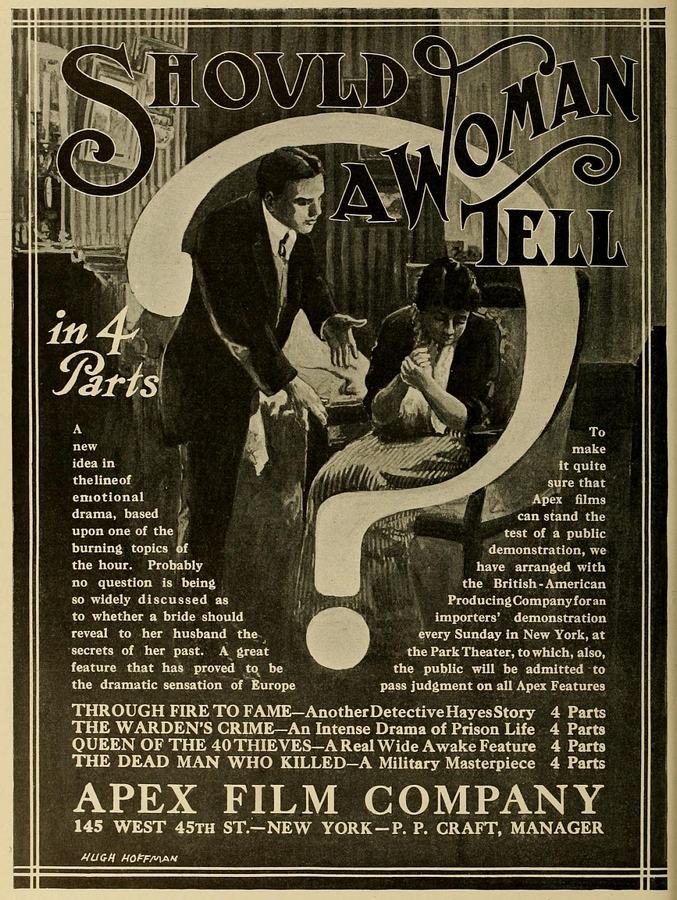
A gilded cage of aristocratic ennui entraps Vera, daughter of the Countess Dubowska, until a slumming expedition shatters her complacent existence. Witnessing poverty, she finds purpose in ministering to the ailing carpenter, Max Petroff. This nascent altruism, however, is brutally exploited when Max, feigning worsening injury, orchestrates a clandestine entry into her lavish home, leaving a manipulative plea. Unwittingly drawn back to his hovel, Vera becomes ensnared in a harrowing assault. In a desperate act of self-preservation, she seizes a chisel, transforming victim into avenger, and Max falls lifeless. This visceral trauma casts a long, indelible shadow over her future. Prince Dolsky, captivated by her enigmatic allure, pursues her hand, yet Vera's conscience, a relentless specter, sabotages her every attempt at happiness. Visions of her past transgression haunt her, culminating in a frenzied flight from his marriage proposal. Despite profound illness and a subsequent acceptance of his renewed suit, the truth remains unspoken. A written confession, penned on the eve of her wedding, tragically miscarries, only to be reclaimed and incinerated by a despairing Vera. The vows are exchanged, the new life begun, but the suffocating weight of her secret erupts at a pivotal moment, shattering their nascent union. The prince, astounded and unforgiving, banishes her. Cast adrift, Vera reinvents herself as a celebrated actress, her stage triumphs masking a profound internal desolation. Years later, a chance encounter at the opera reunites the now-regretful Prince Dolsky with his estranged wife. His fervent plea for reconciliation, for forgiveness, is met with Vera's chilling, final pronouncement: "It is too late now, prince. My love is dead." Devastated by her unyielding resolve, the prince succumbs to his grief, his life tragically extinguished by the echoes of a love lost to an unconfessed, then confessed, truth.
Synopsis
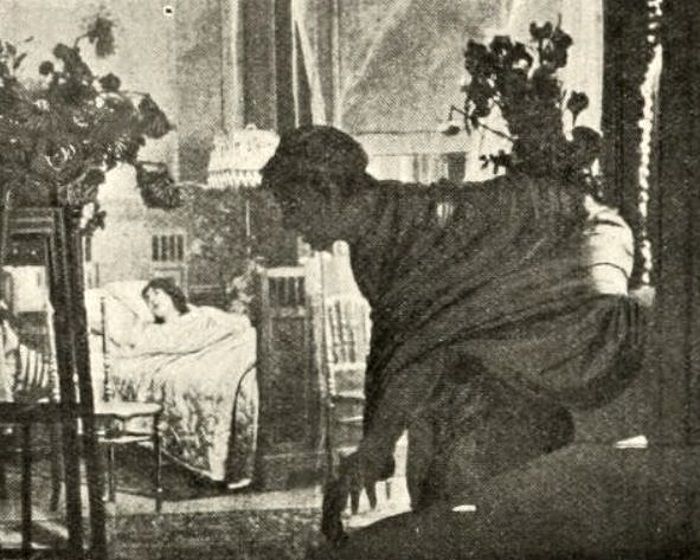
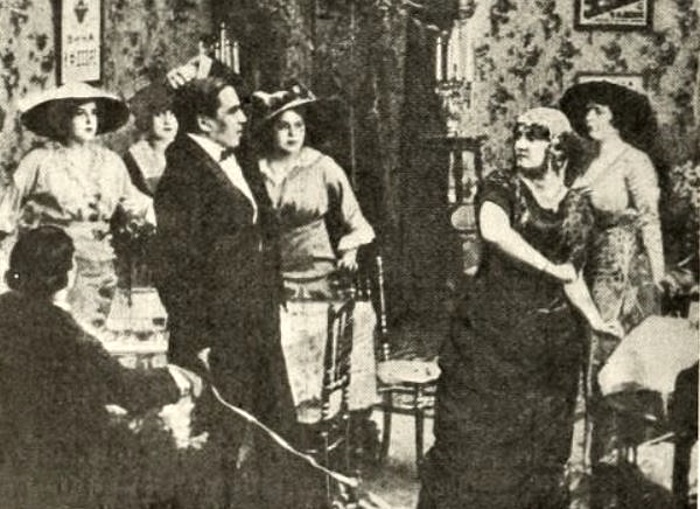
Vera, the daughter of Countess Dubowska, feels unhappy in spite of all the luxury that surrounds her. A soiree is held at her mother's house, and Vera sits alone brooding. Countess Dubowska has arranged to go on a slumming expedition, and she invites Vera to accompany her. They leave their residence and make for the poor quarters, where they dispense their gifts generously. Just as they are leaving, a boy tells them of a poor carpenter lying helpless with a broken arm. They follow him to the carpenter's hut, where Vera dresses his wound and gives him presents of wine and food. Max thanks them, and Vera feels gratified. They return home, and Vera sitting amid beautiful surroundings, reflects upon what she had seen that day, and decides to devote her life to the poor. Meanwhile, Max cannot forget the way Vera attended him. How was he to ensure her coming again? At last he hits upon an idea, and writes a letter as follows: "Dear Lady, My arm is hurting badly. 1 think I shall die. Oh, please help me and I shall never forget it. Max Petroff." Congratulating himself, Max then leaves his hut and effects a secret entry into Countess Dubowska's house. He finds Vera's room and creeps in stealthily. Noticing a small table near the window, he places his letter in the morning. Vera notices the letter and she, resolves to visit him. All unsuspecting of the way the letter reached her, she sets out to Max's dwelling, taking with her wine and food. Max sees his victim the moment she enters. He rushes to the door and locks it, and attacks unprotected Vera. She is in his power, but an opportunity for revenge occurs when he compels her to hand him the food and drink. Unnoticed, she seizes a chisel, and in self-defense, kills him. Some time later, Vera visits a fencing academy and attracts Prince Dolsky. The prince declares his love, and Vera, troubled by her conscience, does not accept. But her love for the prince grows stronger, and when he comes to submit his marriage proposal, the vision of the murdered carpenter envelopes the prince's form, and she runs away in a frenzy. After this she becomes very ill, and when convalescent, the prince visits her, and she accepts his offer of marriage. Many times she is on the verge of making a full confession, but the prince, deeply in love, refuses to listen. The night before the wedding Vera writes a full confession to the prince. But alas, the letter reaches the prince's residence just after he had been suddenly called to his estate. The letter is returned to Vera, and, despairing, she burns it. The next day the wedding takes place, and the couple leave for their new home. But the calls of her conscience become louder, and at the critical moment, Vera relates what happened. The prince is astounded, and orders Vera from the home which she had hardly entered. Prince Dolsky tries to forget his sorrows by leading a gay life. But a reaction takes place, and he regrets having driven his young wife from him. He engages a detective to search for her so that he may obtain her forgiveness. Meanwhile Vera, under an assumed name, has become a celebrated actress. One night an old friend induces the prince to go to the opera, where he recognizes his wife as the distinguished actress playing the principal part in "Traviata." He goes to her dressing room and seeks a reconciliation, praying fervently for his wife's forgiveness. But Vera says, "It is too late now, prince. There was a time when I loved yon, but now my love is dead. There is the door." Her broken-hearted husband answers, "Goodbye forever. I loved you so much and I believed in my happiness." The prince departs, and lamenting for his lost love, ends his unhappy life.
Review Excerpt
"
In the annals of early cinema, few narratives plumb the depths of human conscience and societal rigidity with the stark, unflinching gaze of Should a Woman Tell? This silent drama, a profound exploration of guilt, love, and the suffocating weight of an unconfessed truth, transcends its era to deliver a timeless tragedy. It asks not merely a question of disclosure, but interrogates the very fabric of morality, the price of silence, and the devastating ripple effects of a singular, d..."