DbcultAccessing Vault...
6.1/10
Senior Film Conservator
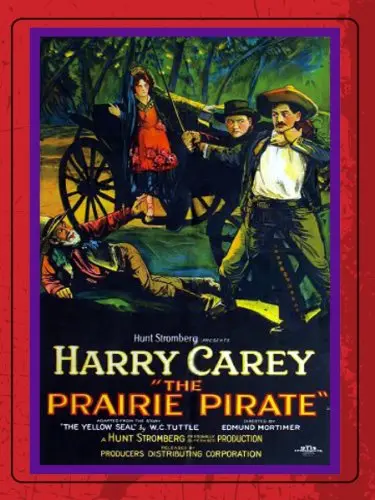
A definitive 6.1/10 rating for a film that redefined the boundaries of cult cinema. The Prairie Pirate remains a cornerstone of transgressive art.
In the annals of early cinema, few genres captured the raw, untamed spirit of American storytelling quite like the Western. Yet, even fewer dared to plumb the depths of human despair and relentless retribution with the stark, unflinching gaze found in Robert Dillon and W.C. Tuttle’s narrative for The Prairie Pirate. This isn't merely a tale of dust and spurs; it is a profound journey into the heart of darkness, forged by an unspeakable tragedy and fueled by an unyielding quest for vengeance. The film, a silent era gem, transcends its technical limitations to deliver an emotional punch that resonates across the decades, presenting a vision of justice that is as brutal as the landscape it inhabits.
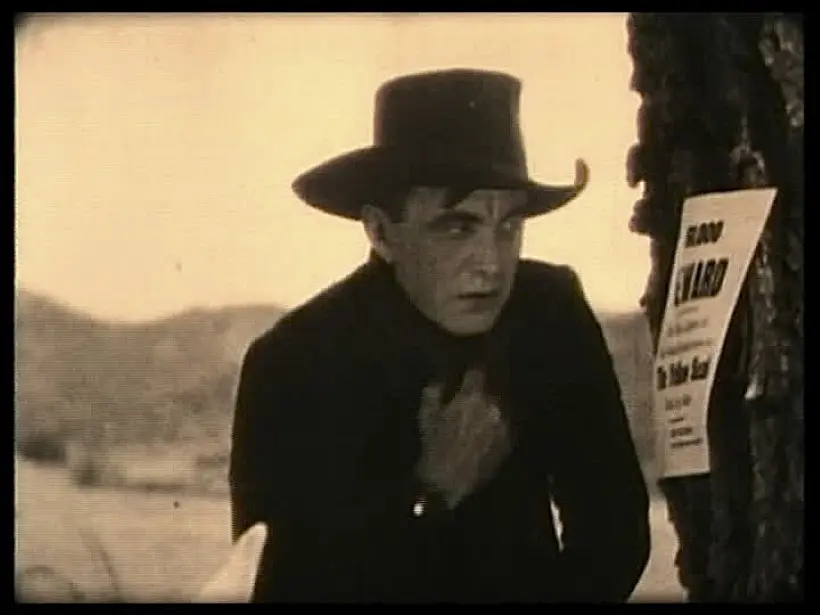
The narrative’s genesis is a harrowing act of defiance that sets the stage for all subsequent events. A young woman, caught in the clutches of a merciless bandit gang, is confronted with an unimaginable horror. Her choice, stark and absolute, to take her own life rather than suffer the indignity of assault, is a moment of profound, albeit tragic, agency. Evelyn Selbie, though her role might be brief in its on-screen duration, imbues this character with a silent strength that speaks volumes. Her portrayal, likely conveyed through the exaggerated yet deeply expressive pantomime of the era, would have etched itself into the audience’s collective consciousness. This isn't just a plot device; it's a thematic anchor, a scream against the patriarchal violence of the frontier, echoing the desperate struggles faced by women in a world where law often held little sway. This single, devastating act doesn't just end a life; it irrevocably alters another, twisting the trajectory of her brother into a path of shadowed retribution.
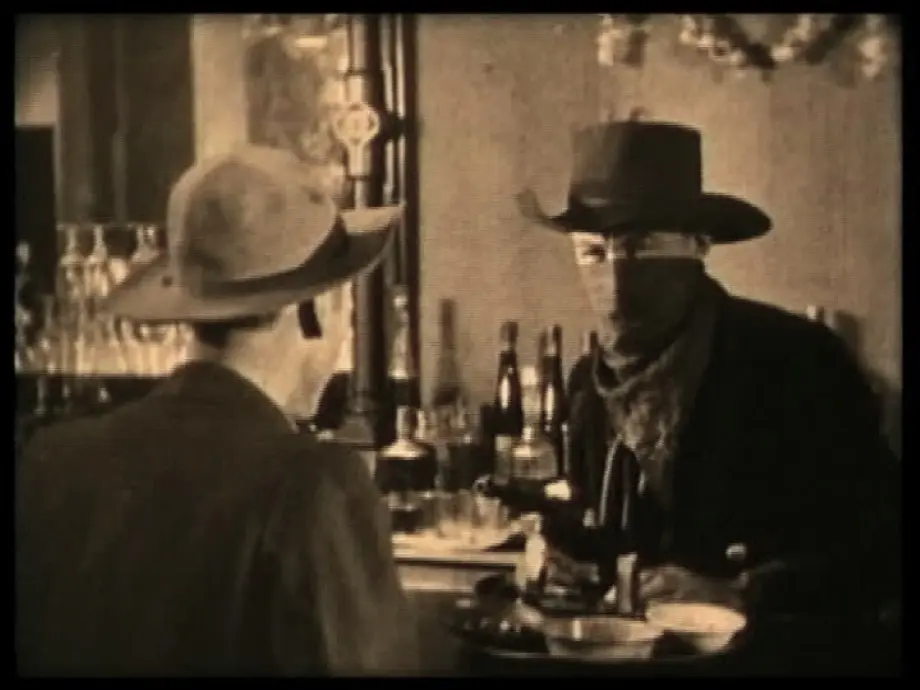
The news of his sister’s tragic fate shatters her brother’s world, transforming him from an ordinary man into an instrument of fierce, singular purpose. Harry Carey, a stalwart of the Western genre, likely delivers a performance steeped in raw emotion, portraying this seismic shift with a gravitas that defines the film’s emotional core. His metamorphosis into a bandit, not for profit or power, but as a calculated means to an end – the systematic dismantling of the gang responsible for his sister’s death – is a fascinating exploration of moral ambiguity. He becomes a phantom of justice, operating outside the very laws that failed to protect his family. This isn't the typical hero’s journey; it’s a descent into the morally grey areas where right and wrong blur under the searing heat of personal loss. The writers, Dillon and Tuttle, craft a compelling psychological portrait, albeit one conveyed through the broad strokes of silent film, of a man consumed, yet simultaneously defined, by his mission.
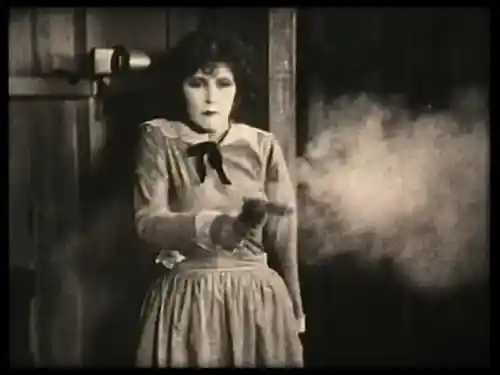
The supporting cast, including the likes of Lloyd Whitlock, Trilby Clark, Robert Edeson, Bert Lindley, Tote Du Crow, and Fred Kohler, would have filled out the harsh landscape with a believable array of frontier types. Kohler, often typecast as villains, would undoubtedly bring a menacing authenticity to his bandit role, providing a formidable counterpoint to Carey's driven protagonist. Du Crow, with his distinctive presence, might have added an intriguing layer to the gang’s dynamic, perhaps a grizzled veteran or a conflicted member. The effectiveness of these portrayals, without the benefit of spoken dialogue, relies heavily on physical presence, expressive facial movements, and carefully choreographed action. It speaks to the unique artistry of silent cinema, where every gesture, every tilt of the head, every wide-eyed stare carried the weight of a thousand words. The film's ability to convey such complex emotions and motivations through this visual language is a testament to the skill of both the actors and the director, who understood the nuances of non-verbal communication.
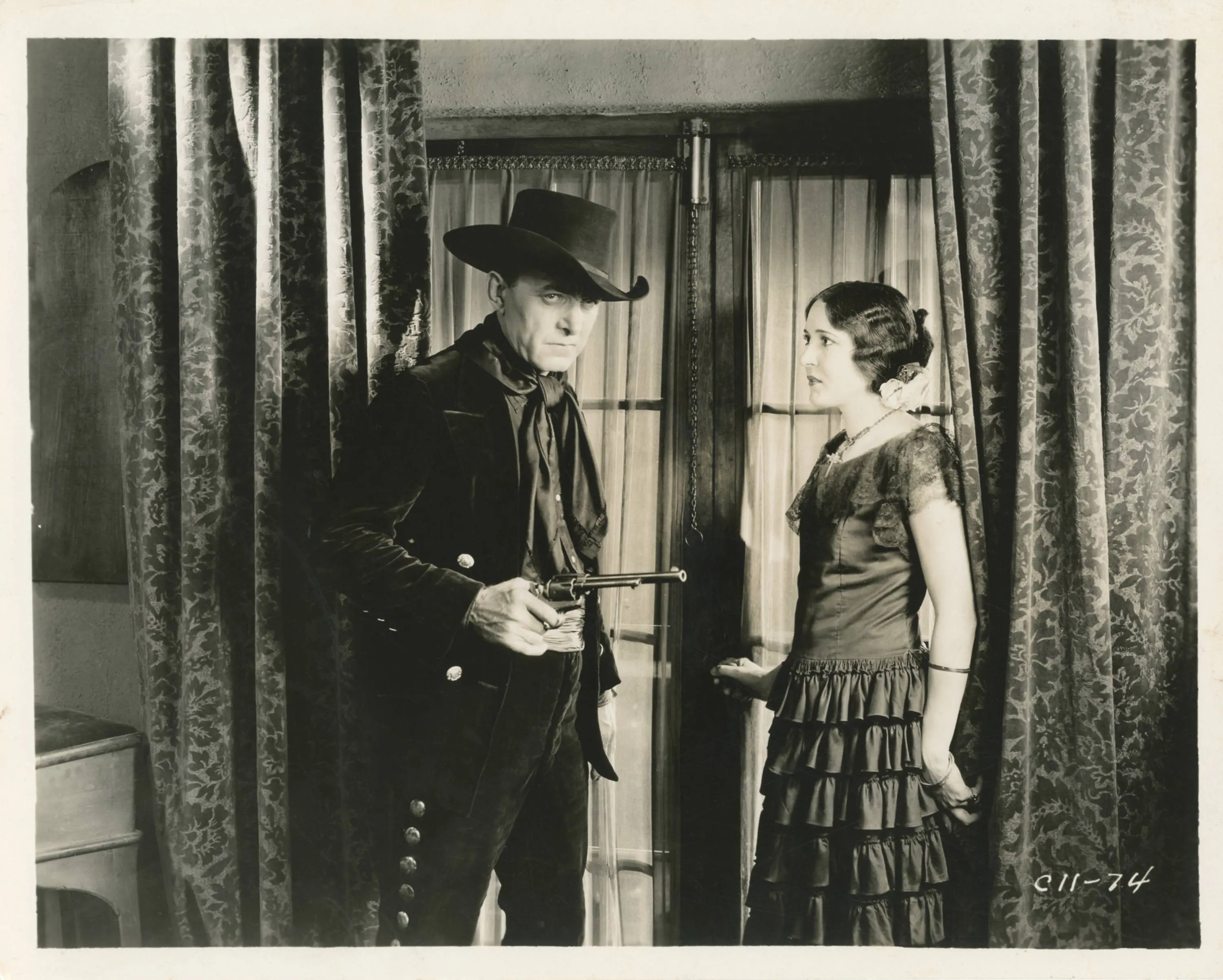
The directorial hand guiding The Prairie Pirate would have been crucial in translating Dillon and Tuttle’s potent script into a compelling visual experience. The vast, unforgiving landscapes of the American West are not merely backdrops here; they are characters in themselves, reflecting the internal turmoil of the protagonist and the brutal reality of his quest. Imagine sweeping shots of sun-baked plains, dusty trails winding through canyons, and the stark silhouettes of horsemen against a fiery sunset – all serving to underscore the epic scale of the personal drama unfolding. The cinematography, even in its nascent form, would have been tasked with capturing the isolation, the danger, and the raw beauty of this frontier world. Action sequences, from daring raids to tense standoffs, would have been meticulously staged, relying on dynamic editing and clear visual storytelling to maintain suspense and excitement. The pacing of a silent film, often dictated by the musical score accompanying it, would have ebbed and flowed with the narrative, building to moments of high drama and quiet introspection.
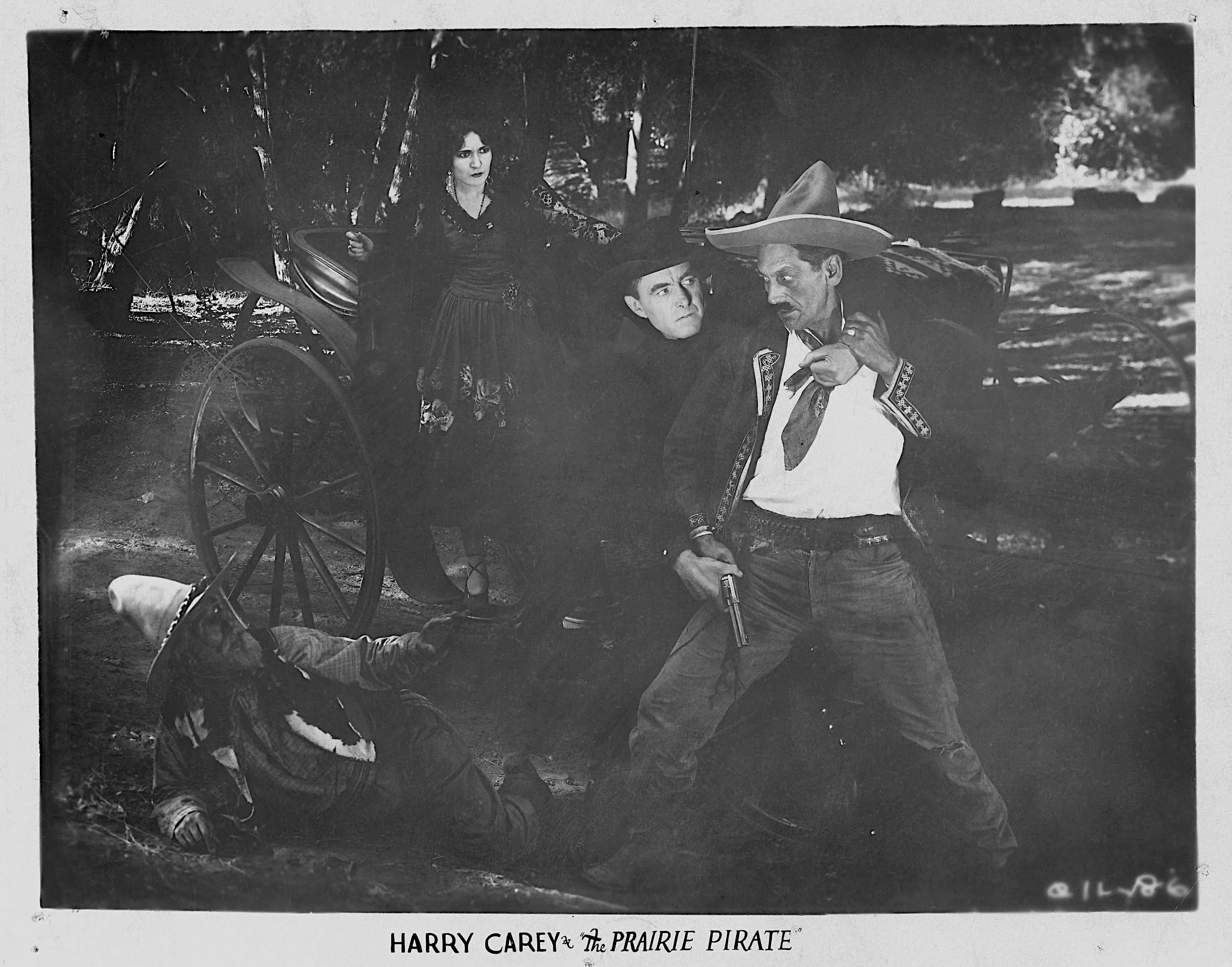
In an era that saw the rise of iconic Westerns, The Prairie Pirate stands as a testament to the genre's capacity for exploring darker themes. While many Westerns glorified the cowboy hero or romanticized frontier life, this film delves into the grim realities of lawlessness and the personal cost of justice. It’s a stark contrast to lighter fare like An Amateur Devil, which might have offered more comedic escapism, or even the adventure-driven narrative of The Carpet from Bagdad, which transports viewers to exotic locales. Here, the exoticism is in the raw, untamed human spirit. The film’s thematic depth puts it in conversation with other silent dramas that explored profound human experiences, perhaps even touching on the fatalism seen in certain European productions like La Destinée de Jean Morénas, albeit within a distinctly American context. It speaks to a universal understanding of loss and the primal urge for recompense, a narrative thread that remains potent regardless of the cinematic language employed.
The central question posed by The Prairie Pirate is whether the brother’s actions constitute justice or merely a descent into vengeance. The film doesn't offer easy answers. His transformation into a bandit, adopting the very methods of those he hunts, complicates his moral standing. Is he a hero for avenging his sister, or has he become what he despises? This ambiguity is precisely what gives the narrative its enduring power. It forces the audience to grapple with the blurred lines between personal retribution and societal law, a recurring motif in the Western genre. Unlike films that might present a clear-cut protagonist battling unambiguous evil, The Prairie Pirate dares to suggest that the pursuit of justice, when driven by such profound personal trauma, can irrevocably alter the pursuer, perhaps even corrupting them. It’s a theme that resonates through cinematic history, long after the silent era, in countless revenge thrillers and moralistic dramas. The raw, visceral portrayal of this internal conflict, stripped of dialogue, would have relied entirely on the performers’ ability to convey the protagonist's tormented soul.
Despite its age and the inherent challenges of silent film preservation, The Prairie Pirate remains a significant work, not just as a historical artifact, but as a compelling piece of storytelling. It speaks to primal human emotions: grief, rage, and the desperate need for closure. The performances, particularly from Evelyn Selbie and Harry Carey, would have been pivotal in conveying these complex feelings without spoken word, relying on the nuanced art of pantomime and facial expression. The script by Robert Dillon and W.C. Tuttle, with its audacious premise and uncompromising exploration of dark themes, stands as a testament to the creative daring of early filmmakers. It reminds us that even in the nascent stages of cinema, artists were tackling weighty subjects with a sophisticated understanding of human psychology. While it might lack the technological polish of later productions or the star-studded ensemble of a blockbuster, its raw emotional power and thematic courage ensure its place as a fascinating, if somber, entry in the Western canon. It's a film that asks us to reflect on the true cost of violence and the convoluted paths individuals take when confronted with unspeakable loss, a narrative that, for all its silent majesty, still screams with profound human anguish. The enduring resonance of its themes ensures that, for those willing to look beyond the absence of sound, The Prairie Pirate offers a powerful, unforgettable experience, a dark jewel in the crown of silent Westerns, reminding us that some stories are best told with the stark eloquence of silence.
"The prairie may be silent, but its stories echo through time, carrying the weight of dust, blood, and an unyielding spirit of retribution."
IMDb —
1930
Community
Log in to comment.