DbcultAccessing Vault...
Cult Review
Senior Film Conservator
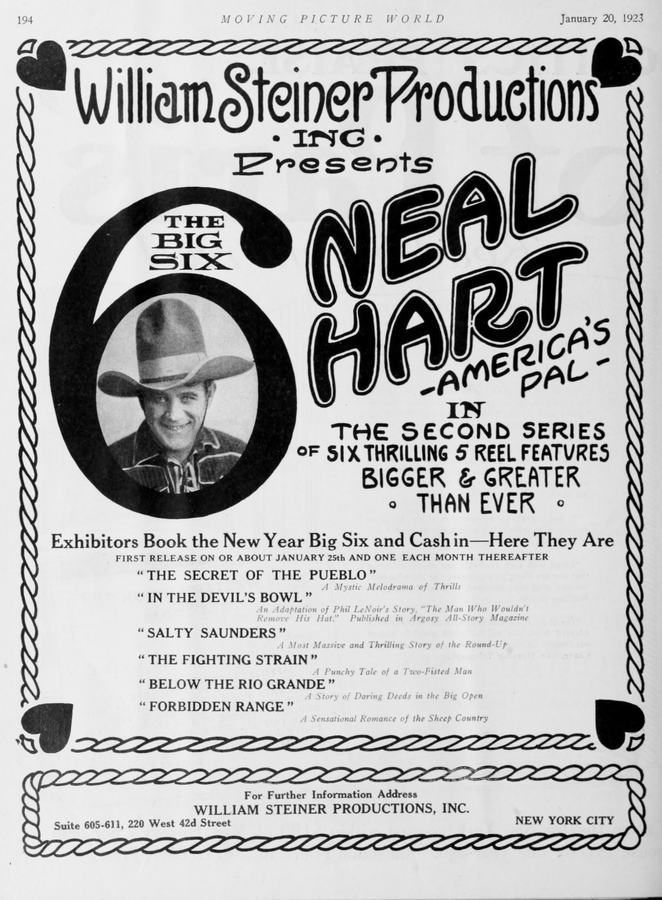
Stepping back into the annals of early cinema, one often encounters films that, despite their age, resonate with an astonishing contemporary relevance. "The Fighting Strain" stands as a poignant testament to this enduring power, a silent-era gem that, upon rediscovery, reveals layers of social commentary and human struggle often overlooked in its time. This isn't merely a historical artifact; it's a vibrant, pulsating narrative that dissects the very essence of human resilience against an indifferent, often cruel, world. The film, penned with remarkable foresight by Neal Hart, plunges us into the grim realities of industrial America, where the promise of opportunity often dissolves into the harsh grind of survival.
At its core, "The Fighting Strain" is a character study of extraordinary depth, anchored by the formidable presence of William Quinn as John "Jack" O’Malley. Quinn, an actor whose nuanced expressions and physical gravitas were perfectly suited to the silent medium, crafts a protagonist who is both immensely sympathetic and fiercely determined. Jack O’Malley is introduced not as a larger-than-life hero, but as a man burdened by the weight of responsibility, a former boxer whose fists once earned him fleeting glory, now relegated to the back-breaking labor of the docks. His journey is a visceral exploration of the 'fighting strain' – not just the physical exhaustion of labor, but the relentless psychological pressure to maintain dignity and provide for one's family amidst overwhelming adversity. The film masterfully portrays the quiet desperation etched onto his face, the subtle slump of his shoulders communicating volumes more than any dialogue ever could. It’s a performance that echoes the raw, unvarnished portrayals of working-class struggle seen in films like Her Man, though Quinn’s portrayal carries a unique blend of stoicism and simmering rage.
The emotional anchor of Jack’s existence is his wife, Clara, portrayed with tender vulnerability and unwavering strength by Beth Mitchell. Mitchell’s Clara is no mere supporting character; she is the moral compass, the quiet strength that prevents Jack from succumbing entirely to despair. Her scenes, often played out in the cramped, dimly lit confines of their home, are imbued with an aching authenticity. The silent language of their shared glances, her comforting touch, his desperate attempts to shield her from the harshest truths, speak volumes about the profound bond between them. Their struggle to keep their family afloat, to simply put food on the table, becomes a universal symbol of the plight of countless families during an era marked by stark economic disparities. This portrayal of domestic struggle, of a couple facing down seemingly insurmountable odds, finds a spiritual kinship with the heartfelt narratives of resilience in films such as A Rich Man's Darling, though "The Fighting Strain" grounds its narrative in a grittier, more immediate reality.
The antagonist, Silas Thorne, brought to chilling life by James McLaughlin, is not a mustache-twirling villain of caricature, but a more insidious force. Thorne is the embodiment of corporate greed, a man who views human labor as a commodity to be exploited, and human dignity as an inconvenient impediment to profit. McLaughlin's performance is a masterclass in understated menace; his smiles are rarely genuine, his gestures subtly calculated. He represents the systemic oppression that Jack and his fellow dockworkers confront daily, a pervasive power structure that seems insurmountable. Thorne’s actions, driven by a cold, calculating logic, create the central conflict: the individual’s desperate fight for survival against an all-consuming industrial machine. The tension between Quinn's raw integrity and McLaughlin's polished malevolence is palpable, driving the narrative forward with an almost unbearable intensity.
Further complicating Jack’s already precarious situation is Randall, Thorne's foreman, played with compelling duplicity by Neal Hart (who also penned the film's script, adding another layer of artistic control to his performance). Randall is a man caught in the middle, a pawn in Thorne's game, yet not entirely devoid of his own agency. Hart imbues Randall with a conflicted humanity, a man whose loyalty is torn between the master he serves and the men he oversees. His character acts as a crucial bridge, sometimes an obstacle, sometimes an unwitting aid, in Jack’s struggle. This internal conflict within a secondary character adds considerable texture to the film, elevating it beyond a simple good-versus-evil narrative. The intricacies of these power dynamics and moral compromises recall the complex interpersonal struggles found in The Trap, showcasing how human weakness and strength are often intertwined.
The supporting cast, including Bert Wilson as a loyal but perhaps naive fellow worker and Gladys Gilland in a role that adds a touch of external temptation or perhaps unexpected aid, further enriches the narrative tapestry. Wilson's portrayal of a working man, weary but resilient, provides a vital communal perspective to Jack's individual struggle, embodying the collective spirit of the dockworkers. Gilland’s character, while not central, introduces an element of external societal pressures or potential avenues for corruption, mirroring the moral dilemmas Jack faces. The film, through its ensemble, paints a vivid tableau of a community on the brink, each character a brushstroke in a larger portrait of an era defined by profound social change and economic hardship.
What truly elevates "The Fighting Strain" beyond a mere melodrama is its unflinching gaze at the systemic issues plaguing the working class. The dockyards themselves become a character – a sprawling, unforgiving landscape of heavy machinery, sweat, and danger. The cinematography, though characteristic of its era, often employs stark contrasts of light and shadow, emphasizing the grim conditions and the oppressive atmosphere. Long shots of men toiling under the shadow of towering cranes, or close-ups of their strained faces, are used with powerful effect to convey the sheer physical and emotional toll of their labor. The film doesn't shy away from depicting the harsh realities of strikes, the desperation of unemployment, and the moral compromises forced upon individuals when their livelihoods are threatened. This thematic weight connects it to other socially conscious films of the period, such as Hail the Woman, which also explored societal injustices, albeit through a different lens.
The narrative arc of "The Fighting Strain" is a slow burn, building tension through a series of escalating confrontations and moral quandaries. Jack’s initial attempts to negotiate for fairer wages are met with Thorne’s cold indifference. His quiet defiance soon escalates into open rebellion when a tragic accident on the docks, directly attributable to Thorne’s cost-cutting measures, pushes Jack past his breaking point. This incident serves as a powerful catalyst, transforming Jack from a man fighting for his family into a reluctant leader, a voice for the voiceless. The film cleverly uses the visual language of silent cinema to convey these emotional shifts: the tightening of Quinn's jaw, the sudden spark in his eyes, the almost imperceptible tremor in his hands. These subtle cues are more eloquent than any spoken dialogue could be, drawing the audience deeper into Jack's internal turmoil and external battles.
The climax of the film is not a simple fistfight, though physical confrontation is certainly part of Jack’s world. Instead, it’s a more profound battle for justice and recognition. Thorne attempts to bribe Jack into silence, offering him a position of comfort in exchange for betraying his fellow workers and abandoning the pursuit of justice for the accident victims. This moral crucible is the true 'fighting strain' – the struggle against one's own desperation, the temptation to choose personal gain over collective well-being. Jack’s ultimate decision, played out with heart-wrenching conviction by Quinn, is a powerful affirmation of integrity and solidarity. It’s a moment that resonates with the theme of moral fortitude against corruption, a thematic thread also explored in films like Cameo Kirby, albeit in a different genre setting.
The direction, while uncredited beyond the writer Neal Hart (a common practice in early cinema where writers often had significant directorial influence), exhibits a keen understanding of pacing and visual storytelling. The use of intertitles is judicious, never overwhelming the visual narrative, but rather supplementing it with crucial dialogue and expository details. The film’s rhythm, though slower by modern standards, allows for a deeper immersion into the characters' emotional landscapes. The stark realism of the sets, from the grimy docks to the sparse interiors of working-class homes, adds an almost documentary-like quality to the drama, grounding the intense emotions in a believable environment. This attention to environmental detail and character-driven narrative sets it apart from more overtly sensationalistic fare like Captain Fly-by-Night, which prioritized adventure over social realism.
One cannot discuss "The Fighting Strain" without acknowledging its profound social commentary. It’s a film that speaks to the enduring struggle for workers' rights, the perils of unchecked corporate power, and the importance of collective action. In an era often romanticized, this film offers a stark, unvarnished look at the realities faced by a significant portion of the population. It champions the unsung heroes of daily life, the men and women who, despite immense pressure, refuse to compromise their values. The film’s message of resilience and the power of the human spirit to endure and fight for justice remains as potent today as it was a century ago. It’s a cinematic ancestor to later social dramas, providing a foundational blueprint for depicting the complexities of class struggle on screen.
The legacy of "The Fighting Strain", though perhaps not as widely known as some of its contemporaries, deserves re-evaluation. Its performances are exceptional, particularly Quinn's tour-de-force, and its thematic concerns are timeless. It serves as a powerful reminder that cinema, even in its nascent forms, was capable of profound social critique and deeply moving human drama. The visual poetry of its silent storytelling, combined with its unflinching realism, creates an experience that lingers long after the final frame. It’s a film that challenges viewers to consider the true cost of progress and the unwavering strength required to maintain one's integrity in the face of overwhelming odds. Much like the quiet determination found in The Adventures of Kitty Cobb, though with a heavier dramatic weight, "The Fighting Strain" champions the individual spirit within a larger societal context.
In an age where cinematic escapism often takes precedence, re-engaging with a film like "The Fighting Strain" is a refreshing and vital experience. It’s a reminder that art can, and should, hold a mirror up to society, reflecting its injustices and celebrating the indomitable spirit of those who resist them. The emotional impact is profound, a testament to the universal language of human struggle and triumph that transcends the lack of spoken dialogue. It's a film that asks us, implicitly, to consider what we would do under similar 'strains,' and whether our own fighting spirit would prove as resilient as Jack O’Malley’s. This film, far from being a relic, is a vibrant, compelling piece of cinematic history that speaks directly to the heart of the human condition, offering a powerful, enduring narrative of courage and conviction. Its understated power is a stark contrast to the more overt romanticism of films like A Million for Mary or the direct conflict of The Man of Bronze, instead finding its strength in the quiet, persistent battle of the everyday hero. The film leaves an indelible mark, proving that true cinematic power resides not just in grand spectacle, but in the honest portrayal of the human heart and its capacity for enduring resilience against all odds.
IMDb 6.1
1920
Community
Log in to comment.