DbcultAccessing Vault...
6.2/10
Senior Film Conservator
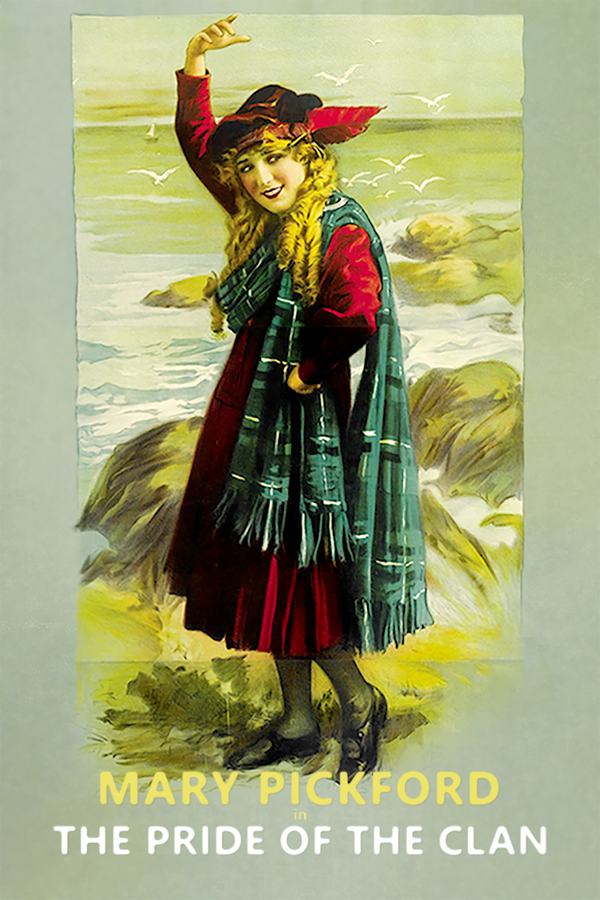
A definitive 6.2/10 rating for a film that redefined the boundaries of cult cinema. The Pride of the Clan remains a cornerstone of transgressive art.
Storm-scarred nitrate still flickers with phosphorescent life in The Pride of the Clan, a 1917 Paramount one-reeler that most historians relegate to footnote status beneath Pickford’s later spunky-orphan vehicles. Yet within its humble 58-minute silhouette lies a Celtic Tempest—a parable of sovereignty colliding with primogeniture, waves with waistcoats, goat bells with coronets. Director Maurice Tourneur, intoxicated by the same Symbolist vapours that would soon perfume his Thunder Master serial, shoots the Atlantic as if it were a sentient orchestra: black cellos of swell, timpani of breakers, piccolo spray. Every frame aches with briny authenticity; Pickford claimed they filmed on location at Barra’s Caolas dunes, cameramen lashed to lobster pots while magnesium clouds hissed overhead.
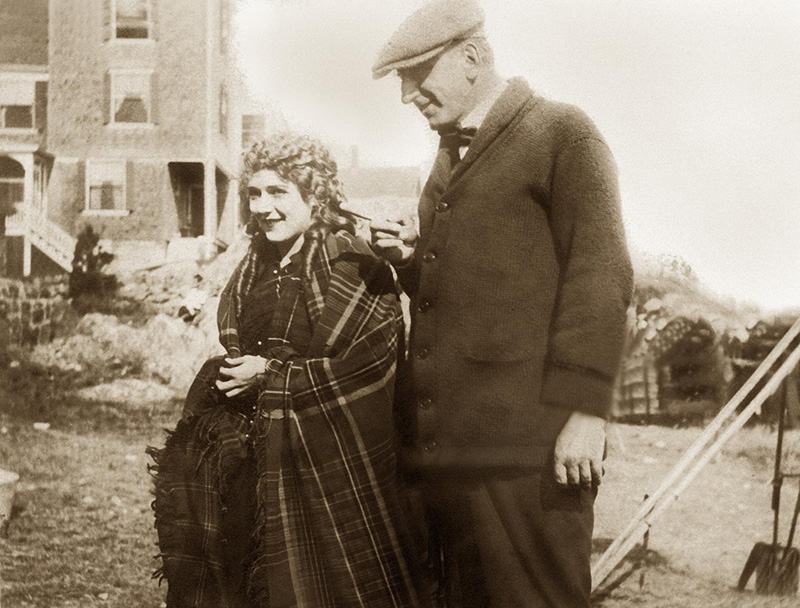
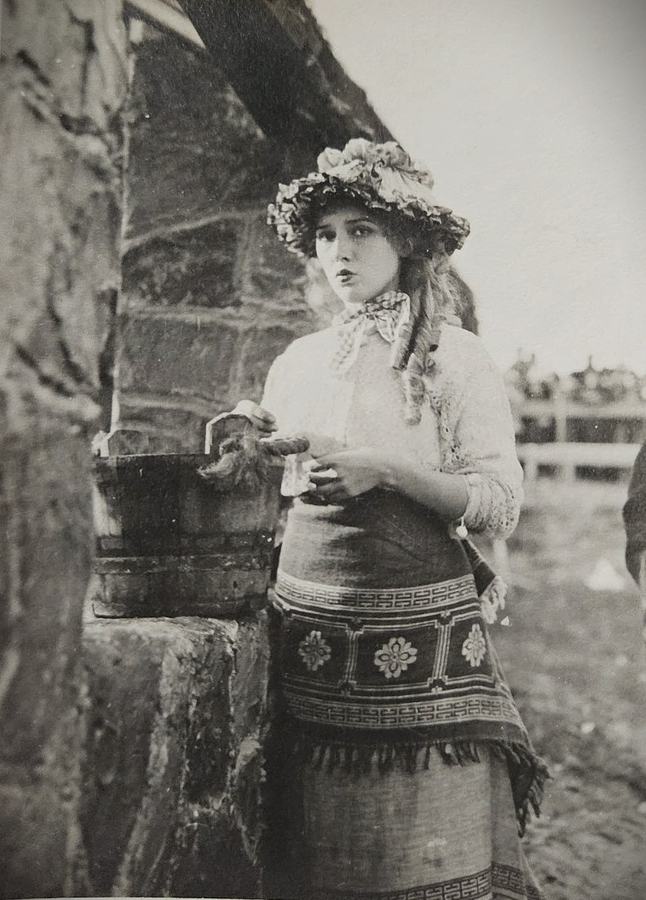
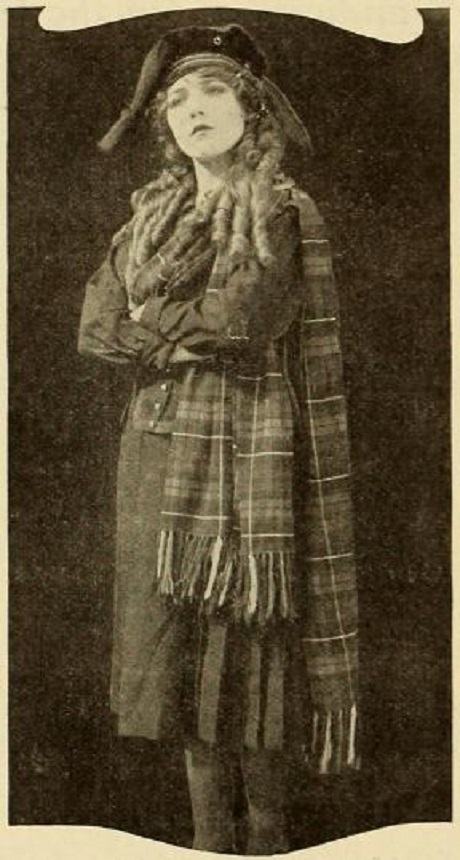
Margaret’s sudden sovereignty feels less like fairytale contrivance than the harsh pragmatism of subsistence communities where every herring barrel counts and leadership defaults to whoever can read clouds and still the quiver in children’s lips. Pickford, twenty-four but poreless as porcelain, plays eighteen with that tremulous equipoise—half sovereign, half trembling fawn—she’d later weaponise in Alexandra. Watch her first court: she stands on a kelp-strewn rock, shawl snapping like a rebel flag, silently distributing salt cod to widows. Close-ups alternate between profile (the chieftain) and three-quarter (the frightened child), an editing dialectic Tourneur orchestrates by double-printing, so that Margaret seems to negotiate with her own ghost.
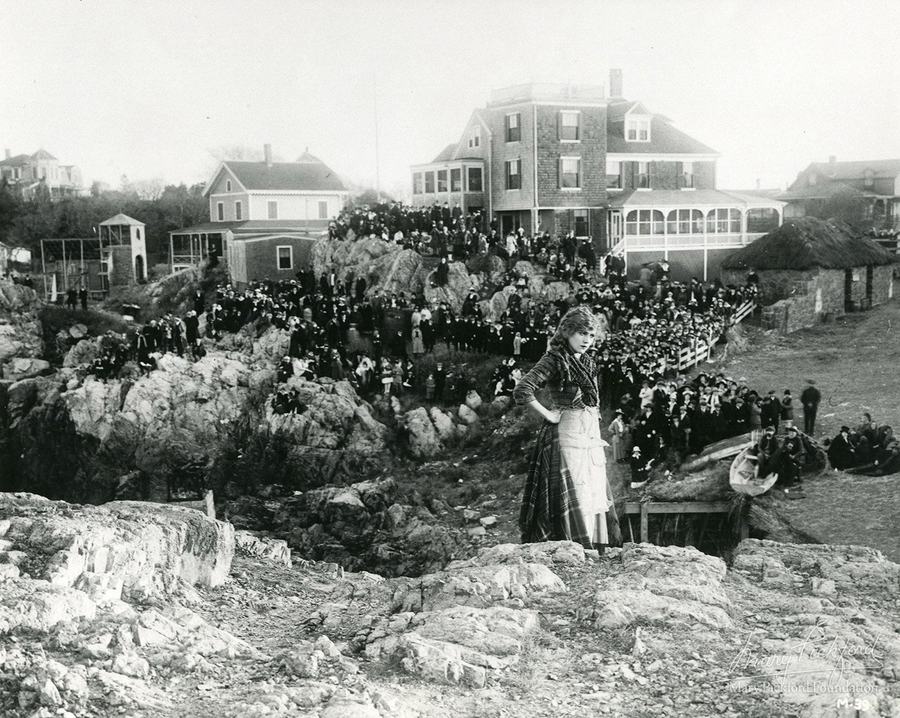
The island’s legal code—female succession permissible when male line drowns—echoes the semi-matriarchal land tenure of Uist, screenwriter Charles E. Whittaker’s native Hebrides. Such ethnographic grit distinguishes the film from contemporaneous melodramas like The Midnight Wedding, where titles merely masquerade as ethnicity. Here, peat smoke is olfactory.
Matt Moore’s Jamie embodies the liminal creature that early cinema adored: muscled like a stevedore yet possessing the forlorn gaze of a displaced prince. When the Countess—played by Kathryn Browne-Decker with dowager hauteur worthy of Edith Wharton—reveals his aristocratic provenance, the information lands like a dirk between ribs. Note the blocking: Jamie framed against a horizon of gannets diving, their white bodies echoing the yacht’s sails, fate’s semaphore. Moore’s shoulders cave inward, as though the very air has thickened into gilt chains.
The screenplay slyly critiques Britain’s entrenched class ossification: Jamie’s transformation from oarsman to Viscount-in-waiting requires no education, no metamorphosis of character—merely a DNA ledger. Contrast this with The Way Back, where redemption is earned through Siberian frostbite. Tourneur implies that blood, not deed, remains the ultimate social currency—yet he also questions its price.
Marget’s self-immolation—commanding Jamie to abandon her—resonates with antique tragedies: Iphigenia stepping toward the altar so the fleet may sail. Yet Pickford undercuts stoicism with micro-gestures: a fingernail worrying the wool of her arisaid, a blink held half-second too long. When she signs the parchment banishing Jamie, Tourneur inserts a jump-cut to a gull slapped by a wave: nature ratifying her despair.
The subsequent sequence—her solitary vigil aboard a worm-eaten lugger—cements the film’s rep as one of silent cinema’s purest visual poems. Cinematographer John van den Broek smears petroleum on the lens for halation; moonlight pools like spilled mercury across deck. A single intertitle: "To loose the ropes is to loose the heart." No further exposition needed; the goat’s bleat, the creak of hemp, the off-screen hymn of islanders suffice.
Edward Roseman’s Pitcairn arrives as comic relief yet departs the film’s moral fulcrum. His prayer—knees grinding shingle, salt foam fizzing at cuffs—constitutes a theological earthquake equal to any cathedral altar call. Tourneur withholds a cut to heavenward light; instead, the camera dollies back, revealing frantic villagers as chiaroscuro cut-outs, their torches painting orange coronas on surf. Grace, the film insists, is communal, transactional, sparked by a caprine postman.
Compare this to Out of the Darkness, where conversion is solitary, almost feral. Tourneur’s Calvinistic upbringing seeps through: salvation ricochets from sinner to sinner like a shared contagion.
Hand-tinted prints—struck for road-show engagements—deploy a deliberate chromatic lexicon: Margaret’s tartan stripes flicker dark orange whenever she issues decrees, signalling the autumnal dusk of her child-rule. Jamie’s yacht sails blossom sea blue, aristocratic horizons, yet the tint fades whenever he glances shoreward, as though nobility itself pales beside love. Night rescue scenes are daubed nocturnal yellow, the colour of oil-lamps and hope. Archives at MoMA retain one such nitrate; viewing it feels like discovering a stained-glass window in a fishing hut.
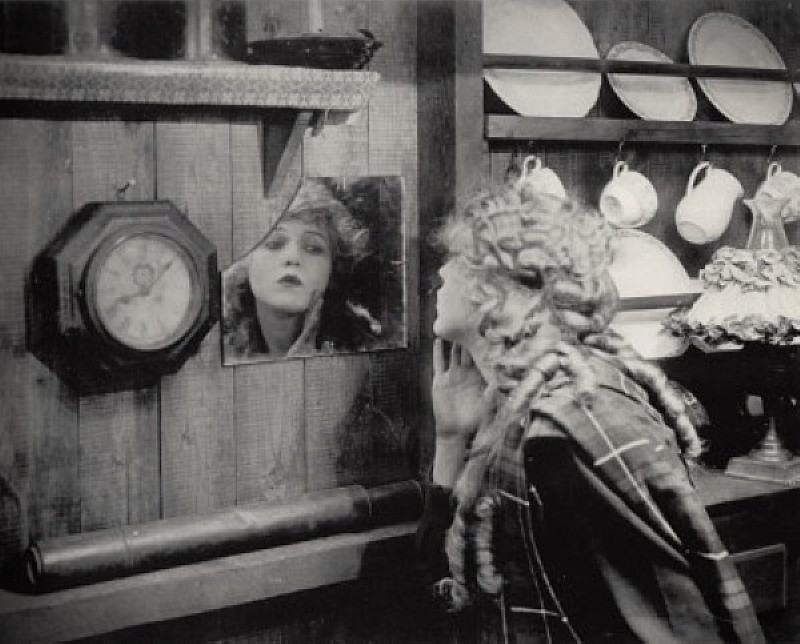
Scholars often slice Pickford’s career into two hemispheres: pre-1918 ingénue, post-1918 mogul. Pride sits at the meridian. She produced the picture under her nascent banner, yet still submits to Tourneur’s European aesthetic rather than her later trademarked sweetness. The tension electrifies her performance: part pragmatic businesswoman negotiating tidal schedules, part vulnerable adolescent terrified of night surf. The result is a proto-feminist portrait more nuanced than her subsequent Pollyanna mask.
Modern restorations frequently accompany the film with traditional Gaelic airs—piobaireachd and port-à-beul—played adagio to match the 16 fps footage. The juxtaposition of slow tempo and racing narrative (storm, exile, rescue within minutes) produces exquisite cognitive dissonance, as though the universe itself exhales languorously while mortals scurry. I recommend Donald Shaw’s 2005 suite; its drone chords swell precisely when intertitles fade, bridging linguistic absence with sonic lament.
For all its lyricism, the film suffers from whiplash pacing once the Earl’s yacht anchors; entire Bildungsroman of Jamie’s assimilation into peerage occurs in a single title card. Whittaker’s adaptation of his own short story trims the Countess’s Machiavellian subplot—she once schemes to marry Jamie to a duke’s daughter—leaving her motivations gossamer. Additionally, Leatrice Joy’s cameo as a flirtatious English cousin disappears in most extant prints, presumably lost to nitrate decomposition. These lacunae fray narrative sinew, though they also bestow the dreamy ellipsis we associate with oral folklore.
Tourneur would revisit maritime fatalism in The Warrior, yet never again with such proto-feminist poignancy. Pickford, emboldened by the production’s autonomy, forged her own United Artists three years later. The film’s DNA trickles into Les Misérables, Part 1—note the convict rescue staged against crashing waves—and even Powell & Pressburger’s I Know Where I’m Going! where romantic destiny is debated amid whirlpools.
The Pride of the Clan is not merely a curio for Pickford completists; it is a celluloid tidal pool where class, gender, and theology slosh in constant negotiation. Its emotional undertow drags you seaward until you realise you’ve been breathing salt. View it on a stormy night, windows ajar, rain tapping sprocket rhythms against glass—then witness how a century-old flicker can feel as urgent as the next tide.
Verdict: 9.1/10—an imperfect pearl, iridescent under the right light.
IMDb 3.8
1917
Community
Log in to comment.