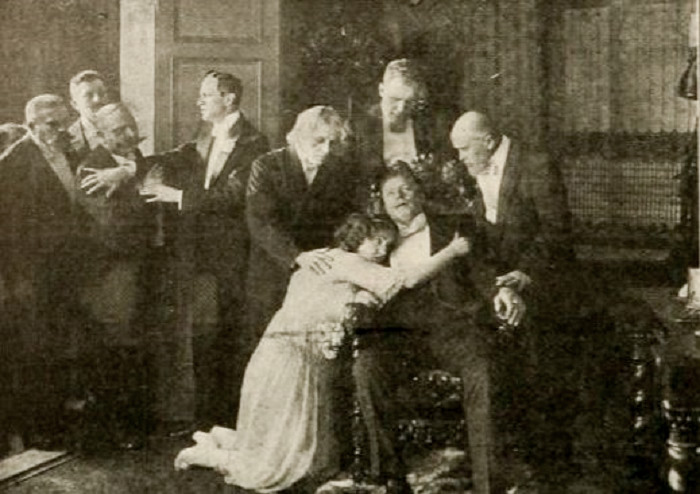
In the flickering twilight of pre-war European cinema, few figures loomed as large or as luminously as Henny Porten. To watch 1914's Alexandra is to witness the birth of the cinematic idol—a performance that transcends the staccato rhythms of early film to touch something primal and enduring. This isn't merely a reli...


Comparing the cinematic DNA and archive impact of two defining moments in cult history.
Curt A. Stark

Curt A. Stark
Community
Log in to comment.
" In the flickering twilight of pre-war European cinema, few figures loomed as large or as luminously as Henny Porten. To watch 1914's Alexandra is to witness the birth of the cinematic idol—a performance that transcends the staccato rhythms of early film to touch something primal and enduring. This isn't merely a relic of a bygone age; it is a sophisticated exploration of the female psyche, framed by the rigid, often cruel, moral frameworks of the early 20th century. Based on the work of Richar..."