DbcultAccessing Vault...
7.1/10
Senior Film Conservator
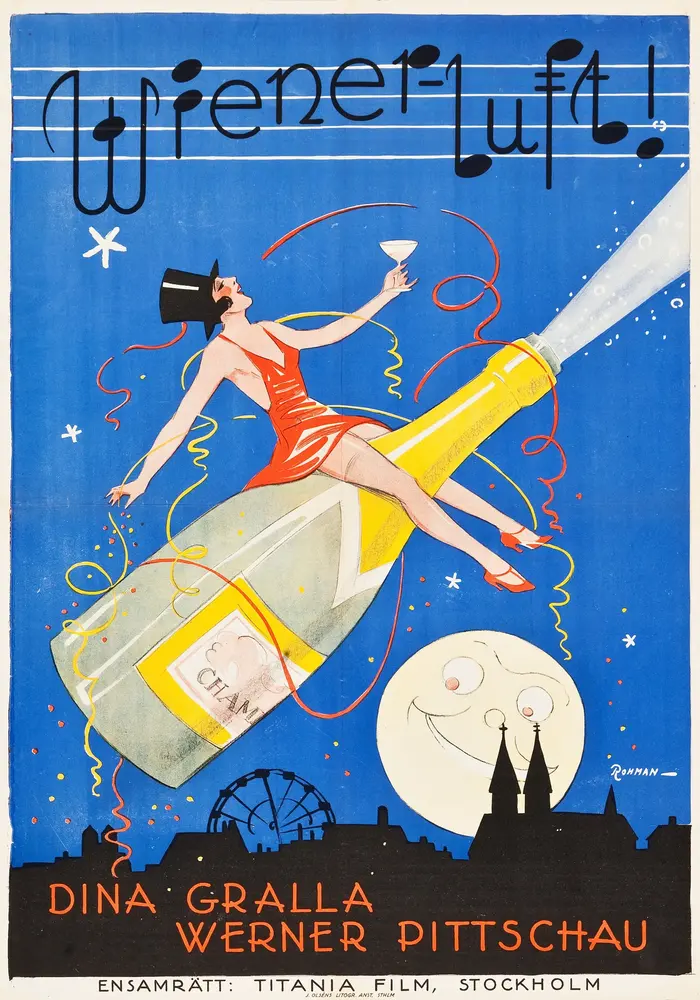
A definitive 7.1/10 rating for a film that redefined the boundaries of cult cinema. The Prince and the Dancer remains a cornerstone of transgressive art.
Is 'The Prince and the Dancer' a relic worth unearthing from the silent era? Short answer: Yes, provided you have an appetite for the frothy, high-society melodramas that defined pre-war European cinema.
This film is specifically for those who enjoy the aesthetic of the Weimar-era co-productions and viewers interested in the intersection of class and celebrity. It is certainly not for modern audiences who require fast-paced editing or those who find the exaggerated gestures of 1920s silent acting to be a barrier to emotional engagement.
1) This film works because it captures the specific, suffocating elegance of the Viennese aristocracy through meticulous production design and a cynical understanding of how rumors function in high society.
2) This film fails because the central love triangle lacks genuine heat, often feeling more like a bureaucratic dispute between two bored men than a passionate rivalry.
3) You should watch it if you want to see Dina Gralla at the height of her expressive powers, navigating a role that requires both vulnerability and a sharp, opportunistic wit.
Directed with a keen eye for spatial hierarchy, the film uses the Vienna State Opera not just as a backdrop, but as a character. Unlike the surrealist experimentation found in Sherlock Jr., this film opts for a grounded, almost theatrical realism. The way the camera lingers on the velvet curtains and the gilded boxes of the opera house serves to emphasize Gabi’s initial insignificance.
The plot’s engine is a misunderstanding. It’s a common trope, yet here it feels uniquely tied to the era. In 1927, the idea that a woman’s career could be made or broken by a whisper in the right ear was not just a plot device; it was a reality. When Gabi is promoted, it isn't because her pirouettes improved overnight. It is because the management believes she is the Archduke’s favorite. This cynical take on 'success' is where the film finds its teeth.
Dina Gralla carries the weight of the film. While Hans Marr and Richard Waldemar provide solid, if somewhat stiff, support as the competing suitors, Gralla brings a necessary kinetic energy. In the scene where she first hears the rumors of her own impending stardom, her face transitions from confusion to a calculated acceptance. It’s a subtle piece of acting for the silent era, avoiding the wild gesticulation seen in films like The Light That Failed.
The Archduke Sixtus, played by Marr, is portrayed with a weary entitlement that feels historically accurate. He doesn't love Gabi so much as he loves the idea of possessing something the Count desires. This lack of traditional 'heroism' makes the film more interesting than a standard romance. It’s a cold film beneath its warm lighting. It works. But it’s flawed.
The visual style is conservative but effective. There is a specific shot where Gabi is framed through the legs of the other dancers, emphasizing her entrapment in the chorus. This visual metaphor for her social standing is more effective than any intertitle could be. The lighting in the ballroom scenes creates a soft, hazy atmosphere that contrasts sharply with the stark, utilitarian shadows of the backstage areas.
Compared to the heavy moralizing found in The Woman Pays, 'The Prince and the Dancer' feels remarkably modern in its refusal to punish its protagonist for her ambition. Gabi doesn't reject the false rumors; she rides them. This moral ambiguity is a refreshing departure from the era’s usual 'virtue rewarded' narratives.
If you are looking for a historical artifact that captures the transition of European cinema from silent art to industrial entertainment, yes. The film provides a window into a world that was already disappearing when it was filmed. It offers a blend of escapism and social commentary that remains legible even a century later. It isn't a life-changing experience, but it is a competent, well-crafted piece of storytelling.
Pros:
The film avoids the overly sentimental traps of many 1920s romances. The pacing in the final third is surprisingly brisk as the rumor mill reaches a fever pitch. The costume design is historically evocative without being distracting.
Cons:
The male leads are largely interchangeable in their motivations. Some of the secondary comedic subplots feel dated and distract from the central tension. The film lacks the visual daring found in contemporaries like Blind Chance.
One of the most debatable aspects of the film is its stance on talent. Does Gabi deserve to be the Prima Ballerina? The film suggests that while she has the skill, the skill itself is secondary to the social capital she accidentally acquires. This is a cynical observation that resonates even in today's influencer culture. It’s a surprising observation for a film from 1927. It suggests that meritocracy is a myth, even in the 'high art' of the opera.
In one pivotal scene, the Count and the Archduke argue over Gabi in a smoking room. The camera stays wide, showing them as two small figures in a massive, ornate room. They are arguing over a human life as if it were a poker chip. This moment strips away the romance and reveals the film's true heart: a study of power and the casual cruelty of the ruling class.
The film’s tone is difficult to pin down, moving between light farce and somber drama. This tonal shift might be jarring for those used to the singular focus of films like The Vow. However, this fluidity reflects the chaotic nature of the 'rumor' that drives the plot. As the gossip grows, the film becomes more frantic, mirroring Gabi's own rising anxiety and excitement.
The editing is functional. It doesn't take the risks seen in Soviet montage or the French Impressionist films of the same year. Instead, it relies on the strength of its compositions. Every frame is balanced. Every movement is deliberate. It is a very 'composed' film, which suits the rigid social structure it depicts.
The Prince and the Dancer is a fascinating, if slightly detached, look at the machinery of fame. It doesn't offer the technical wizardry of a Keaton film or the raw emotional power of a Murnau piece, but it possesses a quiet, observational intelligence. It is a film about the masks people wear and the rumors they use to build their worlds. It is a solid three-star effort that deserves a spot in the conversation about late silent-era European cinema. It’s worth a watch, but don’t expect it to change your life. It’s a charming, cynical, and ultimately hollow spectacle—just like the high society it portrays.

IMDb —
1927
Community
Log in to comment.